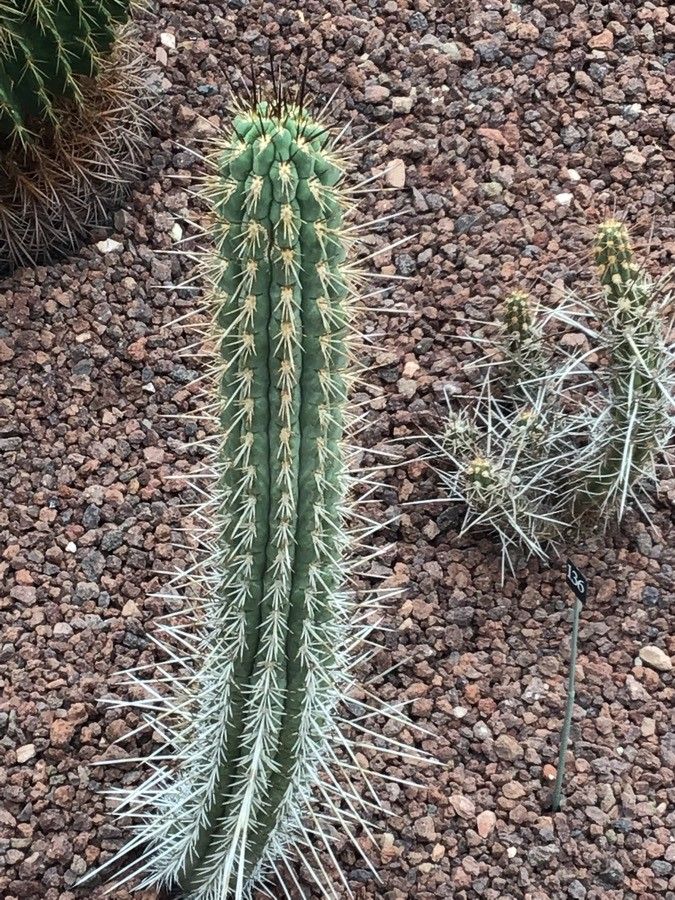
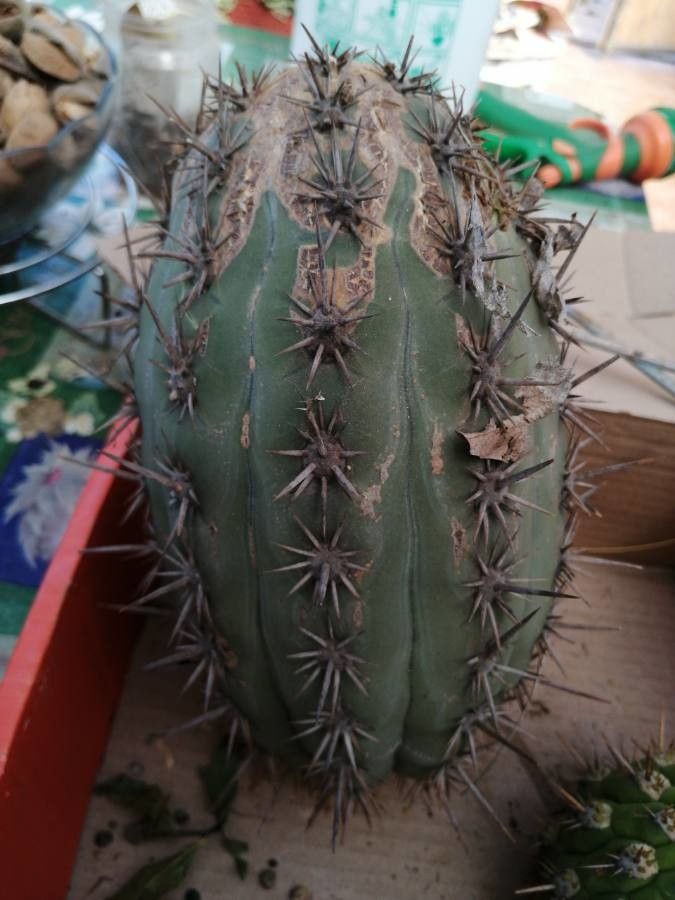
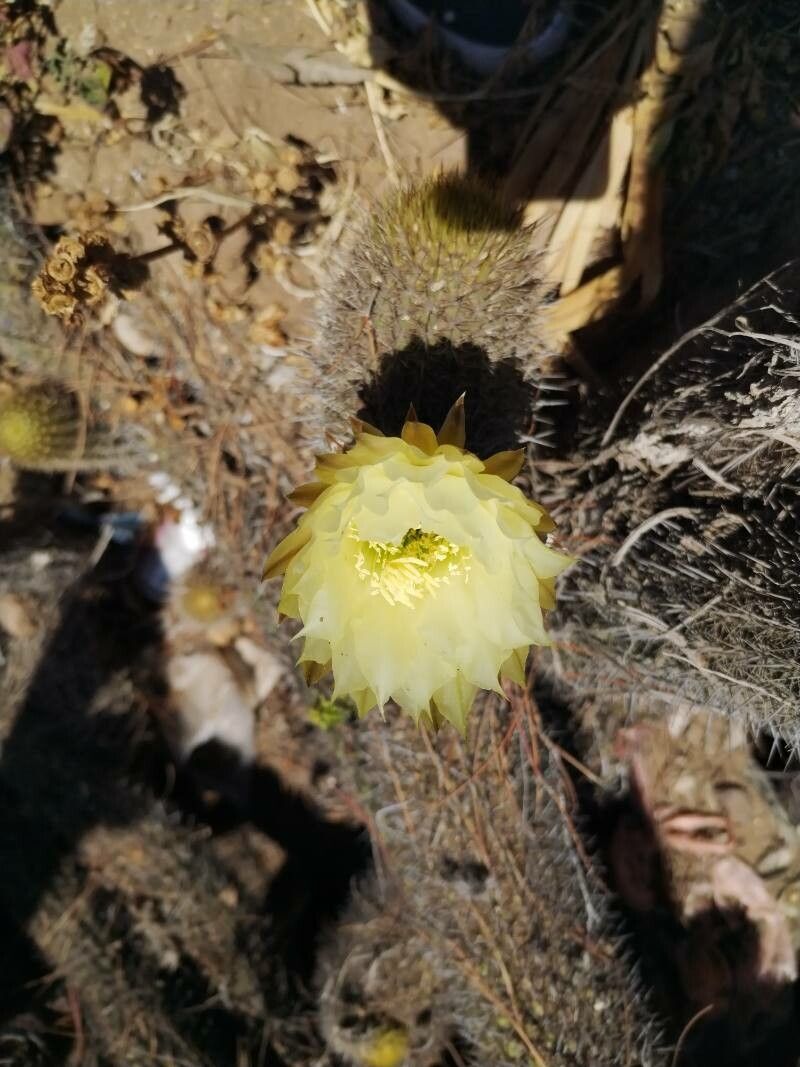
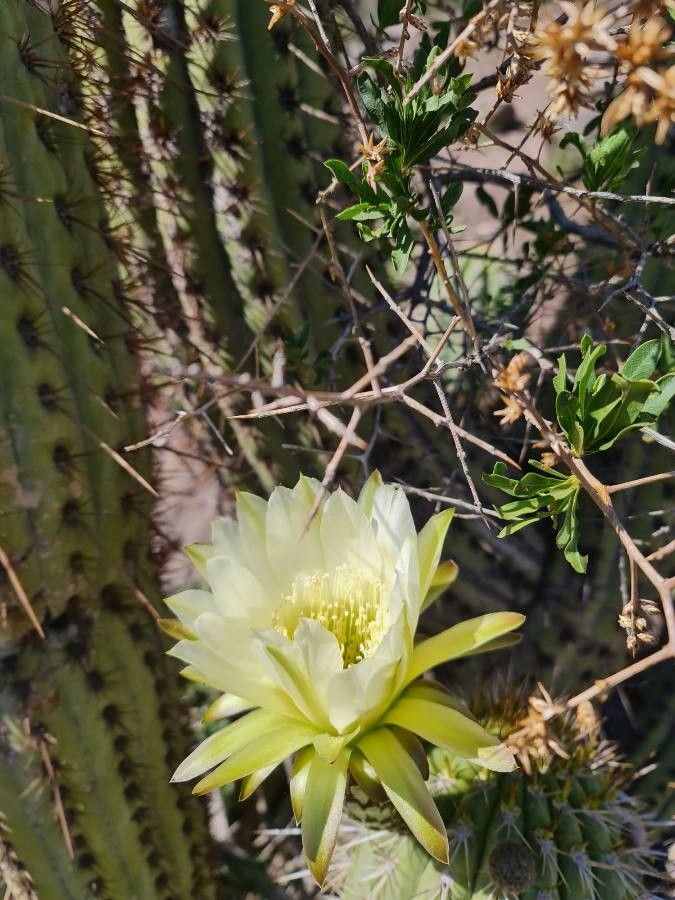
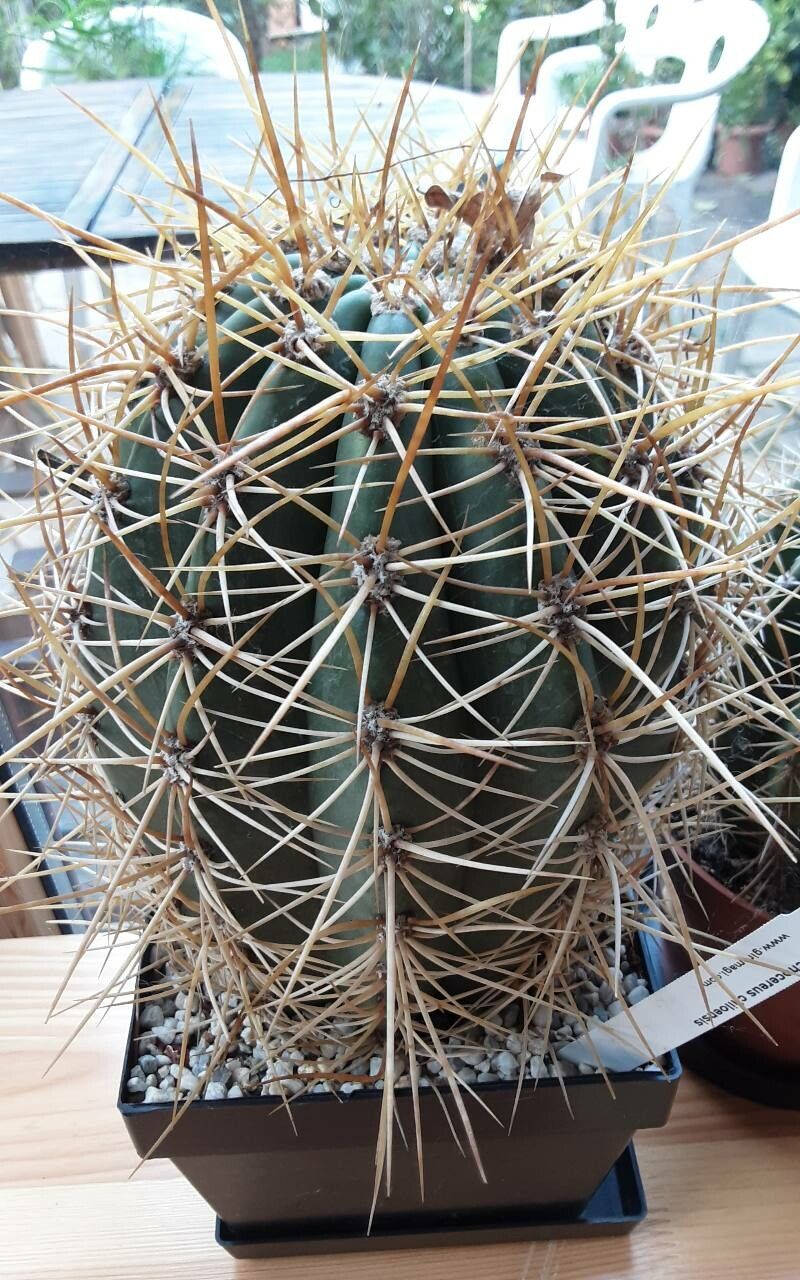
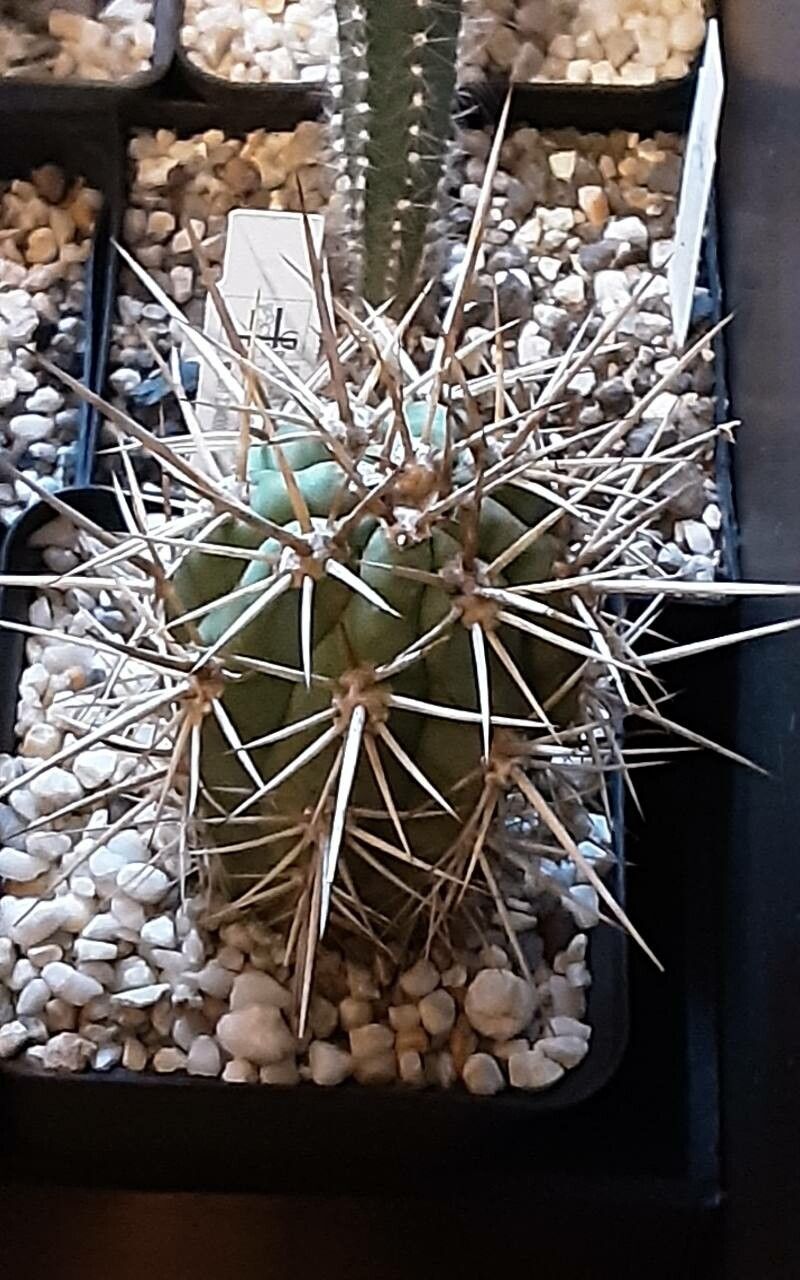
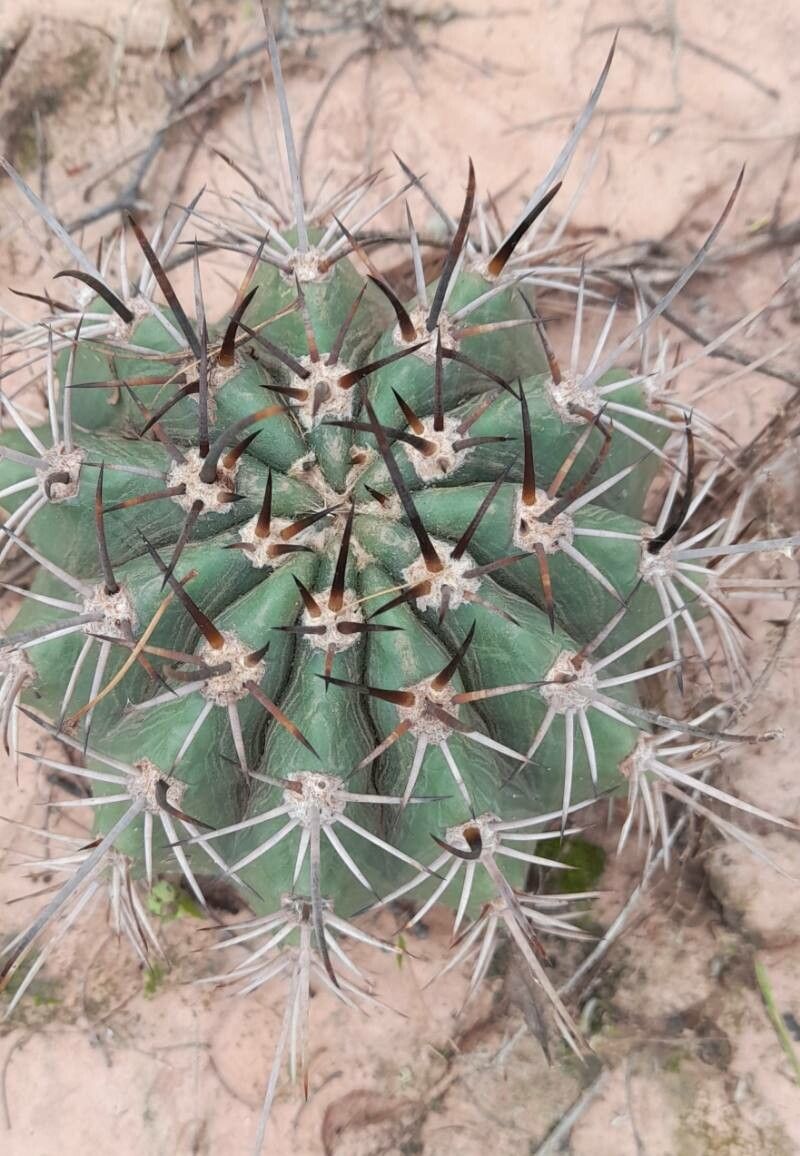
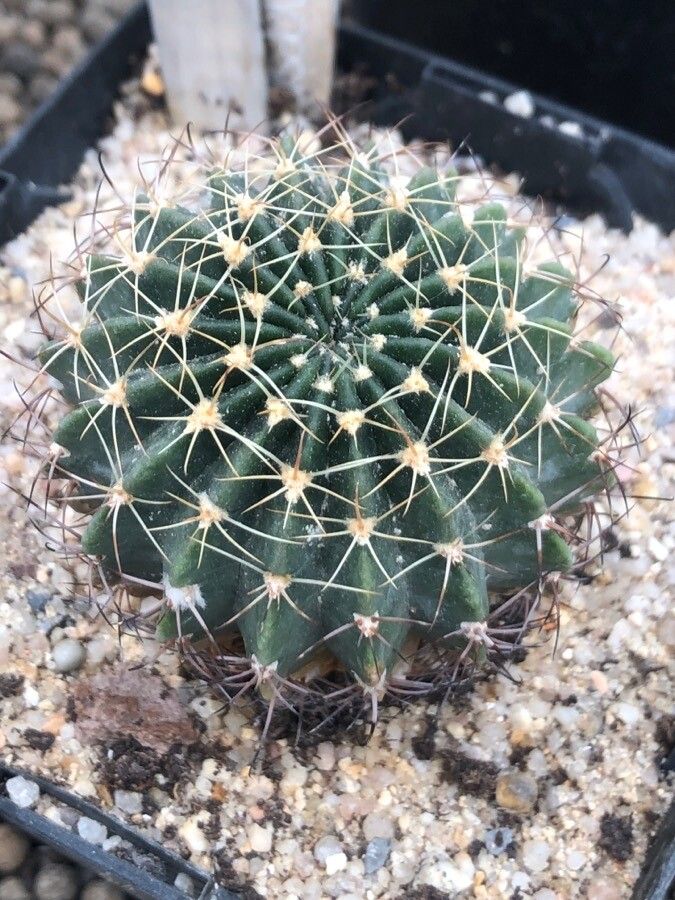
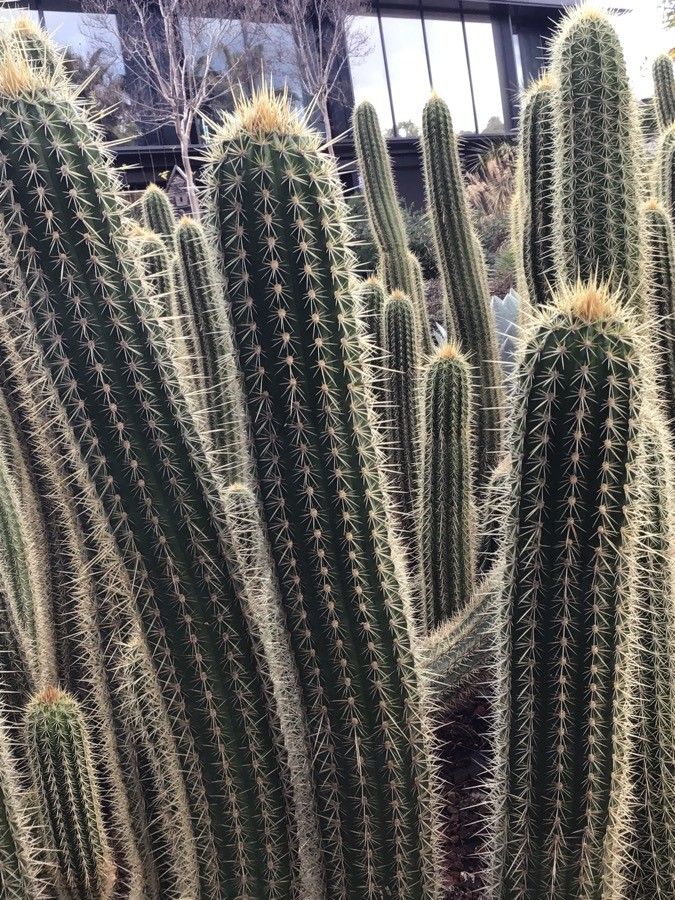
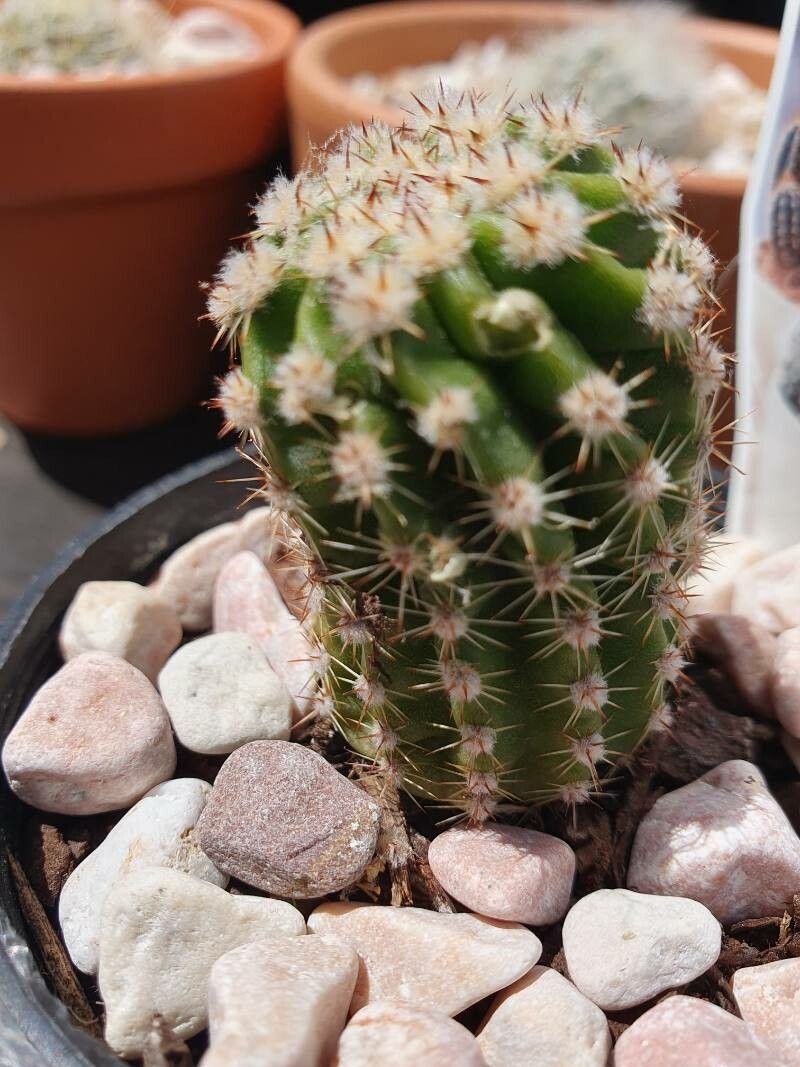
Echinopsis chiloensis is a species of cactus native to South America; genus members are known as hedgehog cacti, sea-urchin cactus or Easter lily cactus.
Echinopsis chiloensis shows strong resistance to diseases and typically tolerates routine care without becoming ill easily. It can, however, be vulnerable to mealybugs; these pests may inflict some damage but usually do not pose a major danger. Regarding care, Echinopsis chiloensis is drought-tolerant and does not require frequent watering. It can endure extended intervals without water and needs little fertilizer. That said, it is very prone to root rot when kept in poor light and given excess water. In general, Echinopsis chiloensis is a good choice for people who prefer low-maintenance plants, though it remains important to meet its basic needs. It is especially appropriate for individuals who are away for long stretches and might often forget to water their plants.
How to keep Echinopsis Chiloensis.
Light
Echinopsis chiloensis, indigenous to dry areas, flourishes under full exposure to the sun, corresponding to its original habitat marked by intense sunlight and limited shade. It also tolerates semi-shade, demonstrating some versatility in its development.
Water
Echinopsis chiloensis is a drought-tolerant plant that only needs thorough watering when the soil is completely dry. From spring to fall, water the plant once or twice a week. During winter, reduce watering to once a week. Use rainwater or distilled water to help prevent soil compaction. Be careful not to wet the stem, as this can cause rot.
Temperature
Echinopsis chiloensis can tolerate some heat but it mainly thrives and expands during the cooler periods, going into a dormant phase during summer. It's crucial to shield it from powerful sunlight during hot summer days to avoid burn damage. Water supply should also be diminished or stopped during the peak of heat to protect the roots from rotting. Echinopsis chiloensis shows lively growth in winter and spring. Provided the temperature doesn't plummet excessively, its growth will persistently progress.
Fertilizer
For the Echinopsis chiloensis, modest batches of fertilizer applied 1-2 occasions annually during its growth period will suffice. Refrain from applying fertilizer in winter and summer, the periods of its dormancy. Lower fertilizer usage for plants that have been repotted and postpone fertilizing for a few months post repotting. Proper fertilization promotes a robust growth and stimulates blossoming.
Pruning
Echinopsis chiloensis is a tall, columnar cactus with spiny ribs. To keep it healthy, prune it in early spring using sterilized tools to make clean cuts. Light annual maintenance helps improve airflow and reduce pests, ensuring strong growth and an attractive appearance without the stress of heavy pruning.
Botanical profile.
- Plant Type
- Succulent, Tree
- Life Cycle
- Perennial
- Genus
- Echinopsis
- Family
- Cactaceae
- Hardiness Zone
- 9-11
- Mature Height
- 1.52 m to 3.96 m
- Mature Spread
- 30 cm to 49 cm
- Leaf Color
- Dark Green
- Leaf Type
- Evergreen
- Flower Color
- White
- Flower Size
- 10.16 cm to 15.24 cm
- Bloom Time
- Summer
- Planting Time
- Spring, Summer
- Harvest Time
- Late summer, Early fall, Mid fall
Other names.