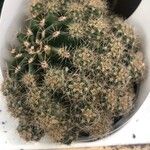
Echinopsis eyriesii
Eyries Cactus
Description
Source: leafsnapEchinopsis eyriesii, commonly known as the Easter Lily Cactus, is a cactus species native to South America. It is a popular ornamental plant due to its striking appearance and ease of care. This cactus features a globular shape and can grow up to 30 cm in height and 15 cm in diameter. Its numerous ribs are adorned with white spines that can extend up to 2 cm. In the spring, Echinopsis eyriesii produces large white flowers approximately 15 cm in diameter. These flowers have numerous petals arranged around a central tube-like structure called the throat, which contains the stamens and pistils. Echinopsis eyriesii thrives in well-draining soil with moderate watering during its growing season, which spans from spring through fall. During the winter months, the plant should be kept dry as it enters dormancy. This cactus species is relatively easy to care for, making it an ideal choice for beginners or those seeking low-maintenance plants for their homes or gardens. With proper care, Echinopsis eyriesii can live for many years, providing beautiful blooms year after year. It makes an excellent addition to any plant collection or garden space!
🌳 Aside from its decorative value, the Easter lily cactus fulfills a distinct ecological role by opening its large, fragrant blooms at night. That timing is adapted to nocturnal pollinators like moths and bats, tying the plant into the wider network of nighttime pollination. Although it is often admired for its striking appearance, the Easter lily cactus also helps sustain these important pollinator populations, which commonly go unnoticed.
Care Guide
💧 Water Every 7 days
☀️ Light Full sun
The Easter lily cactus prefers abundant sunlight, a trait typical of its native habitat that receives many sunlit hours. Sunlight is essential for its growth and supports vigorous health. However, excessive sun beyond its preferred level can cause scorch damage to plant tissues, while insufficient light may inhibit its development.
🌡️ Temperature 15–37.8°C
Easter lily cactus originates from mountainous areas and prefers cooler conditions, with temperatures ranging from 59 to 100 °F (15 to 38 ℃). For best growth, keep temperatures within this range and adjust them according to seasonal changes.
💨 Humidity dry (<40%)
This plant prefers dry conditions, so don't mist it. However, watering it less often can also thrive in higher humidity.
🪴 Soil 6-7
🌱 Fertilizer
The Easter lily cactus only needs light fertilizer applications once or twice a year during its growing season. Do not fertilize in winter or summer when it is dormant. Use less fertilizer for plants that have been repotted and wait a few months after repotting before feeding. Fertilizing promotes healthy growth and encourages flowering.
🪴 Pot & Repot 2-3 years
Repot the Easter lily cactus in spring or summer, selecting a pot slightly larger than the current one with good drainage. Use a sandy or gritty cactus mix that drains well. Handle the plant carefully to avoid the spines. Let the cactus dry out before repotting to help prevent root rot. After repotting, wait one week before watering so the roots can heal.
✂️ Pruning
🌿 Propagating
🐛 Diseases & pets
☠️ Toxicity
Characteristics
- Plant Type
- Succulent
- Life Cycle
- Perennial
- Genus
- Echinopsis
- Family
- Cactaceae
- Hardiness Zone
- 8-11
- Mature Height
- 10 cm to 15 cm
- Mature Spread
- 5 cm to 25 cm
- Leaf Color
- Green
- Leaf Type
- Evergreen
- Flower Color
- White, Pink
- Flower Size
- 15.24 cm
- Bloom Time
- Late spring, Early summer, Mid summer
- Planting Time
- Spring, Summer, Autumn, Winter
- Harvest Time
- Mid summer