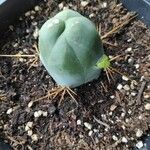
Echinopsis lageniformis
Bolivian torch cactus · Penis Cactus
Description
Source: leafsnapEchinopsis lageniformis (syn. Trichocereus bridgesii), the Bolivian torch cactus, is a fast-growing columnar cactus from the high deserts of Bolivia. Among the indigenous populations of Bolivia, it is sometimes called achuma or wachuma, although these names are also applied to related species such as Echinopsis pachanoi which are also used for their psychedelic effects.
💡 Echinopsis × wilkensii was initially a frail plant. It was as delicate as water and could be easily harmed by the slightest touch. Observing its vulnerability, God took pity on it and provided a suit of armor to protect its heart. This armor was as hard as iron and adorned with sharp, steel-like thorns. Any creature that ventured too close would inevitably be wounded.
Care Guide
💧 Water Every 1 week
The Bolivian torch cactus is well adapted to arid environments and displays a high tolerance for drought. It stores water in its fleshy tissues, allowing it to survive with minimal watering—about once every three weeks. This cactus thrives outdoors and is resilient to the dry spells characteristic of its native climate.
How frequently should I give water to my Bolivian torch cactus?
Determining how often to water Bolivian torch cactus does not have a strict rule. The ideal approach is to check the soil and only water when it is completely dry. To check the soil moisture, you can either use your finger or a moisture meter to assess the soil below the surface. If the cactus is planted in a deep pot, you can also use a stick or chopstick for this purpose. If the soil feels slightly moist, it is advisable to wait a few days and check again. Typically, in summer, most people will need to water the Bolivian torch cactus every two weeks, while in winter, watering once a month is usually sufficient. However, it is important to note that there are various factors that can affect the watering frequency, which are listed in the section below to assist you in determining how often to water.
What do I need to think about when giving water to my Bolivian torch cactus?
To determine how to properly water your Bolivian torch cactus, there are a few environmental factors to consider, such as the size of the container, type of soil, temperature, and humidity. When choosing a container, be sure to use one with ample drainage holes, allowing excess water to escape. The size of the container will also impact watering frequency and amount. A smaller container holds less soil and moisture, requiring more frequent watering. Conversely, a larger pot retains more water and can be watered less often. Avoid placing your cactus in an oversized pot, as this can lead to overwatering. When repotting, move to a container only slightly larger than the current one, and opt for a shallow container to accommodate the cactus's shallow root system. The watering needs of your Bolivian torch cactus will vary throughout the year. During the winter, when growth slows down and water loss via evaporation decreases, watering frequency should be reduced. In contrast, during the active growing seasons of spring and autumn, the cactus will require more frequent watering. Consider the overall climate in your area as well. If you reside in a humid region with substantial rainfall, you will need to water your cactus less frequently compared to a dry and arid climate. Keep in mind that even within the same geographic location, variations in conditions may arise due to seasonal changes and the use of indoor heating or air conditioning. For outdoor plantings, once the Bolivian torch cactus has established its root system, it typically does not require additional watering beyond natural precipitation and dew. However, during extended dry periods, occasional watering may be necessary. In areas where growing the cactus in a container is necessary, it can be moved outside during suitable spring and summer temperatures and brought indoors as temperatures drop. Remember that a potted cactus kept outdoors will generally need more water due to increased sun exposure, even when placed in a shaded area or on a porch.
How should I water my Bolivian torch cactus?
To water a Bolivian torch cactus, it's best to thoroughly soak it and then allow it to dry out before watering again. This plant can tolerate drought, so it's okay to let it get quite dry before watering. It's important to water the entire pot by soaking the soil, rather than just pouring water in one spot. The amount of water needed will depend on the size of the container and how absorbent the soil is. After watering, let the excess water drain out and then discard any remaining water in the saucer to avoid overwatering. Another effective method is bottom-watering, where you place the pot in a saucer of water and let the soil absorb moisture through the drainage holes. When the top layer of soil is moist, it has absorbed enough water. This method ensures an even distribution of water throughout the pot but requires more time. Bolivian torch cactus comes from a habitat with little rain, so mimicking this by bottom-watering when the soil is completely dry is beneficial. It's better to deeply water the plant infrequently rather than frequently watering it lightly.
What do I do if I give my Bolivian torch cactus too much or too little water?
Bolivian torch cactus, along with other succulents, can survive without water for long periods of time. However, if you neglect to water your Bolivian torch cactus for a month or more, it will likely show signs of thirst or damage. An underwatered cactus will appear dull and wrinkled, with some parts drying up completely or turning brown and crispy. The soil will also be completely dry. To remedy this, give your cactus plenty of water by submerging the pot in water for about 5-10 minutes, ensuring the soil and plant are properly rehydrated. Overwatering is dangerous for Bolivian torch cactus and can lead to root rot, which hinders the absorption of nutrients and water by the roots. Root rot occurs when wet conditions allow fungi and bacteria to thrive and feed on the roots. An overwatered cactus will exhibit symptoms such as yellow, swollen, and translucent organs that may burst open from too much water. If left untreated, the plant may turn brown or black and fall off easily. Check the soil to confirm overwatering as the cause of these symptoms, as other issues may present similar signs. Saving an overwatered plant can be challenging, but catching it early is key. If the roots have already become rotten, it may be too late to save the plant. However, if only a portion of the roots are affected, there is a chance it can be saved. To assess the roots, remove the plant from its pot and gently remove wet soil around the roots, rinsing them in room-temperature water. Look for dark brown or black roots that are soft, mushy, or slimy, indicating root rot. If most of the roots are affected, it is best to remove any healthy stem and try propagating a new cactus. If there are still healthy roots, remove any unhealthy-looking ones using a sterilized cutting tool. Dip the remaining firm, pale roots in fungicide to eliminate any remaining spores. Repot the cactus in fresh, well-draining soil. While this method may not always be successful, in most cases, the cactus will recover and start growing new shoots in the next growing season.
☀️ Light Full sun
Originally from arid areas, the Bolivian torch cactus grows best in full sun; its natural habitat features intense sunlight and very little shade. It can also tolerate partial sun, giving it some flexibility in how it develops.
How much sunlight does the Bolivian torch cactus need in order to grow?
To ensure the Bolivian torch cactus thrives, it needs a minimum of 6 hours of sunlight daily, although more is preferred. The exact amount needed can vary based on sunlight intensity and other environmental factors. However, it can generally handle up to 14 hours of sunlight without any issues.
What kind of sunlight does the Bolivian torch cactus require?
The Bolivian torch cactus requires ample bright sunlight to thrive. It is a full-sun plant that can flourish when exposed to direct light or bright indirect sun. While certain varieties may tolerate partial sun, it is generally best to provide them with as much sunlight as possible.
Should I keep the Bolivian torch cactus away from sunlight?
The Bolivian torch cactus is typically found in extremely hot and sunny areas, which it is well suited for, so it doesn't require sun protection. However, if you want to move it to a sunnier spot and it's not accustomed to that level of sunlight, you should proceed with caution. It's important to give the plant time to adjust to the new conditions. Start by gradually exposing it to a few hours of sun each day, then increase the duration over time. Once the cactus has adapted, it should be able to handle full sun without any issues.
What happens if the Bolivian torch cactus doesn't get enough sunlight?
If the Bolivian torch cactus doesn't receive sufficient sunlight, it won't grow properly. Signs of insufficient sunlight include pale coloring, wilting leaves, and leaf drop. The cactus may also develop etiolation, which is when it becomes "leggy" as it stretches towards the light, resulting in a sparse look and weak stems.
What happens if the Bolivian torch cactus gets too much sunlight?
During the summer, Bolivian torch cactus may develop shades of red, pink, or orange to protect themselves from excess sunlight. To replicate this protection, many people intentionally expose these plants to mild sun stress. This practice is not harmful, as the cactus will revert to its normal coloring when light levels decrease in autumn to spring. However, it is important to note that if the cactus is moved too quickly into direct sun, it can suffer from sunburn. Sunburn appears as white or brown spots on the uppermost leaves exposed to the most sunlight. To help a sunburned plant, it should be moved to a shadier location and watered if necessary. Any sun-damaged leaves can be removed, and new growth will eventually replace them.
🌡️ Temperature 20–37.8°C
The Bolivian torch cactus performs best in warm conditions and requires elevated temperatures during the growing season to support its growth and metabolism. It likes abundant sunlight, suitable moisture levels, and good air circulation. However, it is vulnerable to harm from temperatures that are too low and from overwatering. It is also important to maintain balance and avoid excessively high temperatures and overly dry conditions.
What temperature is best for your Bolivian torch cactus?
The Bolivian torch cactus prefers a specific range of conditions. Ideally, temperatures should be between 75-90℉ (25-32℃). During the early winter season, it's important to keep the temperature above 75℉ (25℃) for the cactus. If necessary, you can bring it indoors for better protection. While the cactus can survive in some extreme temperatures, such as as low as 50℉ (15℃), it's not ideal. If you expect winter conditions outside, it's best to bring the cactus inside.
How should I change the temperature for my Bolivian torch cactus as it grows?
The Bolivian torch cactus goes through different growing phases. First, the dormant seeds grow into seedlings. These seeds require specific conditions for germination, including a temperature of 75-90℉ (25-32℃). Summer is the best time for robust growth, with an ideal temperature of 85℉ (30℃). To ensure your Bolivian torch cactus gets enough sunlight, you can move it from indoors to a sunny spot during the hot summer months.
How can I make sure my Bolivian torch cactus stays warm during cold seasons?
To protect your Bolivian torch cactus from winter conditions, it's best to bring it indoors. Some people choose to use grow lights to provide enough sunlight, but if your home is not very dark, you may not need them. Just make sure to place your cactus in a spot where it can get the most sunlight possible. This should be enough to keep it healthy during winter. If you have multiple cacti, remember to rotate them so that they all get enough sunlight. If you live in a northern area with extremely cold weather, avoid placing your cactus too close to the window as this could damage it.
What happens to my Bolivian torch cactus when it gets too hot or too cold?
Your Bolivian torch cactus thrives in the summer and prefers warm temperatures around 90℉ (32℃). However, it is important to shield it from extreme temperatures during hot climates. In contrast, during winter, it is best to keep the plant dry. In temperate climates with temperatures between 75-90℉ (25-32℃), the Bolivian torch cactus does well. Some gardeners may expose their cacti to extreme temperatures, which can cause stress to the plants. While high temperatures between 90℉ and 95℉ (32-35℃) help maintain vibrant colors, caution should be exercised when experimenting with this. During the hot summer season, extremely high temperatures can burn the cactus and damage its stem and root system. To protect the plant, consider moving it to a shaded spot or utilizing a shade cloth during the hottest part of the day when temperatures are extremely high.
How do I change the temperature for my Bolivian torch cactus in different seasons?
During the hot summers, the Bolivian torch cactus grows slowly to survive the high temperatures. However, as cooler periods and rainfall arrive, the cactus starts to grow again. If you live in a place with hot summers, warm winters, and more rain, you don't need to do anything special. However, if you live in a place with cold winters, it's best to allow the cactus to grow more in the summer and rest in the winter since there is not enough sunlight for it to grow during the winter. To help the cactus enter dormancy in cold temperatures, you can lower the temperature to 50℉ to 75℉ (15℃ to 25℃).
💨 Humidity
🪴 Soil 6-8
🌱 Fertilizer
For Bolivian torch cactus, use light doses of fertilizer one to two times a year during the growing season. Do not fertilize in winter or in summer when it is dormant. Reduce the amount of fertilizer for plants that have been repotted and wait a couple of months after repotting before applying fertilizer. Fertilizing helps sustain healthy growth and encourages blooms.
🪴 Pot & Repot 2-3 years
Repot the Bolivian torch cactus in spring or summer, picking a pot slightly larger than the current one with good drainage. Use a sandy or gritty cactus mix that drains well. Handle it carefully to avoid the spines. Let the cactus dry out before repotting to help prevent root rot. After repotting, wait for a week before watering so the roots can heal.
✂️ Pruning
The Bolivian torch cactus requires minimal pruning. It's important to remove any withered flowers and branches to direct nutrients towards healthy growth, which in turn promotes overall plant vitality.
🌿 Propagating
🐛 Diseases & pets
☠️ Toxicity
Characteristics
- Plant Type
- Succulent
- Life Cycle
- Perennial
- Genus
- Echinopsis
- Family
- Cactaceae
- Hardiness Zone
- 9-12
- Mature Height
- 4.88 m
- Mature Spread
- 91 cm
- Leaf Color
- Green, Blue
- Leaf Type
- Deciduous
- Flower Color
- White
- Flower Size
- 15.24 cm to 20.32 cm
- Bloom Time
- Summer, Early fall
- Planting Time
- Spring, Summer
- Harvest Time
- Late summer, Fall
- Native Area
- Bolivia