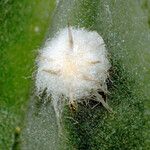
Echinopsis subdenudata
اچینوپسیس پاندا · Easter lily cactus · Domino Cactus
Description
Source: leafsnapEchinopsis subdenudata (commonly called domino cactus, night blooming hedgehog, Easter lily cactus) is a species of cactus. It has a globular shape, few spines, with large, white flowers attached to long, green tubes. It occurs in Bolivia, at altitudes of 600–1800 metres. Under its synonym Echinopsis ancistrophora it has gained the Royal Horticultural Society's Award of Garden Merit.
Care Guide
💧 Water Every 2-3 weeks
Many people believe that all cacti need very little water and should be kept completely dry for months at a time. Although this is true in certain circumstances, Echinopsis subdenudata prefers frequent irrigation throughout the growth season more than its arid relatives. During the summer, water your Echinopsis subdenudata as soon as the soil becomes dry, which is typically once a week or once every other week. When you transfer your cactus to a cooler winter location, it will cease growing, which means you should substantially reduce the quantity of water you give it. During the dormancy phase, visit once a month or less.
☀️ Light Full sun
Native to dry areas, the Easter lily cactus does best in full sun, as its native habitat has intense sunlight and very little shade. It can also tolerate partial sun, providing some flexibility in its growth.
🌡️ Temperature 20–41.1°C
Easter lily cactus does best in warm conditions and needs higher temperatures during the growing season to stimulate growth and metabolism. It prefers plenty of sunlight, suitable moisture, and good airflow. It can be harmed by very low temperatures and by excessive watering. Likewise, it’s important to avoid extreme heat and overly dry conditions.
💨 Humidity dry (<40%)
This plant prefers dry conditions, so don't mist it. However, watering it less often can also thrive in higher humidity.
🪴 Soil 6-7
🌱 Fertilizer
Light applications of fertilizer once or twice a year during the growing season are enough for Easter lily cactus. Do not fertilize in winter or summer when it is dormant. Reduce fertilizer for plants that have been repotted and wait a couple of months after repotting before fertilizing. Fertilizing helps maintain healthy growth and promotes flowering.
🪴 Pot & Repot 2-3 years
Repot the Easter lily cactus in spring or summer, selecting a pot slightly larger than the current one that provides good drainage. Use a sandy or gritty cactus mix that drains well. Handle the plant carefully to avoid its spikes. Let the cactus dry out before repotting to prevent root rot. After repotting, wait one week before watering so the roots can heal.
✂️ Pruning
No pruning necessary.
🌿 Propagating
🐛 Diseases & pets
☠️ Toxicity
Characteristics
- Plant Type
- Succulent
- Life Cycle
- Perennial
- Genus
- Echinopsis
- Family
- Cactaceae
- Hardiness Zone
- 9-13
- Mature Height
- 20 cm
- Mature Spread
- 20 cm
- Leaf Color
- Green, Dark Green
- Leaf Type
- Evergreen
- Flower Color
- White, Pink
- Flower Size
- 7.62 cm to 11.43 cm
- Bloom Time
- Summer
- Planting Time
- Spring, Summer, Autumn
- Harvest Time
- Late summer, Early fall, Mid fall
- Native Area
- Bolivia