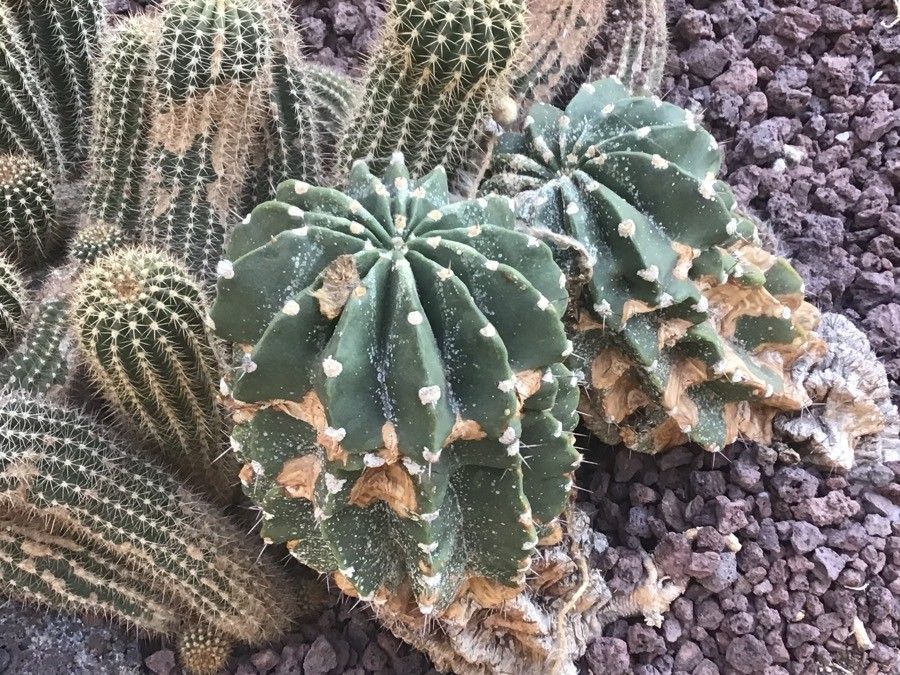
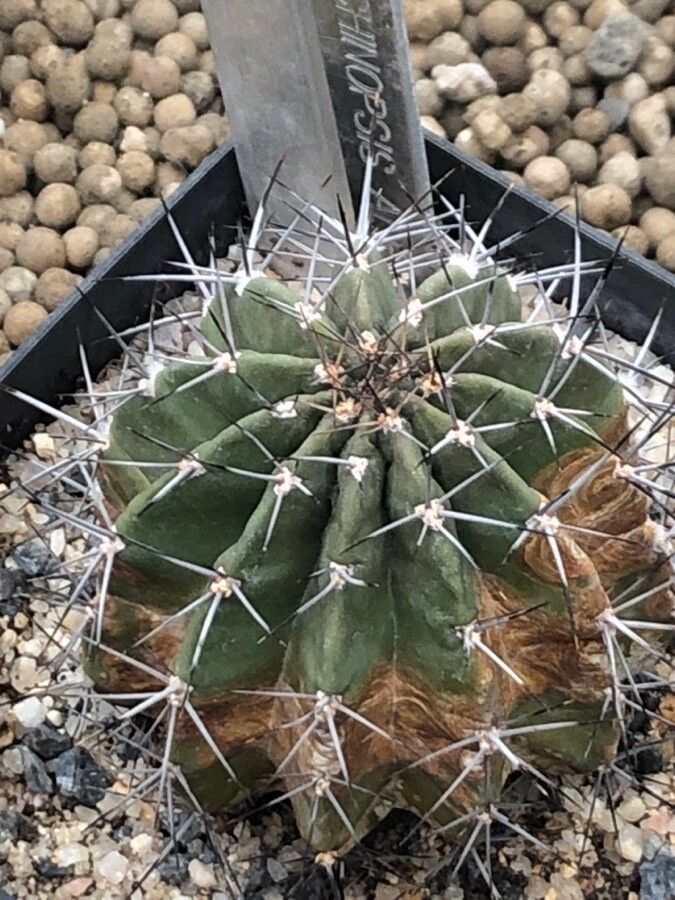
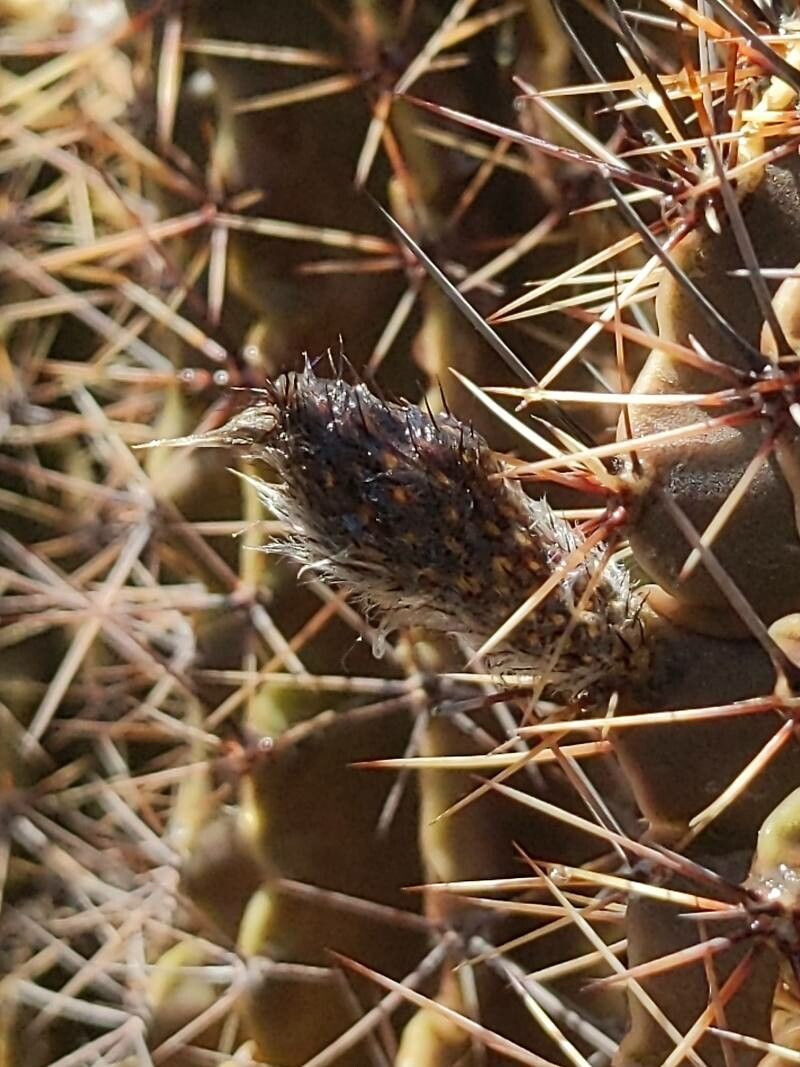
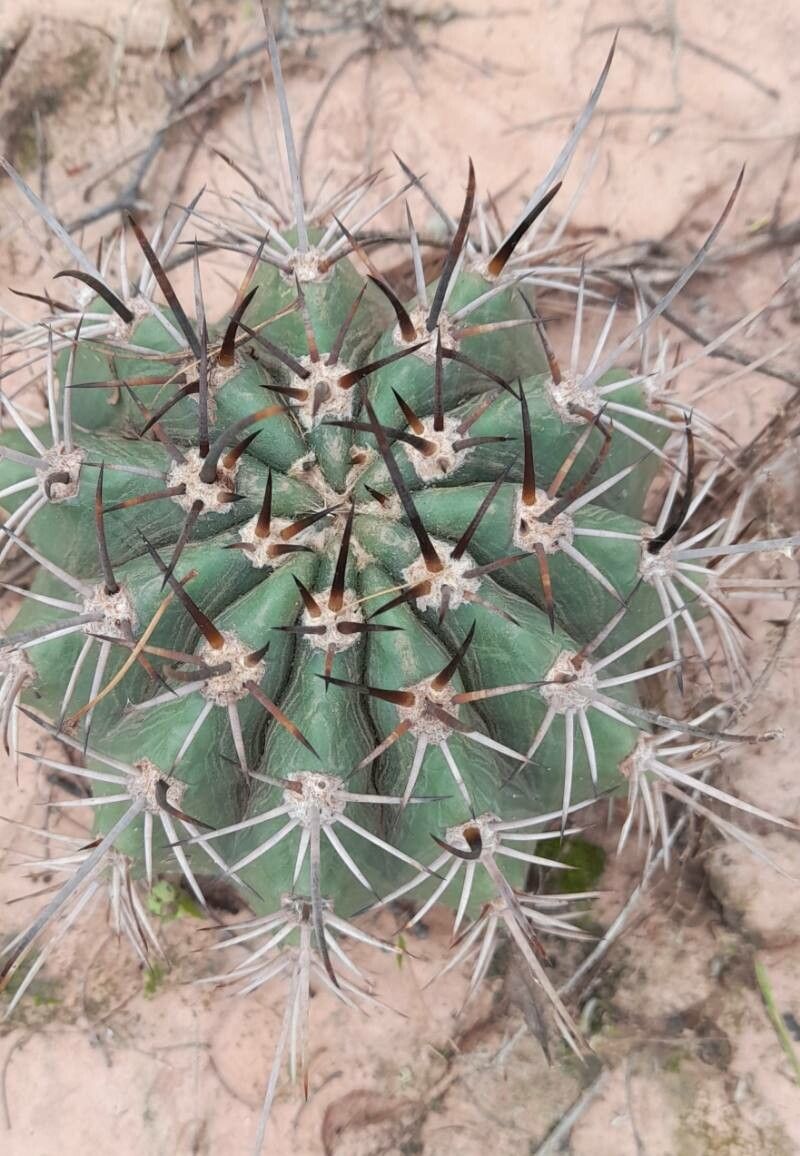
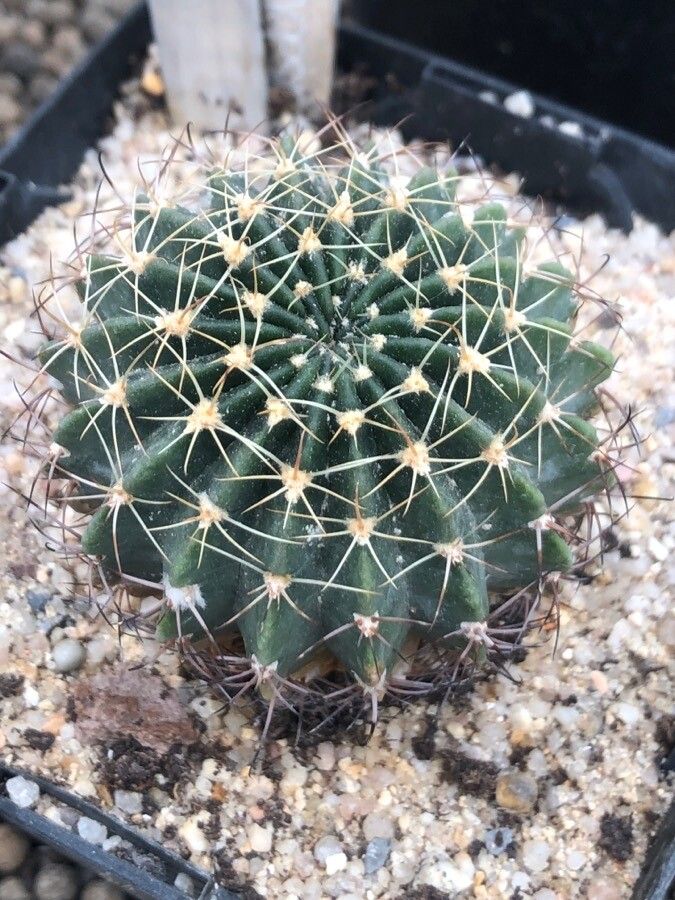
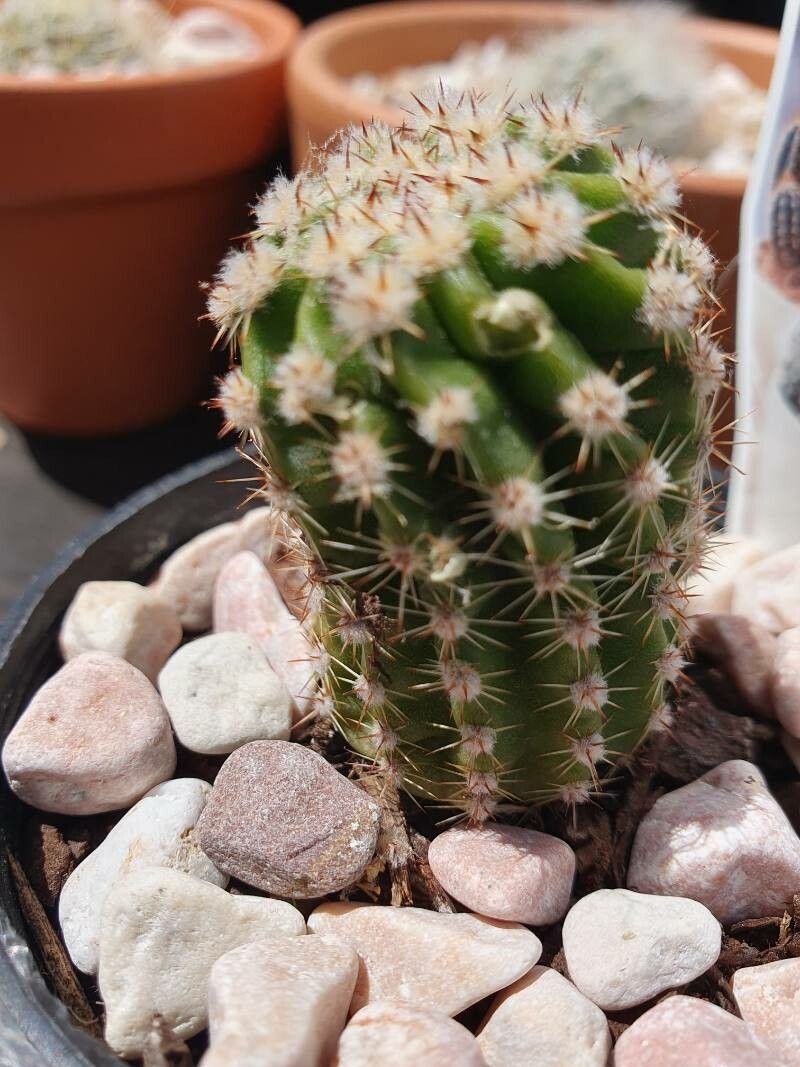
Echinopsis tubiflora, is a species of Echinopsis found in Argentina.
Easter Lily Cactus has strong resistance to diseases and generally remains healthy under normal care. That said, it can be prone to mealybugs, which may cause some harm but are typically not a major danger. Regarding care, Easter Lily Cactus tolerates drought and does not require frequent watering. It can go long stretches without water and needs little fertilizer. However, if light is inadequate and it is overwatered, it is very vulnerable to root rot. Overall, Easter Lily Cactus is a good choice for people who prefer low-maintenance plants, though it’s important to know and provide its basic needs. It is especially appropriate for those who are away for extended periods and might forget to water regularly.
How to keep Echinopsis Tubiflora.
Light
Easter Lily Cactus thrives with plenty of sunlight. However, it can still grow in spots that receive sun only part of the day. Because it originates from regions with greater sun exposure, insufficient light can restrict its growth. Excessive sun, on the other hand, can cause sunscald.
Water
The Easter Lily Cactus, well-suited for arid environments, thrives with minimal moisture due to its high drought tolerance. This cactus prefers well-draining soil and should be watered sparingly, ideally every three weeks, to prevent root rot. Its blooming cycle serves as an indicator of hydration levels, making it an excellent choice for xeriscaping.
Temperature
Easter Lily Cactus prefers temperatures from 68℉ to 100℉ (20℃ to 38℃). It is native to warm, arid areas and needs bright sun and good drainage. In winter, the plant should be kept cooler, between 50℉ and 60℉ (10℃ to 15℃), to encourage flowering.
Fertilizer
Easter Lily Cactus benefits from light fertilizer applied once or twice a year during the growing season. Do not fertilize in winter or summer when the plant is dormant. Cut back on fertilizer for recently repotted plants and wait a couple of months after repotting before feeding. Fertilizing helps maintain healthy growth and promotes flowering.
Pruning
The Easter Lily Cactus doesn't need much pruning. To encourage healthy growth, simply remove any withered flowers and branches. This will help the plant direct its nutrients to the stronger, healthier parts.
Pot & Repot
Repot the Easter Lily Cactus in spring or summer, choosing a pot slightly larger than the current one that has good drainage. Use a well-draining, sandy or gritty cactus mix. Handle the cactus carefully to avoid its spines. Allow the plant to dry out before repotting to help prevent root rot. After repotting, wait a week before watering so the roots can heal.
Botanical profile.
- Plant Type
- Succulent, Shrub
- Life Cycle
- Perennial
- Genus
- Echinopsis
- Family
- Cactaceae
- Hardiness Zone
- 9-12
- Mature Height
- 76 cm
- Mature Spread
- 11 cm to 15 cm
- Leaf Color
- Brown
- Leaf Type
- Evergreen
- Flower Color
- White
- Flower Size
- 10.16 cm
- Bloom Time
- Late spring, Early summer, Mid summer
- Planting Time
- Spring, Summer, Autumn, Winter
- Harvest Time
- Mid summer
Reader questions.
What should I do if I give my Easter Lily Cactus too much or too little water?
Easter Lily Cactus can withstand periods without water, but if you forget to water it for a month or more, it may show signs of underwatering such as shriveled and dry leaves. To revive an underwatered Easter Lily Cactus, soak the pot in water for 5-10 minutes until the soil feels moist and remove any dried out leaves. Overwatering can be deadly for Easter Lily Cactus, causing root rot. Symptoms of overwatering include yellow, swollen, and translucent leaves. If the problem persists, the leaves may turn brown or black and fall off easily. To address overwatering, improve air ventilation and adjust watering frequency. To save an overwatered plant, act quickly. Check the roots and soil by removing the plant from its pot. Remove wet soil and rinse the roots in room-temperature water to remove any fungus. If the roots are dark brown or black, soft, mushy, or slimy, the plant may not be salvageable. In this case, propagate new plants from healthy leaves. If only a portion of the roots are affected, remove the unhealthy roots, dip the remaining roots in fungicide, and repot in fresh soil. Most Easter Lily Cacti can recover and produce new growth in the next growing season.
Why is it important to fertilize my Easter Lily Cactus?
Adding nutrients to the growing medium by fertilizing Easter Lily Cactus helps support healthy growth even though it already stores water and nutrients. Fertilizing during the growing season can also encourage mature specimens to produce blooms.
How many hours of sunlight does Easter Lily Cactus need in order to grow?
To ensure the optimal growth of the Easter Lily Cactus, it is recommended that it receives a minimum of 6 hours of sunlight each day, although more is preferable. The specific number of hours may vary depending on factors such as sunlight intensity and environmental conditions, but it is unlikely that the cactus will be harmed by receiving too much sunlight. In fact, the Easter Lily Cactus can handle up to 14 hours of sun per day without any issues.
What temperature should your Easter Lily Cactus be kept at?
The Easter Lily Cactus thrives in a specific temperature range of 75-90℉ (25-32℃). It's important to maintain a minimum temperature of 75℉ (25℃) during the early winter season to protect the cactus. Moving it indoors provides better protection. Although the cactus can withstand some extreme temperatures, it's not ideal. If winter conditions are expected outside, it's best to bring it indoors to ensure its survival.
How often do I need to water my Easter Lily Cactus?
Determining how often to water an Easter Lily Cactus can be based on the moisture level of the soil. To assess this, you can either use your finger or a moisture meter to check the dryness of the soil below the surface. If planted in a deep pot, a stick or chopstick can also be used. If any moisture is detected, it is advisable to wait a few days before rechecking. Generally, during the summer months, watering every two weeks is adequate, while in winter, watering once a month is usually sufficient. However, it's important to consider various factors that may affect the watering frequency. Below are some factors to consider when determining how often to water the Easter Lily Cactus.
When should I fertilize my Easter Lily Cactus?
When it comes to Easter Lily Cactus, they only require a small amount of fertilizer during the growing season. It is recommended to fertilize them 1-2 times a year, specifically in the spring and autumn. Avoid fertilizing during the winter and summer when it is dormant. If you have recently repotted your cactus, reduce the amount of fertilizer and wait a couple of months before applying any.
What kind of sunlight does Easter Lily Cactus require?
The Easter Lily Cactus thrives in bright sunlight. It can do well in both direct light and bright indirect sun, although more sunlight is usually preferred. Some types of this plant may be able to survive with partial sun, but they generally prefer more light.
How do I change the temperature for my Easter Lily Cactus while it is growing?
The Easter Lily Cactus goes through various growth phases. First, the dormant seeds begin to sprout and become seedlings. For these seeds to germinate, they require specific conditions in their environment, such as a temperature between 75-90℉ (25-32℃). To ensure robust growth, it is best to expose the cactus to temperatures around 85℉ (30℃) during the summer months. During this season, you can move the cactus from indoors to a sunny location to provide sufficient sunlight.
What do I need to think about when watering my Easter Lily Cactus?
To ensure proper watering for your Easter Lily Cactus, keep a few environmental factors in mind. The size of the container and the type of soil used will determine how often and how much you should water. Use a container with good drainage and avoid oversized pots to prevent overwatering. A shallow container is best since the cactus has shallow roots. In the winter, the cactus requires less frequent watering due to slower growth and less water loss from evaporation. The climate also plays a role in watering frequency. In humid and rainy locations, you will need to water less often than in dry and arid climates. Remember that even within the same geographic area, conditions can vary with seasons and indoor heating/cooling. If your Easter Lily Cactus is planted in the ground, it should rely mostly on natural precipitation. However, during extended dry periods, occasional watering may be necessary. If the cactus is in a container, it can be moved outdoors during suitable temperatures and brought back inside when it gets colder. Keep in mind that potted cacti outdoors require more water due to increased sun exposure, even in shaded areas.
When is it not a good idea to fertilize my Easter Lily Cactus?
Easter Lily Cactus, like other plants, goes through a dormant period that's best for halting fertilizer applications. During the summer and winter months when the plant stops growing, it's also advisable to stop applying fertilizer. Additionally, after repotting in the spring, it's recommended to pause fertilizing for the first few months.
Do I need to keep Easter Lily Cactus away from direct sunlight?
The Easter Lily Cactus thrives in hot and sunny environments, so it doesn't require protection from the sun. However, if you're planning to move your cactus to a very sunny place, it's important to do so gradually. Plants need time to adjust to new conditions, so start by exposing the cactus to a couple of hours of sun each day, and then gradually increase the duration. Once the cactus has adapted, it should be able to handle full sun without any issues, and protection won't be necessary.
How do I make sure my Easter Lily Cactus stays warm during cold seasons?
To protect your Easter Lily Cactus from harsh winter conditions, it is recommended to bring it inside. Some people choose to buy grow lights to give the plant enough sunlight, but if your home is not very dark, it may not be necessary to purchase these lights. Instead, place your plants in the areas that receive the most sunlight. This should provide enough light to keep the Easter Lily Cactus healthy during the winter. If you have multiple Easter Lily Cacti, remember to rotate them so they all receive adequate sunlight. If you live in northern areas with cold weather, avoid placing your Easter Lily Cactus too close to the window as the extreme cold may damage them.