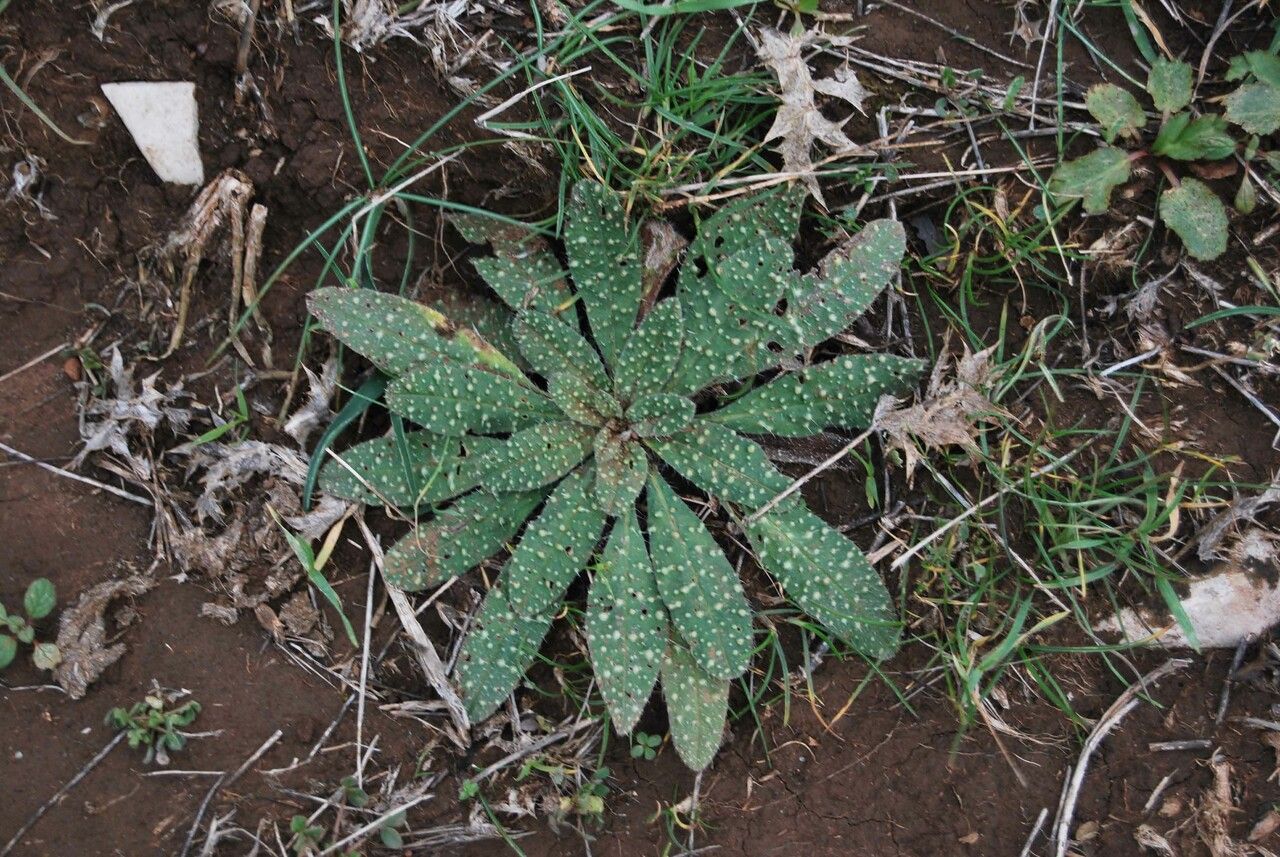
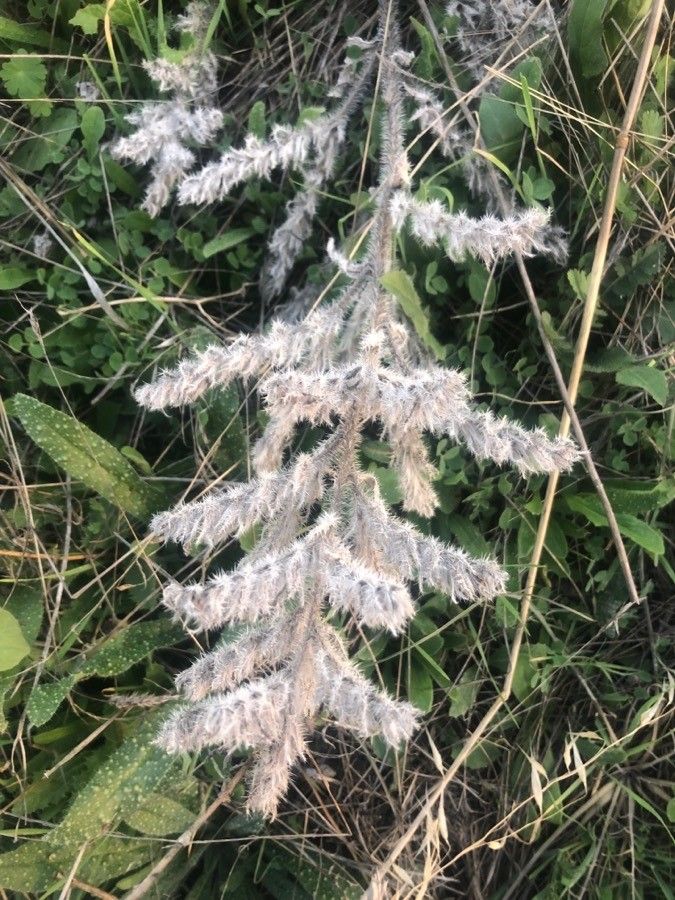
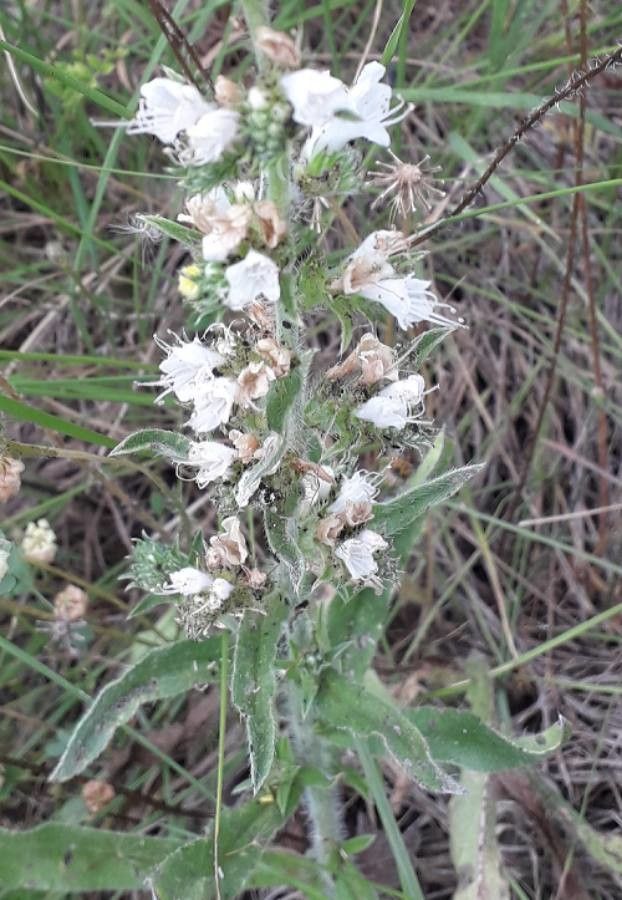
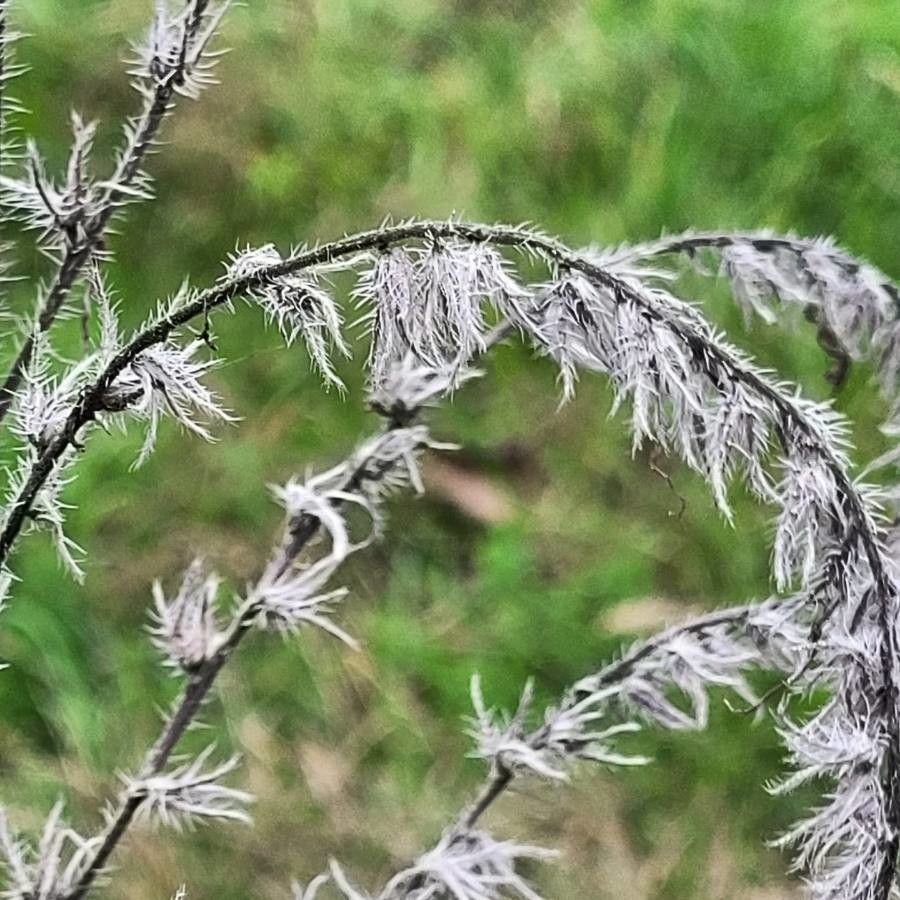
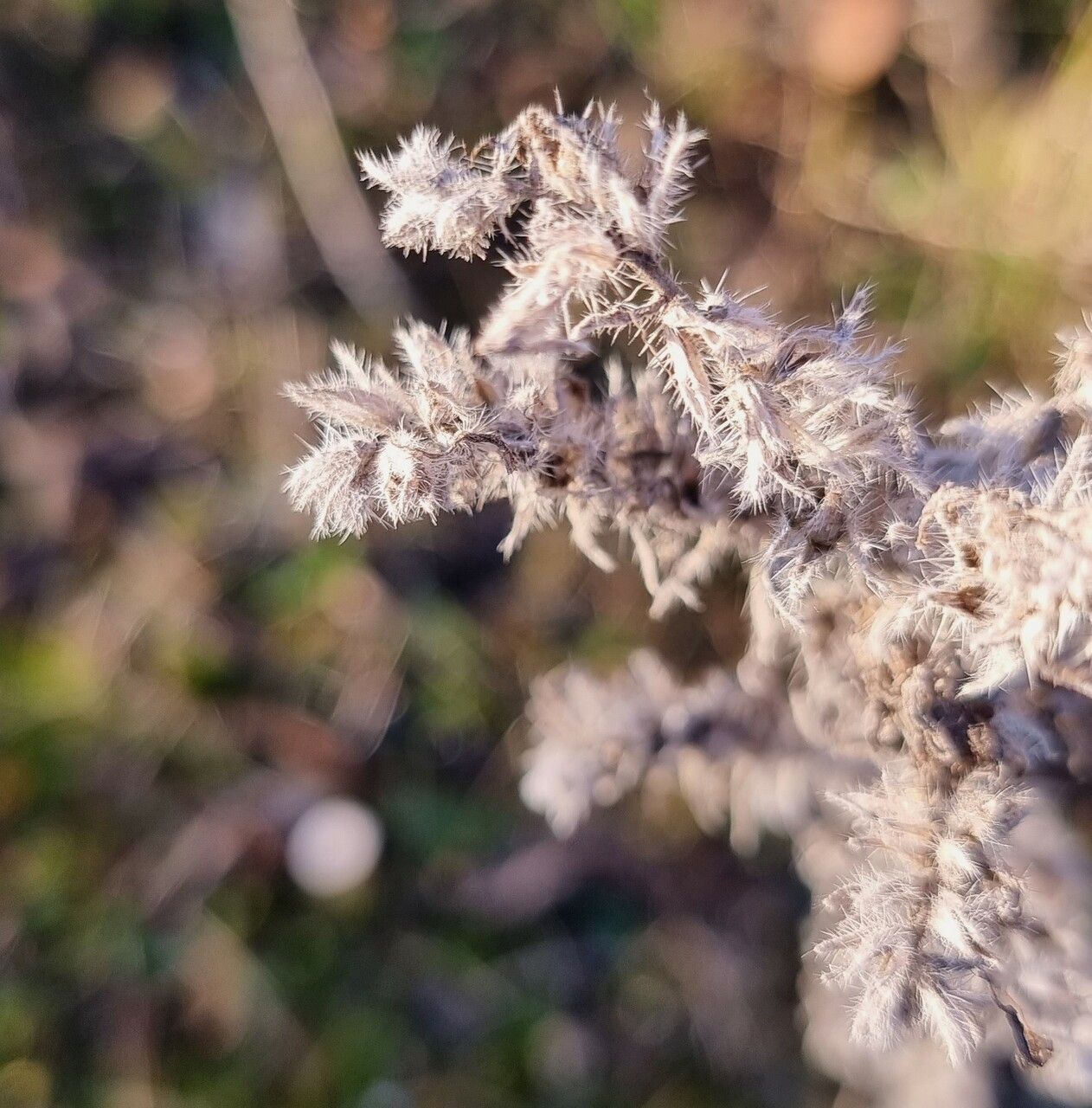
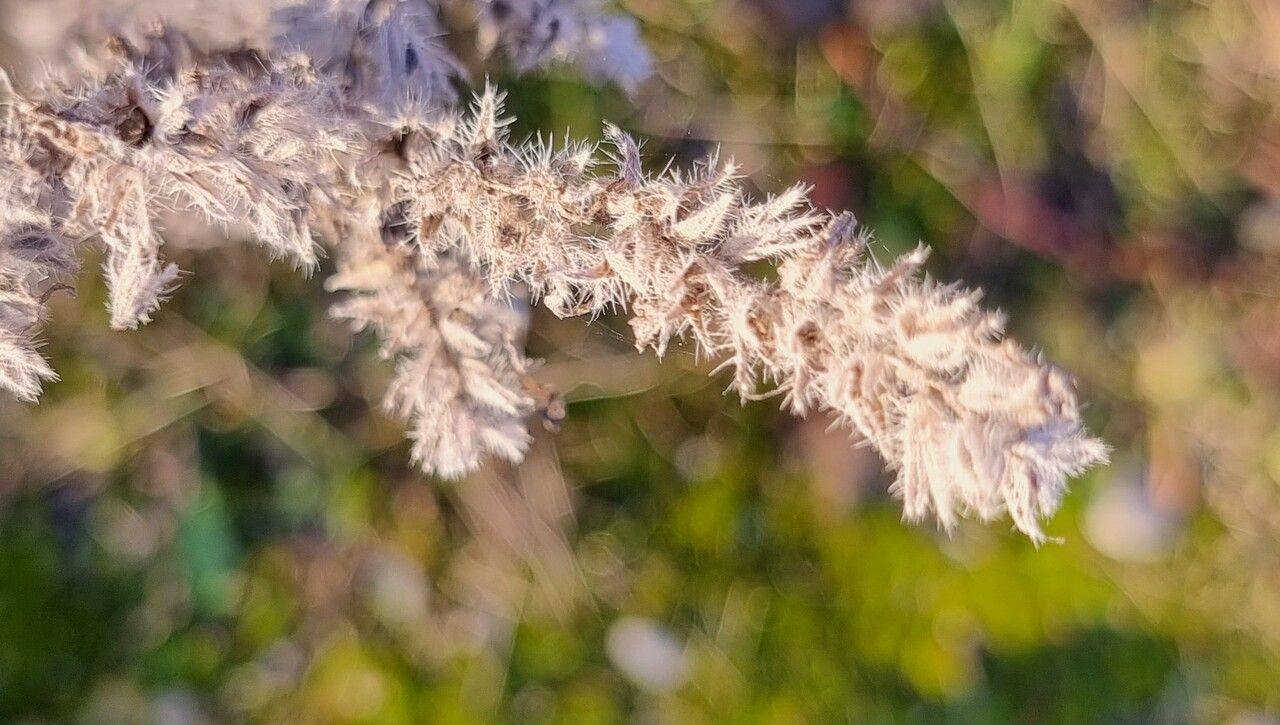
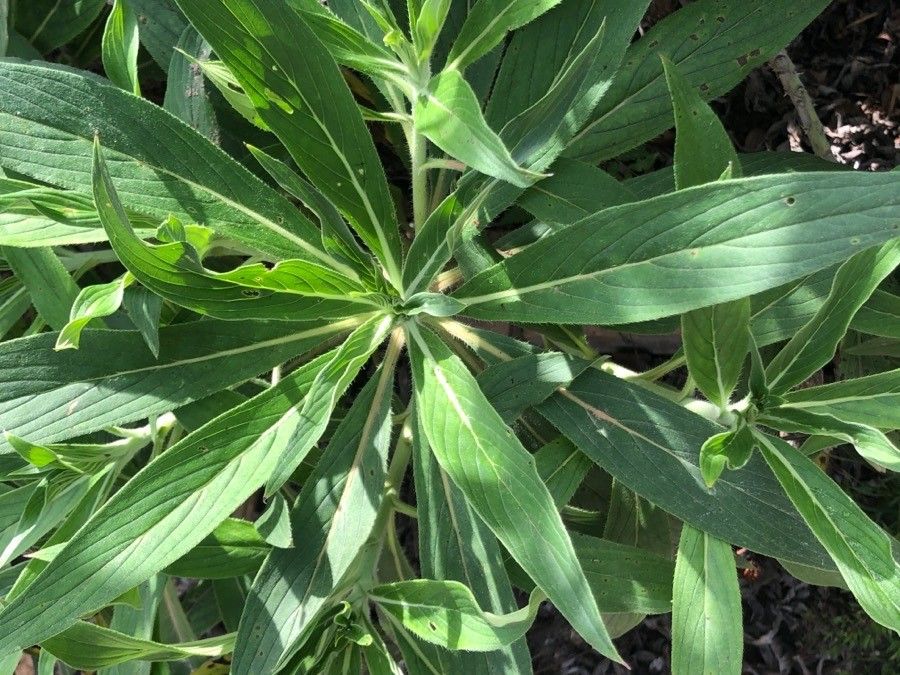
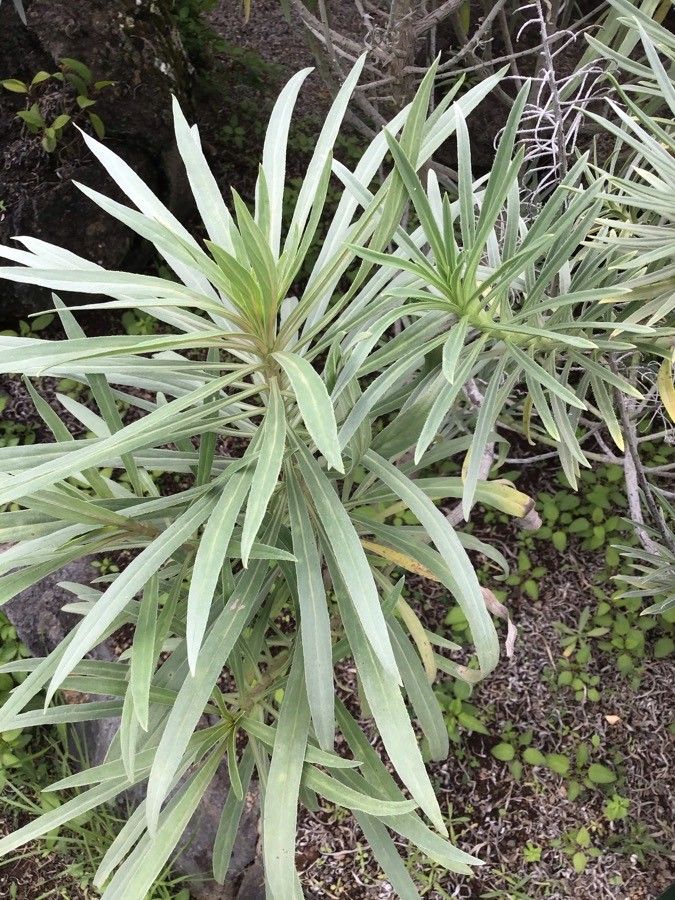
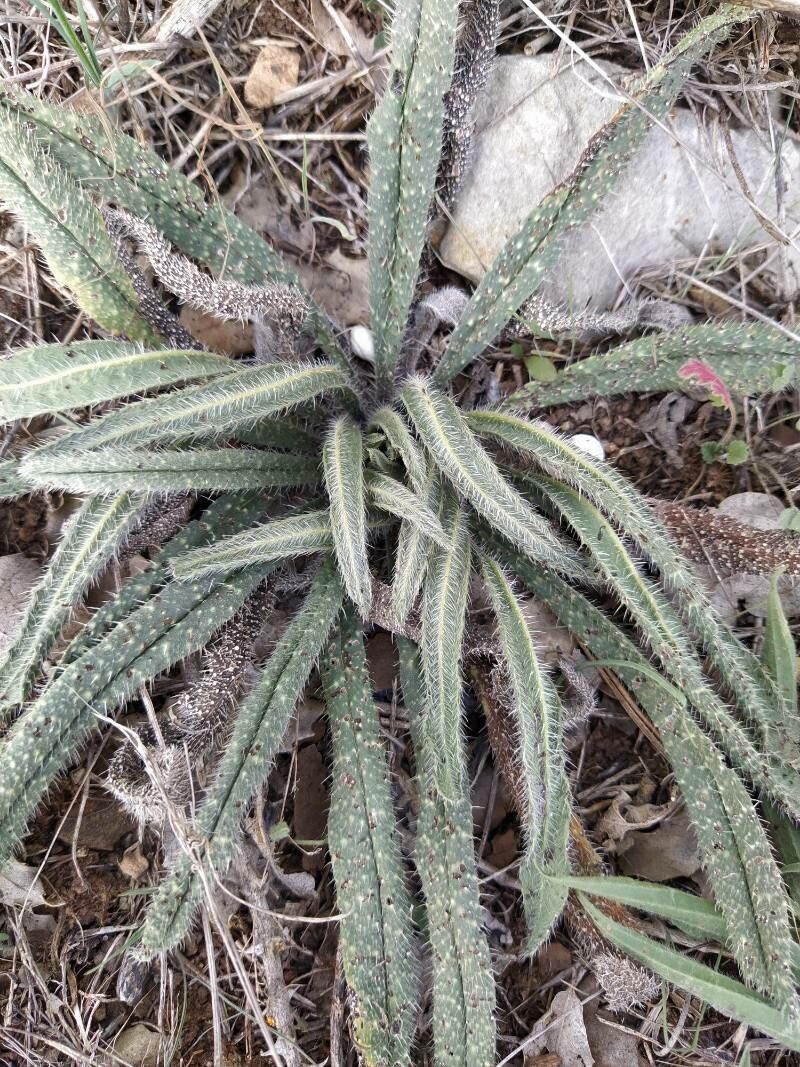
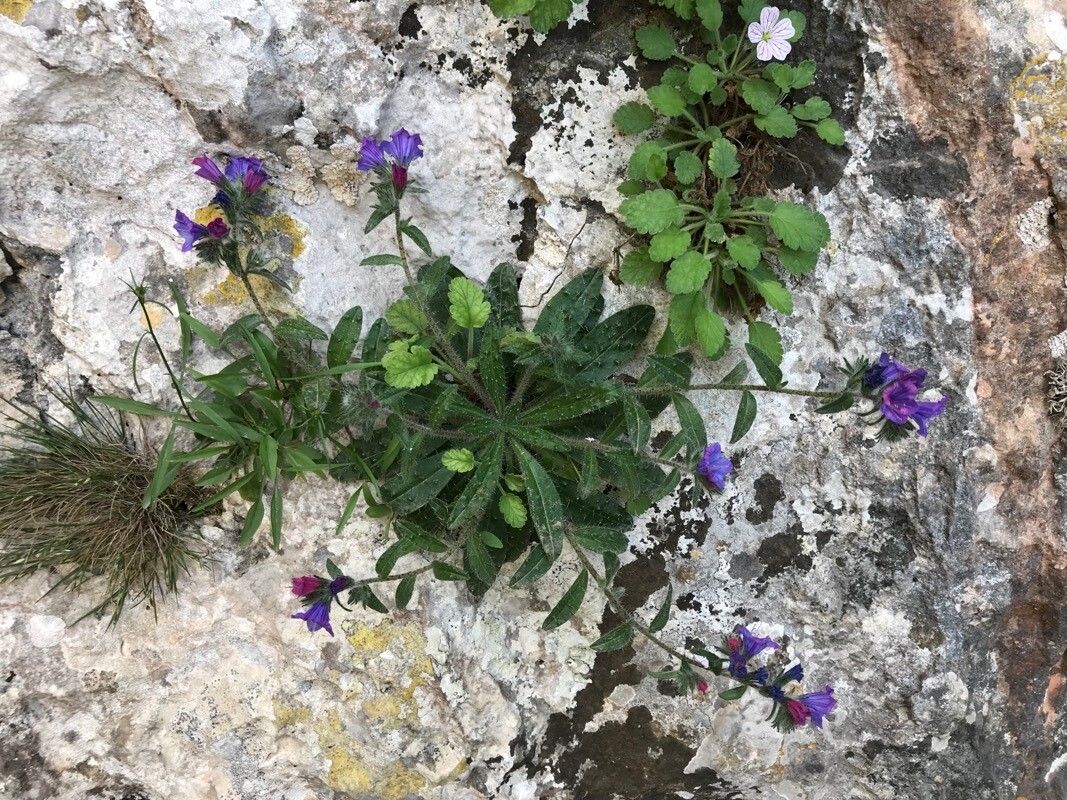
Echium italicum, also known as Italian viper's bugloss, is a perennial herbaceous plant in the Boraginaceae family. Native to the Mediterranean region, it thrives in rocky and dry habitats. The plant can reach a height of up to 60 cm and features lance-shaped leaves covered with fine hairs.
The flowers of Echium italicum are bell-shaped and blue-purple in color. They bloom from late spring to early summer and are arranged on a spike-like inflorescence that can grow up to 30 cm long. These nectar-rich blooms attract bees and other pollinators.
Historically, Echium italicum has been used for its anti-inflammatory properties in traditional medicine. Additionally, its blue-purple pigments have served as a natural dye for textiles.
In gardens, Echium italicum is often cultivated as an ornamental plant due to its attractive flowers and foliage. It thrives in well-drained soil and prefers full sun or partial shade.
Overall, Echium italicum is an intriguing plant that offers both medicinal benefits and ornamental appeal, adding beauty wherever it is found.
Pale bugloss has good disease resistance and is generally not prone to illness. However, it can be vulnerable to pests and diseases present in its surroundings; such infections are usually mild. For care, this plant requires a moderate level of maintenance. It should be pruned regularly to preserve a neat appearance and support healthy growth. Fertilizing can also help encourage flowering. Pale bugloss is suitable for anyone with outdoor space, like a garden or patio, and does not demand extensive care experience. It may need more attention when grown indoors.
How to keep Echium Italicum.
Light
Pale bugloss performs best in plentiful sunlight, reflecting the bright conditions of its native environments. Its healthy growth is closely linked to light intensity. Limited sunlight can restrict its growth potential, although it can tolerate spots with moderate shade. Both excessive and insufficient sunlight can harm its development.
Water
Pale bugloss, a plant native to Mediterranean climates, is well-adapted to dry conditions and only needs moderate watering. Typically, it requires watering once a week. In xeric landscapes, where water conservation is important, pale bugloss thrives outdoors due to its deep root system, which efficiently uses available water during the growing season.
Temperature
Pale bugloss originates from warm regions and performs best at 68 to 95 °F (20 to 35 ℃). In cooler areas, consider modifying its seasonal care to maintain that preferred temperature range, especially during winter.
Fertilizer
Pale bugloss are regarded as heavy feeders in terms of nutrients. They need frequent, low-dose applications of nitrogen and potassium fertilizers and periodic additions of phosphorus, micronutrients, sulfur, and magnesium to sustain good growth and bright coloration. Continuous fertilization throughout the growing season is needed to prevent deficiency symptoms and maintain optimal growth.
Pruning
Pale bugloss is characterized by its tall floral spikes and lance-shaped leaves. To promote healthy growth, prune any dead stems in early spring and shape the plant in late spring to encourage a second bloom. Additionally, remove spent stalks to prevent self-seeding. Regular pruning not only improves airflow and reduces the risk of disease but also enhances the plant's vigor. Always use clean, sharp tools when pruning.
Botanical profile.
- Plant Type
- Herb
- Life Cycle
- Biennial, Perennial
- Genus
- Echium
- Family
- Boraginaceae
- Hardiness Zone
- 7
- Mature Height
- 40 cm to 91 cm
- Mature Spread
- 30 cm to 61 cm
- Leaf Color
- Gray, Green
- Leaf Type
- Evergreen
- Flower Color
- White, Pink
- Flower Size
- 1.02 cm to 1.52 cm
- Bloom Time
- Late spring, Early summer, Mid summer
- Planting Time
- Spring, Summer, Autumn
- Harvest Time
- Mid summer, Late summer, Early fall
Other names.
Reader questions.
How should I water my Pale bugloss plant?
When watering the Pale bugloss, it is best to use filtered water at room temperature. Tap water may have harmful particles, so filtered water is preferred. The water should be at or slightly warmer than room temperature because the Pale bugloss is used to a warm environment and cold water can shock it. Avoid overhead watering as it can cause issues with the foliage. Instead, apply filtered room temperature water directly to the soil until it is fully saturated. This helps moisten the roots and supports their spread in the soil to gather essential nutrients.
Why should I use fertilizer on my Pale bugloss plant?
Pale bugloss, known for their colorful and leafy foliage, require nitrogen and potassium for rapid foliage growth and root development to anchor them into the soil. Additionally, nitrogen helps promote taller and fuller plants.
What are the sun requirements for Pale Bugloss?
Pale Bugloss, also known as Echium italicum, requires specific sunlight conditions for optimal growth. It thrives best in full sun, which means it needs above 6 hours of sunlight daily. However, it can also grow well in partial sun, receiving about 3-6 hours of sunlight. It's important to observe the movement of sunlight through your garden to find spots that offer the right balance of light and shade, ensuring the plant's health and happiness.
What is the native climate of pale bugloss?
Pale bugloss, also known as Echium italicum, is native to warmer climates. It thrives in temperatures ranging between 68 to 95 °F (20 to 35 °C). For those living in colder regions, it's important to adjust seasonal care to ensure the plant remains within its preferred temperature range, especially during the winter months.
If I give my Pale bugloss plant too much or too little water, what should I do?
Overwatering is a common issue that can harm your Pale bugloss plant. When the plant receives too much water, its stems and leaves wilt and turn yellow. Overwatering over time can also lead to diseases like root rot, mold, and mildew, which can kill the plant. Underwatering is less common but still possible. When it occurs, the leaves of the Pale bugloss become brittle and brown. It's crucial to notice signs of overwatering early to prevent irreversible damage. Reduce watering if you see these signs and consider improving the soil's drainage. If the plant is underwatered, simply increase watering until the signs improve.
When should I put fertilizer on my Pale bugloss?
Pale bugloss are categorized as heavy feeders because they grow quickly, have large leaves, and a high water content. This means they require a lot of nutrients. To prevent deficiency symptoms and ensure proper growth, fertilizer is needed throughout the entire growing season, from germination to senescence. Previously, it was believed that as Pale bugloss plants started changing color in the fall, their nutrient requirements significantly decreased, allowing for a reduction or suspension of fertilizer applications. However, research has shown that providing small amounts of nitrogen fertilizer after maturity can be beneficial. This minimal fertilization will not have a significant impact on coloration, but it will help prevent the bottom leaves from turning yellow and falling off.
How essential is sunlight for the growth of Pale Bugloss?
Sunlight is crucial for the healthy growth of Pale Bugloss, mirroring its origin in environments where bright light is abundant. This plant's growth is significantly influenced by light intensity, with minimal sunlight potentially hindering its development. While Pale Bugloss can survive in moderate shade, its well-being depends on sufficient light exposure. Both overexposure and underexposure to sunlight can adversely affect its growth, emphasizing the need for a balanced light environment.
Does pale bugloss require special frost protection measures?
Pale bugloss has strong cold resistance, which generally eliminates the need for special frost protection measures during winter. However, if temperatures are expected to drop below -15°C, providing cold protection becomes essential. This can be achieved by covering the plant with soil or straw. Additionally, watering the plant abundantly before the first freeze in autumn helps to keep the soil moist and prevents drought and water scarcity during winter and early spring.
How often should I give water to my Pale bugloss?
If your Pale bugloss plant is in a pot, the most precise way to check if it needs water is by sticking your finger into the soil. If the top two to three inches of soil feel dry, it's time to water it. If you're growing your Pale bugloss outdoors in the ground, you can use the same method to test the soil. When the top few inches of soil have dried out, it's time to water it. Normally, during the spring and early fall, watering once a week will be sufficient. However, when it's extremely hot, you may need to water it twice or more per week. Nevertheless, mature and well-established Pale bugloss plants have an impressive ability to withstand drought.
When is it not a good idea to fertilize my Pale bugloss plant?
Fertilizer can sometimes harm Pale bugloss, particularly when the plant is already stressed. It's best to avoid fertilizing if the plant is dealing with diseases (leaf spot, black rot, or blackleg) or insect issues such as aphids, spider mites, or whiteflies. Adding fertilizer can weaken the plant's defenses, making it more susceptible to pests or diseases. Additionally, don't fertilize when the soil surface is hardened or overly dry, as this increases the risk of root burn. To prevent this, first water the potting soil to make it slightly moist, and then apply the fertilizer.
Can artificial lighting be used for Pale Bugloss, and how?
Yes, artificial lighting can be a viable option for Pale Bugloss, especially when natural sunlight is insufficient, such as during winter or in less sunny spaces indoors. For optimal growth under artificial lights, follow these guidelines: Select LED lights, which are optimal as they can be customized to provide specific wavelengths needed by your plants. Full sun plants require 30-50W/sq ft, partial sun plants need 20-30W/sq ft, and full shade plants should have 10-20W/sq ft of artificial light. Position the light source 12-36 inches above the plant to simulate natural sunlight, and ensure the plants receive 8-12 hours of light per day to mimic natural daylight hours.
How does pale bugloss react to low temperatures?
Pale bugloss is quite cold-tolerant and performs best when temperatures are above 20°C. Throughout the winter, it's crucial to ensure the temperature remains above 0°C. When temperatures fall below -15°C, the plant might not show immediate changes, but there can be a noticeable decrease in sprouting or even a complete lack of sprouting in spring. If this occurs, it is recommended to remove any parts of the plant that have failed to sprout in the spring.