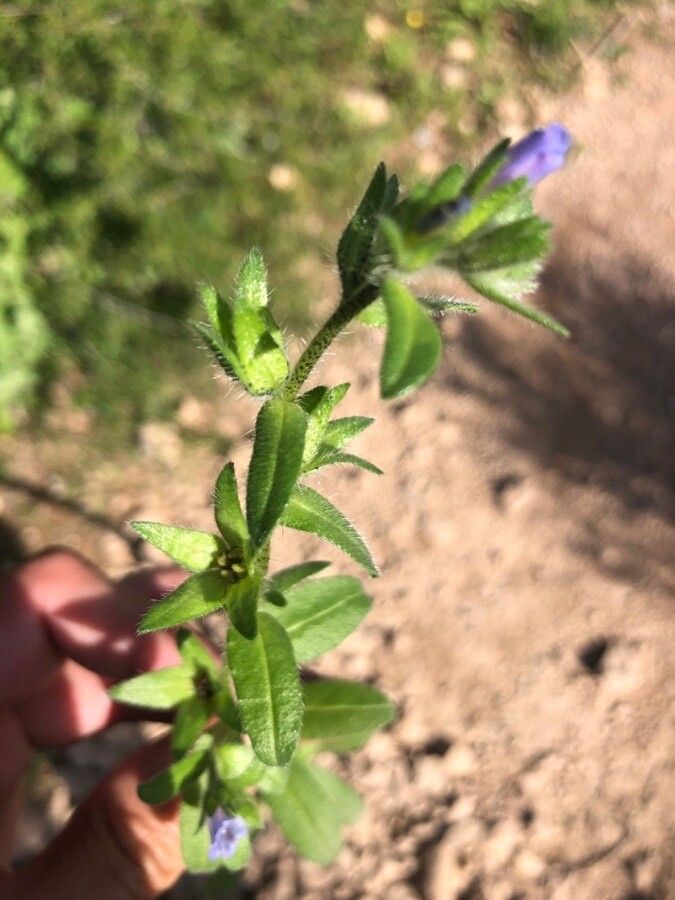
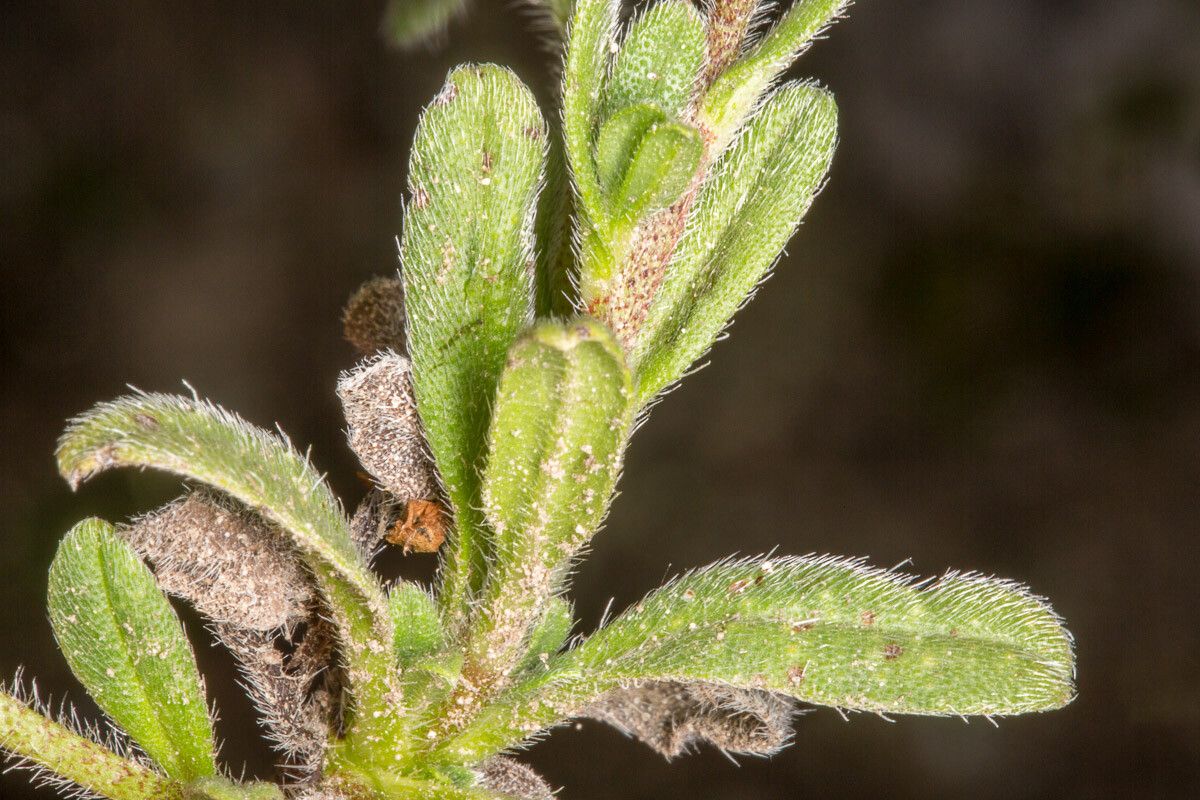
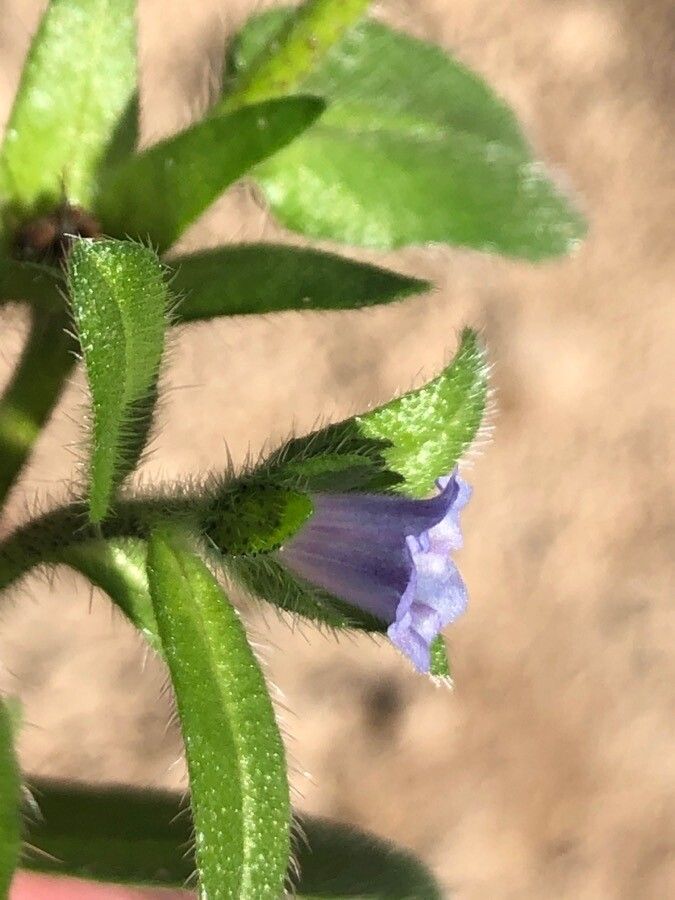
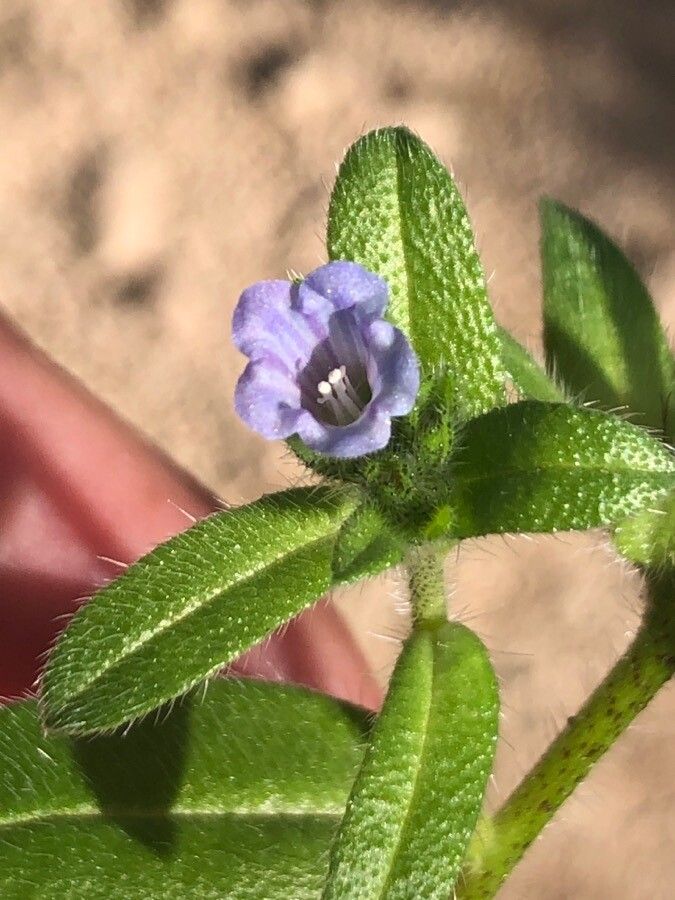
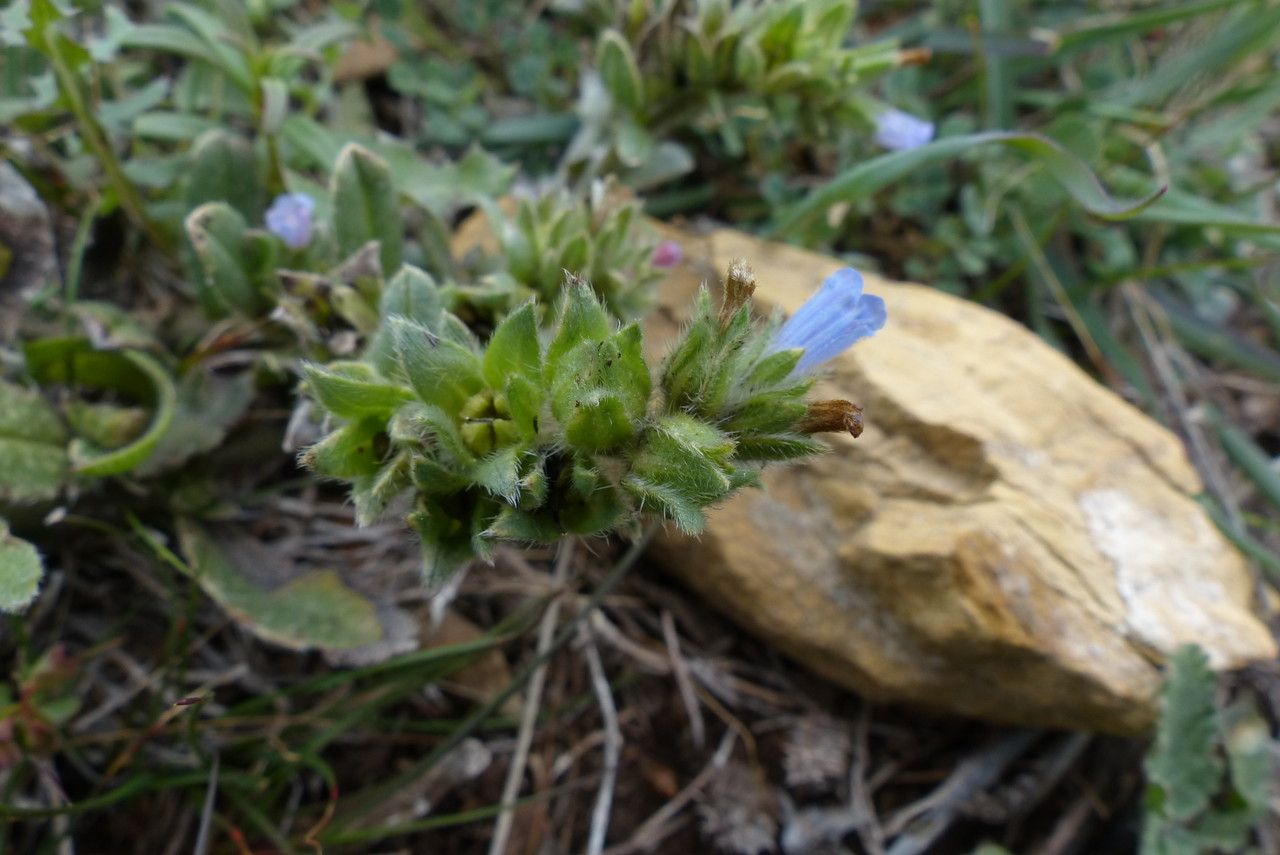
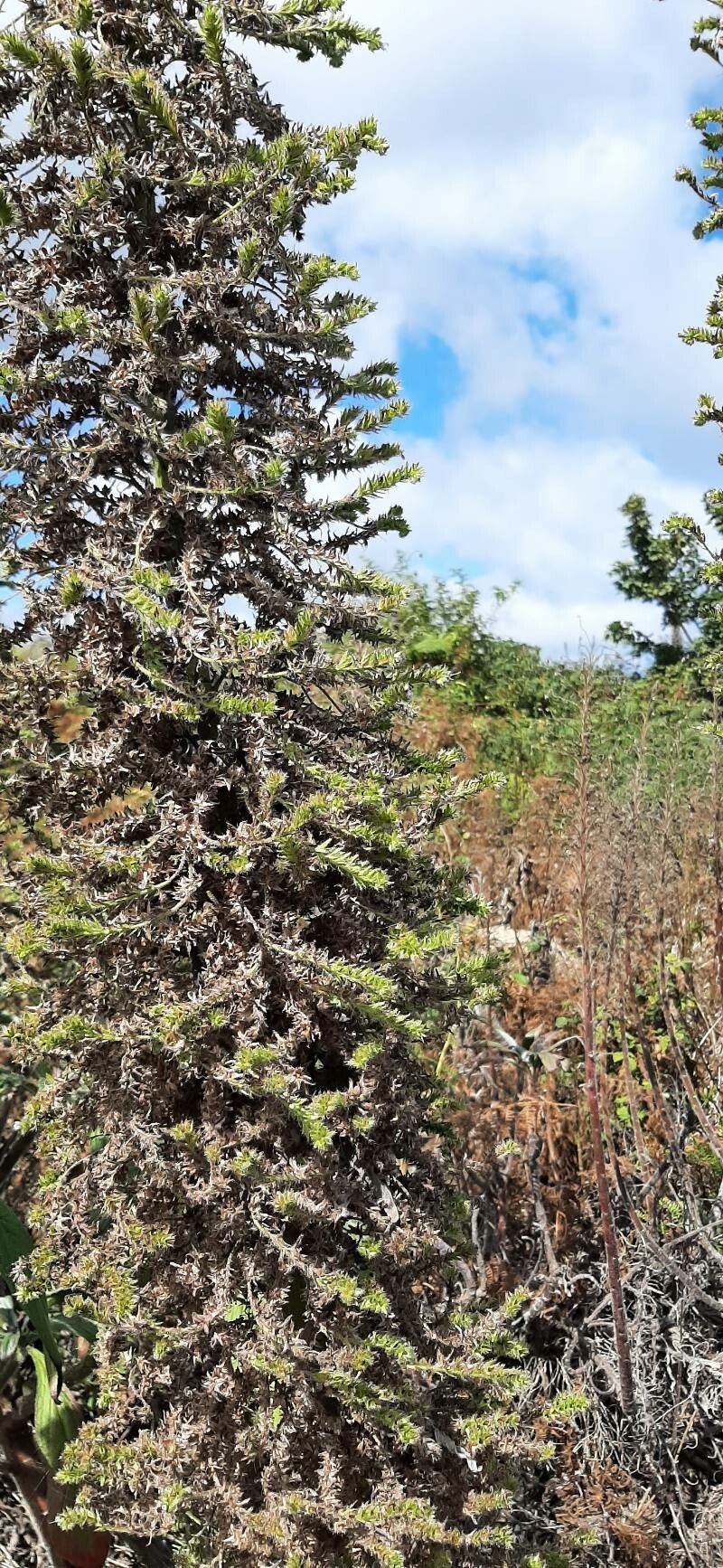
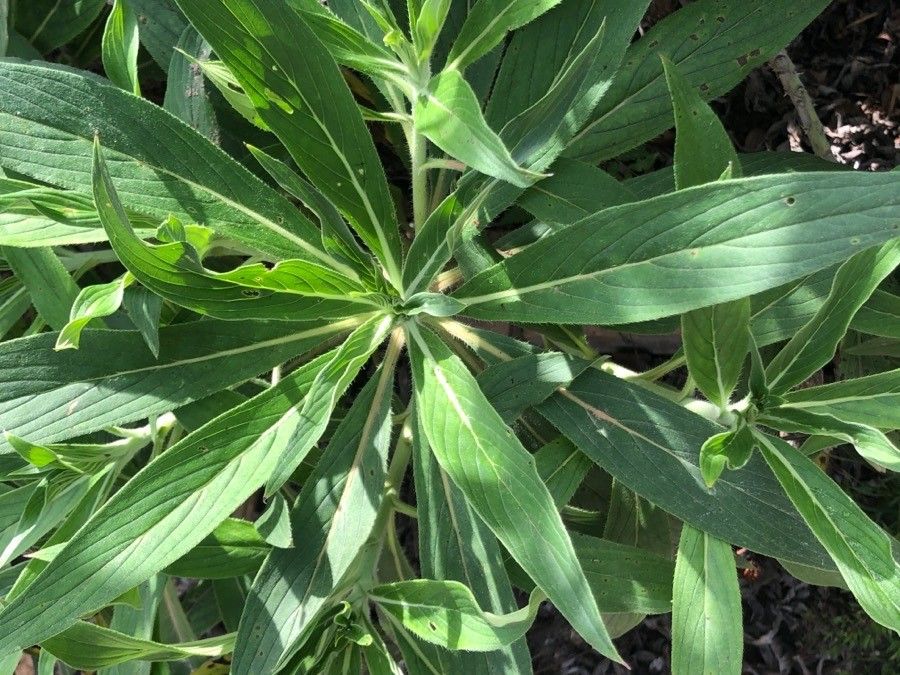
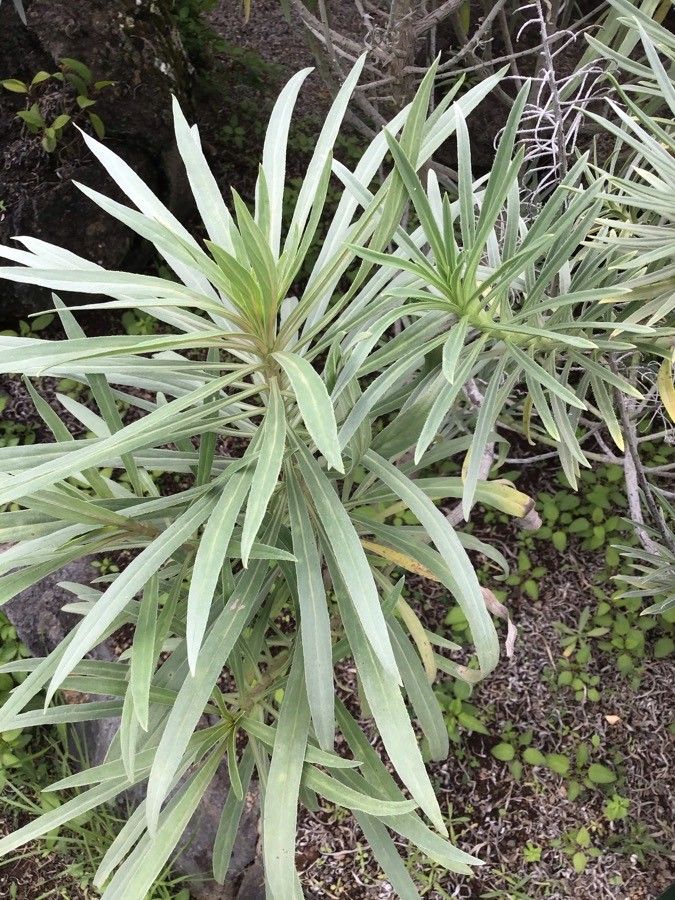
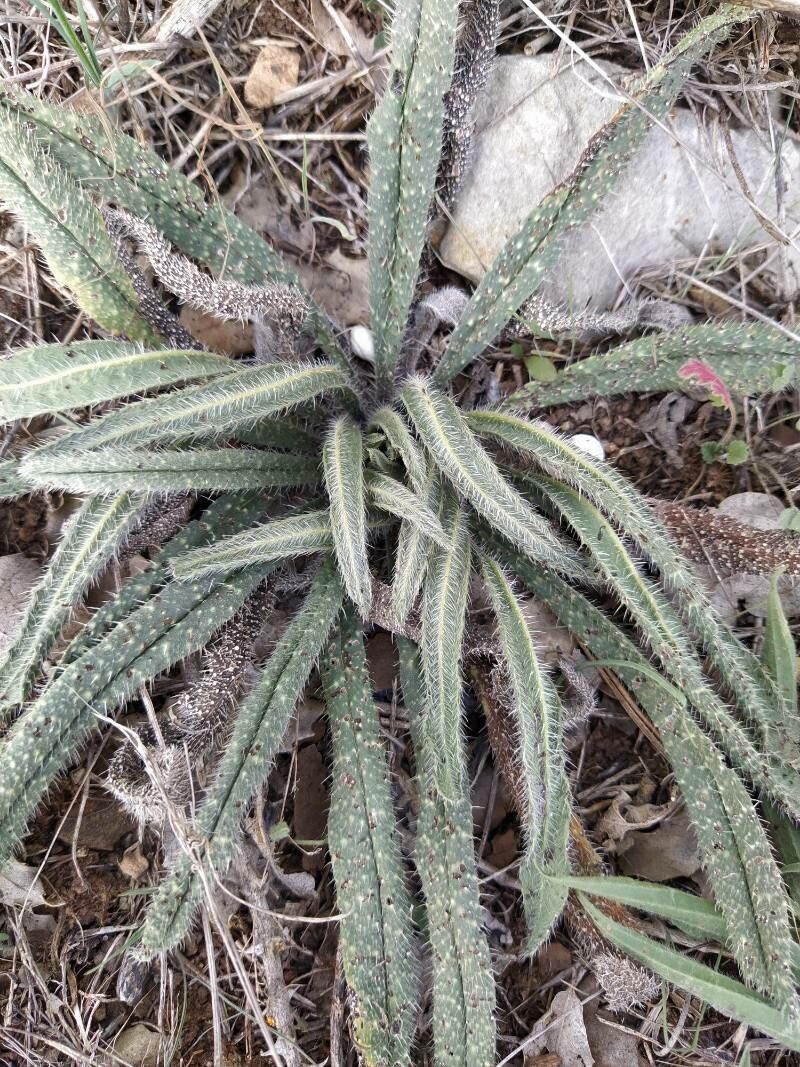
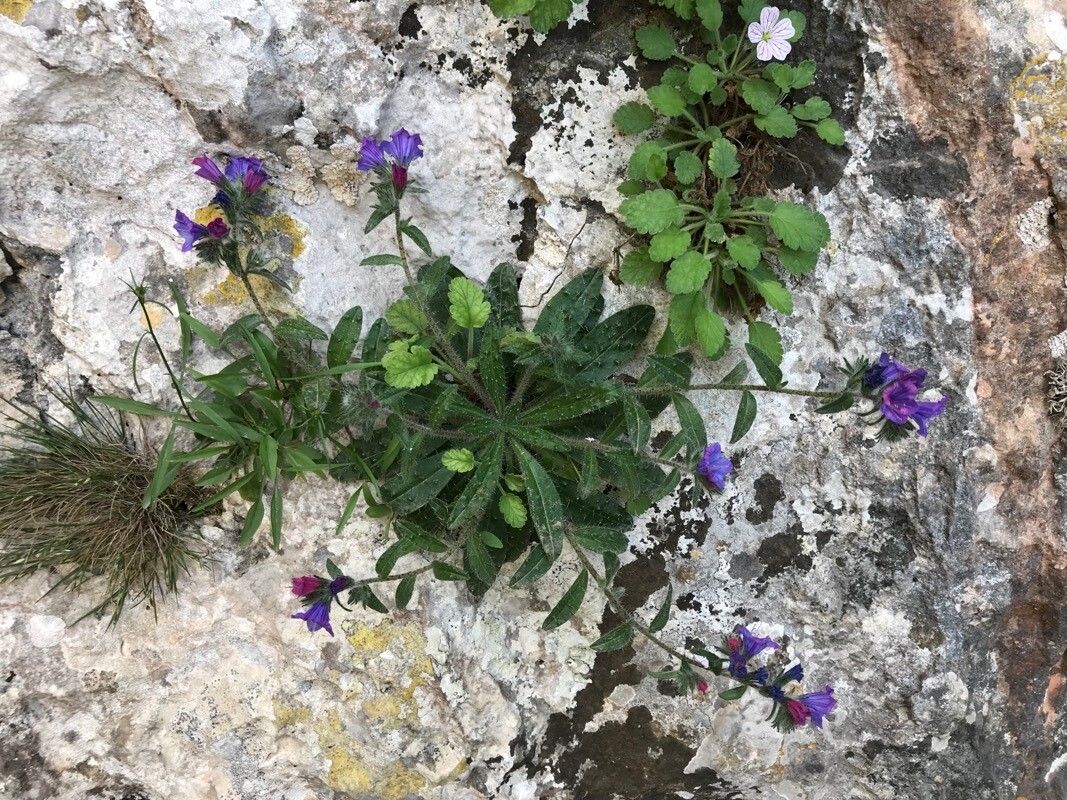
Echium creticum, the Cretan viper's bugloss, (syn. Echium calycinum Viv., Echium rubrum Moench, Echium sericeum Vahl, Echium violaceum L.) is a species of flowering plant in the family Boraginaceae. It is native to the western Mediterranean Basin. It is also used as an ornamental plant.
Small-flowered bugloss has strong disease resistance and is generally not prone to illnesses. However, it can be vulnerable to pests and diseases present in its surroundings. These infections are typically not severe. Regarding care, this plant requires medium maintenance. It should be pruned regularly to maintain an attractive appearance and healthy growth. Fertilizing can also help encourage flowering. Small-flowered bugloss is suitable for anyone with an outdoor space, such as a garden or patio, and does not need much prior gardening experience. It may require extra care when grown indoors.
How to keep Echium Parviflorum.
Light
Small-flowered bugloss comes from bright, open habitats and flourishes in full sun. It can tolerate partial sun but favors direct sunlight for best growth. This plant, which can be annual or biennial, is noted for its sun-loving nature.
Water
Small-flowered bugloss is a drought-tolerant plant that thrives with minimal water once it is established. It requires approximately 1 inch of rainfall per week. When grown in pots, the plant needs daily sunlight, which can cause the soil to dry out quickly. To ensure proper hydration, water the plant when the top 2 inches of soil feel dry to the touch.
Temperature
Small-flowered bugloss can tolerate a wide variety of temperatures, but its range may still be restricted by particular combinations of moisture and heat. It performs best in warm summer conditions with sufficient rainfall or irrigation. Extended stretches of cloudy, rainy weather or prolonged high temperatures can raise the risk of Small-flowered bugloss dying. In winter, providing adequate protection from the cold can increase the plant's chances of survival.
Fertilizer
Small-flowered bugloss are considered heavy feeders in terms of nutrients. They need frequent, low doses of nitrogen and potassium fertilizers and periodic applications of phosphorus, micronutrients, sulfur, and magnesium to maintain good growth and bright coloration. Continuous fertilization throughout the growing season is required to prevent deficiency symptoms and maintain optimal growth.
Pruning
Small-flowered bugloss showcases vibrant, petite blossoms and is a hardy plant. To promote healthy growth, prune it in early spring by removing any dead or damaged stems. Light shaping can help maintain its compact form. Be sure to sterilize your tools before pruning to prevent the spread of disease. This not only enhances the plant’s appearance but also encourages vigorous blooming and overall health.
Botanical profile.
- Plant Type
- Herb
- Life Cycle
- Biennial
- Genus
- Echium
- Family
- Boraginaceae
- Hardiness Zone
- 9-11
- Mature Height
- 30 cm to 61 cm
- Mature Spread
- 20 cm to 40 cm
- Leaf Color
- Green, Dark Green
- Leaf Type
- Evergreen
- Flower Color
- Blue, Purple
- Flower Size
- 0.51 cm to 0.76 cm
- Bloom Time
- Mid spring, Late spring, Early summer
- Planting Time
- Spring, Summer
- Harvest Time
- Summer
- Native Area
- Libya, Turkey, Tunisia, Syria, Italy, Spain, Albania, Algeria, Greece, Croatia, Morocco, France
Other names.