Eichhornia crassipes
Common water hyacinth · Lilac-devil · Water-hyacinth · Floating water hyacinth · Floating waterhyacinth
Description
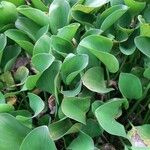
Source: leafsnapEichhornia crassipes, commonly known as water hyacinth, is a free-floating aquatic plant native to South America. This plant has become highly invasive in many regions due to its rapid growth and its ability to form dense mats on water surfaces. The plant features thick, glossy leaves arranged in rosettes and produces striking lavender-blue flowers on spikes above the water's surface. Water hyacinth can grow up to one meter in height and reproduces quickly through vegetative propagation or seed production. While water hyacinth may appear aesthetically pleasing, it poses a serious threat to aquatic ecosystems by depleting oxygen levels and blocking sunlight from reaching plants beneath the water's surface. Various efforts are being made worldwide to control its spread. Methods include mechanical removal and biological control using natural predators, such as weevils or moths, which feed on the plant's leaves and stems.
🌳 Water hyacinth has been used in a variety of inventive ways despite its reputation as an invasive species. Unexpectedly, its fibrous structure shows promise for furniture manufacturing, potentially being turned into an eco-friendly material for producing panels and upholstery. Moreover, because of its high protein content and rapid growth, water hyacinth could be a potential alternative for animal feed, helping to meet nutritional needs in a sustainable way.
🎭 Lighthearted, Charm
Care Guide
💧 Water Every 3 days
☀️ Light Full sun
Water hyacinth does best with abundant sunlight, though it can tolerate dimmer conditions. This characteristic reflects its natural environment, where the plant grows beneath open skies. Very strong sunlight can speed up its growth and promote invasive behavior, while lower light levels may slow its development.
What are the sunlight requirements for water hyacinth?
Water hyacinth requires above 6 hours of sunlight to be considered in full sun conditions, and about 3-6 hours of sunlight for partial sun conditions. It's essential to observe the movement of sunlight through your garden to find spots that offer the right balance of light and shade for your plants, ensuring their growth and happiness. Water hyacinth can thrive in ample sunlight but manages well in less-lit conditions as well, reflecting its adaptability to different environments. However, excessive sunlight can encourage rapid growth and potentially invasive behavior, whereas insufficient light may impede its growth.
How can artificial lighting support water hyacinth growth indoors?
Artificial lighting plays a crucial role in supporting water hyacinth growth indoors, especially when natural sunlight is insufficient. Indoor plants can benefit significantly from adequate lighting to maintain optimal growth. In conditions such as winter or less sunny spaces, artificial lights like LED offer a vital solution by providing the specific wavelengths of light needed by plants. For full sun plants, 30-50W/sq ft of artificial light is recommended, while partial sun plants require 20-30W/sq ft, and full shade plants need 10-20W/sq ft. It's also important to place the light source 12-36 inches above the plant to mimic natural sunlight and to mimic the natural daylight duration, generally providing 8-12 hours of light per day.
What are the symptoms of light deficiency in water hyacinth?
Water hyacinth may exhibit subtle signs of light deficiency when grown in insufficient lighting conditions, often indoors. These symptoms can include smaller new leaves compared to older ones, leggy or sparse growth due to longer spaces between leaves or stems, and faster leaf drop as the plant conserves resources. Additionally, the plant may experience slowed or halted growth, lighter-colored new leaves indicating a lack of chlorophyll, and chlorosis where leaves turn yellow. Conditions of excessive sunlight can lead to symptoms like sunscald, leaf curling, wilting, and leaf scorching, all of which harm the plant's health and growth.
How can I improve light conditions for my water hyacinth?
To optimize growth for water hyacinth, gradually acclimate the plant to receive at least 6 hours of direct sunlight daily by moving it to a sunnier location each week. For indoor plants, use a south-facing window for maximum sunlight or consider artificial lighting solutions such as desk, ceiling lamps, or professional plant grow lights for at least 8 hours daily. For outdoor plants, finding the best sunlight spot and avoiding abrupt changes in light intensity is crucial to prevent sunburn. Moreover, reducing obstructions like pruning trees or transplanting smaller plants during their dormant period to areas with ample sunlight can significantly improve light conditions.
🌡️ Temperature 20–41.1°C
Water hyacinth originates from tropical and subtropical areas, where temperatures range from 20 ℃ to 41 ℃ (68 ℉ to 106 ℉). It thrives in warm water and prefers temperatures of 25 ℃ to 30 ℃ (77 ℉ to 86 ℉). In cooler regions, maintaining the water temperature above 20 ℃ (68 ℉) can aid its growth.
What is the native temperature range for Water Hyacinth?
Water Hyacinth, scientifically known as Eichhornia crassipes, is native to tropical and subtropical regions where it thrives in temperatures between 20°C to 41°C (68°F to 106°F). It prefers warm water, with an optimal temperature range of 25°C to 30°C (77°F to 86°F). However, it is vital to maintain the water temperature above 20°C (68°F), especially in cooler regions, to support its growth. This plant loves heat and can be adversely affected by cold temperatures. During autumn, it is advisable to move Water Hyacinth grown outdoors indoors, placing it near a bright window but away from direct heat sources. Keeping the temperature above 20°C during the winter months is crucial for the plant's survival, as temperatures nearing 0°C are harmful.
How does Water Hyacinth react to low temperatures and how can it be protected?
Water Hyacinth prefers warm environments and is susceptible to damage in low temperatures, thriving best when the temperature is above 20°C. It is not tolerant of temperatures falling below -5°C, at which point the leaves may start to lighten in color before turning brown or black after frost damage, showing signs of wilting and drooping. To protect Water Hyacinth from cold damage, any frost-damaged parts should be trimmed off, and the plant should be moved indoors to a warmer area immediately. Positioning the plant near a south-facing window can ensure it receives enough sunlight while avoiding direct placement near heaters or air conditioning vents to prevent air dryness, which could further stress the plant.
What measures should be taken if Water Hyacinth is exposed to high temperatures?
During the summer months, it's important to keep Water Hyacinth below 41°C to avoid heat stress. Exposure to temperatures above 45°C can lighten the color of the leaves and make the plant more prone to sunburn. If the plant suffers from sunburn, the sunburned and dried-up parts should be trimmed away. Relocating the plant to an area with shade, especially from the midday and afternoon sun, can protect it from further damage. Additionally, watering the plant in the morning and evening will help keep the soil adequately moist and support the plant's health under high temperature conditions.
💨 Humidity
🪴 Soil
🌱 Fertilizer
🪴 Pot & Repot Every 2 years
✂️ Pruning
🌿 Propagating
🐛 Diseases & pets
☠️ Toxicity
Characteristics
- Plant Type
- Herb
- Life Cycle
- Perennial, Annual
- Genus
- Eichhornia
- Family
- Pontederiaceae
- Hardiness Zone
- 9-13
- Mature Height
- 15 cm to 23 cm
- Mature Spread
- 2.13 m
- Leaf Color
- Green
- Leaf Type
- Evergreen, Semi-evergreen
- Flower Color
- Lavender
- Flower Size
- 3.56 cm to 5.08 cm
- Bloom Time
- Late spring, Early summer, Mid summer
- Planting Time
- Spring
- Harvest Time
- Summer
- Native Area
- Brazil