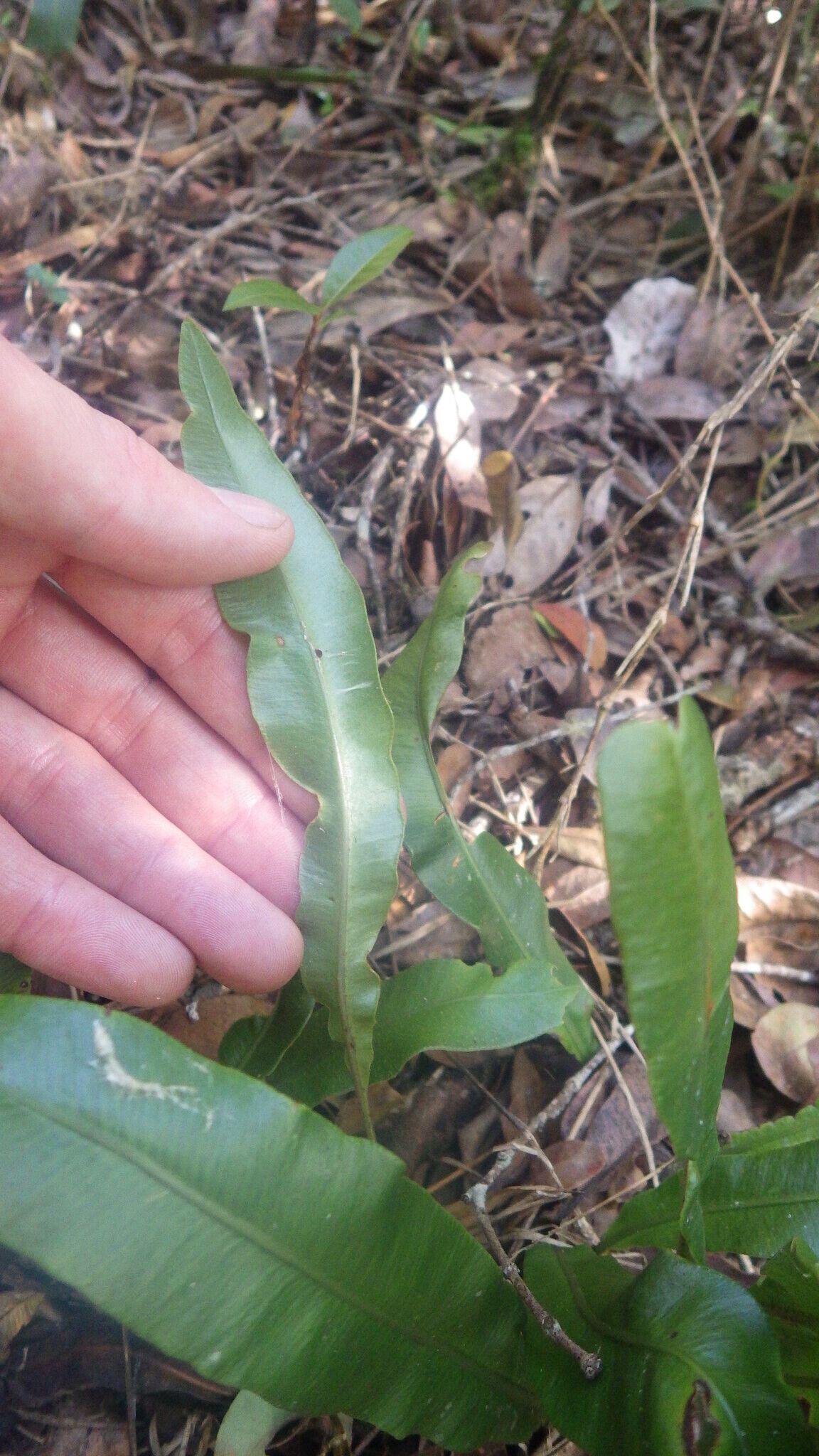
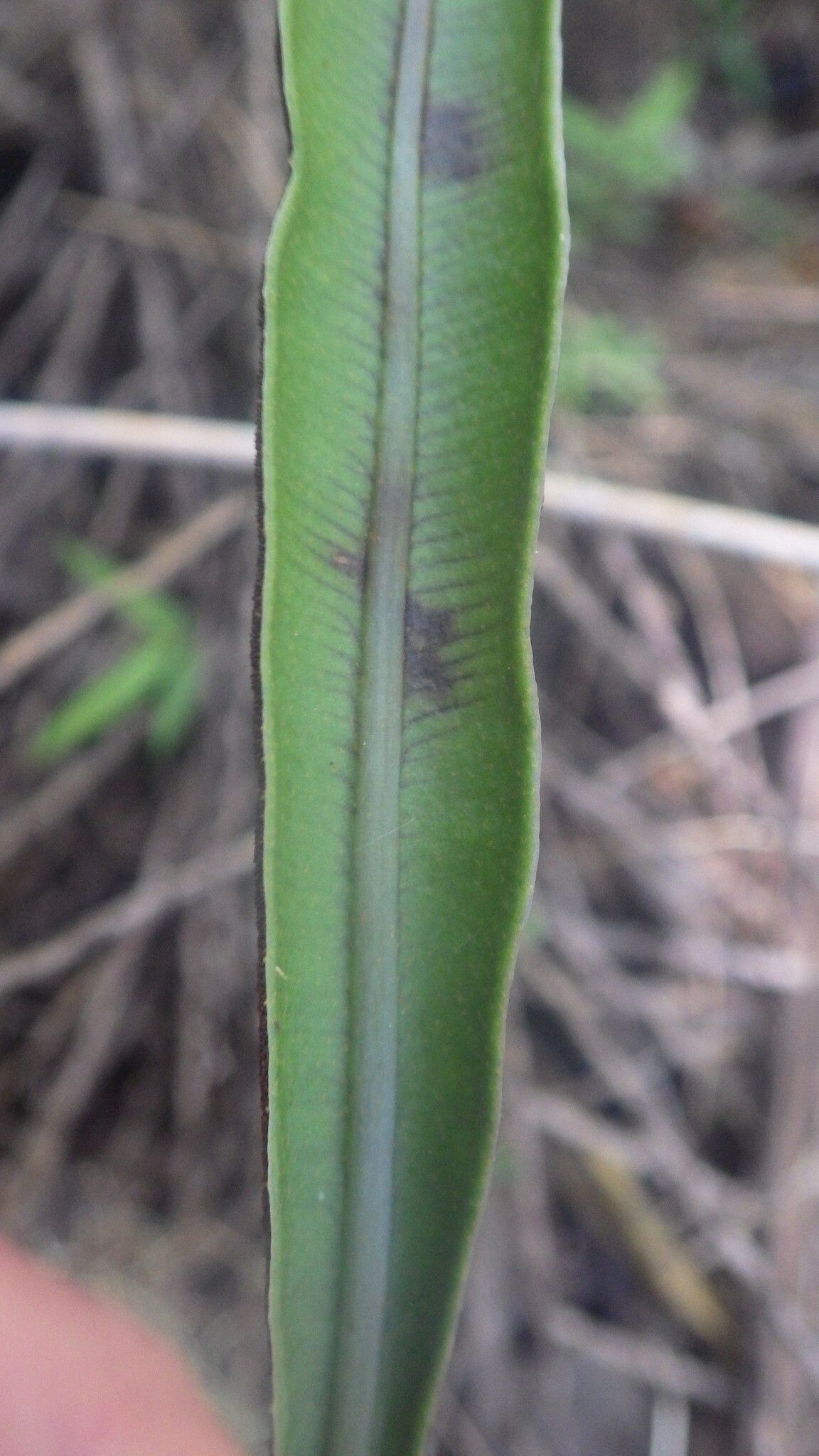
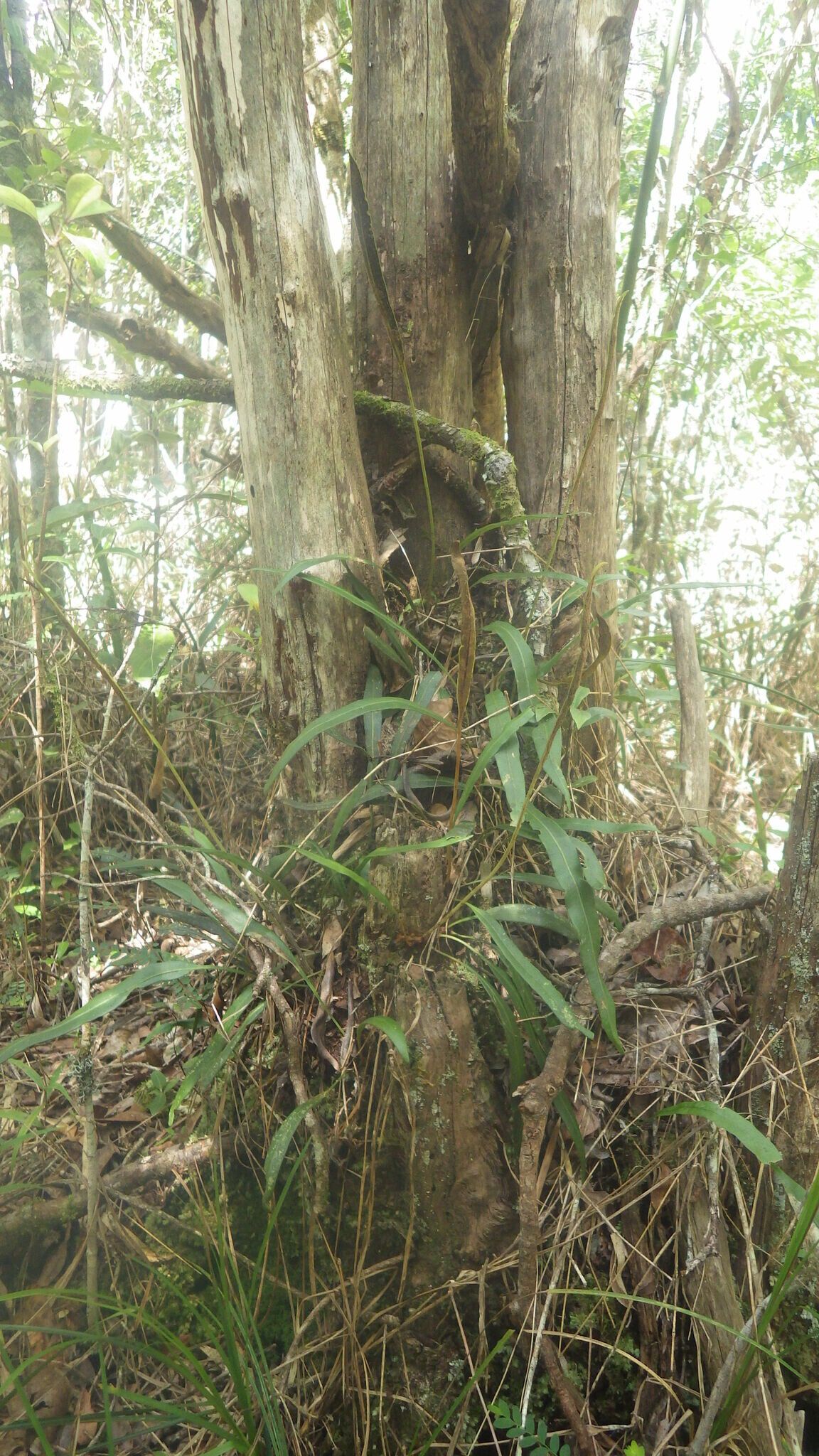
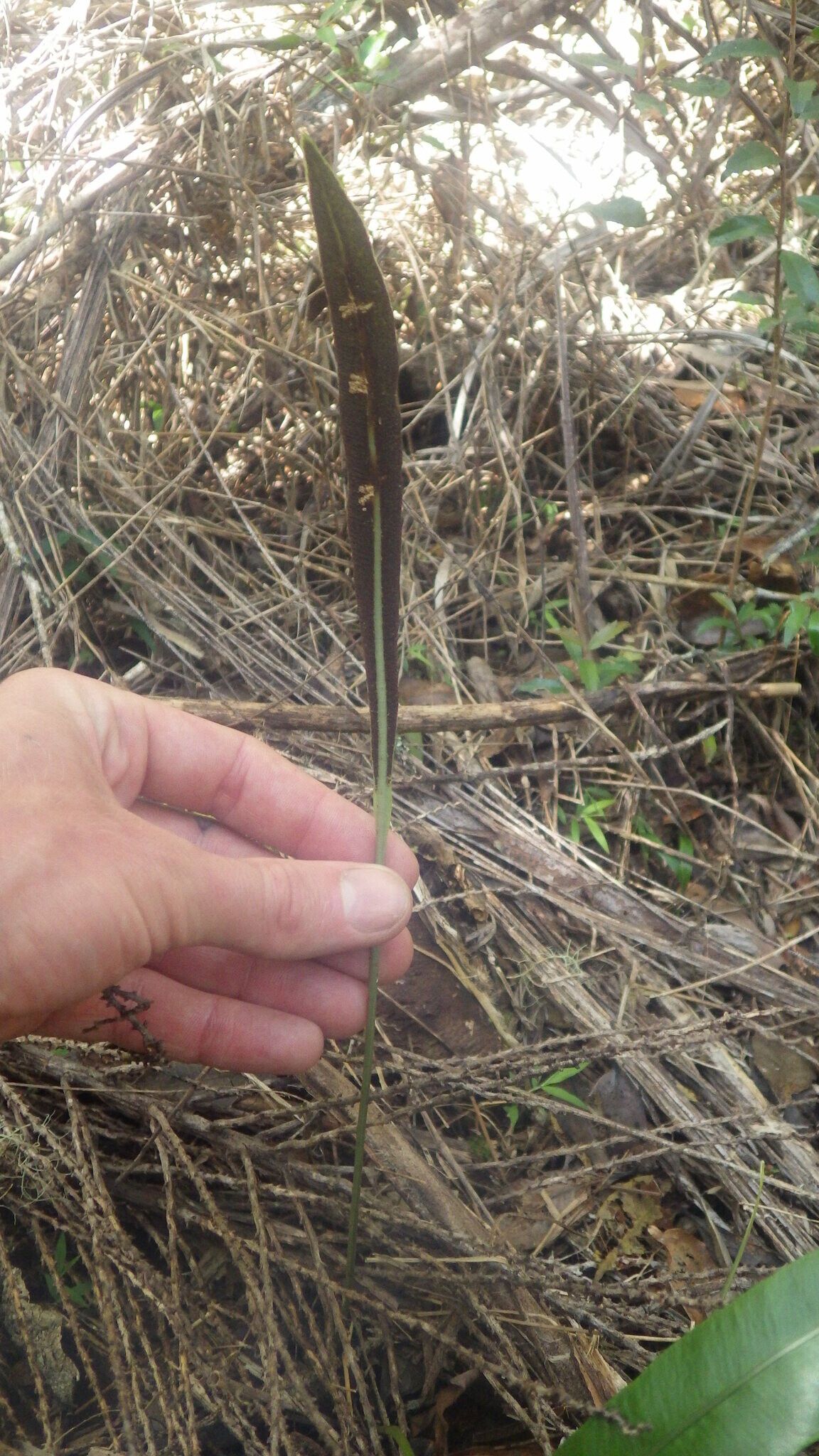
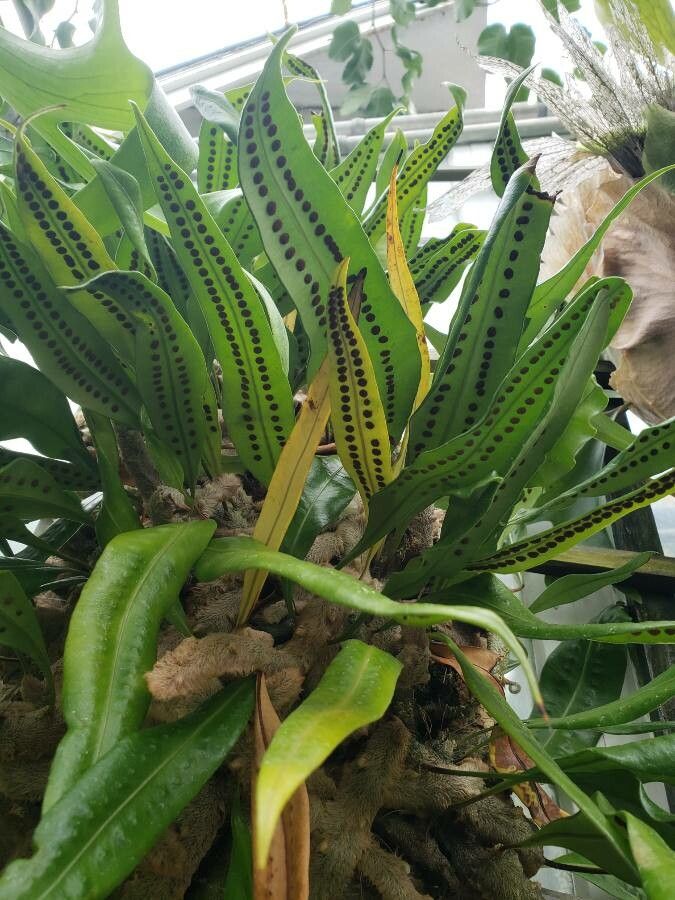
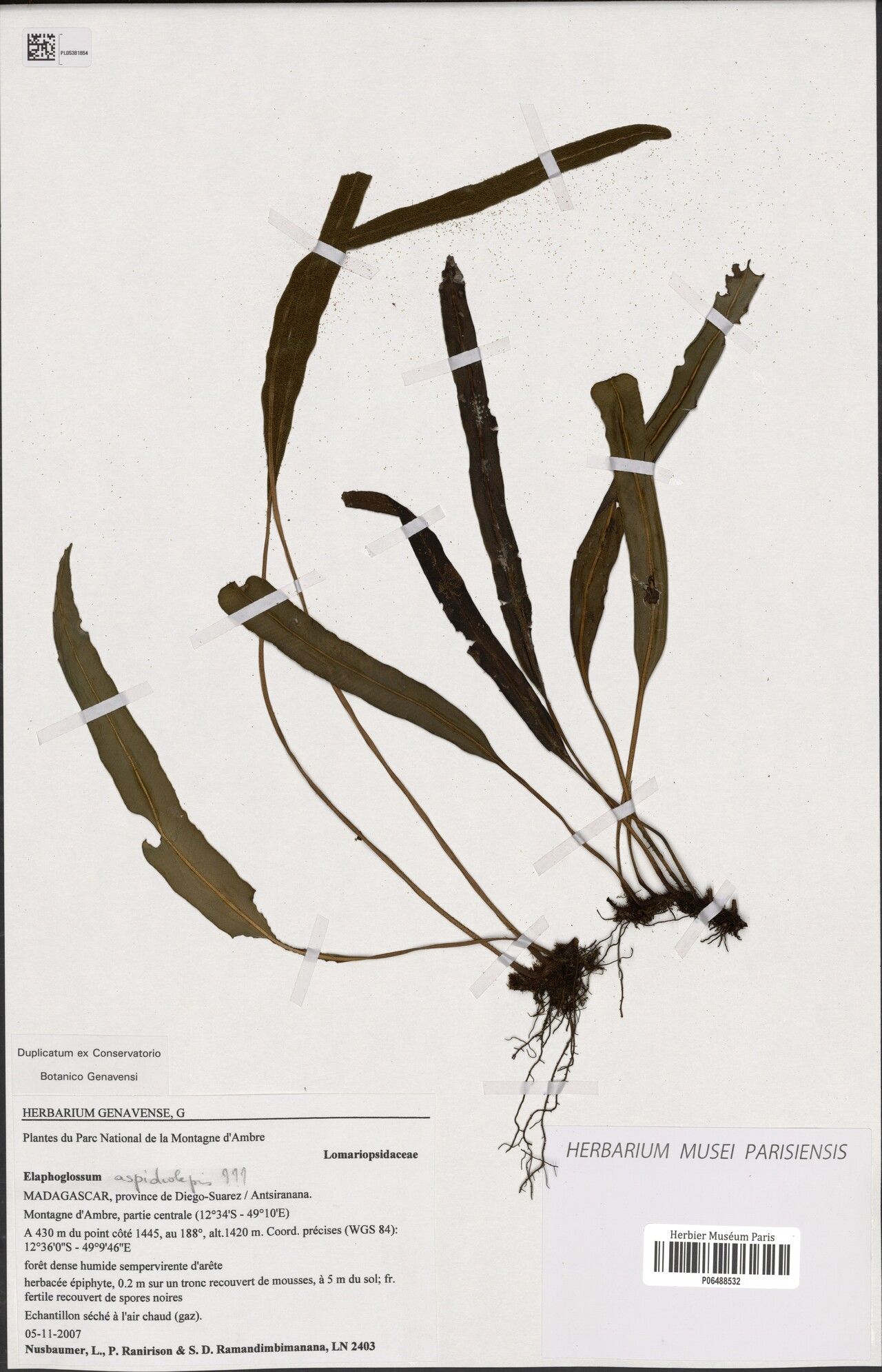
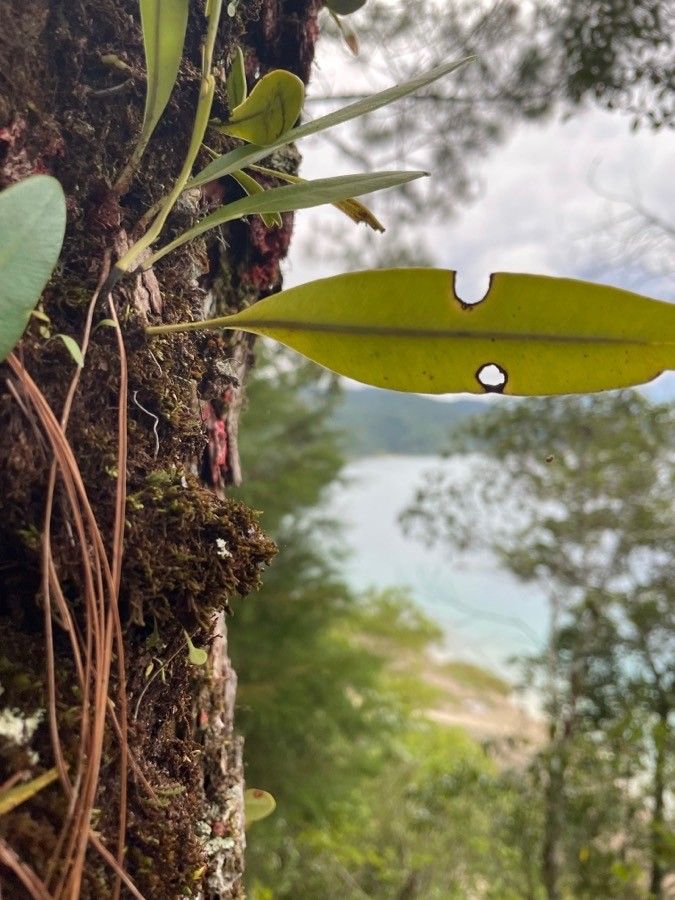
Creeping tonguefern typically shows strong disease resistance and is affected by relatively few insect pests. Its care is regarded as difficult because it needs a consistently moist environment and frequent watering. The roots, however, are vulnerable to rot if overwatered or if the air circulation is poor. Creeping tonguefern is best suited to people with some growing experience, as most can keep it alive for a period of time. Nevertheless, it may struggle to thrive and its leaves can dry out and decline in condition over time.
How to keep Elaphoglossum Conforme.
Light
The creeping tonguefern is native to natural habitats such as forest understories or stony regions, which provide natural shade. It thrives best in full shade, but can also withstand conditions of partial sun.
Temperature
The creeping tonguefern hails from the tropics, a region notable for its warm and moist climate. This has allowed it to become familiar with and adapt to balmy temperatures and dampness. It does not respond well to abrupt shifts in temperature and needs a steady thermal environment, making indoor temperature changes something to steer clear of. It generally cannot endure chilliness and needs elevated temperatures for its development. Should the ambient temperature fall too significantly, the plant's growth could halt or it could even perish.
Botanical profile.
- Plant Type
- Fern
- Life Cycle
- Perennial
- Genus
- Elaphoglossum
- Family
- Polypodiaceae
- Hardiness Zone
- 10-12
- Mature Height
- 15 cm to 40 cm
- Mature Spread
- 20 cm to 40 cm
- Leaf Color
- Dark Green, Forest Green
- Leaf Type
- Evergreen
- Planting Time
- Spring, Summer, Autumn
- Native Area
- Liberia, South Africa, Côte d'Ivoire, Madagascar, Rwanda, Kenya, Guinea, Congo (DRC), Uganda, Tanzania, Congo
Other names.