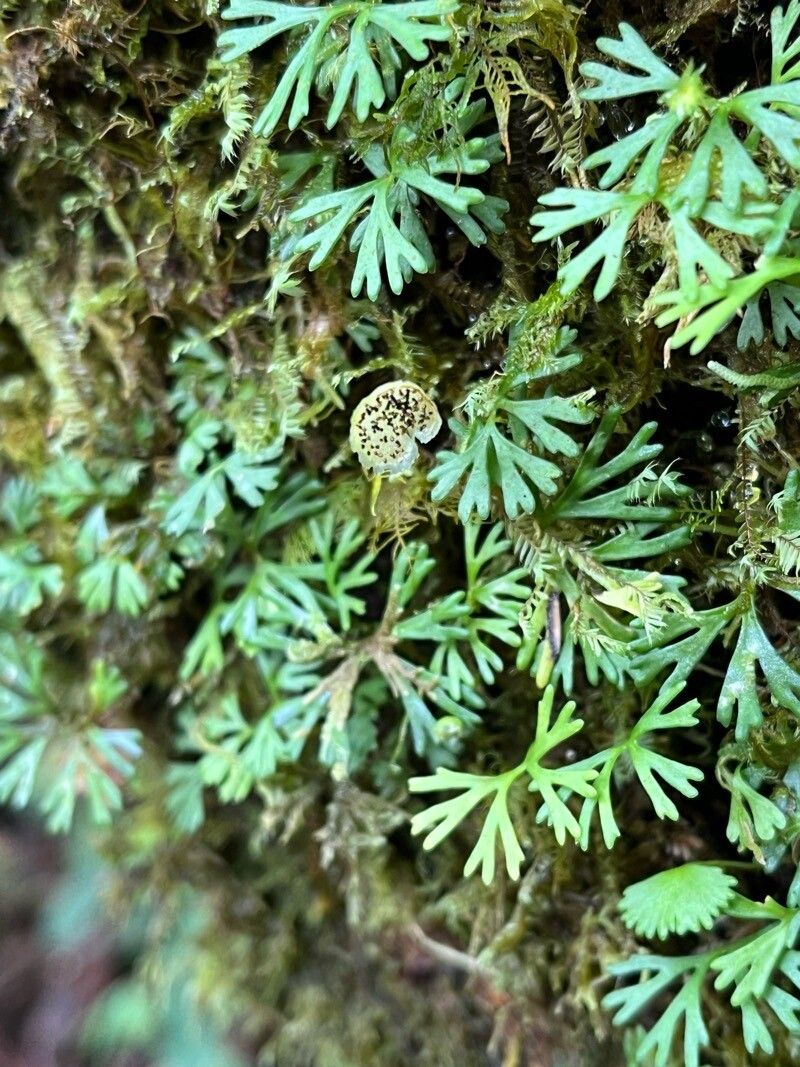
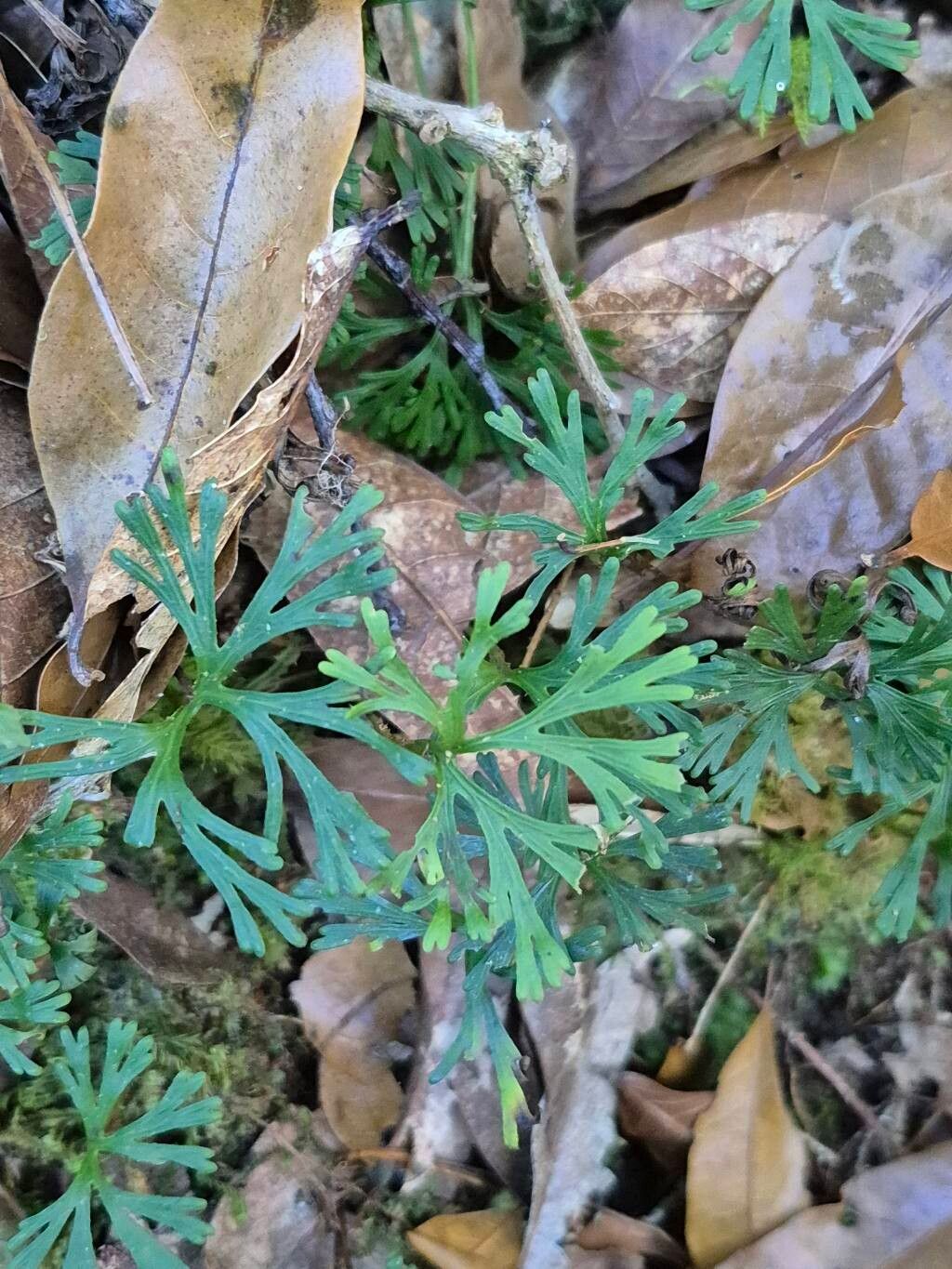
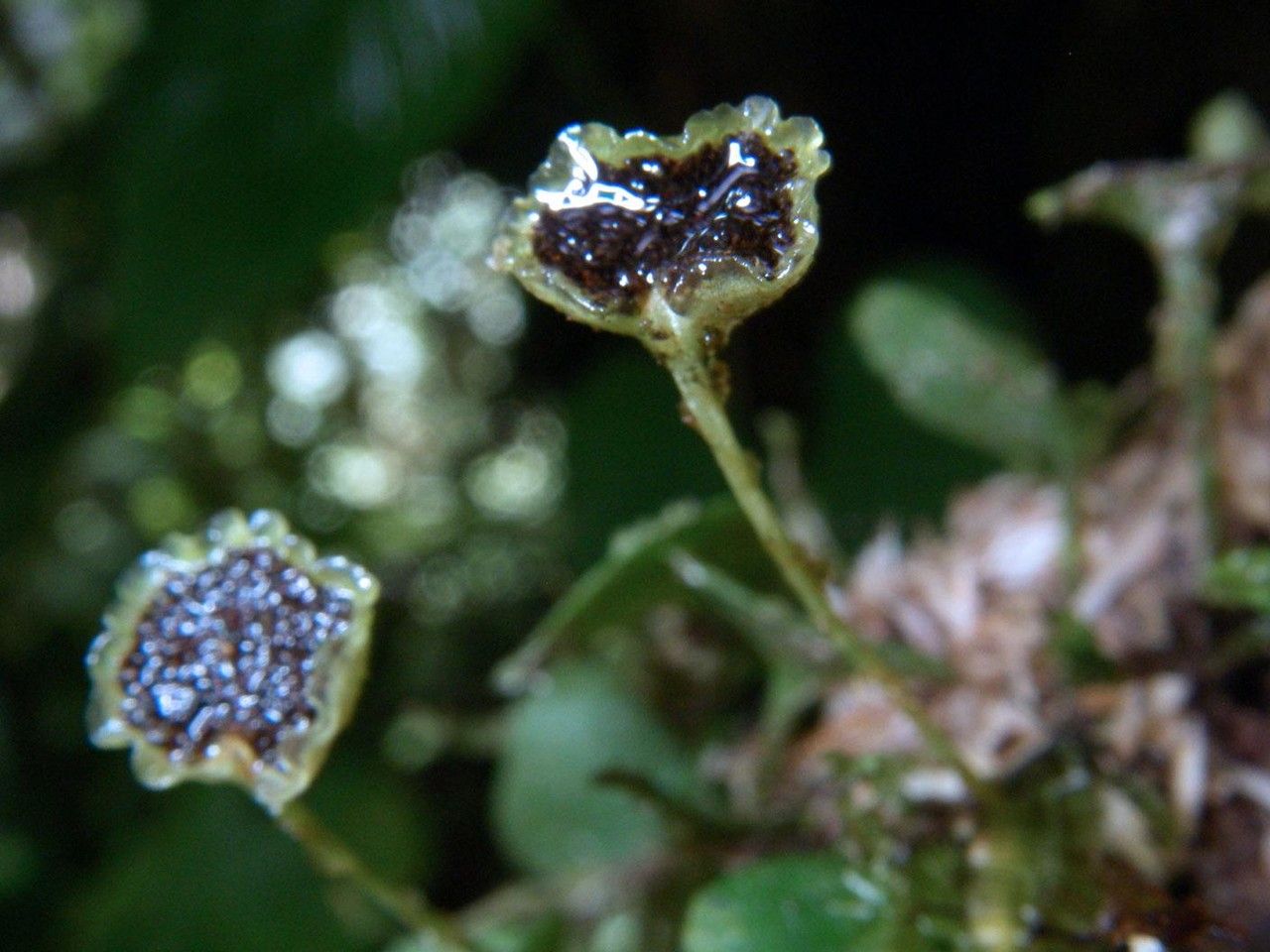
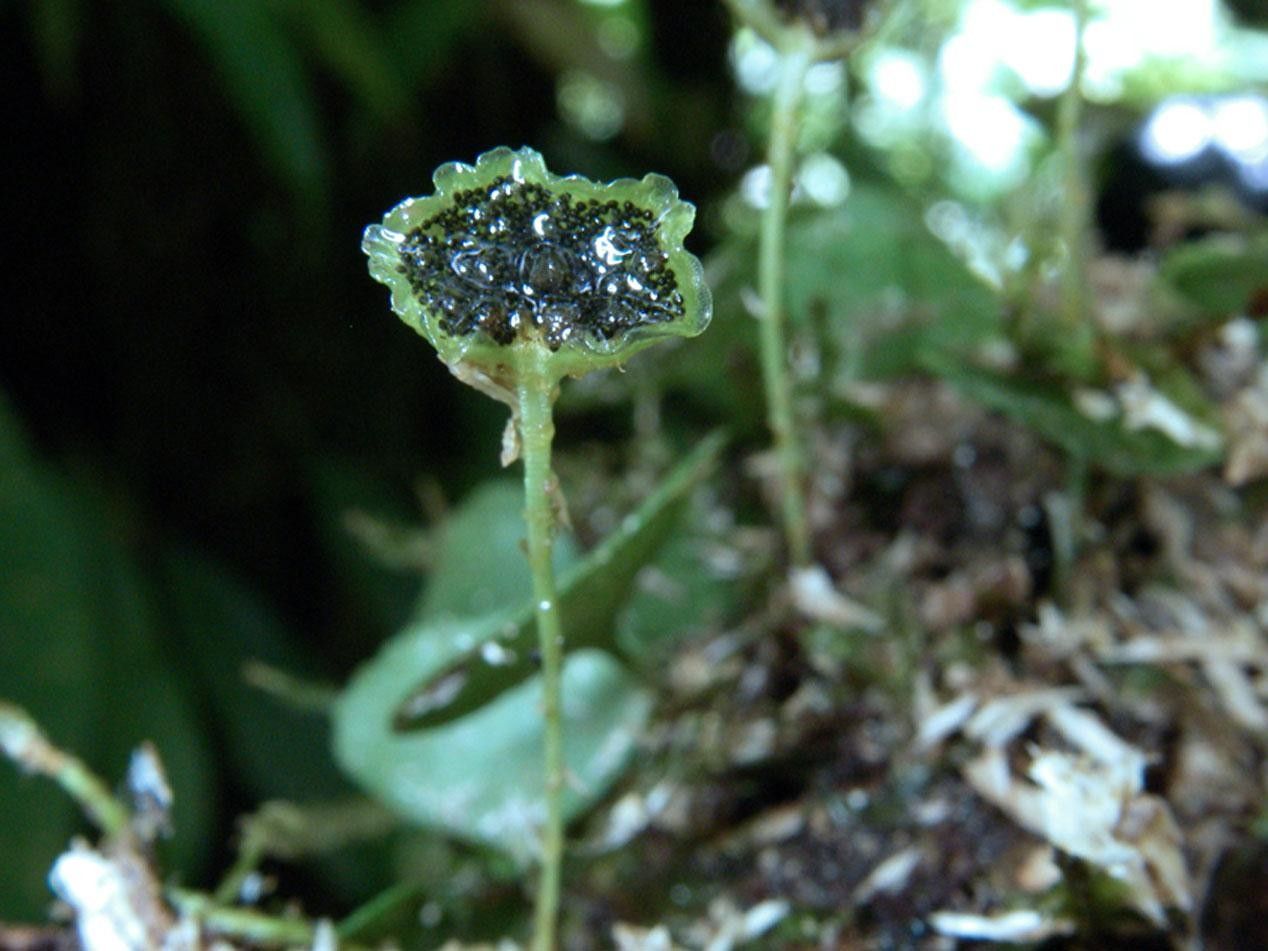
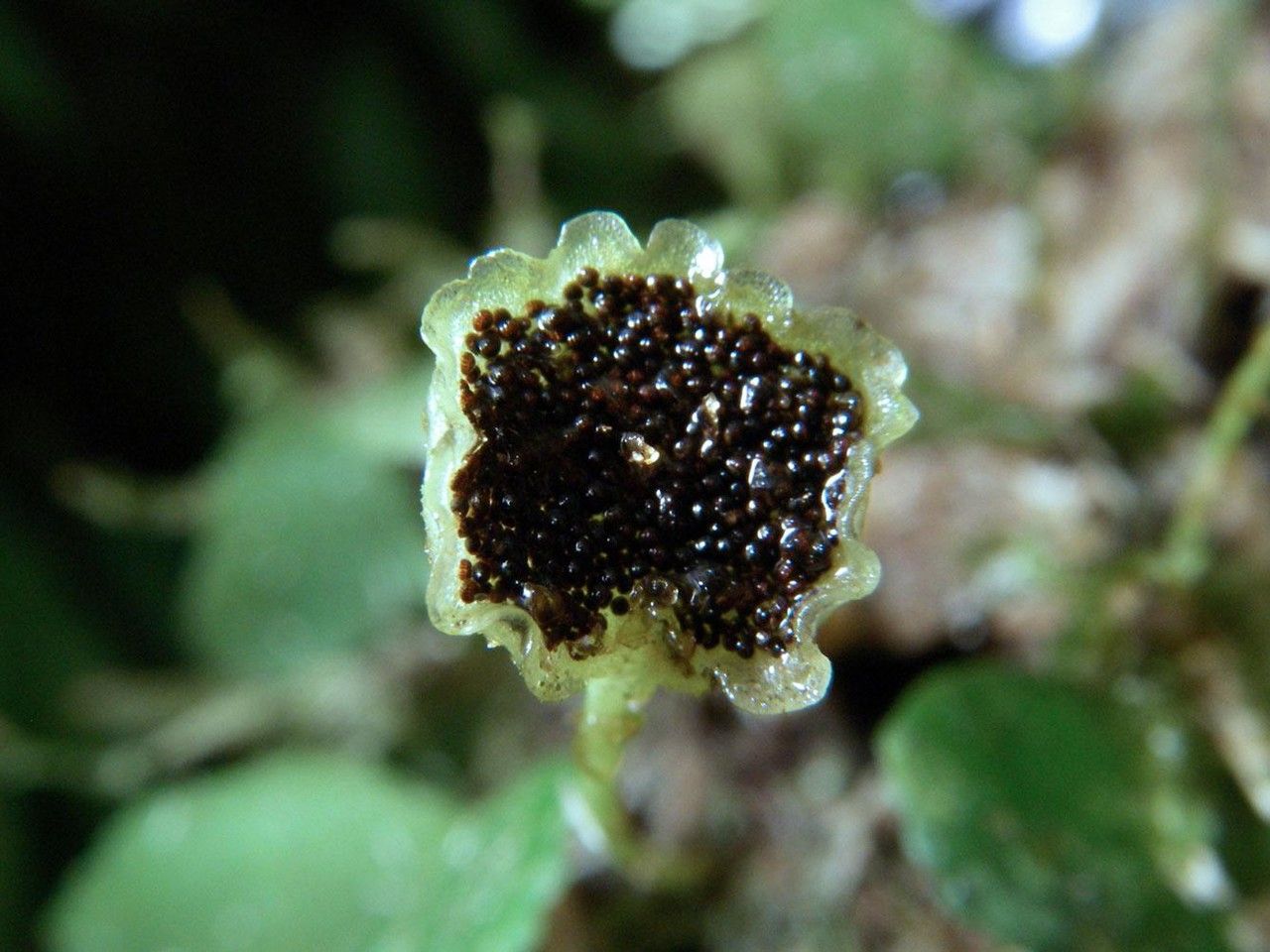
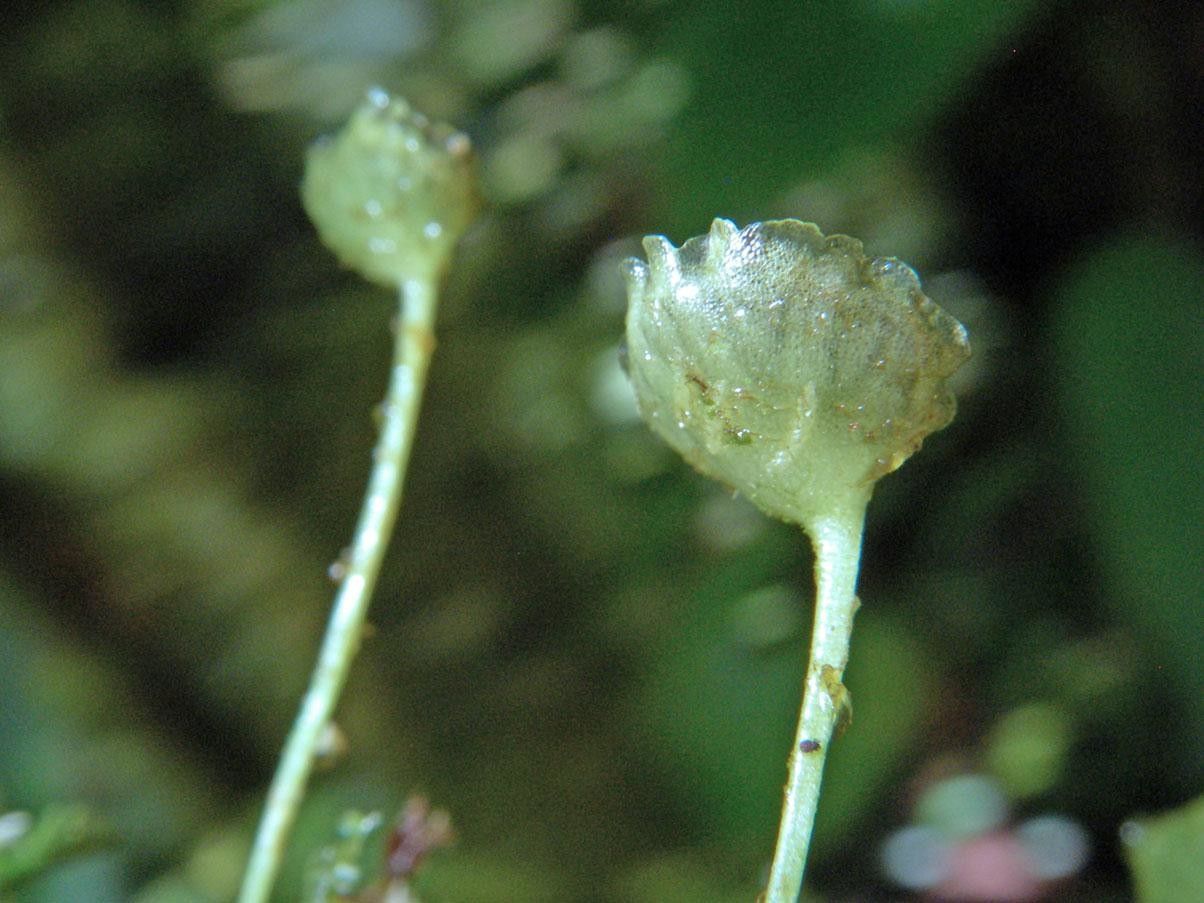
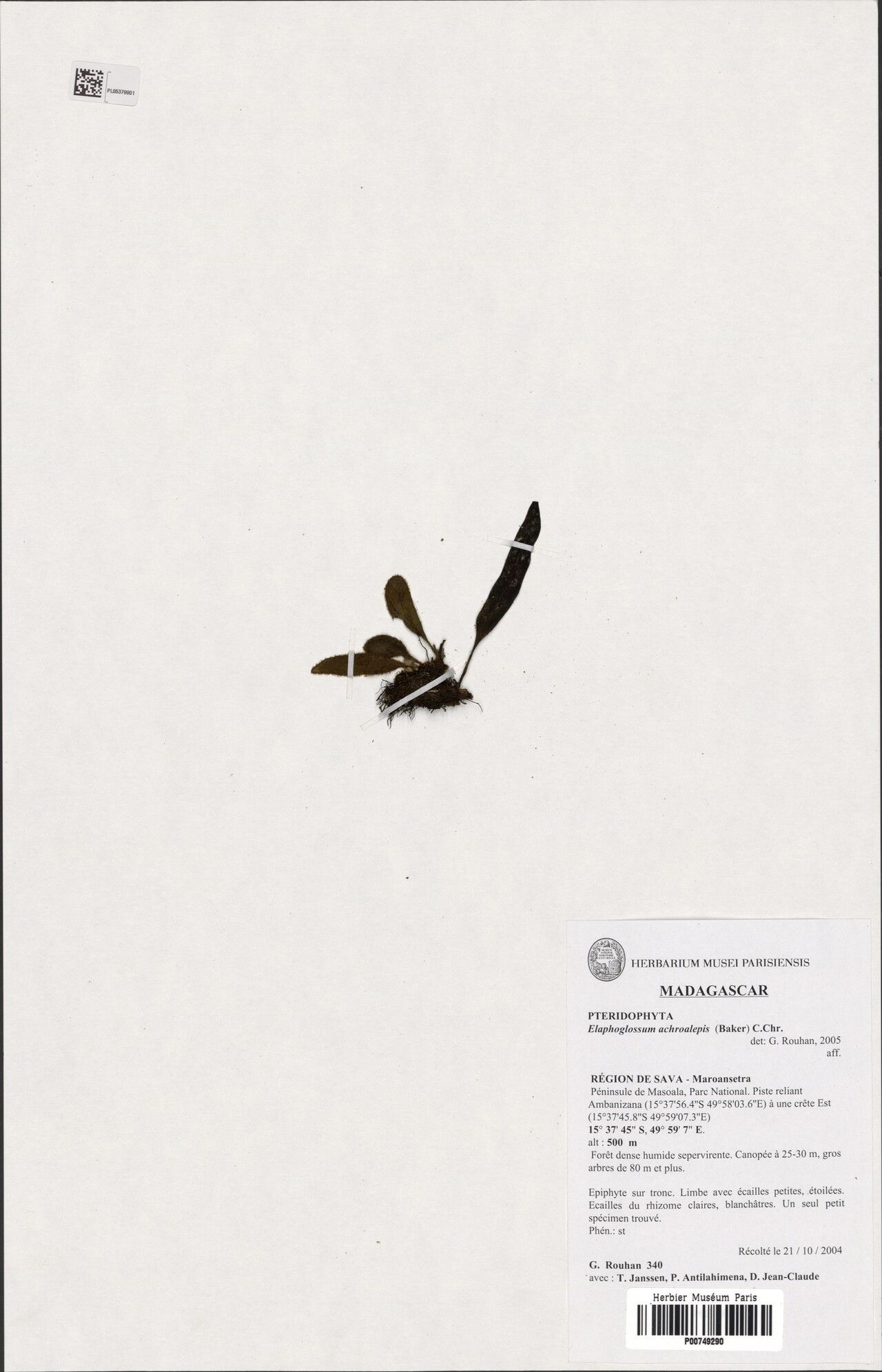
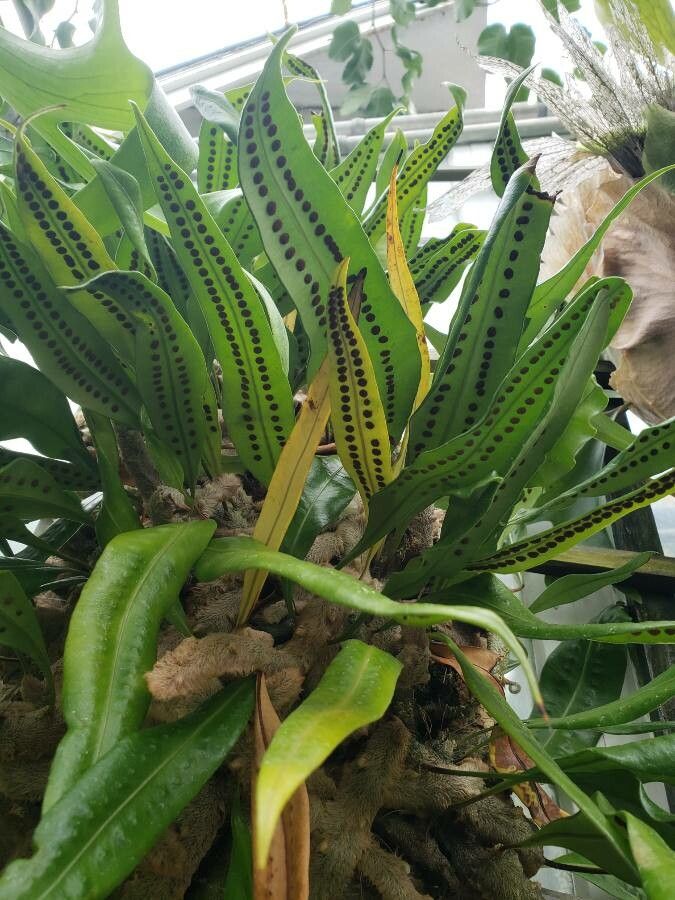
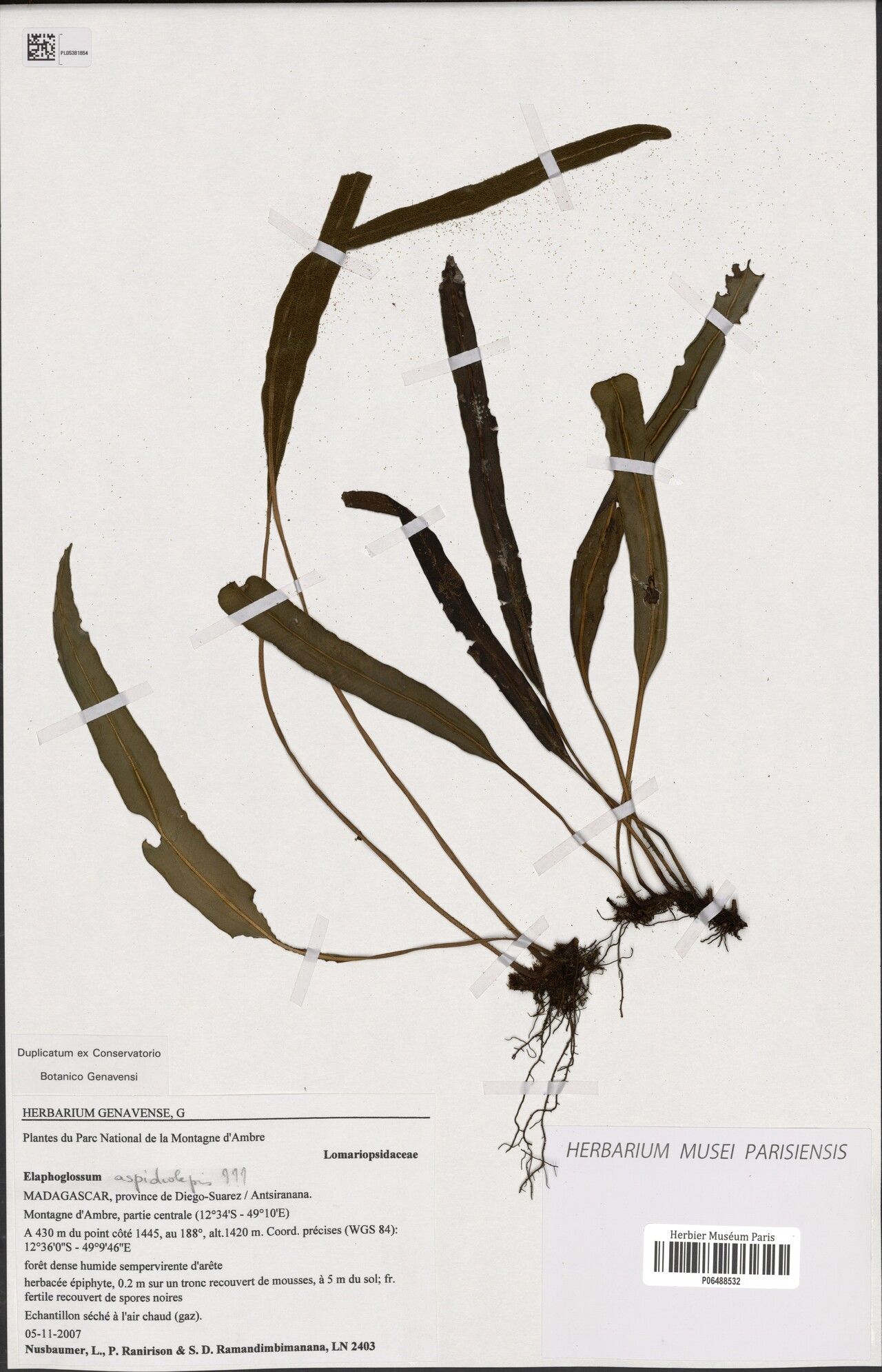
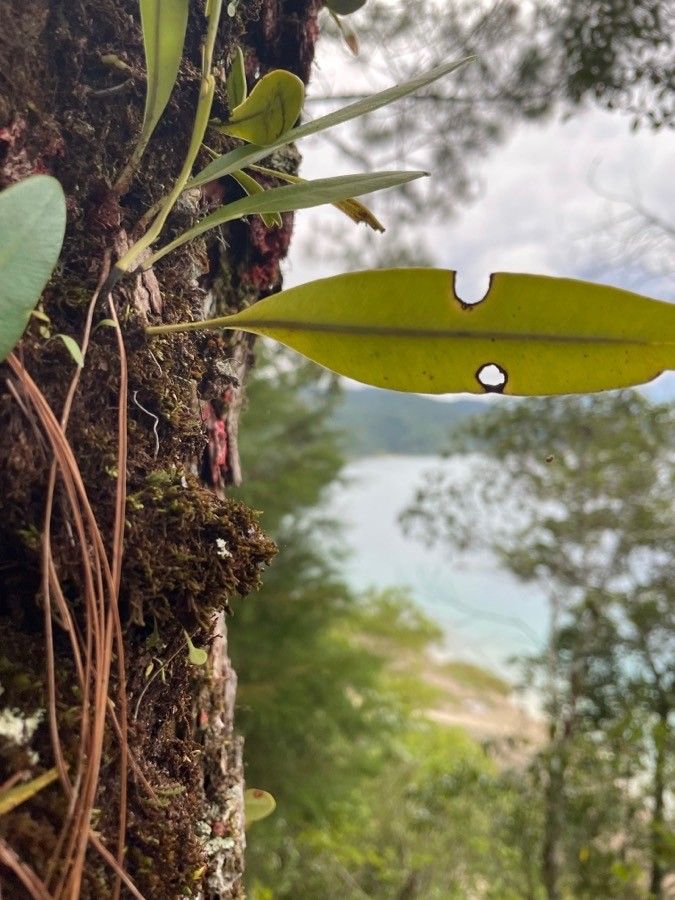
Elaphoglossum peltatum, commonly known as the Shield Fern, is a fern species belonging to the family Dryopteridaceae. This plant is native to tropical and subtropical regions of Central and South America, including countries such as Brazil, Colombia, Costa Rica, and Panama.
The Shield Fern is easily recognizable by its distinctive fronds that grow in a circular pattern from the center of its rosette-like base. These fronds are dark green with a glossy texture and can reach lengths of up to 60 cm. The plant thrives in moist soil conditions but can also tolerate some drought.
Due to its attractive appearance and ease of care, Elaphoglossum peltatum is commonly used as an ornamental plant. It can be grown both indoors and outdoors in shaded areas, such as under trees or on patios.
Beyond its aesthetic value, this fern has been traditionally used for medicinal purposes by indigenous people to treat various ailments, including fever and stomach issues.
In summary, Elaphoglossum peltatum is an intriguing fern species that enhances the beauty of any location it grows in while also offering some traditional medicinal benefits.
How to keep Elaphoglossum Peltatum.
Pruning
To encourage healthy growth, prune dead or damaged fronds of the peltate tonguefern in early spring. Perform light trimmings every year to maintain its appearance, improve air circulation, and lower the risk of disease. These practices will help ensure that the peltate tonguefern remains a vibrant feature in your garden.
Botanical profile.
- Life Cycle
- Perennial
- Genus
- Elaphoglossum
- Family
- Polypodiaceae
Other names.