Elatine triandra
Eurasian Waterwort · Threestamen waterwort · Mudwort · Three-stamened waterwort · Longstem Waterwort
Description
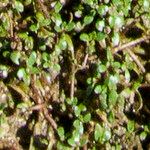
Source: leafsnapElatine triandra, commonly known as three-stamen waterwort, is a small aquatic plant belonging to the Elatinaceae family. It thrives in freshwater habitats such as ponds, lakes, and slow-moving streams. The plant exhibits a prostrate growth habit with small, oval-shaped leaves arranged in opposite pairs along the stem. These leaves are typically green but can turn reddish-brown under high light conditions. Elatine triandra is a popular choice for aquascaping due to its compact size and attractive appearance. It requires high light intensity and nutrient-rich water to thrive but can be sensitive to changes in water chemistry and temperature fluctuations. During the summer months, the plant produces tiny white flowers that bloom above the water's surface. These flowers are self-fertile, meaning they do not require pollination from other plants. Overall, Elatine triandra is an intriguing aquatic plant with unique growth habits and appealing foliage, making it an excellent addition to any freshwater aquarium or pond setting.
Care Guide
💧 Water Every 3 days
The three-stamen waterwort thrives in moist environments, requiring regular watering to keep the soil damp but not oversaturated. Well-adapted to wetland conditions, it grows best outdoors, where rainwater helps meet its growth and hydration needs.
How should I water my Three-stamen waterwort plant?
To water Three-stamen waterwort, there are several options you can choose from. You can use a garden hose with a spray nozzle, a watering can, or any other common watering tool. It's not too particular about the type of water it receives, so you can use rainwater, tap water, or even filtered water. However, it's important to avoid watering this plant from above because it can harm the leaves and flowers and may cause disease. A drip irrigation system is often the best method for watering this plant as it provides even and direct water to the soil. If you have a container-grown Three-stamen waterwort, you can follow a similar watering approach but using a cup, watering can, or tap water to directly water the soil.
What if I give my Three-stamen waterwort too much or too little water?
If you notice that your Three-stamen waterwort lacks moisture, the remedy is simple: water it more frequently. On the other hand, overwatering can have dire consequences if not caught early. Overwatered plants can become diseased and eventually die. To prevent this, it is important to choose a suitable growing location with ample sunlight to help dry out the soil and good drainage to prevent water from pooling. If you have overwatered your potted Three-stamen waterwort, it may be necessary to change to a new pot with better drainage. When repotting, use loose soil and a pot that drains efficiently.
How often should I give water to my Three-stamen waterwort?
To properly care for your Three-stamen waterwort plant, it's important to water it regularly throughout the growing season. In the spring, aim to water it once a week. As the weather gets warmer, you may need to increase the watering frequency to two or three times a week. However, be cautious not to overwater, as this can harm the plant. It's also essential to maintain moist soil for the plant, but avoid making it too wet. If your Three-stamen waterwort is in a pot, you'll need to adjust the watering schedule a bit. Potted plants tend to dry out faster than those in the ground, so you'll likely need to water them more frequently. In most cases, plan on watering a container-grown Three-stamen waterwort a few times a week, compared to just once a week for a plant in the ground.
How much water does my Three-stamen waterwort require?
Determining the right amount of water for your Three-stamen waterwort can be approached in a few different ways. Some gardeners prefer to gauge the moisture level of the soil by touch. This method suggests watering until the top six inches of soil feels moist. Another option is to use a specific measurement to determine the water volume. Typically, providing around two gallons of water per week is recommended, taking into account factors such as temperature and soil drying rate. However, it's important to be cautious as strictly adhering to these guidelines may result in overwatering if your plant requires less water. When growing Three-stamen waterwort in a container, a different approach is needed. In this case, it is advisable to water until all dry layers of soil are adequately moistened. You can check this by inserting your finger into the soil to assess moisture levels or by watering until you observe a slight trickle of excess water coming out of the drainage holes in the pot.
How can I know if I'm giving enough water to my Three-stamen waterwort?
Taking care of your Three-stamen waterwort can be a bit tricky because you need to balance watering it properly. On one hand, these plants have deep roots and need to be watered weekly. But on the other hand, they are very prone to root rot, which can happen if you overwater them. Overwatering can also cause browning of the leaves. Underwatering is not as big of a concern since these plants can survive without too much water for a while. However, if you wait too long to water them, they will start to wilt and their leaves will become dry.
☀️ Light Full sun
Three-stamen waterwort is known to flourish in areas exposed to full sun and depends on strong sunlight for growth. In its natural setting, this plant generally grows without shade. Excessive sun rarely harms it, while insufficient light can hinder its development.
How many hours of sunlight does Three-stamen waterwort need each day to grow well?
To ensure the well-being of the plants, it is essential to provide them with a minimum of 6 to 8 hours of sunlight each day. Ideally, they should be exposed to more morning light, particularly during the summer. It is important to note that the Three-stamen waterwort thrives in full sun and benefits from as much sunlight as possible. This additional light allows these species to produce food, showcase stunning blooms, and ultimately thrive.
What kind of sunlight does Three-stamen waterwort need?
The Three-stamen waterwort thrives in full sunlight, so it is important to avoid crowding them together to ensure equal sun exposure. The leaves should not be deprived of sunlight. If planting in pots, placing them in windows that receive direct sun and ensuring they always receive full sunlight, regardless of the season, is preferred. They do not do well in partial or filtered light, as this can result in weak stems and unhealthy flowers. It is best to consistently expose the Three-stamen waterwort to the sun.
Can sunlight harm plants? How can I shield Three-stamen waterwort from sun and heat damage?
When the temperature exceeds 90℉(32℃), the Three-stamen waterwort can be harmed by extreme heat, especially if it is exposed to several hours of direct sunlight. To prevent damage, it is recommended to provide some shade in the afternoon during the summer season. It is important to keep in mind that sunlight in the summer is stronger and lasts 50% longer than in winter. If the Three-stamen waterwort is subjected to excessive sunlight, it is advisable to ensure they receive enough water. Water the plants when the top layer of soil is about 2 inches dry, and if the weather is too hot, consider moving them indoors if they are in containers. It is normal for the plant leaves to wilt during the day, as they tend to recover at night. However, if the Three-stamen waterwort continues to droop, it means the plant is losing water rapidly and needs to be watered.
Should I keep Three-stamen waterwort away from the sun?
The Three-stamen waterwort thrives in the sun and enjoys being exposed to it for most of the day. However, some species can get sunburned, so it's a good idea to provide shade from the intense afternoon and midday sun, such as with a tree or a wall. It's not possible to grow these waterworts in shady areas because they need ample sunlight to grow and produce large flowers. For optimal growth, always ensure they are placed in an area with full sun.
What will happen if Three-stamen waterwort doesn't get enough sunlight?
If the Three-stamen waterwort does not receive enough sunlight, its photosynthetic process will slow down. This lack of sunlight causes the stems to become long and thin, as they seek more sunlight. In shaded areas, the plant will not bloom or produce seeds. Insufficient sunlight also results in older leaves dying, new leaves appearing lighter in color, and new growth being smaller than before. Although the Three-stamen waterwort loves sunlight, it can wilt when exposed to excessive heat and ultraviolet light during the summer. To protect the plant, consider covering it with a net that provides green shade, particularly in the summer. When kept indoors, use a fan to reduce the heat.
🌡️ Temperature 10–35°C
Three-stamen waterwort can tolerate a wide range of temperatures, but its distribution may nonetheless be restricted by particular combinations of moisture and heat. It does best in warm summer climates with sufficient rainfall or watering. Extended periods of cloudy, rainy weather or prolonged high temperatures raise the likelihood of the plant dying. In winter, appropriate protection from cold can increase its chances of survival.
💨 Humidity
🪴 Soil
🌱 Fertilizer
To care for three-stamen waterwort, apply a balanced or high-nitrogen fertilizer once a month during its growing season. During its dormant period, reduce fertilization to once every two months. Be sure to follow the product guidelines to avoid overfeeding and nutrient imbalances. Additionally, adjust the fertilization schedule based on seasonal changes in light and temperature to ensure optimal growth and vitality.
Why is it important to fertilize my Three-stamen waterwort?
Not all plants require additional fertilizers as they are capable of obtaining the nutrients they need on their own. However, Three-stamen waterwort and other plants still require nutrients to sustain growth and internal processes. These nutrients, such as nitrogen, phosphorus, and potassium, serve various vital functions for plants. In the case of foliage, nitrogen plays the most significant role. Unfortunately, Three-stamen waterwort may struggle to obtain enough nitrogen from the soil, prompting some gardeners to provide supplemental nitrogen through fertilization.
When should I fertilize my Three-stamen waterwort?
To ensure optimal growth, Three-stamen waterwort benefits from monthly fertilization during the active growth period in spring and summer. In contrast, fertilization is unnecessary during fall and winter when the plant is less active and requires fewer nutrients. Your cue to start fertilizing is the appearance of new growth. Regardless of whether the plant is grown outdoors or in a container indoors, the fertilization schedule remains constant. However, if your Three-stamen waterwort is in a container, you can delay fertilization for the first one to two months. This is because potting soil formulated for container plants already contains sufficient nutrients. Once your plant has been in the same soil for a while, you can start fertilizing it.
When is the best time to not put fertilizer on my Three-stamen waterwort plant?
To ensure the best results when fertilizing your Three-stamen waterwort, it is important to follow a few guidelines. Firstly, refrain from fertilizing plants that are not in good health, such as those with diseases or insect pests. Moreover, avoid fertilizing dehydrated plants as the fertilizer can exacerbate this issue. Instead, focus on fertilizing only healthy plants. When watering, be cautious not to splash fertilizer onto the leaves or stem, as this can cause burned spots. It is also important to avoid direct contact between the fertilizer and the plant unless you are utilizing a special foliage fertilizer specifically designed for this purpose.
What kind of fertilizer does my Three-stamen waterwort require?
Fertilizers contain important nutrients like nitrogen, potassium, phosphorus, iron, manganese, and zinc. These nutrients are essential for promoting growth in Three-stamen waterwort. A balanced fertilizer, like an all-purpose fertilizer with a 10-10-10 NPK number, is suitable for Three-stamen waterwort. Natural options like blood meal or worm castings also work well. Alternatively, you can choose a fertilizer with a higher nitrogen content, like fish fertilizer, which helps support leaf growth. If your goal is primarily to grow the plant for its leaves, there's no need to provide excessive supplements for flowers or seeds.
How should I fertilize my Three-stamen waterwort?
To properly fertilize your Three-stamen waterwort, follow the instructions provided with the fertilizer you have purchased. It's recommended to start with half-strength fertilizer to avoid over-fertilizing the plant accidentally. This plant requires frequent fertilization, which often leads to over-fertilization. Remember that it's easier to add more fertilizer if needed than to try and save an over-fertilized plant. Additionally, make sure the soil is already somewhat moist before applying fertilizer. This helps the fertilizer absorb easily and prevents fertilizer burn. After applying dry fertilizers, water the soil. There are different methods for applying fertilizers - some require mixing into the soil during planting, while others are applied on top of the soil and then watered in. For most Three-stamen waterwort varieties, a water soluble fertilizer is a convenient choice. Simply mix the recommended dosage of fertilizer into your watering can, and water the plant as usual. Alternatively, slow-release granules or fertilizer spikes can be used if you prefer not to fertilize monthly.
🪴 Pot & Repot
✂️ Pruning
Three-stamen waterwort flourishes in aquatic habitats and needs regular pruning from early to late spring to ensure optimal growth. Cutting back excessive or dead stems improves water circulation and reduces the risk of pests. Be sure to use clean, sharp tools to prevent damage and disease in the aquatic environment.
🌿 Propagating
🐛 Diseases & pets
☠️ Toxicity
Characteristics
- Plant Type
- Herb
- Life Cycle
- Annual
- Genus
- Elatine
- Family
- Elatinaceae
- Hardiness Zone
- 6-10
- Mature Height
- 10 cm
- Mature Spread
- 20 cm
- Leaf Color
- Light Green
- Leaf Type
- Deciduous
- Flower Color
- White
- Flower Size
- 0.15 cm to 0.20 cm
- Bloom Time
- Late spring, Summer, Early fall
- Planting Time
- Spring, Summer, Autumn
- Harvest Time
- Summer, Early fall, Mid fall
- Native Area
- India, Sweden, Malaysia, Austria, Slovakia, Madagascar, Slovenia, Croatia, Niger, Zimbabwe, Russia, Mali, Germany, Indonesia, Venezuela, Koppen, Romania, South Korea, Belgium, Botswana, Portugal, Nepal, Netherlands, France, Tajikistan, Czech Republic, South Africa, Bulgaria, Bangladesh, Poland, Serbia, Chad, Lithuania, Norway, China, Italy, Kazakhstan, Spain, Bolivia, Japan, Finland, Senegal, Hungary, Thailand