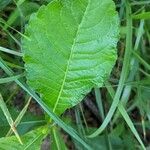
Elephantopus carolinianus
Carolina elephantsfoot · Carolina Elephant's-Foot
Description
Source: leafsnapElephantopus carolinianus, with the common names Carolina elephantsfoot or leafy elephant's foot, is a species of flowering plant in the Asteraceae family. It is native to the south-central and southeastern United States.
Care Guide
💧 Water
Carolina elephantsfoot thrives in well-drained soil with consistent moisture, needing weekly watering for optimal growth. While it can handle short periods of dryness, it greatly benefits from rainwater during its growing season, as this helps maintain proper hydration without the risk of overwatering.
☀️ Light Partial sun
Carolina elephantsfoot does best in places where sunlight isn't overpowering, though it can tolerate stronger light. In the wild it inhabits areas with moderate light intensity. Excessive sun can cause signs of stress, while too little light can hinder the plant's growth.
What are the sunlight requirements for Carolina elephantsfoot?
Carolina elephantsfoot needs varying degrees of sunlight depending on the situation. In its natural habitat, it can endure locations with strong but not overpowering sunlight, thriving in moderate solar intensity. For optimal growth, partial sun exposure, consisting of about 3-6 hours of sunlight, is beneficial, while full sun exposure means the plant should receive more than 6 hours of sunlight daily. It's vital to observe how sunlight traverses through your garden to find spots with an ideal balance of light and shade, ensuring your plants' well-being.
How can artificial lighting benefit indoor plants?
Indoor plants, such as Carolina elephantsfoot, require adequate lighting for optimal growth. In scenarios where natural sunlight is insufficient, especially during winter or in less illuminated spaces, artificial lighting becomes crucial. LED lights are a preferred choice as they can be tailored to provide specific light wavelengths needed by plants. The required intensity of artificial light varies: full sun plants need 30-50W/sq ft, partial sun plants need 20-30W/sq ft, and full shade plants need 10-20W/sq ft. The artificial light source should be placed 12-36 inches above the plant and left on for 8-12 hours per day to mimic natural daylight hours effectively.
What are some common symptoms of improper lighting in Carolina elephantsfoot?
Carolina elephantsfoot may exhibit several symptoms when faced with inadequate lighting conditions. Some common signs include smaller new leaves, leggy or sparse growth, faster leaf drop, halted growth, paler new leaves, chlorosis or yellowing of leaves, sunscald, leaf curling, wilting, and leaf scorching. Each symptom offers insight into the plant's struggle with light levels, whether it be too little light causing growth to slow or halt, or too much light leading to damage such as leaf scorch and sunscald.
What solutions can aid in addressing lighting issues for Carolina elephantsfoot?
To address lighting problems for both indoor and outdoor Carolina elephantsfoot plants, gradual adaptation to sunlight changes is key. For indoor plants, increase exposure to sunlight weekly or use artificial lighting, such as desk lamps or professional grow lights, for at least 8 hours daily. Outdoor plants should be gradually moved to sunnier spots to avoid sunburn. Minimizing obstructions that block sunlight and transplanting smaller plants to sunnier locations during their dormant period can also be effective. These methods aim not only to prevent sunburn but also to ensure new growth is healthy and vigorous.
🌡️ Temperature 5–35°C
Carolina elephantsfoot is a temperate species that prefers temperatures between 41 and 95 ℉ (5 and 35 ℃). It comes from habitats with moderate climates and can tolerate minor temperature fluctuations. In colder periods, it is advisable to keep the temperature above 41 ℉ (5 ℃) to avoid damage.
What is the preferred temperature range for Carolina elephantsfoot?
Carolina elephantsfoot, also known as Elephantopus carolinianus, thrives in moderate temperature environments, ideally between 41 to 95°F (5 to 35°C). This temperate plant has the ability to adjust to slight temperature fluctuations and possesses strong cold resistance. During cooler seasons, it is crucial to maintain the temperature above 41°F (5°C) to avert possible damage. The plant has a notable capability to withstand cold without specific frost protection measures, but should winter temperatures plummet below -30°C, it's imperative to employ cold protection strategies, such as covering the plant with soil or straw. Additionally, to counteract drought and water scarcity during winter and early spring, it's advisable to water the plant copiously before the first freeze, ensuring the soil stays moist.
How should Carolina elephantsfoot be cared for in low temperatures?
In the cold winter months, while Carolina elephantsfoot demonstrates a robust tolerance to low temperatures, it’s best maintained above -25°C to encourage springtime sprouting. Should temperatures dip below -30°C, the plant might not exhibit immediate changes but could face a delay in sprouting or fail to sprout when spring arrives. To manage these effects in spring, it is recommended to remove any parts of the plant that have not sprouted successfully.
What care does Carolina elephantsfoot require in high temperatures?
During the summer season, keeping the Carolina elephantsfoot below 35°C is essential to its well-being. Exposing the plant to temperatures exceeding 38°C can result in the leaves lightening in color, becoming susceptible to curling, sunburn, and in extreme cases, the entire plant may wilt and dry out. To mitigate these issues, trim any sunburned or dried parts of the plant. Relocating the plant to a shaded area during the midday and afternoon sun or employing a shade cloth can provide necessary protection. Additionally, watering the plant in the morning and evening helps maintain soil moisture, further safeguarding it from the adverse effects of high temperatures.
💨 Humidity
🪴 Soil 5-6
🌱 Fertilizer
One fertilizer application in spring is generally enough for Carolina elephantsfoot, though repeated feedings can maximize growth. Apply fertilizer every month to six weeks. Fertilization improves the leaves’ appearance and function, encouraging even color and a healthy texture. It also promotes root development and nutrient uptake for the plant’s long-term health.
🪴 Pot & Repot
✂️ Pruning
🌿 Propagating
🐛 Diseases & pets
☠️ Toxicity
Characteristics
- Plant Type
- Herb
- Life Cycle
- Perennial
- Genus
- Elephantopus
- Family
- Asteraceae
- Hardiness Zone
- 4-9
- Mature Height
- 1.22 m
- Mature Spread
- 61 cm to 91 cm
- Leaf Color
- Green
- Leaf Type
- Deciduous
- Flower Color
- Lavender, White
- Flower Size
- 0.76 cm to 1.02 cm
- Bloom Time
- Mid summer
- Planting Time
- Winter
- Harvest Time
- Mid summer, Late summer, Early fall