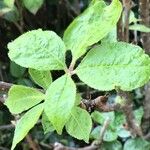
Eleutherococcus senticosus
Siberian-ginseng · Eleuthero · Devil’s bush
Description
Source: leafsnapEleutherococcus senticosus, commonly known as Siberian ginseng, is a woody shrub native to Northeast Asia. For centuries, it has been utilized in traditional medicine to enhance physical and mental performance, alleviate stress and fatigue, and boost the immune system. The plant contains active compounds called eleutherosides, which are believed to possess adaptogenic properties, meaning they help the body adapt to stressors. Siberian ginseng is resilient and can grow up to three meters tall under favorable conditions. It features small greenish-yellow flowers that bloom in late summer or early fall and produces small red berries in the fall. The roots of Siberian ginseng are harvested for medicinal use. They can be dried and prepared as tea, or extracted into tinctures or capsules. Additionally, the plant is used as an ingredient in some energy drinks and supplements. While Siberian ginseng has traditionally been valued for its health benefits, more research is needed to fully understand its effects on human health. Some studies suggest it may improve cognitive function, reduce inflammation, lower blood sugar levels, and enhance athletic performance. However, more research is required before definitive conclusions can be drawn. Overall, Eleutherococcus senticosus shows promise, but further studies are necessary before it can be recommended as an effective treatment option for any specific condition or ailment. It is crucial to consult qualified healthcare professionals before using this herb medicinally, especially to understand potential interactions with other medications you may be taking.
Care Guide
💧 Water Every 7 days
Siberian ginseng grows best with moderate moisture levels and should be watered consistently every 2-3 weeks. Be careful not to overwater, as the plant does not do well in waterlogged conditions. Native to Northeast Asia, Siberian ginseng can endure occasional dry periods and benefits from the use of mulch to help retain moisture in the soil. These characteristics make it well-suited for outdoor cultivation.
☀️ Light Full sun
Siberian ginseng prefers plentiful light but can tolerate not having constant exposure. Originating from habitats where sunlight is strong throughout the seasons, this plant copes with varying light levels. However, insufficient sunlight can stunt its growth, while too much can scorch the leaves.
What are the sunlight requirements for Siberian ginseng?
Siberian ginseng thrives in environments with an abundance of light, being able to withstand varying levels of sunlight exposure due to its origin in areas with intense seasonal sun. It needs at least 6 hours of direct sunlight (full sun) to ensure healthy growth, though it can also cope with partial sun exposure, about 3-6 hours. Insufficient sunlight may lead to stunted growth, while excessive exposure can cause leaf burn. It's crucial to observe the movement of sunlight in your garden to find the perfect balance that will make your plants happy.
Can I use artificial lighting for Siberian ginseng indoors?
Yes, artificial lighting can be a vital solution for growing Siberian ginseng indoors, especially when natural sunlight is insufficient, such as in winter or in less sunny spaces. Optimal growth under artificial light requires choosing the right type of light, with LED being a popular choice for providing specific wavelengths needed by plants. Full sun plants need 30-50W/sq ft, partial sun plants require 20-30W/sq ft, and full shade plants benefit from 10-20W/sq ft of artificial light. The light source should be placed 12-36 inches above the plant, mimicking natural sunlight for 8-12 hours per day to promote faster, healthier growth.
What are the symptoms of insufficient or excessive light exposure in Siberian ginseng?
Siberian ginseng may exhibit symptoms of light deficiency when placed in suboptimal lighting, including smaller new leaves, leggy or sparse growth, faster leaf drop, slower or halted growth, and lighter-colored or irregular new leaves. Excessive sunlight can cause chlorosis, sunscald, leaf curling, wilting, and leaf scorching. These symptoms indicate either a lack or excess of sunlight, affecting the plant's chlorophyll production and overall health.
How can I address issues with sunlight exposure for Siberian ginseng?
To optimize sunlight exposure for Siberian ginseng, gradually move the plant to a location with at least 6 hours of direct sunlight daily, using a south-facing window for indoor plants and ensuring no curtain obstruction during the day. If moving the plant isn't feasible, artificial lighting such as desk or ceiling lamps, or professional grow lights, can be used for at least 8 hours daily. For outdoor plants, avoid sudden changes in light intensity to prevent sunburn. Minimize obstructions by pruning trees or bushes that shade your plants and consider transplanting smaller plants to sunnier locations during their dormant period for better sunlight access and growth.
🌡️ Temperature 0–32.2°C
Siberian ginseng is a tough plant native to the cool forest regions of Siberia, naturally tolerant of temperatures as low as 32°F (0°C) and as high as 89.6°F (32°C). For best cultivation, replicate those native conditions—cool autumns, brisk winters, mild springs, and warm, but not hot, summers.
What are the ideal temperature conditions for growing Siberian ginseng?
Siberian ginseng, originating from cool, forest environments in Siberia, is well-suited for temperatures ranging from 32°F (0°C) to 89.6°F (32°C). These conditions mimic its native habitat, featuring cool autumns, brisk winters, mild springs, and warm summers. The plant possesses significant cold resistance, capable of withstanding temperatures down to -35°C without special frost protection. Nevertheless, during extremely cold winters where temperatures may fall below -35°C, precautionary measures like wrapping the plant with non-woven fabric or cloth are recommended. Additionally, before the first freeze of autumn, it's advisable to water the plant thoroughly to maintain soil moisture throughout winter.
How does Siberian ginseng respond to low temperatures, and what are the recommended solutions?
Siberian ginseng is notable for its cold tolerance, thriving in temperatures above 0°C and maintaining resilience down to -30°C. However, exposure to temperatures below -35°C may not visibly affect the plant during winter, but come spring, the branches might turn brittle and dry, failing to produce new shoots. To address this, it's advisable to prune any dead branches in the spring to encourage new growth and maintain the plant's health.
How should Siberian ginseng be cared for in high temperatures?
During the summer months, it's crucial to keep Siberian ginseng's temperature below 32°C. If temperatures exceed 35°C, the plant's leaves might lighten in color, and the tips may dry out and wither, increasing susceptibility to sunburn. To mitigate these issues, trim away any sunburned or dried sections. If possible, relocate the plant to a shadier spot or use a shade cloth to protect it from intense midday and afternoon sun. Ensuring the soil remains moist by watering in the morning and evening can also help the plant overcome high temperature stress.
💨 Humidity
🪴 Soil 5-7
🌱 Fertilizer
Proper timing is essential for fertilizing Siberian ginseng. Apply fertilizer in early spring and continue monthly until early summer. Fertilizer encourages attractive blooms and supplies energy during both dormant and active growth periods.
🪴 Pot & Repot
✂️ Pruning
Siberian ginseng is a hardy shrub prized for its medicinal benefits. To maintain its health, prune it in early spring to remove dead wood and improve air circulation. Regular pruning encourages growth and enhances the plant's overall well-being. Always use clean, sharp tools to prevent the spread of disease.
🌿 Propagating
🐛 Diseases & pets
☠️ Toxicity
Characteristics
- Plant Type
- Shrub
- Life Cycle
- Perennial
- Genus
- Eleutherococcus
- Family
- Araliaceae
- Hardiness Zone
- 3-8
- Mature Height
- 0.91 m to 6.1 m
- Mature Spread
- 1.22 m
- Leaf Color
- Dark Green, Forest Green
- Leaf Type
- Deciduous
- Flower Color
- White
- Flower Size
- 2.03 cm to 4.06 cm
- Bloom Time
- Early summer, Mid summer
- Planting Time
- Spring, Autumn
- Harvest Time
- Late summer, Early fall, Mid fall
- Native Area
- Russia, Japan, Koppen, South Korea, China