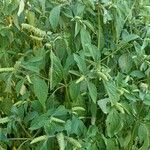
Elsholtzia ciliata
Crested late-summer-mint · Vietnamese Balm · Crested latesummer mint · Crested late-summer mint · Crested Elsholtzia
Description
Source: leafsnapElsholtzia ciliata, commonly known as Vietnamese balm, xiang ru (香薷) or kinh giới in Vietnamese, is a plant native to Asia. In the US, it can go by the name Crested Late Summer Mint. In US Vietnamese grocery stores, it is called Kinh Gioi, Vietnamese Lemon Balm, or Vietnamese Lemon Mint.
Care Guide
💧 Water
Crested late-summer mint thrives in environments with varying moisture levels and shows moderate resistance to drought. Although it prefers consistently moist soil, it requires weekly watering to remain healthy. As an herbaceous plant, crested late-summer mint benefits from being grown outdoors, where it can take advantage of natural rainfall and needs additional watering during dry periods.
How should I water my Crested latesummer mint plant?
To water Crested latesummer mint, there are several options for watering tools you can use, such as a garden hose with a spray nozzle or a watering can. This plant doesn't have strict preferences when it comes to water sources, as it can thrive with rainwater, tap water, or filtered water. However, it's generally recommended to avoid watering this plant from above as it can harm the leaves, flowers, and potentially cause diseases. Setting up a drip irrigation system is often a good watering method for this plant, as it delivers water evenly and directly to the soil. If you have a container-grown Crested latesummer mint, you can use different tools like a cup, watering can, or your tap to water it directly into the soil.
What should I do if I give my Crested latesummer mint too much or too little water?
To prevent underwatering your Crested latesummer mint, simply water it regularly when you notice it needs more moisture. However, overwatering can be a bigger problem if not caught early. Overwatering can lead to diseases and the decline or death of your plant. To prevent this, it's important to choose a suitable location for your plant that receives enough sunlight to dry the soil and has good drainage to avoid waterlogging. If you've overwatered your potted Crested latesummer mint, consider repotting it. The previous container may not have had proper drainage, so use a pot with good drainage and loose soil when repotting.
How many times should I water my Crested latesummer mint plant?
To take care of your Crested latesummer mint, you should water it regularly during the growing season. In the spring, watering once a week should be sufficient. However, as the season progresses and it gets warmer, you may need to increase watering to two or three times a week. It's important not to overwater, as this can harm the plant. Regardless of how often you water, make sure the soil remains moist but not wet. If your Crested latesummer mint is in a pot, you'll need to water it more frequently compared to if it were planted in the ground. Potted plants tend to dry out faster, so aim to water them a few times a week instead of just once.
How much water does my Crested latesummer mint plant need?
Determining the right amount of water for your Crested latesummer mint can be done in a few ways. One approach is to check the soil moisture by feeling it with your hands. If the top six inches feel dry, then it's time to water. Another method is to use a set measurement, such as giving your plant about two gallons of water per week. However, be cautious as this may lead to overwatering if your plant doesn't require that much. When growing in a container, you need to ensure all layers of soil are moist. You can check moisture levels by sticking your finger in the soil or by observing if water starts draining from the pot's holes.
How can I know if I'm giving enough water to my Crested latesummer mint plant?
Avoiding overwatering your Crested latesummer mint can be tricky. These plants have deep roots, so they need weekly watering. However, they are prone to root rot and browning when overwatered. Underwatering is less of a concern as these plants can tolerate dry conditions for a while. However, if you go too long without watering, they may wilt and develop dry leaves.
☀️ Light Full sun
The crested latesummer mint generally does best with steady, plentiful sunlight, though it can also tolerate locations with moderate light. In the wild it is commonly found in open, sunlit areas. A lack of light can impair its growth and vigor, while excessive exposure can lead to reduced leaf color.
How many hours of sunlight does Crested latesummer mint need each day to grow well?
To ensure healthy growth and survival, the plants should be exposed to a minimum of 6 to 8 hours of sunlight each day. It is preferable to provide them with more morning light, especially during the summer season. The Crested latesummer mint, in particular, requires full sun and benefits from as much sunlight as possible. Increasing the light exposure for these species enhances their ability to produce food, showcase beautiful blooms, and ultimately thrive.
What kind of sunlight does Crested latesummer mint need?
The Crested latesummer mint thrives in full sunlight, so it is important to give each plant enough space to ensure even sun exposure. Avoid depriving the leaves of sunlight. If you decide to plant them in pots, place them near windows with direct sun to guarantee they receive full sunlight all year round. These plants do not do well in partial or filtered light, as it weakens the stems and hampers flower growth. It is recommended to always expose the Crested latesummer mint to the sun.
Does sunlight harm plants? How can I keep Crested latesummer mint safe from sun and heat damage?
When the temperature rises above 90℉(32℃), the Crested latesummer mint can be damaged by extreme heat and prolonged sun exposure. It's best to provide some afternoon shade during the summer because the sunlight is stronger and lasts 50% longer compared to winter. If the mint is stressed from too much sunlight, make sure to water it when the top of the soil is about 2 inches dry and consider moving container plants indoors if it's too hot outside. While some wilting during the day is normal, if the mint remains droopy, it means it's losing water quickly and needs to be watered.
Do I need to keep Crested latesummer mint out of the sun to keep it safe?
The Crested latesummer mint thrives in the sun and actually enjoys it. Some species are even heliotropic. It is ideal to plant them in south-facing gardens to give them morning to afternoon sun exposure. However, while the sun is beneficial, there is a risk of sunburn for some plants. To prevent this, consider providing shade in the afternoon and midday, such as under a tree or against a wall. It is not recommended to grow the Crested latesummer mint in shady areas as the larger flowers require a lot of energy to grow and produce. For the best results, always ensure they have full sun lighting conditions.
What will happen if Crested latesummer mint doesn't get enough sunlight?
The Crested latesummer mint relies on adequate sunlight for its photosynthetic process. If it doesn't get enough sunlight or is not placed in full sun locations, the stems will become leggy, thin, and long as they try to find more sunlight. It won't be able to bloom or produce seeds in the shade. Insufficient sunlight also leads to older leaves dying, lighter color in new leaves compared to old foliage, and smaller new growth. So, it's clear that the Crested latesummer mint loves the sun, but it can wilt if exposed to excessive heat and UV light during extreme summer months. To protect it, you can cover it with a net that offers shading, especially in the summer, to prevent leaf and flower damage from scorching. If it's indoors, you can use a fan to decrease the heat.
🌡️ Temperature 5–32.2°C
Crested latesummer mint originates from habitats that experience a wide temperature range, with ideal climatic conditions between 68 and 95 °F (20 to 35 ℃). The plant copes well with seasonal changes, naturally adjusting to temperature variations within its favored range.
What temperature is best for Crested latesummer mint?
The temperature requirements for Crested latesummer mint depend on the time of year. There are two main seasons to consider: the growing season and the dormancy season. During the growing season, when the plant is sprouting, the ideal temperature range should be between 65-80℉ (18-27℃). If it gets colder than 15℉ (-10℃), the plant may suffer, with leaves browning and wilting. However, if it's a brief cold snap, the plant might survive with some assistance. Similarly, during the warmer parts of the year, Crested latesummer mint should be protected from high temperatures. The upper limit for this plant is 95-105℉ (35-40℃). Anything beyond that can harm the foliage and flowers, causing wilting, drooping, and even sunburn on the leaves. Recovering from such damage can be challenging for Crested latesummer mint. Luckily, there are several easy ways to address this issue.
What are the ideal temperatures for a young Crested latesummer mint plant?
If you have a new Crested latesummer mint plant outside in its first year, it may need extra care during the coldest months. Frost can harm the plant and prevent it from growing back in spring. To protect it, keep the temperature above 40℉(5℃) by either bringing it indoors or using mulch or fabric barriers. During the first year or two, it's best to plant the mint in a shadier spot as smaller plants have difficulty regulating their temperature in the heat. Limit direct sunlight to five hours a day if the temperature exceeds 80℉(27℃). Use shadecloth and water or mist the plant regularly to manage summer heat.
How can I keep Crested latesummer mint safe from very hot or very cold weather?
If cold temperatures (below 15℉(-10℃)) occur while the Crested latesummer mint is growing, there are a few ways to protect it from frost or cold damage. If it's in a container, bring the container inside with bright, indirect light until temperatures rise. If it's planted in the ground, you can use mulch or horticultural fabric to create a barrier and protect it from frost and cold wind. For temperatures hotter than 80℉(27℃) in the shade during the day, be careful to limit the amount of sunlight the Crested latesummer mint receives to six hours or less per day, preferably in the morning. You can use shade cloth or a fine plastic mesh to reduce direct sunlight during the hottest parts of the day. Additionally, installing a misting system that releases cooling mist around the base of the plant can help lower ground temperatures during the day.
These are the temperatures recommended for the dormant season of Crested latesummer mint.
Crested latesummer mint needs a certain level of cold in the winter to stay dormant until it's time to sprout. Sprouting too early, before the last frost, can be fatal to the plant, especially if it has already started growing. Ideally, winter temperatures should be below 32℉(0℃), but temperatures up to 40℉(5℃) are generally okay. In more temperate climates like woodland rainforests, unexpected warm spells can cause the mint to sprout prematurely. If there is still a risk of frost, covering the sprout with clear plastic can help protect it. This covering can be removed once the frost danger has passed. Sometimes, the mint will naturally sprout at the right time, but using this method increases the chances of successful sprouting.
💨 Humidity
🪴 Soil 6-7
🌱 Fertilizer
To maximize the yield and flavor of Crested latesummer mint, provide ample nitrogen throughout the growth cycle, from pre-planting through harvest. Plants that are well-watered and properly fertilized will produce abundant, healthy leaves and reduce bitterness. Before planting, enrich the soil with organic matter such as compost or manure, ideally 2 to 8 weeks beforehand.
Why should I put fertilizer on my Crested latesummer mint?
Plants require nutrients to grow, but some can obtain what they need naturally without the use of fertilizers. Crested latesummer mint, like other plants, also relies on nutrients for growth and internal processes. The main nutrients that plants need are nitrogen, phosphorus, and potassium, each serving different essential functions. Specifically, nitrogen is crucial for foliage growth. However, obtaining enough nitrogen directly from the soil can be challenging for Crested latesummer mint. Consequently, many gardeners choose to supplement their plants by providing a nitrogen source for Crested latesummer mint.
When should I fertilize my Crested latesummer mint plant?
Crested latesummer mint usually grows well, but it benefits from monthly fertilization during the spring and summer when it is actively growing. Avoid fertilizing it during the fall and winter when it is less active. New growth is a signal to begin fertilizing. The fertilization schedule remains unchanged whether the plant is grown outside or in a container indoors. If it is in a container, there may not be a need for fertilization for the first one to two months. Container potting soil already contains enough nutrients, so start fertilizing after the plant has been in the same soil for a while.
When should I not add fertilizer to my Crested latesummer mint?
To ensure the best results for your Crested latesummer mint, avoid fertilizing it if it is not in good health, such as when it has a disease or insect pests. Additionally, refrain from fertilizing a dehydrated plant as it could worsen the problem. It's important to only fertilize healthy plants. When watering, take care not to splash fertilizer onto the leaves or stem, as this can cause burned spots. Unless you are using a special fertilizer meant for foliage application, be cautious not to allow direct contact between the fertilizer and the plant.
What kind of fertilizer does my Crested latesummer mint plant need?
Fertilizers contain essential nutrients like nitrogen, potassium, phosphorus, iron, manganese, and zinc. These elements are important for promoting growth in Crested latesummer mint. For this type of mint, a balanced fertilizer like one with a 10-10-10 NPK number works well. Natural fertilizers like blood meal or worm castings are also effective. Alternatively, you can choose a fertilizer with higher nitrogen levels, as this supports leaf growth, which is desirable in Crested latesummer mint. It's unnecessary to provide excessive supplements for flowers or seeds if that's not your goal for growing the plant.
How should I fertilize my Crested latesummer mint plant?
Follow these steps to properly apply fertilizer to your Crested latesummer mint. To start, refer to the instructions on the specific fertilizer you purchased. It's recommended to begin with half-strength fertilizer to prevent over-fertilization, which is a common issue with this plant. It's easier to add more fertilizer later if needed, rather than trying to rescue an over-fertilized plant. Next, ensure that the soil is not dry before applying fertilizer. It should already be somewhat moist, as this helps the fertilizer absorb efficiently and prevents fertilizer burn. Also, remember to water the soil after applying dry fertilizers. Different fertilizers have different application methods. Some are meant to be mixed into the soil during planting, while others are applied on top of the soil and then watered in. For most Crested latesummer mint varieties, a water soluble fertilizer is a convenient choice. Simply mix the recommended dosage of fertilizer into your watering can and use it to water the plant as usual. If you prefer not to remember to fertilize monthly, slow-release granules or fertilizer spikes can be effective alternatives.
🪴 Pot & Repot
✂️ Pruning
Crested late-summer mint flourishes when pruned in early spring, encouraging vigorous growth throughout the summer. To maintain healthy airflow, remove any dead stems. Conduct additional pruning later in the season to shape the plant. Making clean cuts helps prevent infections, which promotes the plant's health and blooming. By scheduling your pruning efforts, you can enhance both the beauty and overall vitality of your crested late-summer mint.
🌿 Propagating
🐛 Diseases & pets
☠️ Toxicity
Characteristics
- Plant Type
- Herb
- Life Cycle
- Annual, Perennial
- Genus
- Elsholtzia
- Family
- Lamiaceae
- Hardiness Zone
- 4-8
- Mature Height
- 61 cm
- Mature Spread
- 61 cm
- Leaf Color
- Green
- Leaf Type
- Semi-evergreen
- Flower Color
- Purple, Mauve
- Flower Size
- 2.03 cm to 6.35 cm
- Bloom Time
- Late summer, Early fall, Mid fall
- Planting Time
- Spring, Autumn
- Harvest Time
- Mid fall, Late fall, Early winter
- Native Area
- India, Malaysia, Pakistan, Russia, Indonesia, Cambodia, Koppen, South Korea, Nepal, Laos, China, Afghanistan, Kazakhstan, Vietnam, Myanmar, Mongolia, Japan, Bhutan, Thailand