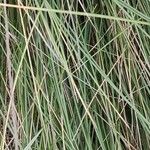
Elytrigia juncea
Sand Couch · Sea wheatgrass
Description
Source: leafsnapElytrigia juncea, commonly known as tall wheatgrass, is a perennial grass species belonging to the Poaceae family. Native to Europe and Asia, it has been introduced and naturalized in various parts of the world, including North America. Tall wheatgrass can grow up to 2 meters in height and boasts a robust root system, making it an excellent choice for erosion control. Its leaves are long and narrow with rough edges, and its flowers are arranged in dense spikes at the top of its stems. This plant is highly adaptable to different soil types but prefers well-drained soils with moderate moisture levels. While it can tolerate drought conditions once established, it does not thrive in waterlogged soils. Tall wheatgrass has several uses, such as forage for livestock grazing or hay production, due to its high protein content. Additionally, it serves as an excellent cover crop, suppressing weeds and improving soil health through nitrogen fixation. In summary, Elytrigia juncea, or tall wheatgrass, is a versatile plant species that provides numerous benefits. These include erosion control, livestock feed production, and use as a cover crop, making it an essential component of many agricultural systems worldwide.
Care Guide
💧 Water Every 7 days
☀️ Light Full sun
Sand couch is a sun-loving perennial herbaceous plant native to open habitats, frequently found in meadows and grasslands. It prefers full sun but can also tolerate partial sun.
🌡️ Temperature 5–35°C
Sand couch can tolerate a wide range of temperatures, but its distribution can still be restricted by various combinations of moisture and heat. It performs best in warm summer climates with sufficient rainfall or irrigation. Extended periods of cloudy, rainy weather or prolonged high temperatures can raise the risk of Sand couch dying. In winter, adequate protection from cold can enhance the plant's chances of survival.
💨 Humidity
🪴 Soil 6-8
🌱 Fertilizer
Sand couch needs extra nutrients to encourage healthy new growth. In spring, placing compost around the plant’s base will effectively supply the nutrition it requires. Fertilizing supports vigorous growth and helps the plant resist diseases and pests.
🪴 Pot & Repot
✂️ Pruning
🌿 Propagating
🐛 Diseases & pets
☠️ Toxicity
Characteristics
- Plant Type
- Grass
- Life Cycle
- Perennial
- Genus
- Elytrigia
- Family
- Poaceae
- Hardiness Zone
- 4-9
- Mature Height
- 30 cm to 76 cm
- Mature Spread
- 20 cm to 40 cm
- Leaf Color
- Light Green
- Leaf Type
- Semi-evergreen
- Flower Size
- 1.02 cm to 2.03 cm
- Bloom Time
- Early summer, Mid summer
- Planting Time
- Spring, Summer
- Harvest Time
- Late summer, Early fall
- Native Area
- Libya, Egypt, Turkey, Sweden, Montenegro, Slovenia, Morocco, Croatia, Russia, Romania, Belgium, Portugal, Netherlands, France, Tunisia, Cyprus, Bulgaria, Poland, Greece, Ukraine, Lebanon, Serbia, Norway, Syria, Italy, Spain, Denmark, Finland, Israel, Albania, Ireland, United Kingdom, Algeria