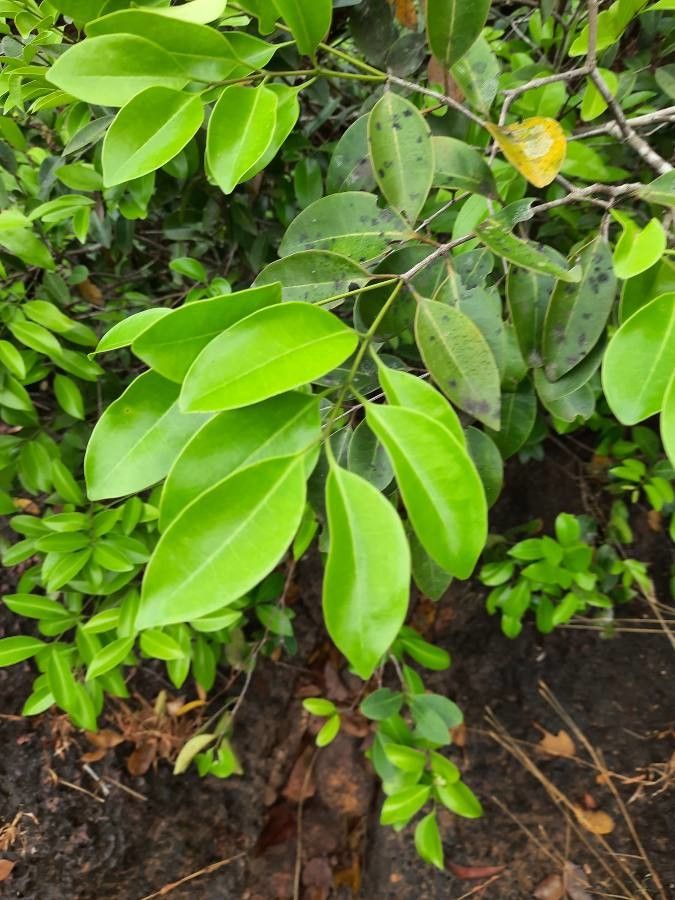
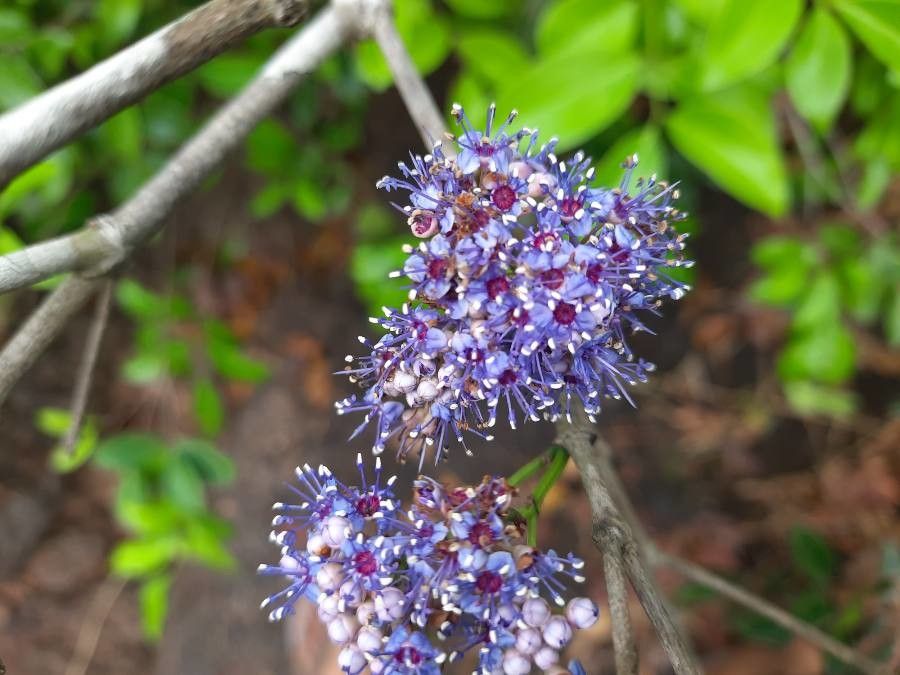
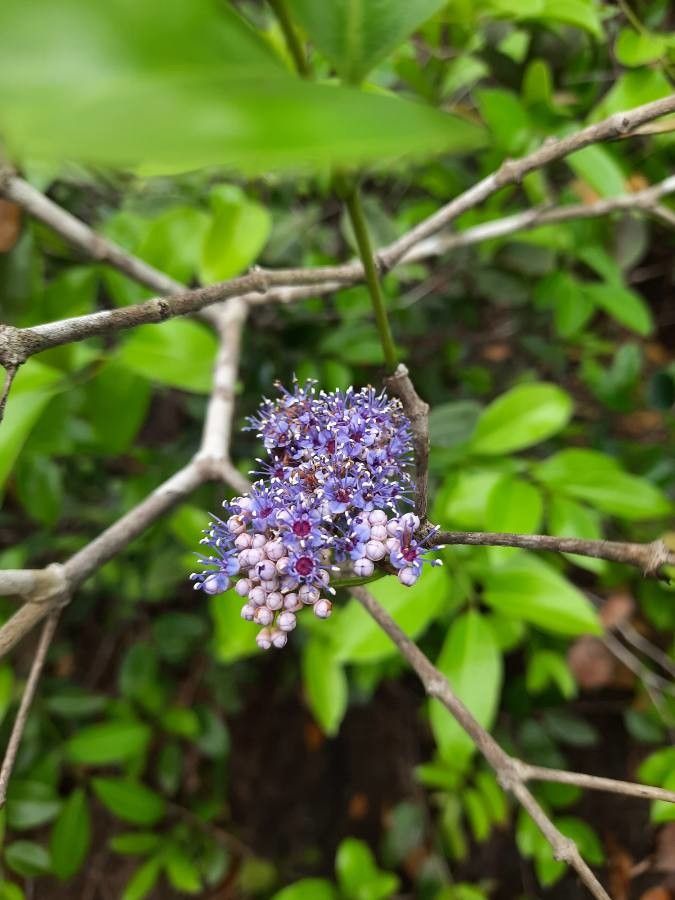
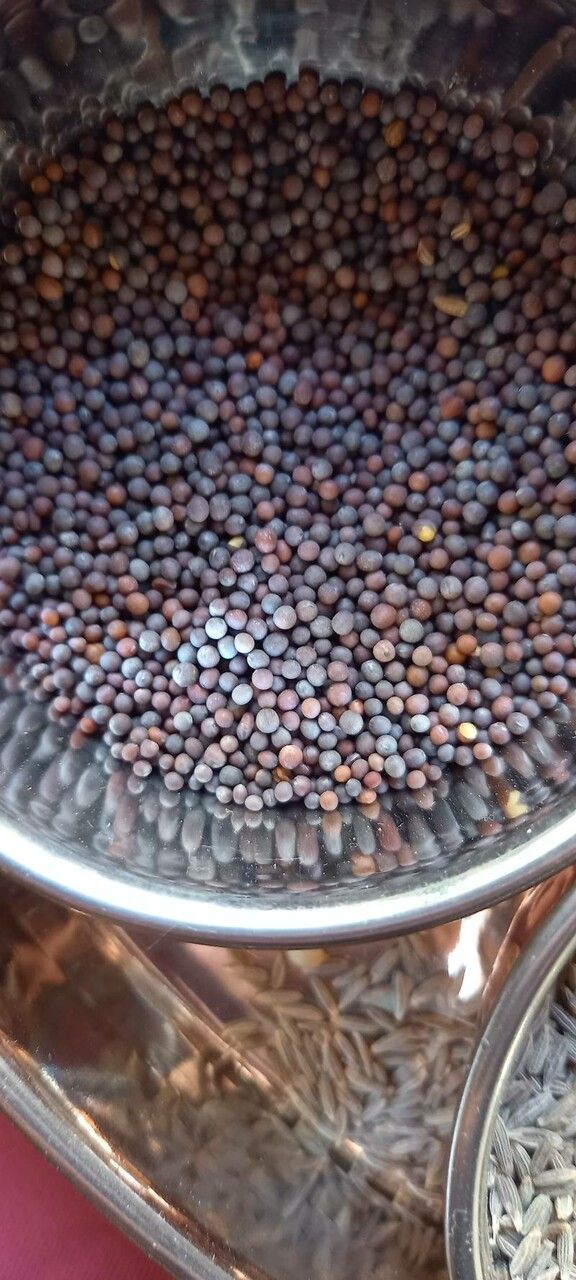
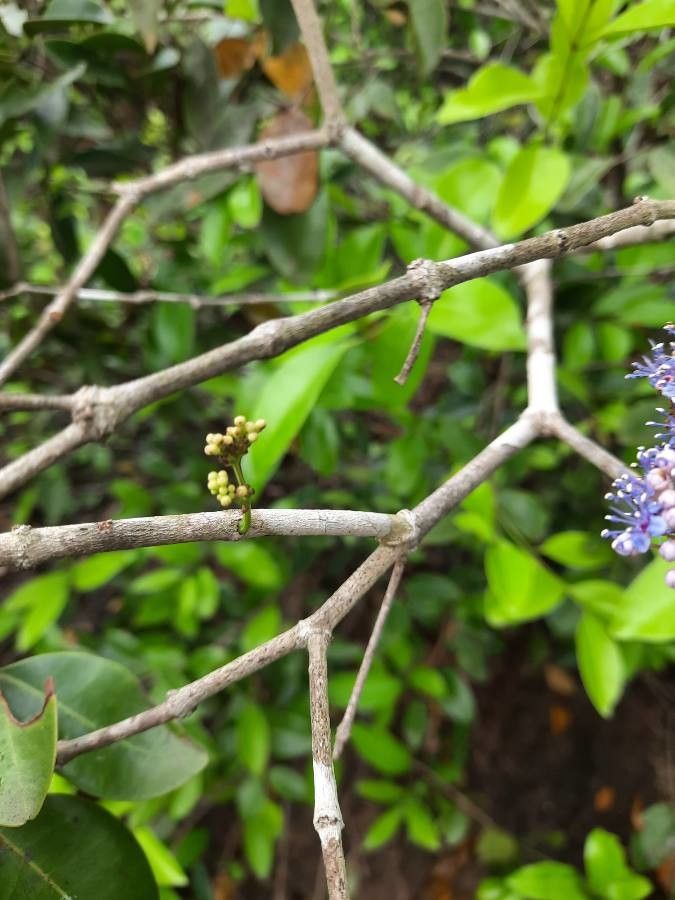
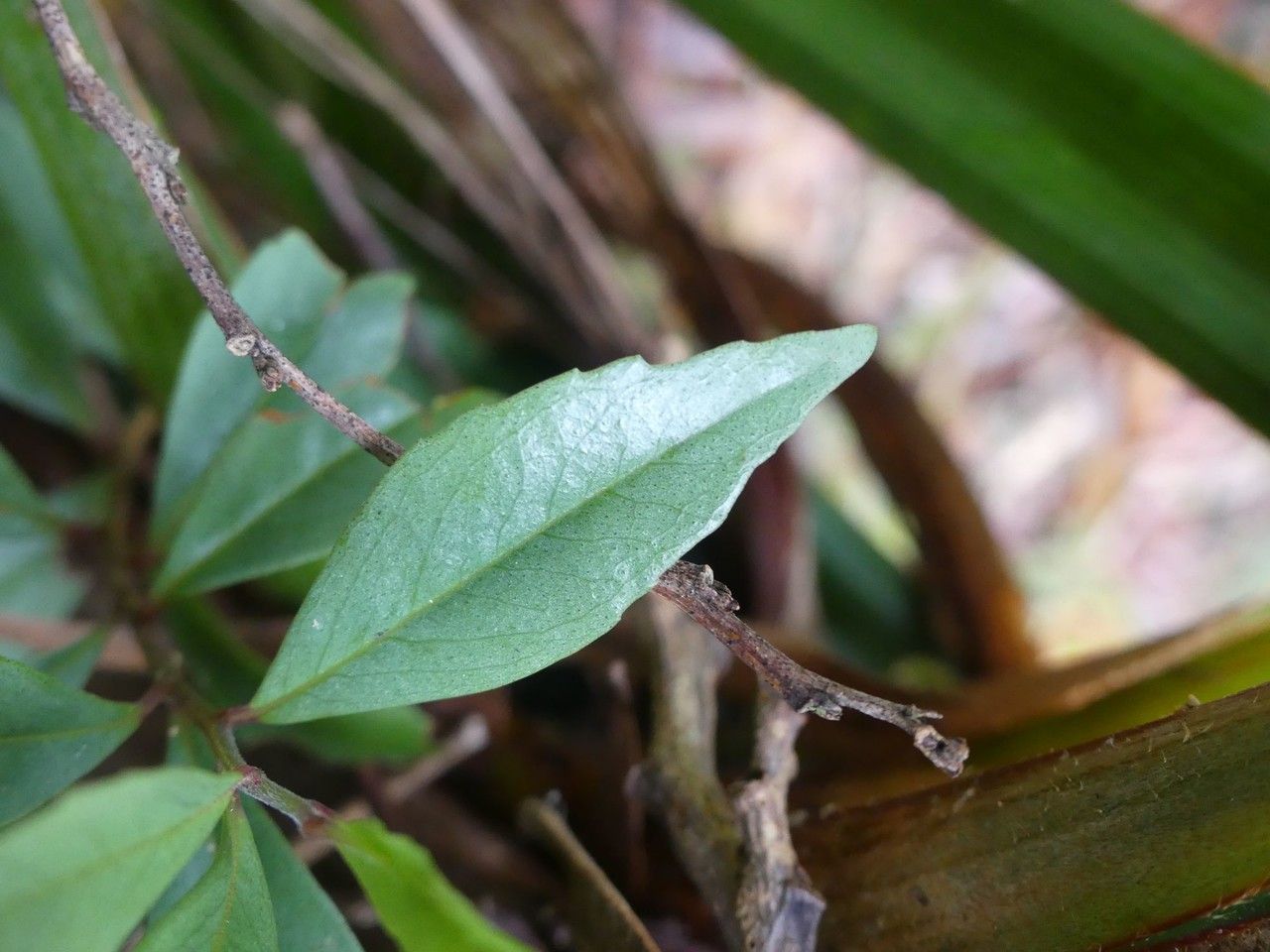
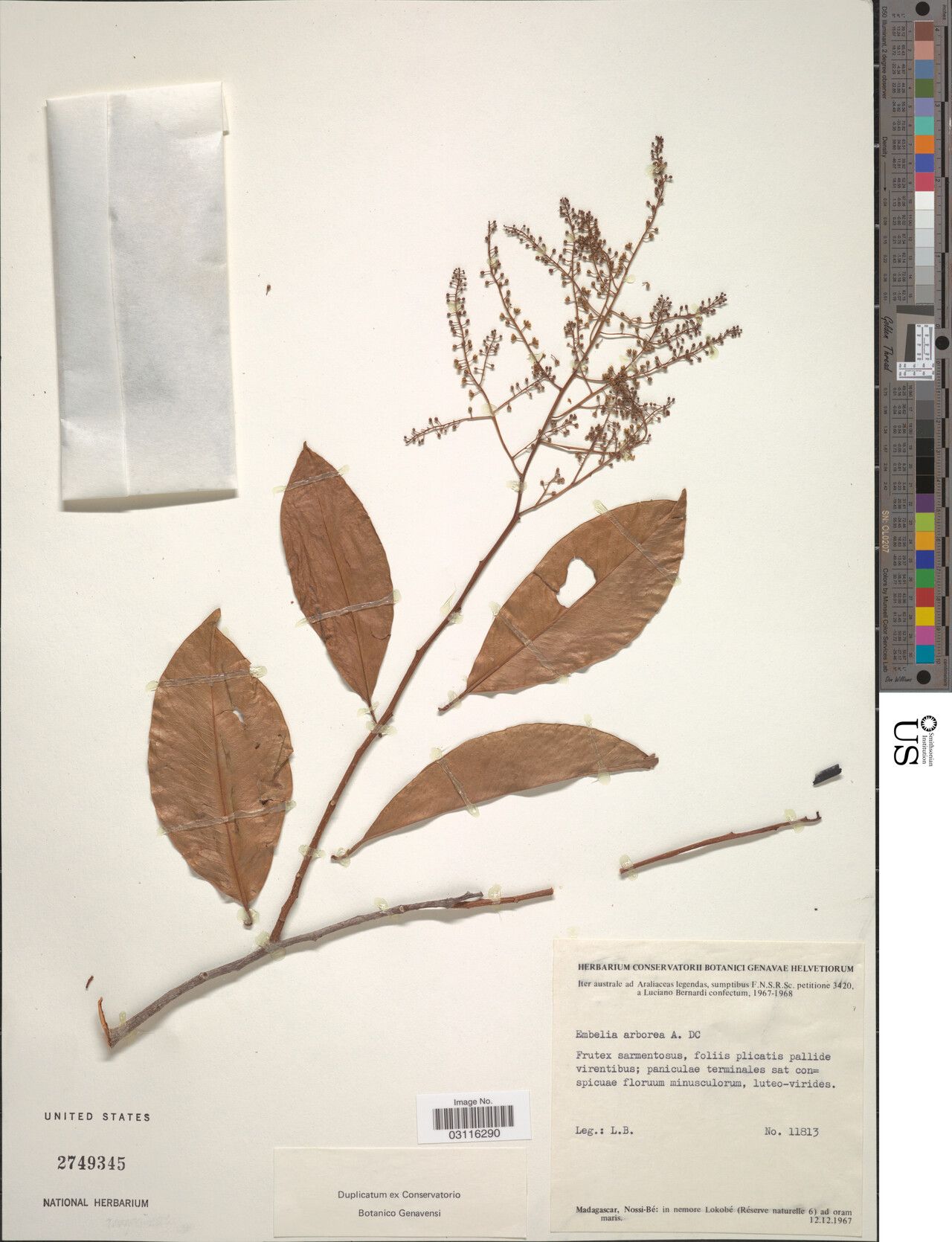
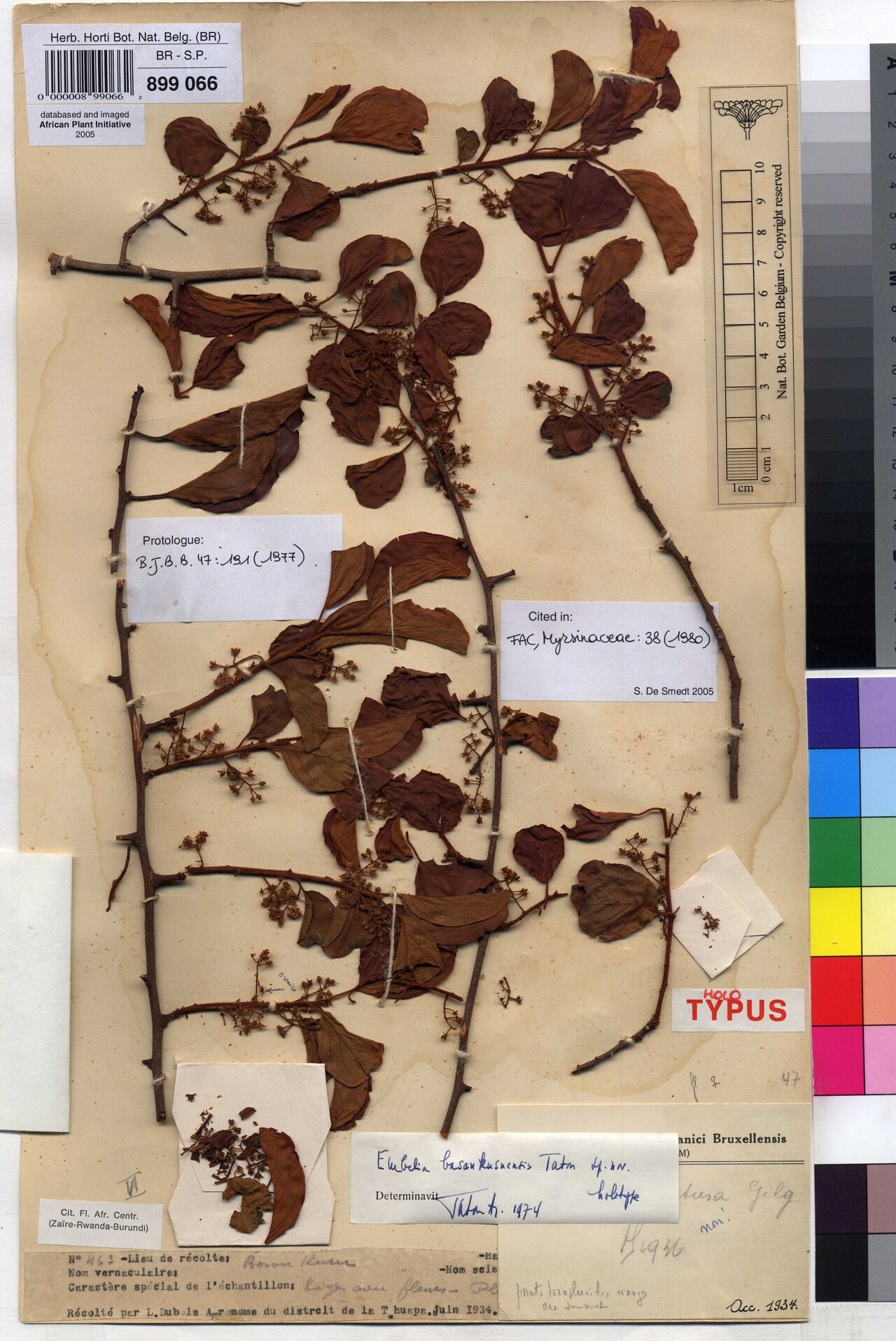
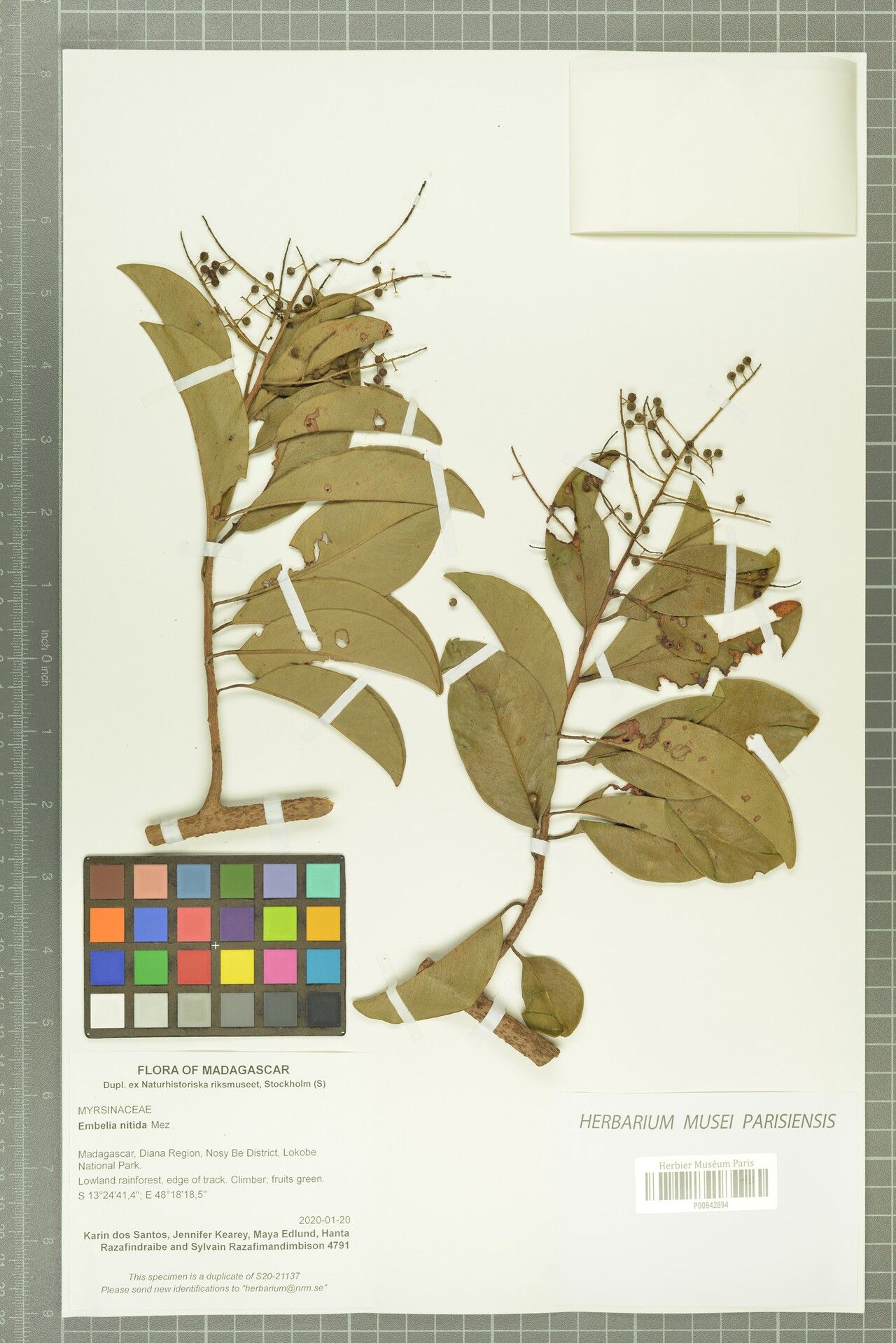
Embelia ribes, commonly known as false black pepper, white-flowered embelia, vidanga, vaividang, vai vidang, or vavding, is a species in the family Primulaceae. It was originally described by Nicolaas Laurens Burman in his 1768 publication, Flora Indica. It is widely distributed throughout India. In Ayurveda and Siddha, it is considered widely beneficial in variety of diseases In particular embelin isolated from dried berries of Embelia ribes has a wide spectrum of biological activities.
False black pepper has strong resistance to disease and is generally not susceptible to illnesses. In terms of care, this plant is fairly low-maintenance. When grown outdoors it needs minimal watering, and larger plants usually do not require pruning. Smaller plants, however, should be pruned after they have bloomed. False black peppert is suitable for people with an outdoor space, such as a garden or deck, and does not require a lot of care experience.
How to keep Embelia Ribes.
Light
False black pepper grows best under moderate light, promoting healthy growth and vitality. Excessive light can cause the leaves to brown or wilt, while insufficient light may lead to stunted growth. It comes from habitats where sunlight is filtered by taller vegetation.
Water
False black pepper is well-adapted to drought conditions and can tolerate dry spells, needing to be watered only every three weeks. This plant prefers drier conditions over constant wetness. To help retain soil moisture during its active growth phase in warmer climates, mulching is beneficial. While it thrives with consistent but moderate hydration, excessive watering should be avoided to maintain its optimal health.
Temperature
False black pepper is native to environments where temperatures range from 68 to 100.4 °F (20 to 38 ℃). It performs best within those thermal limits. In different seasons, keeping and monitoring the surrounding temperature close to this range ensures optimum growth.
Fertilizer
Fertilization is essential for caring for False black pepper. Regular feeding during the growing season helps maintain energy for its showy leaves and supports overall growth. Skipping fertilization can cause unhealthy leaves, reduced ornamental appeal, and stunted or weak growth that is more likely to break.
Botanical profile.
- Plant Type
- Vine, Shrub
- Life Cycle
- Perennial
- Genus
- Embelia
- Family
- Primulaceae
- Hardiness Zone
- 10-12
- Mature Height
- 3.05 m to 6.1 m
- Mature Spread
- 0 cm to 1 cm
- Leaf Color
- Dark Green, Forest Green
- Leaf Type
- Semi-evergreen
- Flower Color
- White
- Flower Size
- 0.25 cm to 0.51 cm
- Bloom Time
- Early summer, Mid summer
- Planting Time
- Spring, Autumn
- Harvest Time
- Early fall, Mid fall
Other names.
Reader questions.
What are the sunlight requirements for False Black Pepper plants?
False Black Pepper plants require about 3-6 hours of sunlight daily to thrive. The right balance of light and shade is crucial for their growth, indicating the need to observe how sunlight moves through your garden to find the perfect spot. These plants originate from environments where sunlight is filtered through taller vegetation. In the case of insufficient natural light, especially during winter or in less sunny spaces, artificial lighting can provide the necessary support for healthy growth. LED lights are recommended due to their efficiency and the ability to customize the wavelengths needed by the plant. Different plants require varying intensities of artificial light, ranging from 10-50W/sq ft, depending on whether they are full sun, partial sun, or full shade plants.
What is the native climate for False black pepper?
False black pepper, botanically known as Embelia ribes, is native to climates where temperatures range between 68 to 100.4 °F (20 to 38 °C). It thrives best within these thermal conditions, requiring close attention and adjustment of the ambient temperature across different seasons to ensure optimum growth. It is a heat-loving plant, vulnerable to the adverse effects of cold temperatures, necessitating measures such as moving outdoor plants indoors to a brightly lit window away from heaters during colder months, specifically in autumn, to maintain ideal growth conditions.
What symptoms indicate inadequate lighting for False Black Pepper plants?
Inadequate lighting can lead to several issues for False Black Pepper plants, including smaller new leaves, leggy or sparse growth, faster leaf drop, slower or no new growth, lighter-colored new leaves, chlorosis, sunscald, leaf curling, wilting, and leaf scorching. These symptoms stem from insufficient light exposure, excessive sunlight, or both. The appearance of these symptoms often indicates that the plant is either struggling to receive adequate light to support its growth or is being damaged by excessive direct sunlight.
How does False black pepper react to low temperatures?
False black pepper prefers warm climates and does not tolerate low temperatures well. It thrives optimally when the temperature remains above 20°C, with winter temperatures ideally kept above 5°C to avoid damage. Temperatures falling below 1°C can lead to leaves lightening in color, progressing to brown or black as frost damage worsens, accompanied by wilting and drooping symptoms. To counteract frost damage, affected parts should be trimmed off, and the plant should be relocated indoors to a warmer setting, preferably near a south-facing window to ensure it receives ample sunlight. It is also advisable to avoid placing the plant near heaters or air conditioning vents to prevent the air around it from becoming excessively dry.
How can you address lighting issues for False Black Pepper plants?
To address lighting issues for False Black Pepper plants, gradually increase their exposure to sunlight by shifting them to sunnier spots each week until they receive the appropriate amount of daily sunlight (3-6 hours). For large or immovable plants indoors, consider supplementing with artificial light, keeping a desk or ceiling lamp on for at least 8 hours daily, or investing in professional plant grow lights. Outdoor plants should also be moved gradually to adapt without the risk of sunburn. If sunlight is obstructed by physical barriers, consider pruning or transplanting smaller plants to areas with better sunlight and drainage. Note that parts of the plant affected by insufficient sunlight may not recover, but new growth should be healthy following improved light exposure.
What should be done if False black pepper experiences high temperatures?
During the summer months, it's crucial to keep the temperature surrounding False black pepper below 38°C to prevent heat stress. Exposure to temperatures above 43°C can cause the leaves to lighten and make the plant more prone to sunburn. To alleviate sunburn or damage from high temperatures, trim away the affected parts and relocate the plant to an area shielded from the intense midday and afternoon sun. Additionally, watering the plant in the morning and evening will help keep the soil adequately moist during periods of high heat.