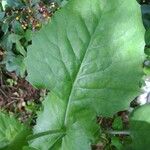
Emilia fosbergii
Florida Tasselflower · Candle plant · Greasebush · Tasselflower · Cupid's shaving-brush
Description
Source: leafsnapEmilia fosbergii is a species of flowering plant in the Asteraceae family, commonly known as Fosberg's tasselflower. It is native to tropical regions of Africa, Asia, and Australia. The plant typically grows up to 60 cm tall and has slender stems with narrow leaves arranged alternately along the stem. The flowers are small, yellow-orange in color, and have a distinctive tassel-like appearance, which gives rise to its common name. Emilia fosbergii is often grown as an ornamental plant due to its attractive flowers and foliage. Additionally, it has medicinal properties and has been traditionally used to treat various ailments such as fever, coughs, and skin infections. The plant prefers well-drained soils in full sun or partial shade for optimal growth but can tolerate a wide range of soil types if provided with adequate moisture levels.
🌳 The bright blooms of florida tasselflower are not widely utilized in human industries, but their eye-catching look and nectar serve as an important resource for pollinators. They particularly draw butterflies, making florida tasselflower a strong option for butterfly gardens in tropical areas. The plant’s capacity to attract a range of pollinators can aid ecosystem health, revealing a lesser-known but ecologically important role beyond simple ornamental appeal.
🎭 Inventiveness
Care Guide
💧 Water Every 7 days
The Florida tasselflower flourishes in tropical settings, where it prefers high humidity and consistently moist, well-draining soil. To support its growth, it should be watered weekly. While it's usually grown outdoors, the plant benefits from natural light and sufficient rainfall during the growing season, which helps to replicate its native habitat.
How should I water my Florida tasselflower to keep it healthy?
There are several ways to water Florida tasselflower, such as using a garden hose with a spray nozzle, a watering can, or any other common watering tool. This plant is not too picky when it comes to water sources and can survive on rainwater, tap water, or filtered water. It is recommended to avoid watering this plant from overhead because it can damage the leaves and flowers and may cause disease. A drip irrigation system is often the best method for watering, as it evenly applies water directly to the soil. For container-grown Florida tasselflowers, you can use a cup, watering can, or tap to water the soil directly.
What should I do if I give too much or too little water to my Florida tasselflower?
The solution for underwatering Florida tasselflower is simple: when you notice it lacks moisture, start watering it more regularly. On the other hand, overwatering can be much more problematic if not detected early on. When Florida tasselflower is overwatered, it becomes susceptible to diseases that can cause its decline and death. To prevent this, select a suitable growing spot with ample sunlight to dry the soil and good drainage to avoid pooling water. If you overwater a potted Florida tasselflower, consider switching it to a new pot with proper drainage. Use loose soil and an efficiently draining pot when repotting the overwatered plant.
How frequently do I need to water my Florida tasselflower?
To properly care for your Florida tasselflower, it's important to water it regularly throughout the growing season. In the beginning of spring, aim to water the plant once per week. As the season progresses and the weather gets warmer, you may need to increase this to two or three times per week. However, be cautious not to overwater the plant, as this can be harmful. It's crucial to maintain moist soil, but not excessively wet, regardless of how often you need to water. Keep in mind that watering a potted Florida tasselflower requires slightly more attention. Potted soil tends to heat up and dry out faster than ground soil, so plan to water container-grown tasselflower a few times per week, compared to just once per week for plants in the ground.
How much water does my Florida tasselflower require?
To determine how much water to give your Florida tasselflower, there are a few methods you can use. One option is to feel the soil for moisture and water until the first six inches of soil are moist. Another approach is to measure out about two gallons of water per week, adjusting depending on the temperature and drying rate of the soil. However, be cautious of overwatering if your plant needs less than two gallons per week. When growing your tasselflower in a container, the watering method is different. You should water enough to moisten all layers of dry soil, which you can test by inserting your finger into the soil or by observing a slight trickle of excess water coming out of the pot's drainage holes.
How do I know if I'm giving enough water to my Florida tasselflower?
Avoiding overwatering your Florida tasselflower can be challenging due to conflicting needs. These plants need weekly moistening of the soil because they have deep roots. However, they are highly prone to root rot and can develop browning from overwatering. Underwatering is less of a concern as these plants can survive for a while without supplemental watering. However, if you wait too long to water them, they will likely wilt and develop dry leaves.
☀️ Light Full sun
Florida tasselflower grows best where it receives plentiful light throughout the day. It can also tolerate settings where only part of the day is sunlit. However, prolonged exposure to excessively intense sunlight or too little light can both negatively affect its overall growth. Having originated in a sunny habitat, the species clearly shows a tendency to seek sunlight.
What are the sunlight requirements for Florida Tasselflower?
Florida Tasselflower requires an environment with abundant light exposure throughout the day for optimal growth. It thrives in both full sun, which is above 6 hours of sunlight, and partial sun, about 3-6 hours of sunlight. It's vital to monitor the movement of sunlight through your garden to ensure that your plants receive the right balance of light and shade, as both insufficient and excessive exposure to sunlight can negatively impact their development.
How can artificial lighting benefit my indoor Florida Tasselflower?
Indoor Florida Tasselflower plants require adequate lighting for optimal growth, especially when natural sunlight is insufficient. Artificial lights, such as LED lights, provide a vital solution by offering the specific wavelengths of light that plants need. For full sun plants, 30-50W per square foot is recommended; for partial sun plants, 20-30W per square foot; and for full shade plants, 10-20W per square foot. The light source should be placed 12-36 inches above the plant to mimic natural sunlight, and most plants need 8-12 hours of light per day.
What symptoms indicate my Florida Tasselflower is getting inadequate light?
Symptoms of inadequate light in Florida Tasselflower include small or lighter-colored new leaves, leggy or sparse growth, faster leaf drop, slowed or halted new growth, chlorosis (leaves turning yellow), sunscald, leaf curling, wilting, and leaf scorching. These symptoms signal that the plant’s light environment needs adjustment to meet its natural requirements for full sunlight.
What solutions can I implement for Florida Tasselflower facing light issues?
For indoor Florida Tasselflower plants, gradually move them to a sunnier location to ensure they receive at least 6 hours of direct sunlight daily, use a south-facing window, and consider using artificial lighting if needed. For outdoor plants, it is crucial to adapt them to sunlight gradually to prevent sunburn. Reducing obstructions, such as pruning trees that block sunlight, and transplanting smaller plants during their dormant period to a location with ample sunlight and good drainage, are effective strategies to improve light exposure. Remember, while parts of the plant that suffered from insufficient light may not recover, new growth should be healthy with improved light conditions.
🌡️ Temperature 20–37.8°C
The florida tasselflower needs a warm climate to grow and is native to warm regions. For optimal growth, it prefers temperatures between 68 and 100 ℉ (20 and 38 ℃). In colder seasons, it is recommended to keep the temperature above 50 ℉ (10 ℃) to prevent frost damage.
What is the ideal climate for the Florida Tasselflower?
The Florida tasselflower, known botanically as Emilia fosbergii, thrives in warm climates, being native to warm regions. It flourishes in temperatures ranging from 68 to 100°F (20 to 38°C). To protect the plant from frost damage during colder seasons, it's important to keep the environment above 50°F (10°C). Florida tasselflower is especially heat-loving and can be harmed by cold temperatures. In autumn, if the plant is grown outdoors, it's recommended to bring it indoors and place it near a bright window, maintaining a balance by keeping it away from heaters to ensure the temperature stays above 20°C. Extreme cold approaching 0°C is harmful to the plant.
How should you care for the Florida Tasselflower in low temperatures?
In colder weather, the Florida tasselflower, which prefers temperatures above 20°C, should be kept above 0°C to avoid damage. Exposure to temperatures below -5°C may cause the leaves to lighten in color and, following frost damage, turn brown or black, displaying symptoms like wilting and drooping. To care for a plant affected by low temperatures, trim off the frost-damaged parts and move the plant indoors to a warm environment promptly. Place the plant near a south-facing window to ensure it gets sufficient sunlight but avoid placing it near heaters or air conditioning vents to prevent the air around it from becoming too dry.
What steps should be taken if the Florida Tasselflower is exposed to high temperatures?
During the summer, it is essential to ensure that the Florida tasselflower is kept below 38°C to prevent heat stress. Should the temperature rise above 43°C, the plant may exhibit signs of stress such as lighter leaf color and increased susceptibility to sunburn. To mitigate these issues, trim away sunburned and dried parts of the plant. Relocate the plant to an area with shade, especially from the midday and afternoon sun. Additionally, watering the plant in the morning and evening can help keep the soil consistently moist, aiding in the plant's recovery and continued health.
💨 Humidity
🪴 Soil 6-7
🌱 Fertilizer
Florida tasselflower benefits from regular, light applications of fertilizer to encourage healthy leaf development. You should fertilize it about once a month during the summer. Nitrogen is essential for foliage, and supplying nitrogen-rich sources helps Florida tasselflower thrive.
🪴 Pot & Repot
✂️ Pruning
🌿 Propagating
🐛 Diseases & pets
☠️ Toxicity
Characteristics
- Plant Type
- Herb
- Life Cycle
- Annual, Perennial
- Genus
- Emilia
- Family
- Asteraceae
- Hardiness Zone
- 9-12
- Mature Height
- 91 cm
- Mature Spread
- 0.91 m to 2.13 m
- Leaf Color
- Green
- Leaf Type
- Deciduous
- Flower Color
- Red, Orange
- Flower Size
- 2.54 cm
- Bloom Time
- All year round
- Planting Time
- Spring
- Harvest Time
- All year round
- Native Area
- Angola, Nigeria, Kenya, Uganda, Tanzania, Zimbabwe, Sierra Leone, Cameroon, Liberia, Mozambique, Burundi, Ghana, Central African Republic, Congo, Zambia, Chad, Togo, Côte d'Ivoire, Gabon