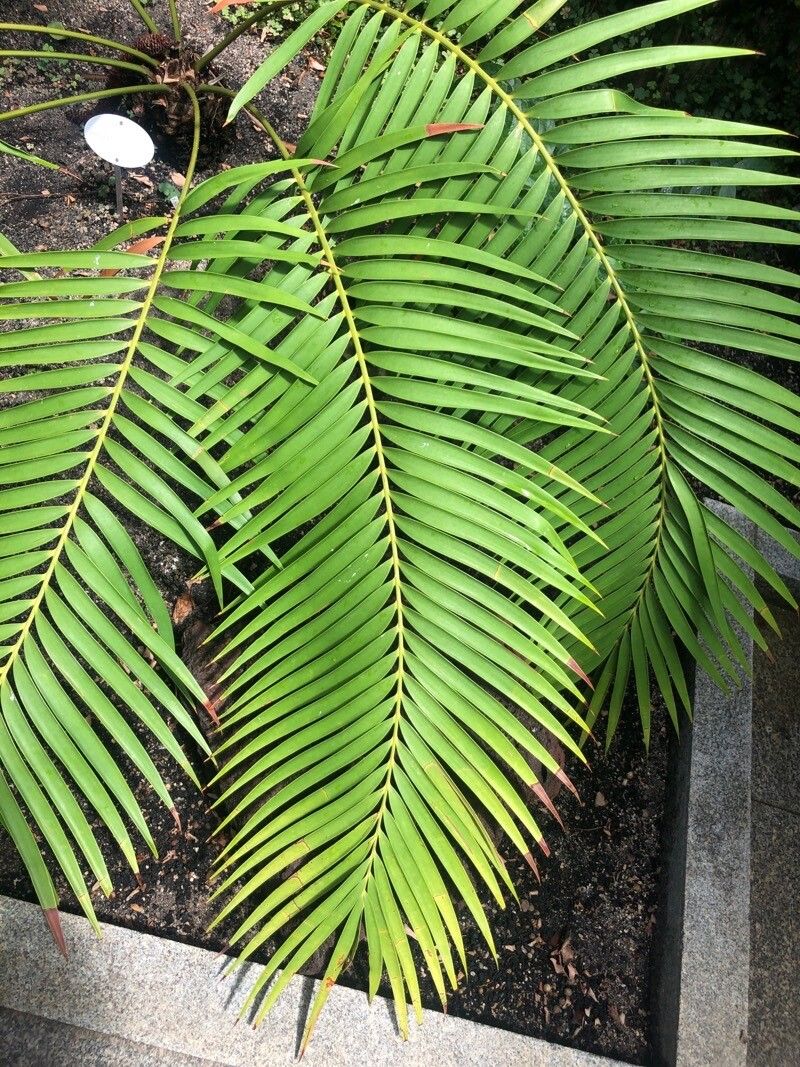
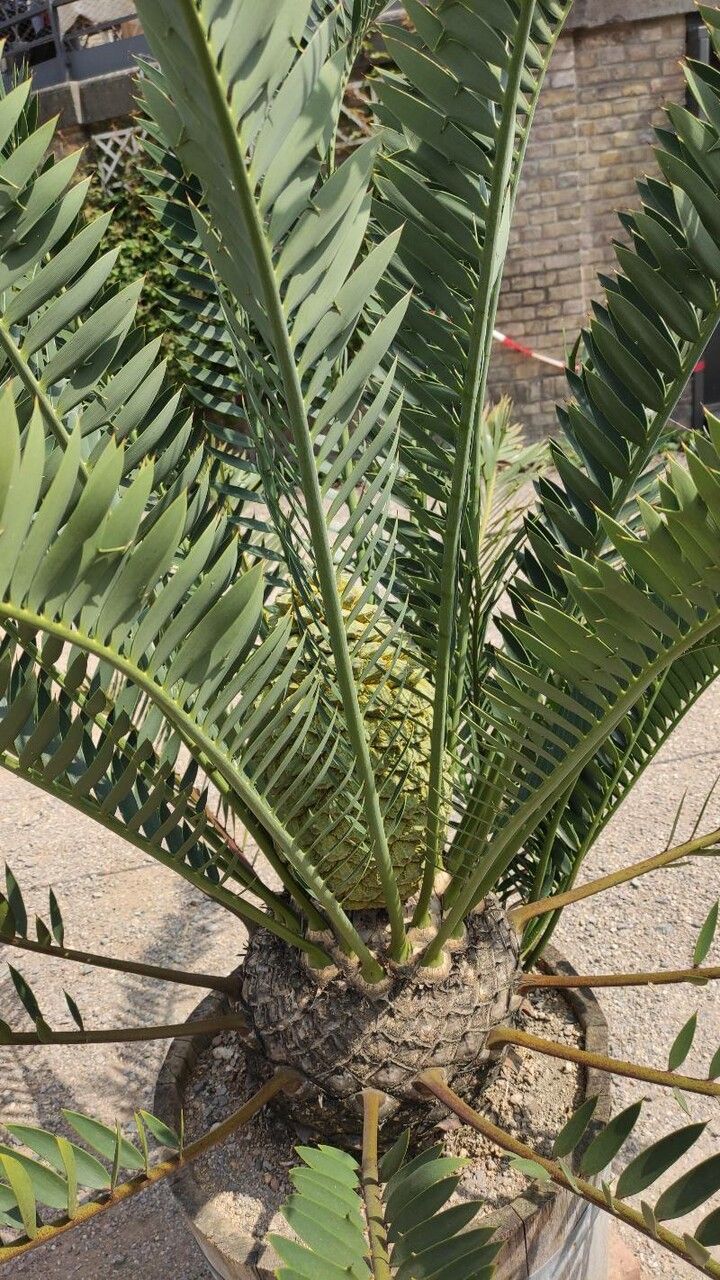
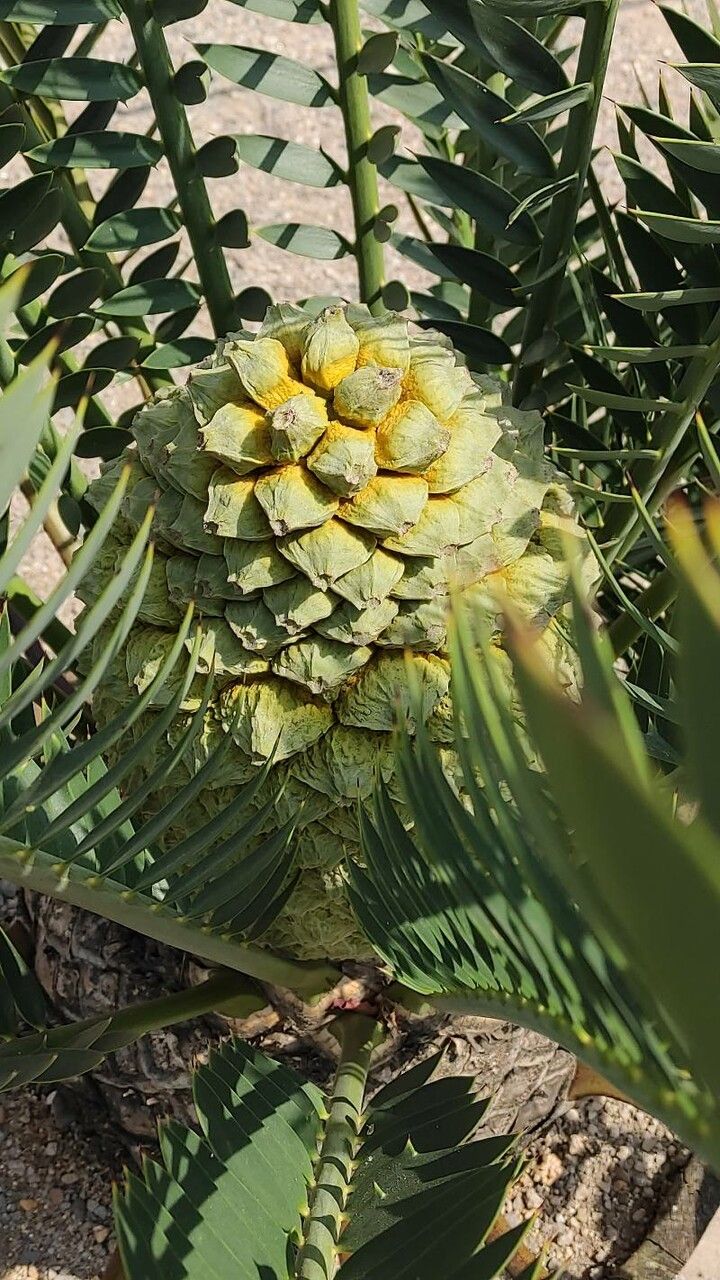
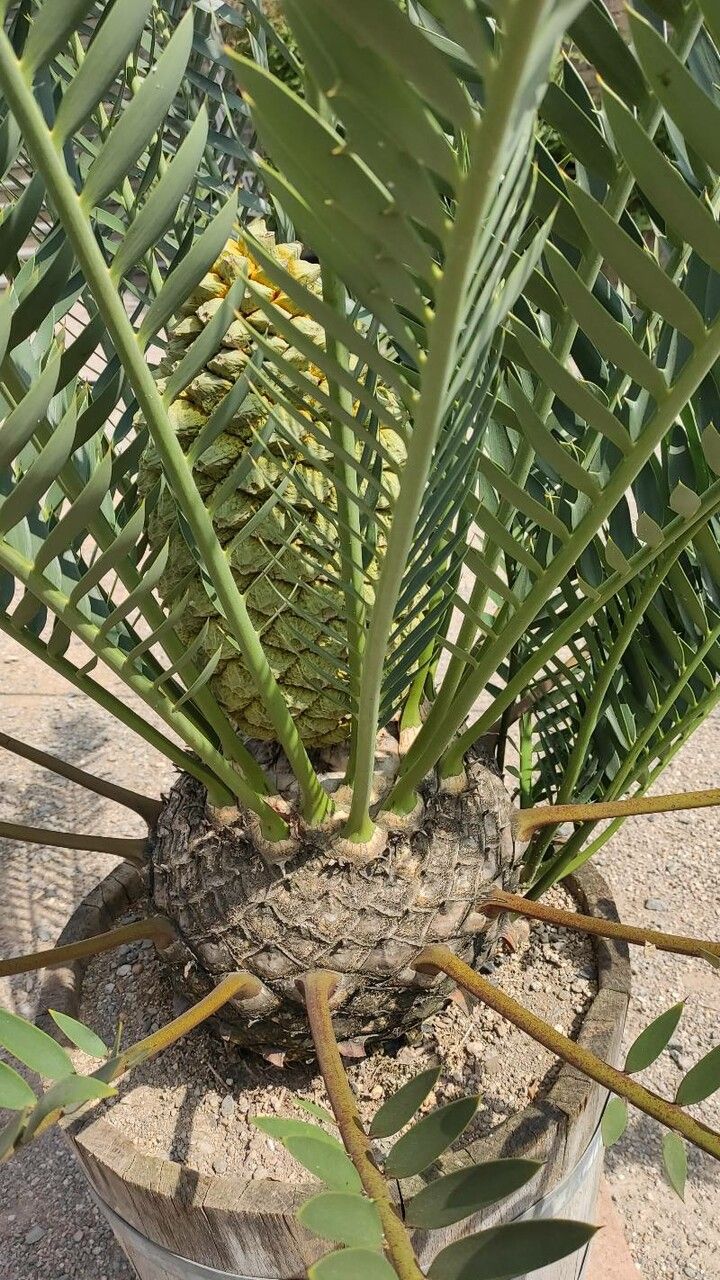
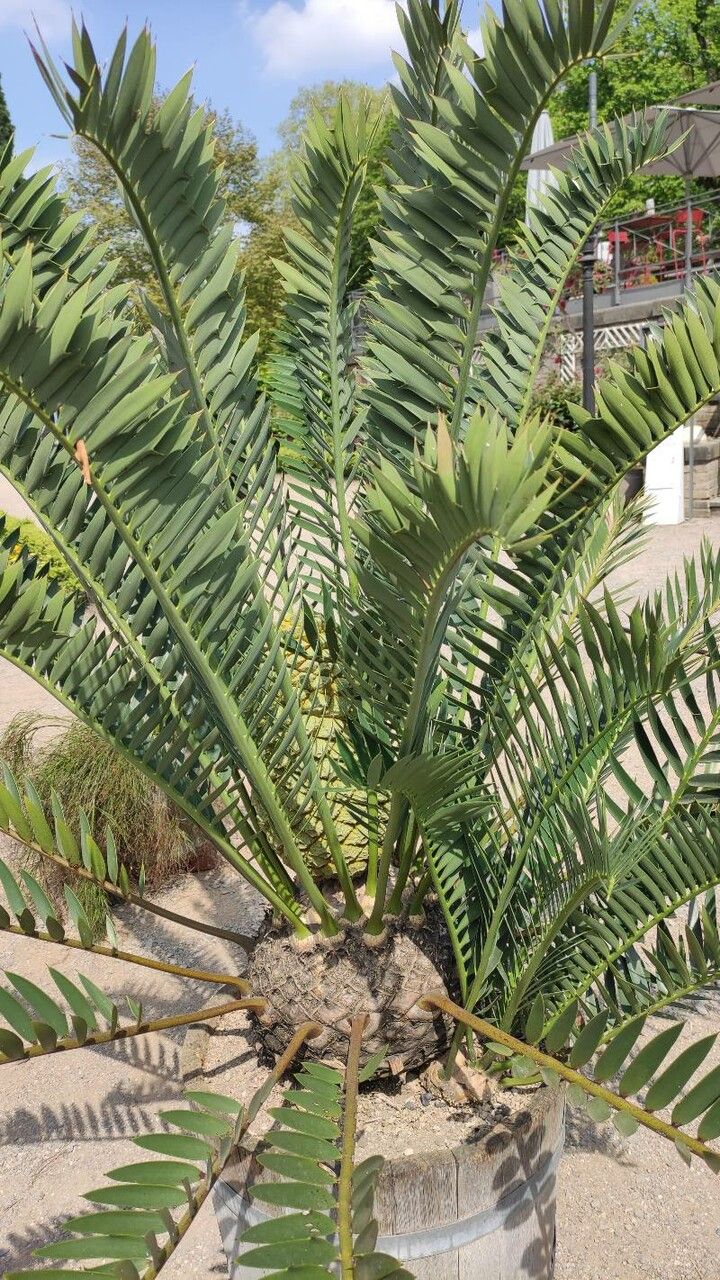
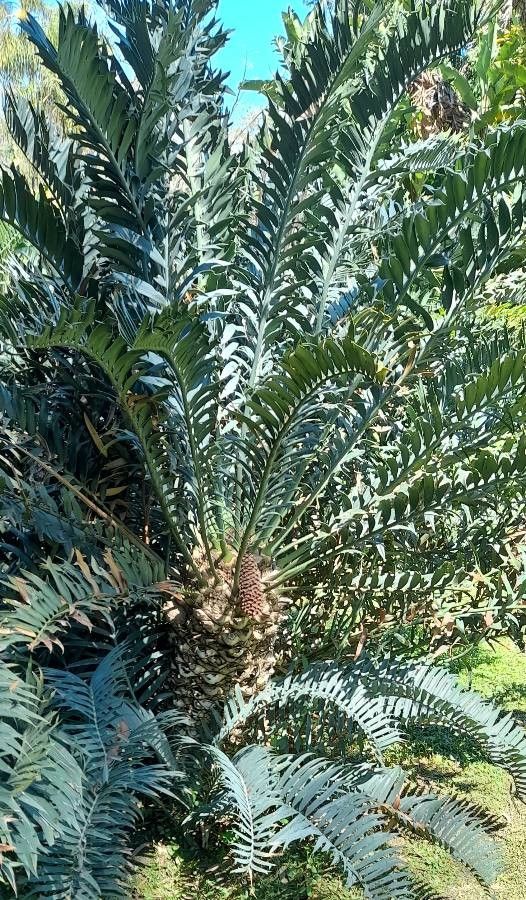
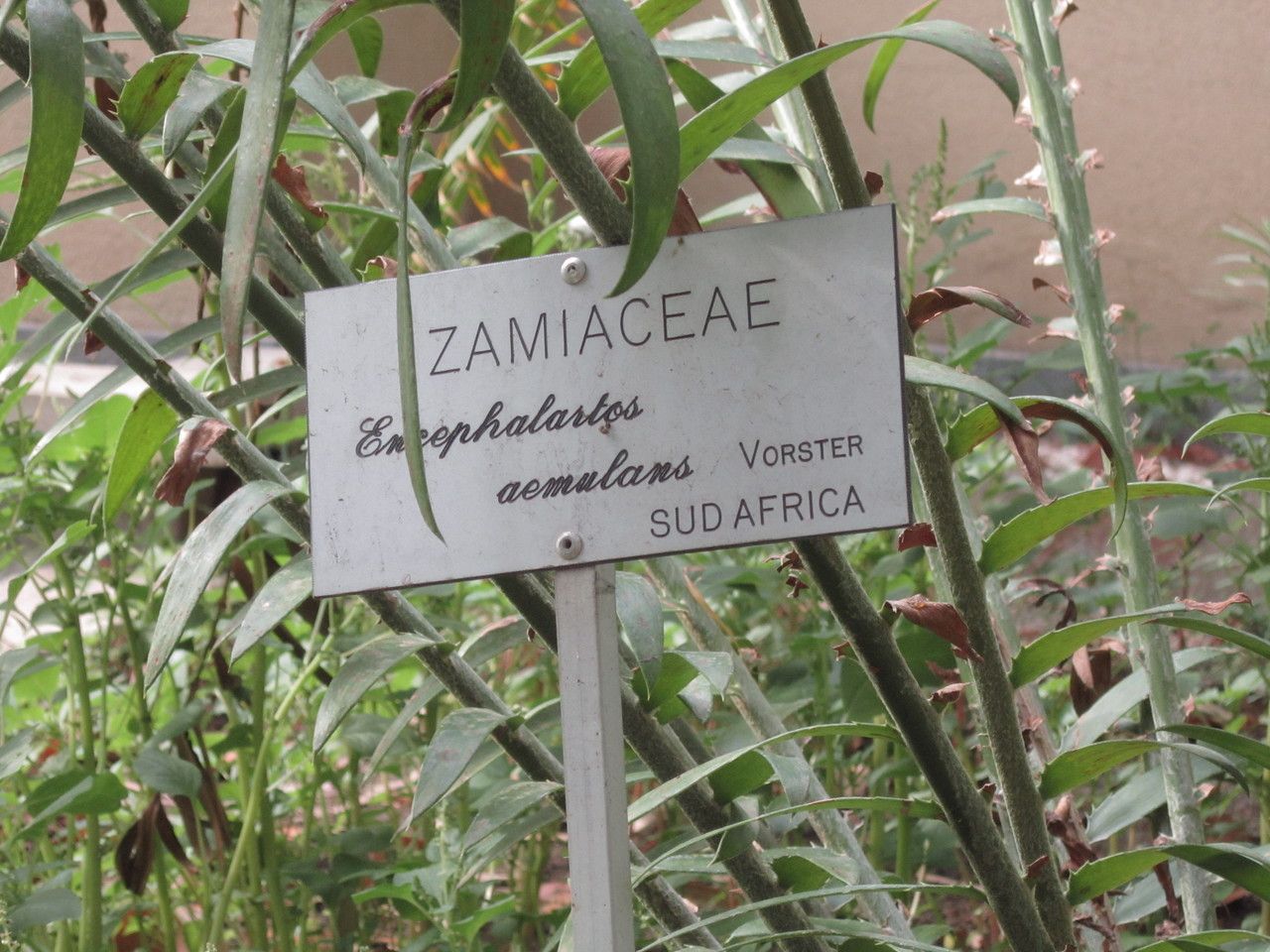
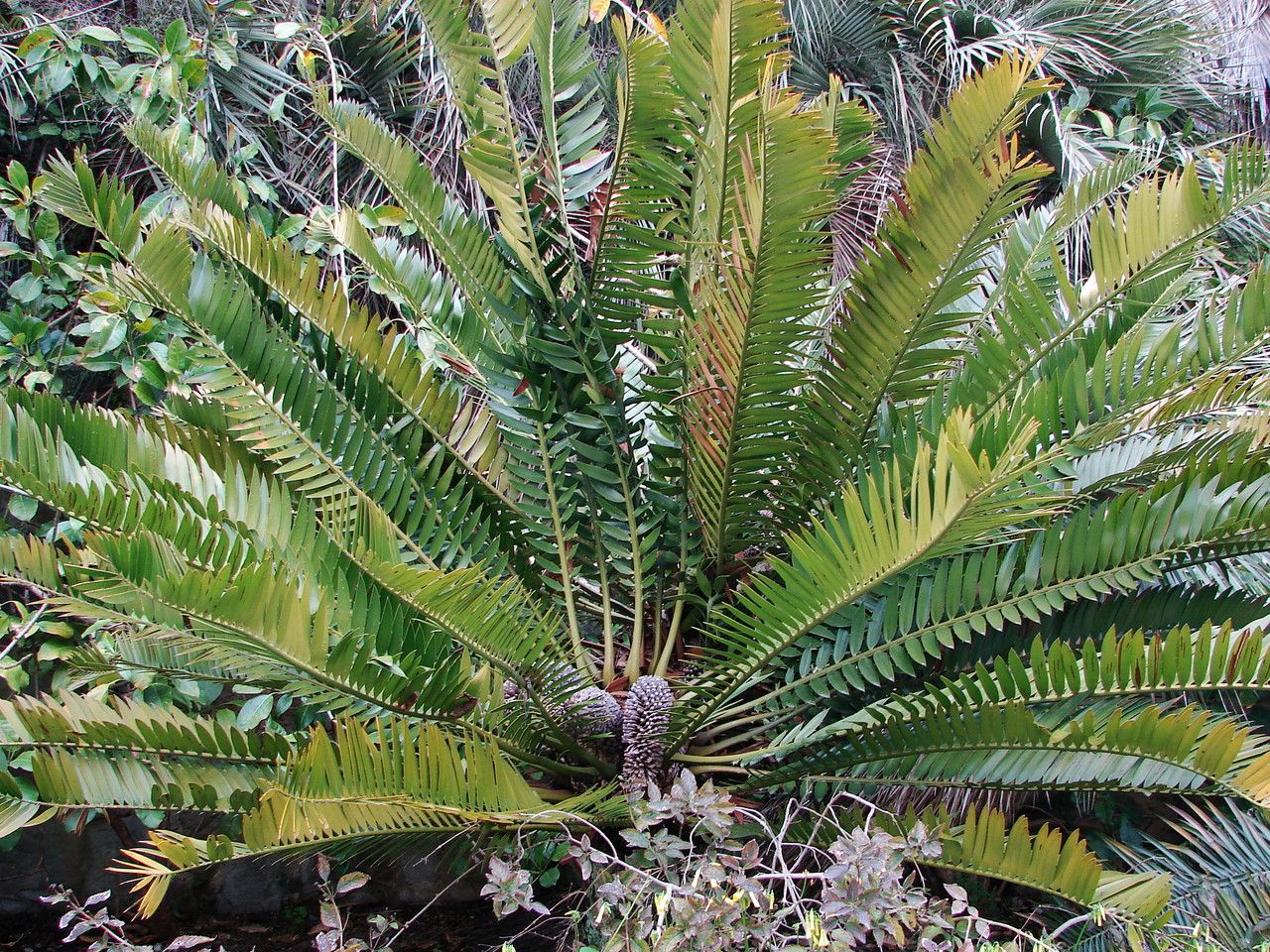
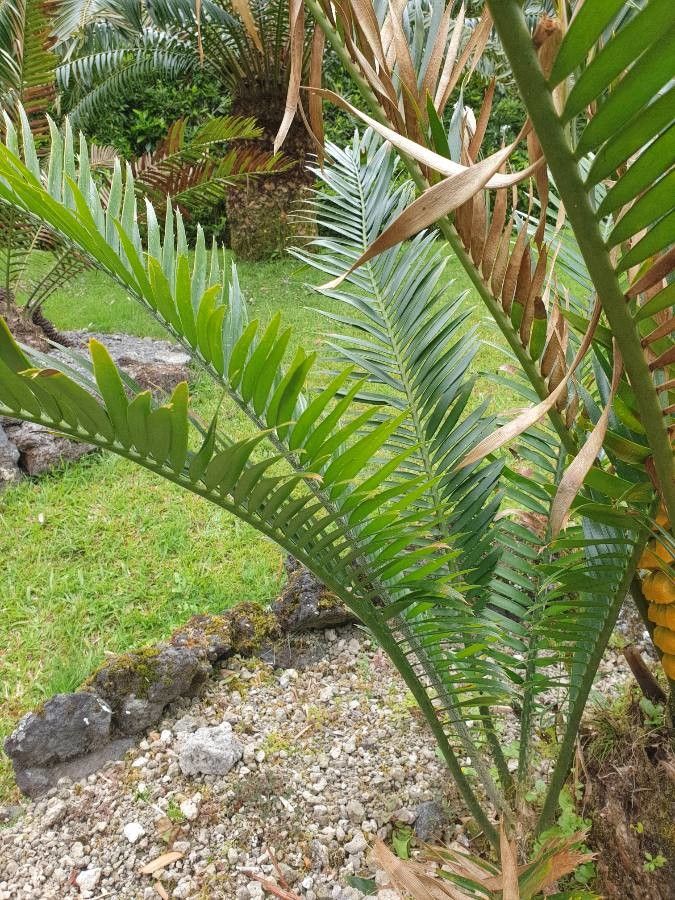
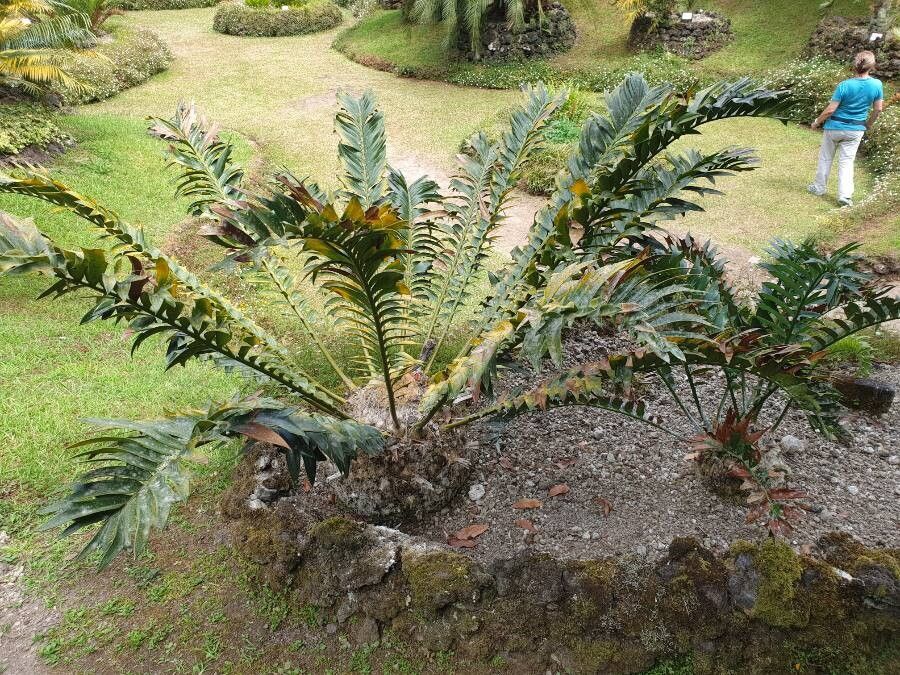
Encephalartos trispinosus is a species of cycad that is native to South Africa.
Encephalartos trispinosus displays strong resistance to disease and is typically not vulnerable to illnesses. Regarding upkeep, this species is fairly low-maintenance. When grown outdoors it needs only minimal watering, and mature plants usually do not require pruning. Smaller specimens, however, should be pruned after they finish blooming. Encephalartos trispinosus is appropriate for anyone with an outdoor area, like a garden or deck, and does not demand extensive care experience.
How to keep Encephalartos Trispinosus.
Light
Encephalartos trispinosus occurs in habitats such as forest understories or rocky areas, where it grows under natural shade. It prefers partial sun but can adapt to full sun or full shade, reflecting its versatile and hardy nature.
Temperature
Encephalartos trispinosus shows strong adaptability to warm conditions, tolerating higher heat and wider temperature fluctuations. During hot periods, attention should be paid to irrigation and suitable shading should be provided to avoid sunscald. Conversely, Encephalartos trispinosus is less tolerant of cold; it can endure some chill but very low temperatures may cause frost injury.
Fertilizer
Encephalartos trispinosus has specific nutritional needs and does not require heavy fertilization. Fertilizing in spring is best for promoting optimal growth. Providing nutrients enhances its health, strengthens resistance to pests and diseases, and helps sustain its long lifespan.
Botanical profile.
- Plant Type
- Tree
- Life Cycle
- Perennial
- Genus
- Encephalartos
- Family
- Zamiaceae
- Hardiness Zone
- 9-11
- Mature Height
- 2 cm to 36 cm
- Mature Spread
- 1.52 m to 2.44 m
- Leaf Color
- Green, Blue, Bronze
- Leaf Type
- Evergreen
- Bloom Time
- Mid spring, Late spring
- Planting Time
- Spring, Summer, Autumn
- Harvest Time
- Late summer, Early fall, Mid fall
- Native Area
- South Africa
Other names.