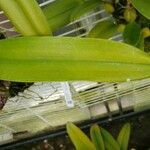
Encyclia cordigera
Large-lipped encyclia · Aregidroc Orchid
Description
Source: leafsnapEncyclia cordigera is a species of orchid.
Care Guide
💧 Water
How should I water my Large-lipped encyclia plant?
The manner in which you water the Large-lipped encyclia will depend on whether your plant is in an active growth phase or not. During active growth, water the soil and occasionally water from above if it's warm to help the plant absorb moisture through its leaves. In winter, and when the weather is cool or wet, stick to watering the soil directly without overhead watering. If the roots and leaves of your Large-lipped encyclia become thin, dry, or discolored, it needs more water. If it looks mushy and limp, it is receiving too much water. Grow this plant in a well-draining potting mix. During the growing season, water it multiple times a week, ensuring the water drains quickly. The amount of water will depend on the pot size, with larger pots needing less frequent watering. Rainwater or distilled water is best, and try to use water that is the same temperature as the air.
What should I do if I give too much or too little water to my Large-lipped encyclia?
One of the most common ways to kill a Large-lipped encyclia is by allowing it to sit in overly moist soil for too long. These plants do need frequent watering during active growth, but they also require well-drained soil. Overwatering can cause the plant to become mushy and develop root rot. If this happens, you should use sterile pruning shears to carefully remove any rotting roots. Afterward, repot the plant in a container with good drainage and fill it with a fast-draining potting mix. However, excessive repotting is not ideal for Large-lipped encyclia, so it's important to water them correctly. When underwatered, the plant will become shriveled and feel dry to the touch. If this happens, it's likely because the soil is drying out faster than expected, and you should increase your watering frequency.
How often do I need to water my Large-lipped encyclia?
During the active growth stage in spring and summer, water your Large-lipped encyclia once or twice a week, increasing to three times a week during hot and dry weather. In winter, water it less frequently, about two to three times a month to keep it alive. However, if kept indoors, the soil may dry quicker, so adjust watering accordingly. In fall, gradually reduce watering from summer to winter schedule.
What do I need to think about when watering my Large-lipped encyclia at different times of the year and during different stages of growth?
When planning the watering schedule for your Large-lipped encyclia, there are two important growth phases to consider. The first phase is the active growth period which happens in spring and summer. During this time, the plant needs to be watered multiple times per week. The second phase is the rest period which occurs in winter for about two to three months. It is important to water the plant less during this time, about once or twice per month, and also reduce fertilization. In the fall, you should gradually decrease the watering frequency from multiple times per week to once or twice per month to prepare the plant for winter.
How should I water my Large-lipped encyclia if I keep it indoors?
The Large-lipped encyclia prefers a humid growing environment, but most indoor locations lack sufficient moisture. This causes the plant and soil to dry out faster compared to outdoor growth. To address this, it is advisable to use a humidifier in the growing room and water the plant more frequently. However, it's important to note that while the Large-lipped encyclia needs humidity, it also requires proper air circulation to avoid excessive moisture build-up and related diseases. Adding a fan in the room will help maintain appropriate airflow.
☀️ Light Full sun
The large-lipped encyclia flourishes with plenty of sunlight, although it tolerates a moderate amount of shade. Native to areas with abundant light, insufficient sun can cause reduced vigor. On the other hand, too much sun may scorch the leaves.
What are the sunlight requirements for large-lipped encyclia?
Large-lipped encyclia requires full sun, meaning it should receive above 6 hours of sunlight daily, but it can also tolerate partial sun, which constitutes about 3-6 hours of sunlight. It's essential to observe the movement of sunlight through your garden to find spots that offer a balanced environment of light and shade, ensuring the plants' well-being.
How does sunlight affect the growth of large-lipped encyclia?
Sunlight plays a critical role in the growth of large-lipped encyclia. Originating from regions with abundant sunlight, this plant thrives under significant solar exposure, though it can tolerate moderate amounts of shade. Insufficient sunlight may lead to less active growth, while excessive sunlight could potentially scorch the leaves. For indoor plants where natural light may be lacking, especially during winter or in less sunny areas, artificial lighting serves as an important alternative to promote healthier, faster growth.
What are the symptoms of incorrect sunlight exposure for large-lipped encyclia?
Incorrect sunlight exposure can manifest in various ways, including new leaves growing smaller, leggy or sparse growth, faster leaf drop, slower or no new growth, lighter-colored new leaves, chlorosis, sunscald, leaf curling, wilting, and leaf scorching. Each of these symptoms indicates either a deficiency or an excess of sunlight, affecting the plant's ability to thrive.
What are the solutions for addressing sunlight-related issues in large-lipped encyclia?
To ensure optimal growth, it's advised to gradually increase the plant's sunlight exposure until it receives at least 6 hours of direct sunlight daily, especially if transitioning indoor plants to a sunny location. Utilizing south-facing windows or supplementing with artificial lighting for at least 8 hours daily can help. Outdoors, avoid sudden changes to prevent sunburn. Removing obstructions and, for smaller plants, considering transplantation during dormant periods can improve sunlight access. It's important to note that parts affected by insufficient light might not recover, but new growth should be healthy with proper light exposure.
🌡️ Temperature 20–37.8°C
The large-lipped Encyclia does best in warm conditions. It prefers moderately high temperatures but not overly hot and humid ones. Sunlight helps warm the plant and encourages flowering. However, long periods of direct sun in summer can cause sunburn, so the amount of light it receives during that season should be managed. The plant generally does not tolerate cold well, so it needs proper protection and warmer temperatures in winter to avoid freezing.
What is the common name of Encyclia cordigera?
The common name of Encyclia cordigera is Large-lipped encyclia.
What is the botanical name of Large-lipped encyclia?
The botanical name of Large-lipped encyclia is Encyclia cordigera.
💨 Humidity
🪴 Soil 6-7
🌱 Fertilizer
Appropriate feeding is essential for the health and appearance of the Large-lipped encyclia. Apply fertilizer to the Large-lipped encyclia during summer, repeating the application monthly throughout the season. Nutrients supply the energy for growth and help maintain the plant’s parts. Fertilization improves the Large-lipped encyclia’s flower display, guaranteeing the best blooms.
Why should I put fertilizer on my Large-lipped encyclia?
Fertilization is important for the Large-lipped encyclia and other plants because it provides essential nutrients for growth. Although the fertilization needs of the Large-lipped encyclia are generally low, annual fertilization can greatly benefit the plant. It not only helps the plant survive, but also promotes the development of longer-lasting, better-quality flowers. Therefore, those wanting their Large-lipped encyclia to look its best should prioritize annual fertilization.
When should I fertilize my Large-lipped encyclia?
The best time to fertilize a Large-lipped encyclia is in the late winter or early spring when the plant is transitioning from dormancy to active growth. Fertilizing at this time promotes healthy growth and sets the plant up for a successful season. While early spring is the most optimal time, fertilizing in the fall is also acceptable. However, it is not recommended to fertilize in the summer or winter.
When is not a good time to fertilize my Large-lipped encyclia?
To properly care for your Large-lipped encyclia, it is recommended to only fertilize during late winter and early spring. This plant does not require frequent fertilization, so a single annual feeding is sufficient. Fertilizing throughout the rest of the year can lead to overfertilization and its associated complications. The only exception is if you missed fertilizing in spring, in which case fall feeding is acceptable. It is important to note that fertilizing during winter is unnecessary since the plant is in a dormant phase and does not produce new growth.
What kind of fertilizer does my Large-lipped encyclia plant need?
When it comes to fertilizing a Large-lipped encyclia, any general-purpose fertilizer with a balanced amount of the three main plant nutrients will do the job. However, there are specific nutrient blends that can be even more beneficial. Many gardeners suggest using a fertilizer with higher levels of phosphorus to promote strong roots and better flowers for flowering plants like the Large-lipped encyclia. Whether you choose a granular or liquid fertilizer, make sure it contains ample nutrients. Aside from manufactured fertilizers, you can also improve the soil for your Large-lipped encyclia with organic options like compost and manure. These materials can greatly contribute to creating a healthy growing medium.
How should I fertilize my Large-lipped encyclia?
To fertilize a Large-lipped encyclia, you can either use granular or pellet fertilizer. The best time to fertilize is when the plant is transitioning from winter dormancy to active growth. In early spring, wait until the plant starts sending shoots through the soil, and then apply the fertilizer. If you prefer liquid fertilizer, dilute it with water before application. No matter the type of fertilizer you choose, it's essential to moisten the soil before, during, and after fertilizing.
🪴 Pot & Repot
When repotting Large-lipped encyclia, pick a slightly larger pot with good drainage, ideally a clear orchid pot. Use a well-draining, orchid-specific mix that includes bark or moss. Gently clean the roots and trim any that are dead or rotting. Repot after flowering, usually in spring or fall, water thoroughly, and keep in bright, indirect light. Avoid disturbing the roots after repotting.
✂️ Pruning
The large-lipped encyclia is known for its sizable, fragrant flowers and requires very little pruning. The best time to prune is from late winter to early spring, concentrating on removing dead pseudobulbs and old flower spikes. This helps improve airflow, reduce the risk of disease, and maintain the plant’s shape. Always use clean, sharp tools to prevent infections.
🌿 Propagating
🐛 Diseases & pets
☠️ Toxicity
Characteristics
- Plant Type
- Herb
- Life Cycle
- Perennial
- Genus
- Encyclia
- Family
- Orchidaceae
- Hardiness Zone
- 10-12
- Mature Height
- 30 cm to 61 cm
- Mature Spread
- 37 cm
- Leaf Color
- Dark Green
- Leaf Type
- Evergreen
- Flower Color
- Purple, White
- Flower Size
- 5.08 cm to 7.62 cm
- Bloom Time
- Spring, Early summer, Mid summer
- Planting Time
- Spring, Summer, Autumn
- Harvest Time
- Summer, Early fall, Mid fall
- Native Area
- Colombia, Belize, Honduras, Mexico, Guatemala, Venezuela, Peru, Guyana, El Salvador, Nicaragua, Brazil, Costa Rica, Panama