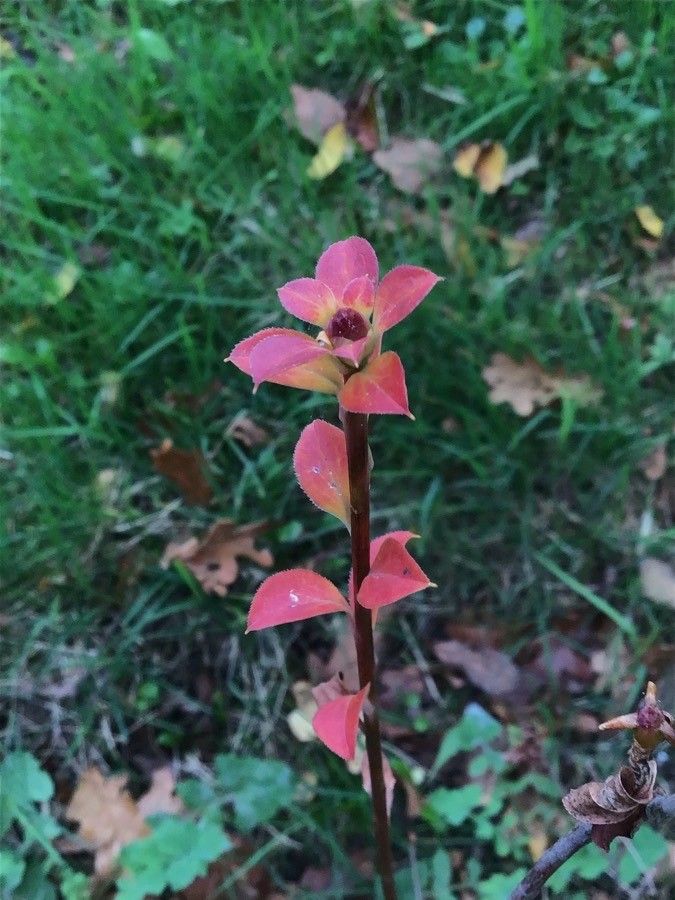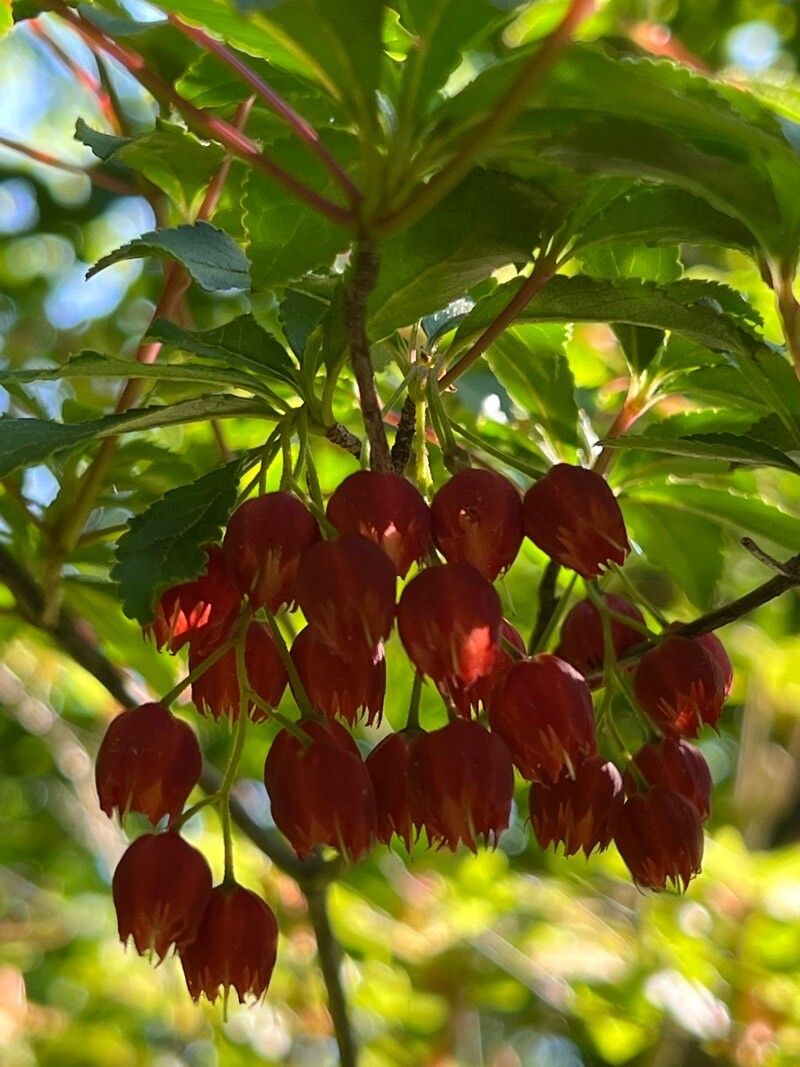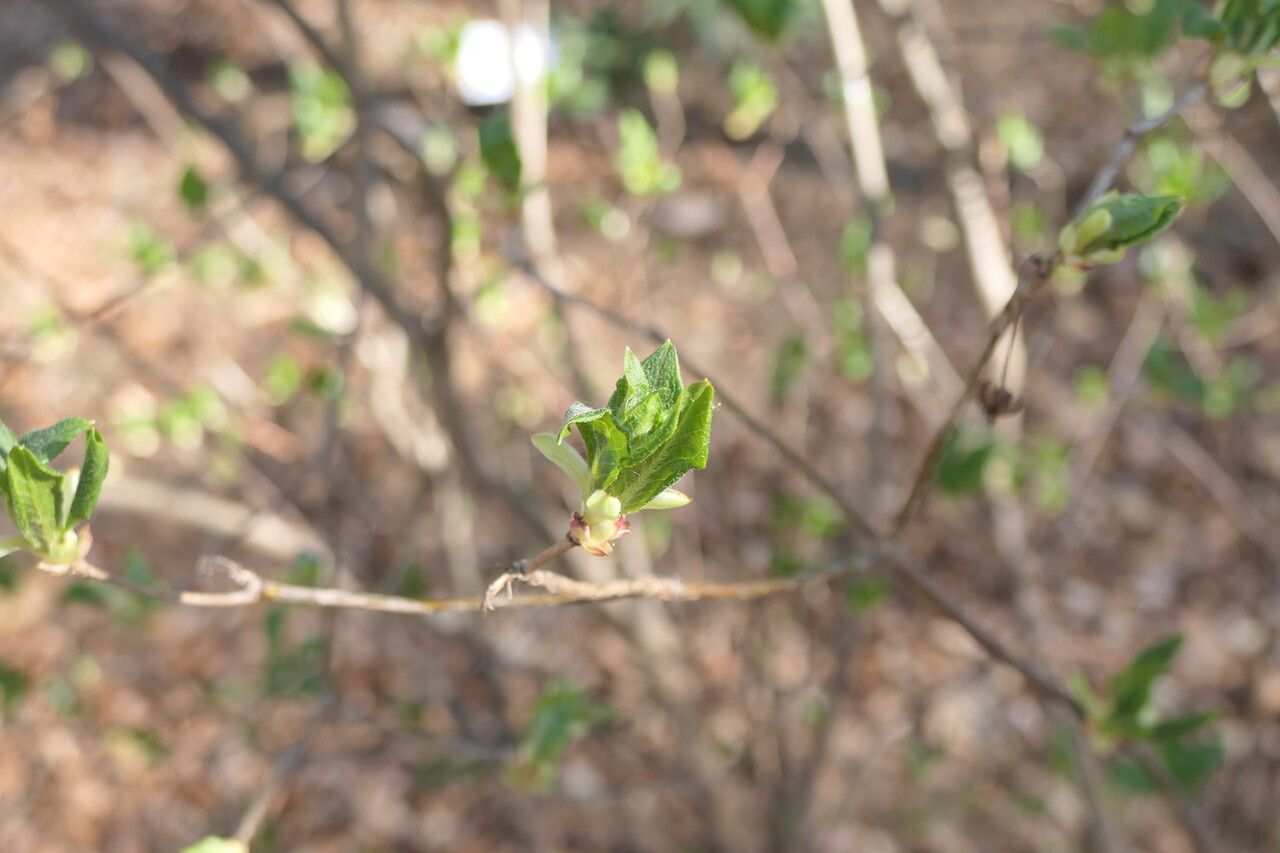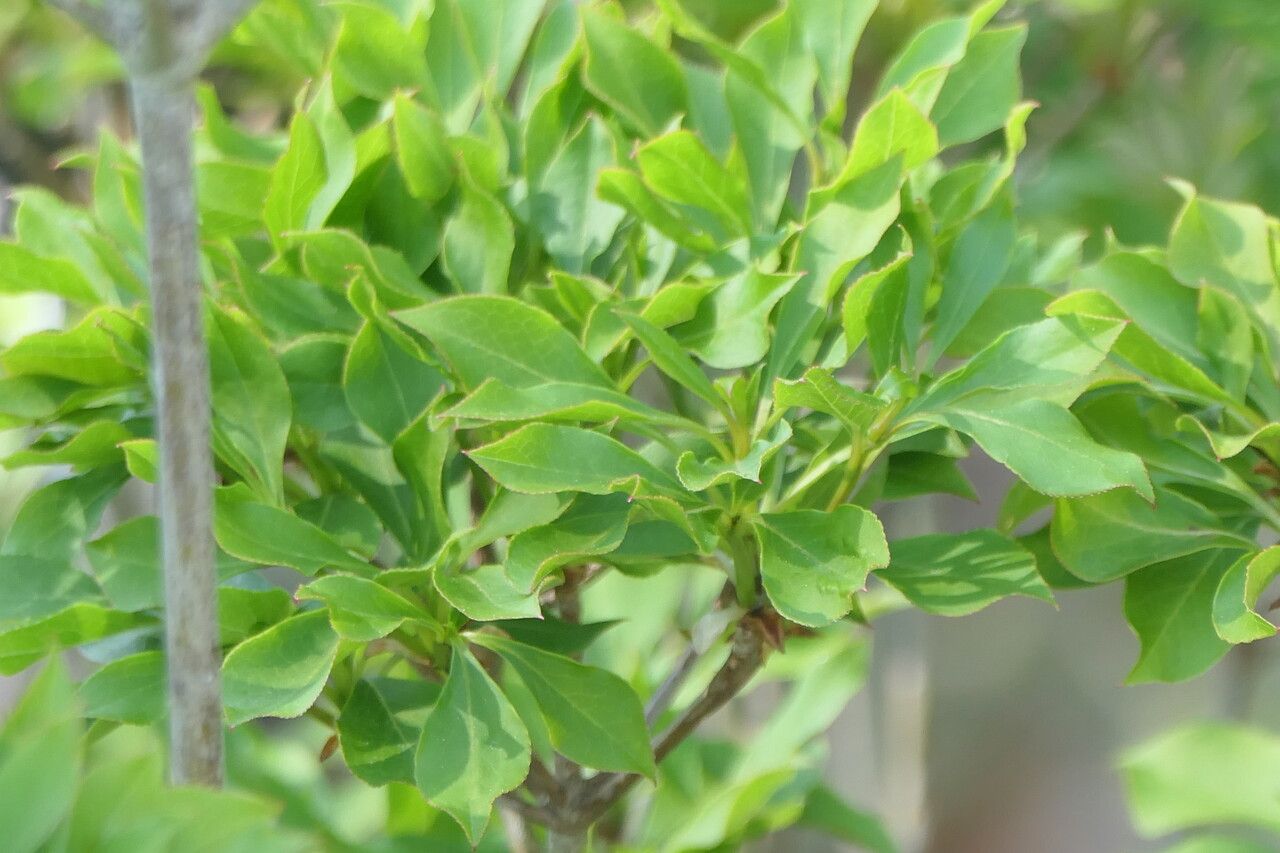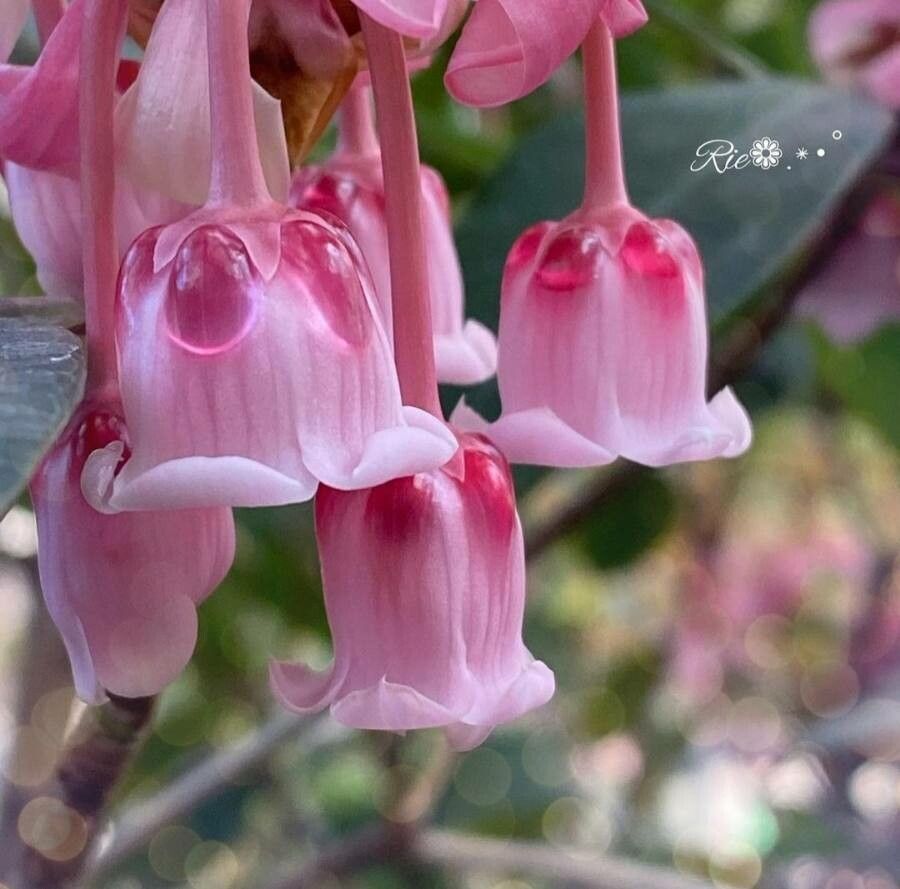
The Chinese New Year flower has strong disease resistance and is generally not susceptible to illnesses. In terms of care, this plant is fairly low-maintenance. When grown outdoors it needs only occasional watering, and larger plants typically do not need pruning. Smaller plants, however, should be pruned after they finish blooming. The Chinese New Year flower is suitable for anyone with outdoor space, such as a garden or deck, and does not require extensive care experience.
How to keep Enkianthus Quinqueflorus.
Light
The Chinese new year flower does best with plentiful sunlight, which supports healthy growth. Its native environment has comparable light conditions. It can, fortunately, tolerate locations with somewhat reduced light, although this may slow its growth and produce fewer blooms. Both too much sun and insufficient sunlight can harm its vitality.
Water
The Chinese New Year flower thrives in humid environments with consistent moisture, much like those found in tropical rainforests. While it can withstand moderate drought, it prefers stable humidity. To encourage vibrant blooms, water the plant every three weeks, particularly during its growing season.
Temperature
Chinese new year flower originates from habitats with temperatures ranging from 59 to 95 °F (15 to 35 ℃). It prefers these moderate temperatures. Seasonal temperature adjustments are generally unnecessary unless extreme weather conditions occur.
Fertilizer
The timing of fertilization is critical for the Chinese new year flower. Apply fertilizer in early spring and continue doing so monthly until early summer. Fertilizer encourages beautiful blooms and supplies energy during dormant and active growth phases.
Pruning
To improve the health and shape of Chinese New Year flowers, prune them immediately after they bloom in early spring. Start by removing any dead or damaged branches. Thinning out crowded areas will enhance airflow and allow more light to reach the plant. Regular pruning encourages vigorous growth, enhances the display of flowers, and helps maintain the plant's aesthetic appeal and vitality.
Botanical profile.
- Plant Type
- Tree, Shrub
- Life Cycle
- Perennial
- Genus
- Enkianthus
- Family
- Ericaceae
- Hardiness Zone
- 8-10
- Mature Height
- 0.91 m to 7.01 m
- Mature Spread
- 2.13 m
- Leaf Color
- Green
- Leaf Type
- Semi-evergreen
- Flower Color
- Pink, White
- Flower Size
- 1.02 cm
- Bloom Time
- Mid spring, Late spring
- Planting Time
- Spring, Summer
- Harvest Time
- Mid summer, Late summer, Early fall
- Native Area
- Vietnam, Laos, China
Reader questions.
What's the easiest way to water my Chinese New Year flower?
To ensure excellent root development for your plants, consider these watering tips: - Place a garden hose at the base of each plant, avoiding spraying the leaves directly. - If the plants are outdoors and exposed to direct sunlight, keep in mind that the leaves will require more watering. - Consider using bubblers to moisten the roots of each plant individually. - Soaker hoses can be helpful too, covering the entire garden or bed when adding or removing plants to ensure deep root penetration. - After watering, make sure to drain any excess water and allow the soil to dry before watering again. - To prevent diseases, water the plants at ground level rather than from above. - On sunny days, spraying the entire bush with water can be beneficial. - Whether the plant is in a pot or in the ground, remember that Chinese New Year flowers prefer deep watering rather than light sprinkling.
How many hours of sunlight should Chinese New Year flowers get each day to grow well?
To ensure healthy growth, the Chinese new year flower needs a minimum of 3-6 hours of sunlight each day. Most plants, which can tolerate both partial and full sun, actually thrive in full sun. However, unlike plants that require full sun or part shade, these plants are more adaptable because they need less light for photosynthesis.
What temperature is best for the Chinese New Year flower?
Plants are sensitive to cold temperatures because they tend to match the temperature of their surroundings. When exposed to sunlight, they can warm up, but this doesn't happen in winter. The ideal temperature range for the Chinese new year flower is between 70 to 85℉ (21 to 30℃). They might withstand temperatures as low as 20 to 30℉ (-6 to 0℃), or even 15℉ (-10℃), but not for extended periods as frost damage can occur. To keep them healthy, it's essential to maintain temperatures within the range of 70 to 85℉ (21 to 30℃), while also providing occasional watering and shade to prevent wilting.
What should I do if I give the Chinese New Year flower too much or too little water?
Chinese new year flowers can be easily overwatered, resulting in yellow, drooping leaves and wilting. The plant may also appear dull and unhealthy with mushy stems. These signs indicate that adjustments to your watering schedule may be necessary. On the other hand, wilting can also mean under watering, characterized by crispy, dry leaves. In this case, when the soil is dry, a thorough watering is needed. While proper watering will help the Chinese new year flower recover, the plant may continue to display dryness and yellow leaves due to damaged roots. Once the plant returns to normal, yellowing leaves will cease. When keeping the Chinese new year flower indoors, regularly check the moisture levels of the pot and avoid overwatering. Look out for black spots, which may indicate the need for the soil to dry out for a few days. Overwatering can lead to root rot, so take preventive measures by ensuring the soil doesn't become too soggy. When planting your Chinese new year flower outdoors, dig deeper and if the soil feels too dry, it may be underwatered. Adequate watering is essential for plant recovery.
What kind of sunlight does the Chinese New Year flower need?
Chinese new year flowers thrive when they are exposed to full or partial sunlight. They prefer direct morning light for optimal performance. However, during the summer, it is important to protect them from the intense afternoon sun. In temperate environments, excessive afternoon sun can scorch the leaves, causing harm to the plant's overall appearance and health.
Do I need to change the temperature for Chinese new year flowers as they grow?
When growing Chinese new year flowers, it is important to research and ensure that the temperature is appropriate. Some growers may lower the plants' thermostats to save on HVAC costs. However, it's crucial to understand how temperature can impact flowering, pest management, and overall plant quality. In winter, certain species of Chinese new year flowers may enter a dormant state, which halts their growth. As the seasons change and the temperature rises, the base temperature for growth increases, leading to faster growth. Species that originate from warm habitats tend to have higher optimal temperatures compared to those adapted to cooler climates. Exposing the seeds of Chinese new year flowers to cool temperatures can result in decreased uniformity and delays. During the flowering process, lowering the temperature may be beneficial, but this should not be done during other phases of growth. Additionally, cooler nighttime temperatures require less water, so irrigation should be adjusted accordingly.
How often should I water my Chinese New Year flower?
To properly care for Chinese new year flowers, it is important to water them deeply but infrequently. When planted in pots, they should be soaked in a gallon of water each time due to the limited water storage capacity of the pots. In cold regions, watering is necessary every 3 to 5 days, preferably in the morning when the soil is dry. Checking the top 2-3 inches of soil can also indicate when watering is needed. During hot days, moisture levels in the soil should be monitored daily as the heat can quickly dry out the soil in the pot. If you have a garden, irrigation of the soil is also necessary, and in hot climates, watering once a week is recommended. However, it is important to ensure that only when about 2 to 3 inches of soil become too dry should watering be done, so as not to contribute to root rot. If there is ample rainfall, additional watering may not be necessary. Mulching with a layer about 3 to 4 inches deep is recommended for outdoor plants to conserve water. The frequency of watering also depends on the soil type, with sandy soil requiring more frequent watering due to its faster drainage, while clay soil requires less frequent watering to prevent root rot. Keeping track of watering dates and observing drooping leaves can help determine watering schedules.
Can the sun harm Chinese new year flowers? How can I keep Chinese new year flowers safe from sunlight and heat damage?
When Chinese new year flowers are moved from indoors to outdoors, direct sunlight can easily damage them. To prevent sunburn, it is best to gradually move the pots from a shaded area to a brighter spot. However, even plants acclimated to the summer sun can still be harmed by extreme heat. To cope with excessive heat, it is important to keep the soil consistently moist. During a heatwave, it can be helpful to move plants in containers to areas with afternoon shade or put up a shade cloth to protect sensitive Chinese new year flowers.
How can I make sure that Chinese New Year flowers stay warm during the cold seasons?
To prepare the Chinese new year flower for colder temperatures, first stop fertilizing it to prevent new growth. This will allow the existing growth to become hardy. To protect the plant from the cold, consider building structures like cages or trellises around it. Another option is to use heat mats to gently warm the soil, as they can maintain an ideal temperature range for the Chinese new year flower consistently.
How much water should I give my Chinese New Year flower?
The Chinese new year flower requires about a gallon of water on a regular schedule. For potted plants, water them deeply until the water starts dripping from the bottom of the pot. Wait for the soil to dry before watering again. You can use a water calculator or moisture meter to determine how much water you've given the plant in a week. During the flowering period, provide plenty of water, but let the moisture evaporate to avoid root rot. If the Chinese new year flower is planted outdoors and there is sufficient rainfall, additional watering may not be necessary. When the flower is young or newly planted, make sure it receives 1-2 inches of rain per week. As the flower grows, it can rely solely on rainfall. Only when the weather is very hot or there is no rainfall for 2-3 weeks, consider giving the flower a full watering during cooler times of the day to prevent damage from high heat. Additional watering is needed during extended dry periods.
Should I keep the Chinese New Year flower out of direct sunlight?
Chinese new year flower benefits from bright morning sun and full sun exposure, but it cannot handle the harsh, hot midday sun in the summer. If the plant is in the ground, it can gradually adapt to the increasing intensity of the summer sun. However, if it is in a pot that has been indoors or in a protected area, it may get damaged when suddenly exposed to direct summer sun during the hottest part of the day. To protect the plant from the intense afternoon summer sun, it should be planted or placed in a spot that is shaded by taller trees, plants, a building, or a landscape feature at midday.
How can I protect Chinese New Year flowers from being harmed by the temperature?
In winter, to protect the Chinese new year flower from frost, cover it with cloths, tarps, burlaps, sheets, or plastic buckets. Keep them down so they act as insulators and don't get blown away by the wind. But avoid letting the plastic sheets or burlap covers touch the fruit or foliage, as this could cause burns from the cold temperatures. When the daytime temperatures start to rise, take off the covers.