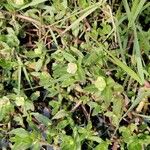
Enydra fluctuans
Buffalo-Spinach · Enhydra
Description
Source: leafsnapEnydra fluctuans, commonly known as water hyssop or tape grass, is an aquatic plant in the Asteraceae family. It is native to tropical and subtropical regions of Asia and Africa, thriving in shallow freshwater bodies such as ponds, lakes, and slow-moving streams. The plant features long stems that can reach up to 2 meters in length, with leaf pairs arranged oppositely along the stem. The leaves are oval-shaped with pointed tips, growing up to 10 cm long. Enydra fluctuans produces small, yellowish-white flowers. Traditionally, Enydra fluctuans has been used medicinally to treat conditions such as fever, coughs, colds, and headaches, and is valued for its anti-inflammatory properties. Additionally, it is used in water purification due to its capability to absorb heavy metals from contaminated water. The plant also provides a habitat for various aquatic animals, including fish and insects, and plays a crucial role in maintaining ecological balance by absorbing excess nutrients from the water. Overall, Enydra fluctuans is a versatile aquatic plant that offers numerous ecological and medicinal benefits, making it a species worth conserving.
Care Guide
💧 Water Every 7 days
Buffalo-spinach thrives in wet, marshy environments where it requires consistent moisture and benefits from weekly watering to stay healthy. Well-suited to high humidity, this plant flourishes outdoors near water sources. It is perfect for rain gardens and pond edges, where it can take advantage of natural rainfall patterns.
☀️ Light Full sun
Buffalo-spinach comes from habitats that receive plentiful sunlight, for example open fields and sunlit meadows. It prefers full sun but can also tolerate partial sun.
What are the sunlight requirements for Buffalo-spinach?
Buffalo-spinach requires full sun, which means it needs more than 6 hours of sunlight daily. However, it can also tolerate partial sun conditions, which is about 3-6 hours of sunlight. It's essential to observe how sunlight moves through your garden to find the ideal spots that offer a balance of light and shade, ensuring the plants thrive optimally.
What are the essentials for growing Buffalo-spinach?
Buffalo-spinach is a perennial herbaceous plant that loves the sun and originates from open habitats like meadows and grasslands. It prefers full sunlight but can also grow in partial sun. For indoor plants needing more light, especially during less sunny seasons or in darker spaces, artificial lighting is crucial. LEDs are recommended for their ability to provide specific light wavelengths. Depending on the plant's sunlight needs, the amount of artificial light required varies from 10-50W per square foot. It's also important to place the light source 12-36 inches above the plant and mimic natural daylight hours, usually providing 8-12 hours of light daily.
What symptoms indicate a Buffalo-spinach plant is not receiving enough light?
Signs of light deficiency in Buffalo-spinach include smaller new leaves, leggy or sparse growth, faster leaf drop, halted growth, pale or irregularly colored new leaves, chlorosis, sunscald, leaf curling, wilting, and leaf scorching. These symptoms suggest that the plant needs more sunlight to maintain its health and continue growth.
How can you alleviate the symptoms of light deficiency in Buffalo-spinach?
To counteract symptoms of light deficiency in Buffalo-spinach, gradually introduce the plant to more sunlight, aiming for at least 6 hours of direct sunlight daily if possible. This can include moving plants closer to south-facing windows or using artificial light sources for indoor plants that aren't easily movable, ensuring at least 8 hours of light daily. Outdoors, adapt plants to increased sunlight exposure gently to avoid sunburn. Reducing obstructions like trees can also help increase sunlight availability. For smaller plants, consider transplanting during dormant periods, typically in late winter or early spring, to sunnier locations with good drainage.
🌡️ Temperature 20–37.8°C
Buffalo-spinach prefers moderate temperatures, similar to what most people find comfortable. It grows best in conditions that are neither too hot nor too cold. The main problem with high temperatures is the risk of sunburn, so providing some shade in summer is recommended to avoid excessive heat. When temperatures fall, Buffalo-spinach becomes dormant. If continuous growth is wanted, temperatures must be kept higher during the winter. Frost can damage the plant and should be avoided.
💨 Humidity
🪴 Soil
🌱 Fertilizer
Using balanced fertilizers on buffalo spinach enhances its growth. During the active growing season, apply a diluted liquid fertilizer every two weeks. In the winter, reduce this to once a month. For young plants, use half the recommended dose to prevent root damage. Be careful not to over-fertilize and ensure the fertilizer is evenly distributed. Adjust your feeding regimen according to the plant's life cycle, always following the manufacturer's instructions.
🪴 Pot & Repot
✂️ Pruning
Buffalo-spinach benefits from regular pruning, especially from early to late spring. Trim back any overgrown or dead stems, but be careful not to cut more than one-third of the plant at once. This practice encourages healthy growth, prevents legginess, and improves the plant's vigor and appearance.
🌿 Propagating
🐛 Diseases & pets
☠️ Toxicity
Characteristics
- Plant Type
- Herb
- Life Cycle
- Perennial
- Genus
- Enydra
- Family
- Asteraceae
- Hardiness Zone
- 9-11
- Mature Height
- 30 cm to 76 cm
- Mature Spread
- 30 cm to 61 cm
- Leaf Color
- Green
- Leaf Type
- Semi-evergreen
- Flower Color
- White
- Flower Size
- 0.51 cm to 0.76 cm
- Bloom Time
- Late spring, Summer, Early fall
- Planting Time
- Spring, Summer, Autumn
- Harvest Time
- Mid summer, Late summer, Fall
- Native Area
- Burkina Faso, India, Malaysia, South Africa, Zambia, Sudan, Bangladesh, Pakistan, Laos, Nigeria, Zimbabwe, Benin, China, Indonesia, Cambodia, Vietnam, Mozambique, Myanmar, Ghana, Senegal, Ethiopia, Côte d'Ivoire, Congo (DRC), Thailand, Congo