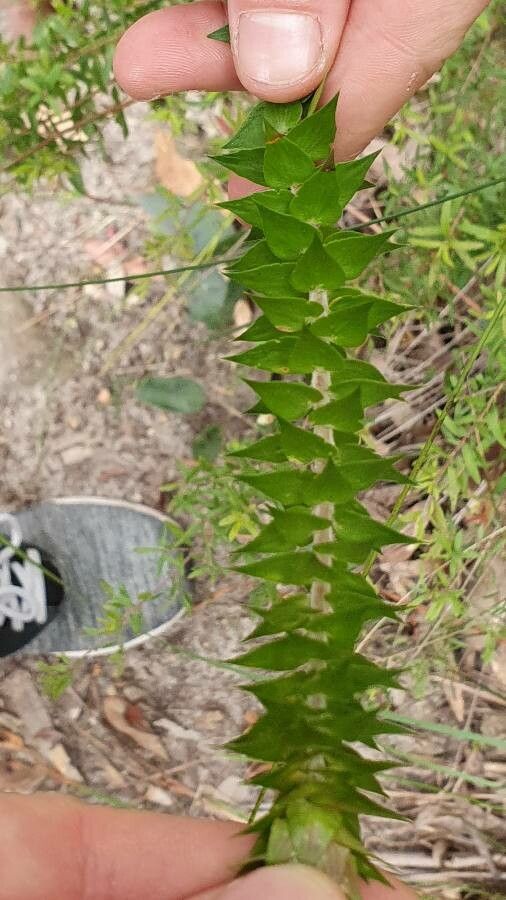
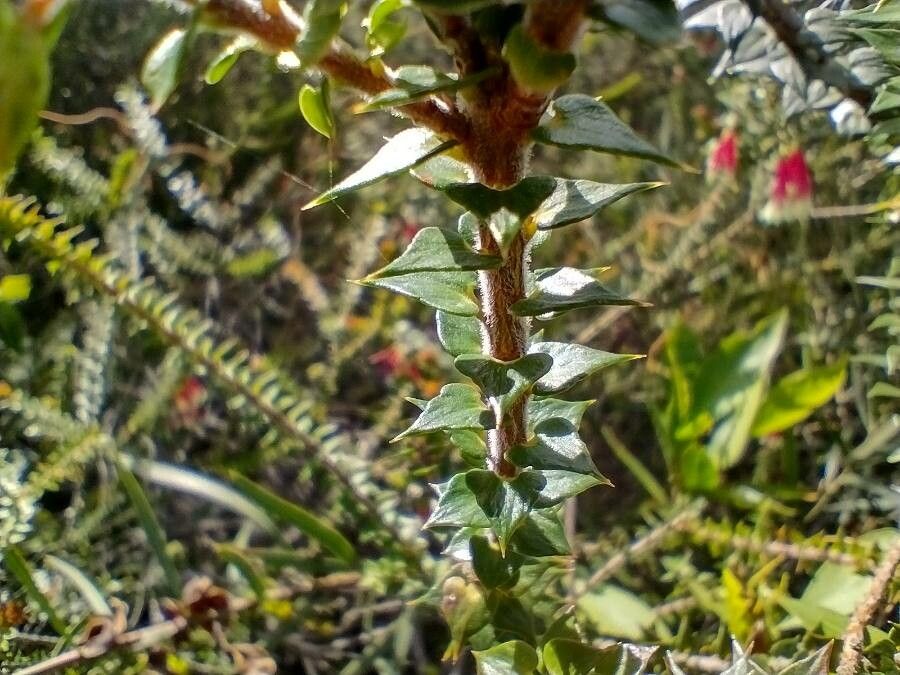
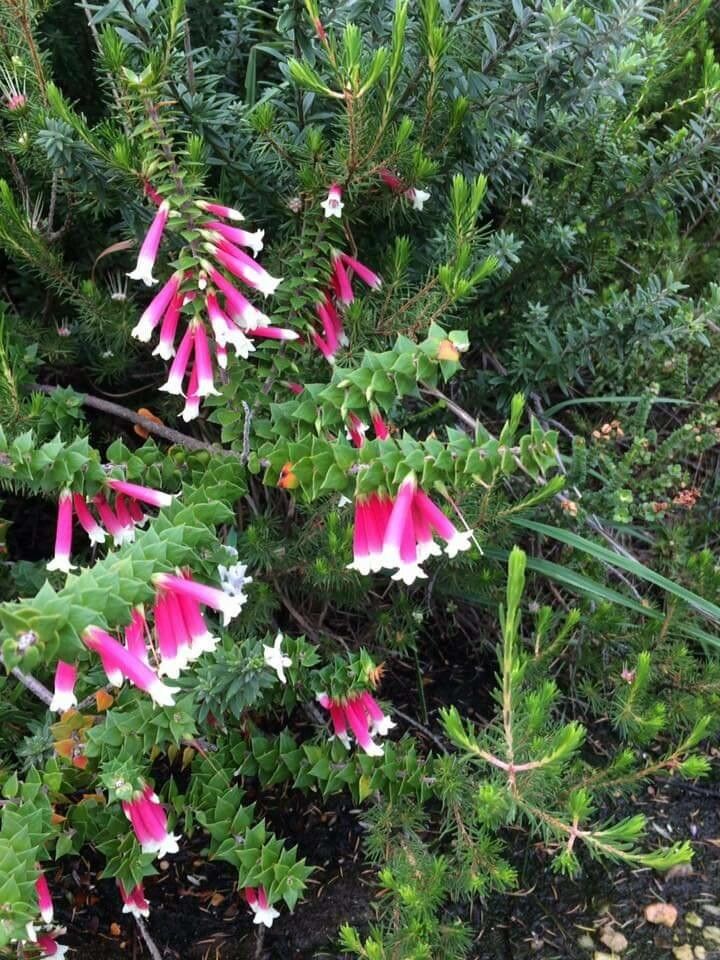
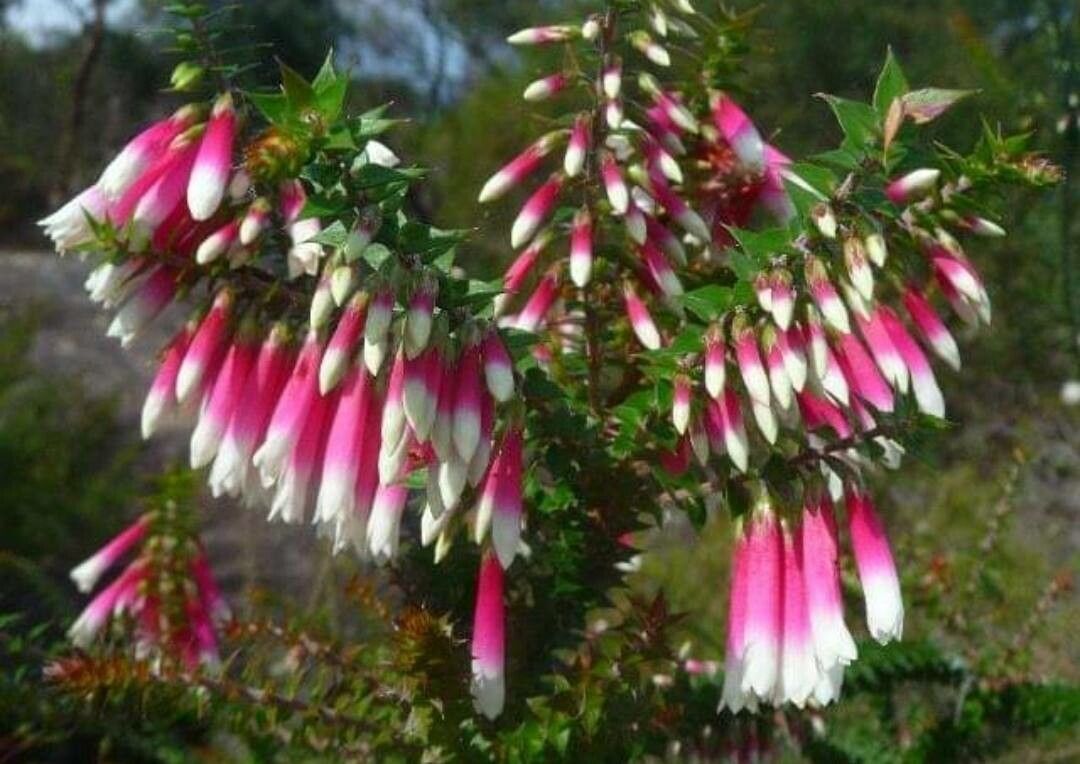
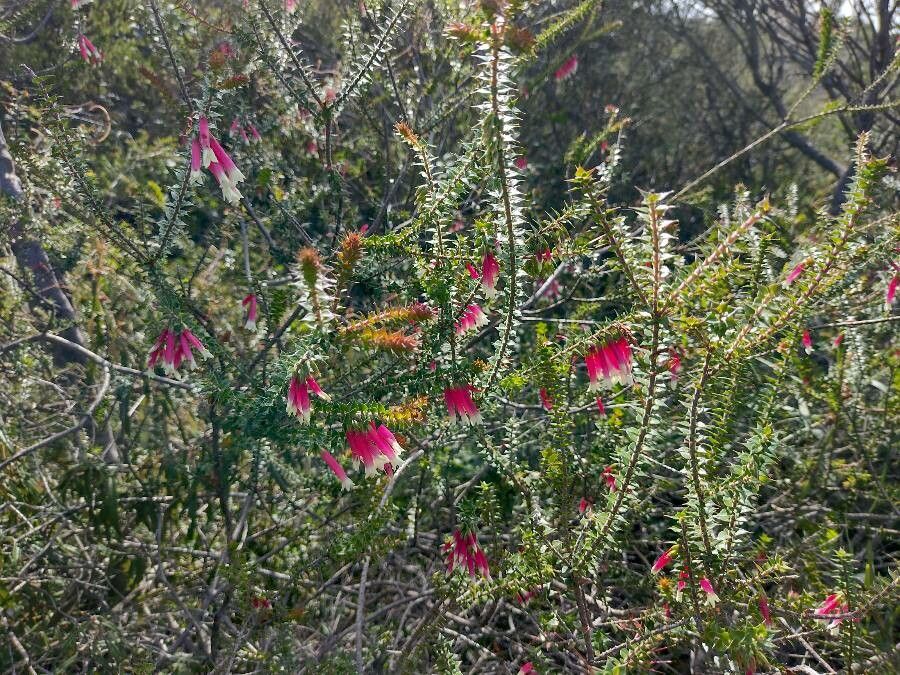
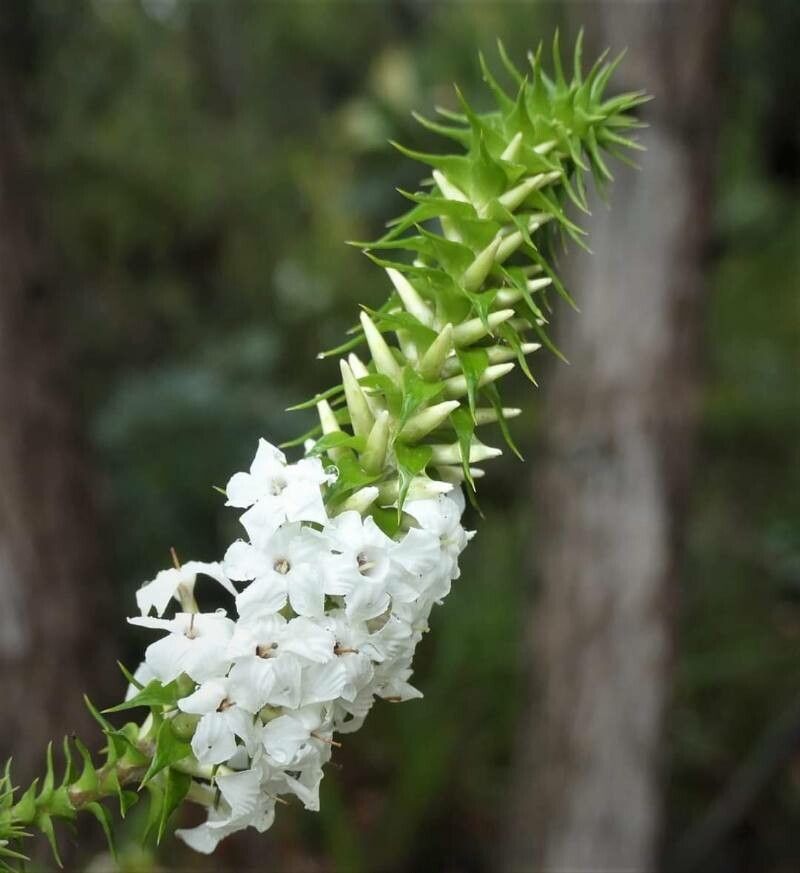
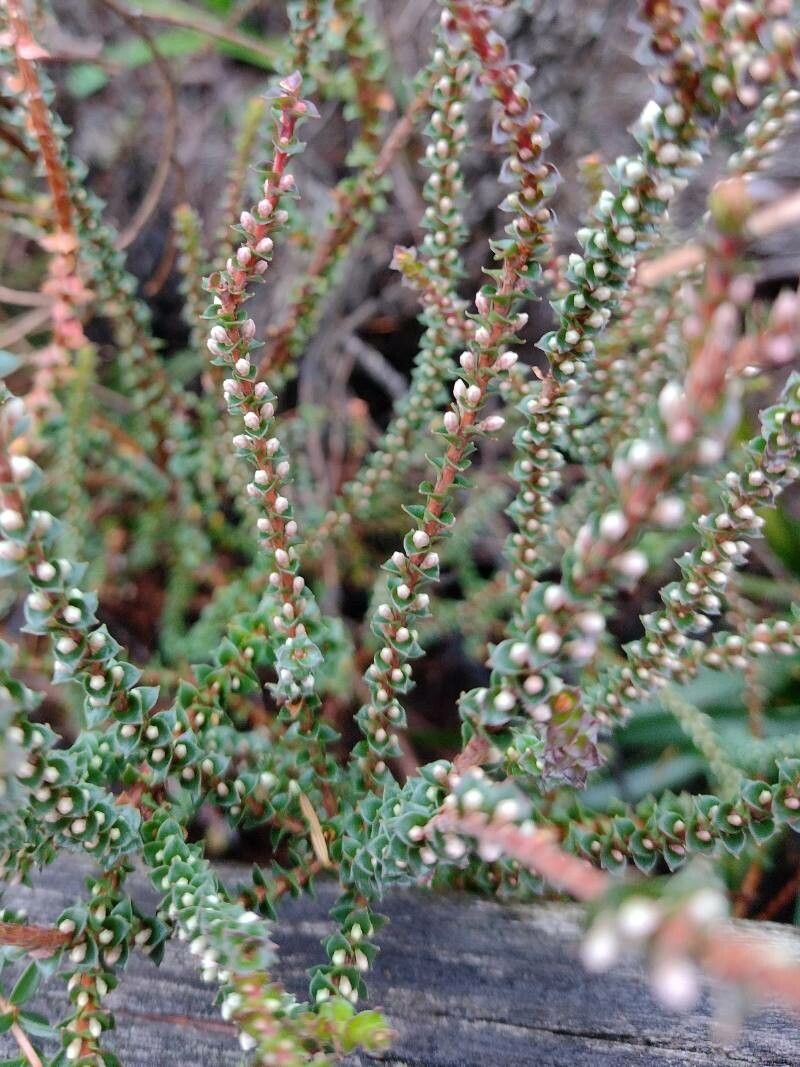
Epacris longiflora, commonly known as fuchsia heath or cigarette flower, is a plant in the family Ericaceae and is endemic to eastern Australia. It is an erect or spreading shrub with egg-shaped, pointed leaves and red tube-shaped flowers which give the plant its name longiflora and are usually present throughout the year. Its native range extends from the central coast of New South Wales to southern Queensland.
Fuchsia heath has strong disease resistance and is generally not prone to diseases. Regarding care, this plant is fairly low-maintenance. When grown outdoors, it needs minimal watering, and larger plants typically do not require pruning. Smaller plants, however, should be pruned after they have finished blooming. Fuchsia heatht is suitable for anyone with an outdoor space, such as a garden or deck, and does not demand much care experience.
How to keep Epacris Longiflora.
Light
Fuchsia heath requires a lot of sunlight to thrive, though it can tolerate reduced light. Native to regions with strong sun exposure, it is adapted to those conditions. Too little light can limit its growth, while too much may cause damage.
Water
Fuchsia heath, native to the forests of Australia, thrives in high humidity and prefers consistent moisture, but can withstand short dry periods. To prevent waterlogging, it's best to water it weekly. This evergreen plant thrives outdoors, where it can benefit from natural rainfall to support its lush, continuous foliage.
Temperature
Fuchsia heath originates from temperate regions and does best in temperatures between 68 and 100.4 °F (20 and 38 ℃). During colder months, it is recommended to keep the plant in a warmer environment for its health.
Fertilizer
The best time to fertilize a Fuchsia heath is in early spring, as it comes out of dormancy. This encourages overall growth and the development of flowers. Fertilization improves the foliage, stems, and branches, and promotes flowers that are larger, more vibrant, and longer-lasting. It helps transfer nutrients from the roots to the flowers and enhances the plant's health and resistance to disease.
Pruning
Fuchsia heath benefits from annual pruning in early spring to promote growth and blooms. To encourage further flowering, remove dead wood, shape the plant, and cut off spent flowers. Regular pruning prevents leggy growth and helps rejuvenate older plants, ensuring they remain healthy and vigorous to suit your garden's needs.
Pot & Repot
To ensure your fuchsia heath plants thrive, consider repotting them every 2-3 years in the spring. Choose a larger pot to accommodate root growth. After repotting, keep the soil consistently moist and place the plant in a location with bright, indirect light. This will promote healthy development and vibrant flowering.
Botanical profile.
Other names.
Reader questions.
What are the sunlight requirements for Fuchsia heath?
Fuchsia heath thrives best when it receives abundant sunlight, requiring more than 6 hours of sunlight daily for optimal growth, known as 'full sun.' It can also adapt to 'partial sun' conditions, which means about 3-6 hours of sunlight each day. Originating from regions with significant sun exposure, Fuchsia heath is well-suited to such environments. However, it's crucial to understand that insufficient light can impede its growth, while excessive exposure can be detrimental. Monitoring the movement of sunlight through your garden and selecting locations that offer a harmonious balance of light and shade will ensure the plants' well-being.
What is the native climate of Fuchsia heath?
Fuchsia heath is native to temperate climates and thrives in temperatures ranging from 68 to 100.4 °F (20 to 38 °C). It is extremely heat-loving, and exposure to cold temperatures can be harmful. During the colder seasons, it is advisable to keep a warmer environment for the plant's health. In the autumn, outdoor-grown Fuchsia heath should be brought indoors and placed near a bright window, though not too close to heaters to avoid harm. Maintaining temperatures above 20°C during winter is beneficial for the plant's growth, and any temperatures near 0°C are detrimental.
How can artificial lighting be used for indoor Fuchsia heath plants?
For indoor Fuchsia heath plants, adequate lighting is essential for healthy growth, especially when natural sunlight is scarce, like during winter or in less sunny spaces. Artificial lighting, such as LED lights, serves as an excellent alternative by providing the necessary wavelengths of light. The requirements for artificial lighting vary based on the plant's need: full sun plants need 30-50W per square foot, partial sun plants 20-30W per square foot, and full shade plants 10-20W per square foot. The light source should be positioned 12-36 inches above the plant, mimicking natural sunlight, and kept on for 8-12 hours daily to simulate the natural duration of daylight.
How does Fuchsia heath react to low temperatures?
Fuchsia heath prefers warm temperatures and is not tolerant of low temperatures, thriving best when the temperature is above 20°C. During winter, it's crucial to keep it above 0°C. Exposure to temperatures below -5°C may result in the leaves lightening in color, and after frost damage, they gradually turn brown or black. Symptoms such as wilting and drooping may also occur. To mitigate frost damage, trim off the frost-damaged parts and move the plant indoors to a warm environment, placing it near a south-facing window for sufficient sunlight. Avoid placing it near heaters or air conditioning vents to prevent the air from becoming excessively dry.
What are the symptoms of insufficient or excessive light exposure in Fuchsia heath?
Fuchsia heath can exhibit several symptoms due to insufficient or excessive light exposure. Symptoms of insufficient light include smaller new leaves, leggy or sparse growth, faster leaf drop, slower or no new growth, and pale or irregularly colored leaves. Excessive sunlight can cause chlorosis (yellowing of leaves), sunscald (pale, bleached areas on leaves or stems), leaf curling, wilting, and leaf scorching (brown, dry, crispy leaf edges). These symptoms indicate the plant's struggle with its light environment, whether it's adapting to low light conditions or defending against too much sunlight.
What should be done if Fuchsia heath is exposed to high temperatures?
During summer, it's important to keep Fuchsia heath's temperature below 38°C. If the temperature exceeds 43°C, the leaves may lighten in color, and the plant becomes more susceptible to sunburn. To help the plant recover from high temperature stress, trim away the sunburned and dried-up parts. Then, move the plant to a location that offers shade during the midday and afternoon sun. Make sure to water the plant in the morning and evening to keep the soil moist and help it withstand the heat.
What solutions are available for managing Fuchsia heath's light exposure?
To manage light exposure for Fuchsia heath effectively, consider the following solutions: For indoor plants, gradually move them to sunnier locations to ensure at least 6 hours of direct sunlight daily, utilize south-facing windows, and keep curtains open during the day. Artificial lighting, such as desk or ceiling lamps, should be used for at least 8 hours daily or invest in grow lights if the plant is large. Outdoors, adapt your plants to sunlight gradually to prevent sunburn. Identify and reduce obstructions like trees by pruning, and for smaller plants, consider transplanting during their dormant period to a sunnier spot with good drainage. It's important to note that parts of the plant affected by insufficient light may not recover, but new growth after adjusting light exposure will be healthy.