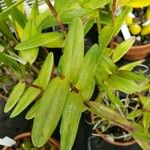
Epidendrum spp.
Fairy wings
Description
Source: leafsnapThis orchid is listed among the most uncommon forms of flowers. It has over 1,000 varieties from sub-tropical to tropical plants which means that most of them are not well-suited for long-term outdoor growing. These flowers are actually best-suited in a greenhouse or indoor planting. It usually has a three-lobed lip at the bottom of its flower that closes on the center.
Care Guide
💧 Water Twice a week.
Water Epidendrums with a spouted watering can twice weekly. You can also do it more often whenever you feel that the pot feels light and the potting medium is drying. Water abundantly the soil surface and allow it to be drained into a humidity tray placed below the pot.
☀️ Light
🌡️ Temperature
These plants love to be in warm temperatures but they can handle temperatures down to 50°F. They also love high humidity of about 50% to 70%
💨 Humidity
🪴 Soil
🌱 Fertilizer
Feed the plant every two weeks with orchid fertilizer and then water them once every week. Make sure to keep the soil moist for the plant but do not keep the surface of the bark soggy.
🪴 Pot & Repot
✂️ Pruning
Remove the dying leaves which are characterized by the color yellow. Remove the plants’ debris as well to promote better-growing conditions for the plant. Always use clean shears to reduce the chance of bacterial and fungal diseases on your plant. Do not cut through yellowed tissue because that may cause damage that is alike to a bacterial infection. Make a clean incision to not damage or shock the plant.
🌿 Propagating
🐛 Diseases & pets
☠️ Toxicity
Epidendrums are not known to be poisonous with either consumption by pets or humans. However, if the consumption is high, it may result in vomiting, nausea, and/or loss of appetite.
Characteristics
- Plant Type
- Orchid
- Genus
- Epidendrum
- Family
- Orchidaceae
- Bloom Time
- Usually over the spring or summer