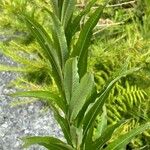
Epilobium angustifolium
بید علفی · Rosebay Willowherb · Fireweed · French-willow · Great Willowherb
Description
Source: leafsnapChamaenerion angustifolium is a perennial herbaceous flowering plant in the willowherb family Onagraceae. It is known in North America as fireweed, in some parts of Canada as great willowherb, in Britain and Ireland as rosebay willowherb. In the United Kingdom it is also known as bombweed, as a result of its rapid appearance on city bomb sites during the Blitz of World War II; the plant is also traditionally known as Saint Anthony's Laurel.: 112 It is also known by the synonyms Chamerion angustifolium and Epilobium angustifolium. It is native throughout the temperate Northern Hemisphere, including large parts of the boreal forests.
💡 The resilience of fireweed is remarkable, as demonstrated by the fact that Epilobium angustifolium was the first flower to emerge after the eruption of Mt. St. Helens on May 18, 1980. Just a month after the eruption, the first shoots broke through the ashes, and within a few months, the entire area was adorned with pink blossoms.
Care Guide
💧 Water
Fireweed, native to moist boreal forests, thrives in consistently damp conditions and should be watered weekly to maintain the soil's moisture. As an herbaceous perennial that grows outdoors, it generally benefits from natural rainfall, which promotes its growth and reduces the need for additional watering.
How should I water my Fireweed plant?
To properly water the Fireweed, follow these simple guidelines. Firstly, make sure you use filtered water at room temperature. Tap water should be avoided as it may contain harmful particles. The reason for using room temperature water is that Fireweed is accustomed to warm environments and cold water can be quite shocking to it. Moreover, it's best to skip overhead watering as it can lead to issues with the foliage. Instead, focus on thoroughly soaking the soil with the filtered room temperature water. This helps the roots stay moist and encourages their growth and nutrient absorption.
What if I give too much or too little water to my Fireweed?
Both overwatering and underwatering can harm your Fireweed's health, but overwatering is more common. Excessive water can cause wilted, yellowed stems and leaves in the Fireweed. It can also lead to diseases like root rot, mold, and mildew, which can be fatal to the plant. While underwatering is less common due to the Fireweed's drought tolerance, it can still occur. In such cases, the leaves of the plant may become brittle and brown. It's important to quickly identify the signs of overwatering when caring for your Fireweed. Delayed action can make some diseases, such as root rot, irreparable. If you notice early signs of overwatering, reduce your watering schedule immediately. Additionally, check the quality of the soil in which your Fireweed is growing. If the soil drains poorly, replace it with a loose, well-draining potting mix. Conversely, if you observe signs of your Fireweed receiving insufficient water, simply water it more regularly until the signs diminish.
How often do I need to water my Fireweed?
When your Fireweed plant is in a pot, the easiest way to determine if it needs water is to stick your finger into the soil. If the top two to three inches of soil feel dry, then it's time to water it. If you have Fireweed growing outdoors in the ground, you can use the same method to test the soil. When the top few inches of soil are dry, it's time to give it some water. In the spring and early fall, you'll usually need to water this plant about once a week using this method. However, during extremely hot weather, you may need to water it two or more times per week. It's worth noting that mature and well-established Fireweed can handle dry conditions quite well.
How much water does my Fireweed plant need?
When watering your Fireweed, don't hesitate to give it plenty of water. Make sure the first two to three inches of soil are dry, then water thoroughly until the soil is completely soaked. You should add enough water that excess water drains out of the pot through the drainage holes. If you don't see any excess water draining, you may have not watered enough. However, make sure you don't let water accumulate in the soil, as it can harm the plant. On the other hand, if water isn't draining from the pot, it could indicate poorly draining soil, which is bad for the plant's health. If the plant is outside, it generally needs about 1 inch of rainfall per week.
How do I water my Fireweed at different times as it grows?
The water needs of the Fireweed can vary based on its growth stages. When the plant is young or recently transplanted, it requires more water to support the development of new roots needed for future growth. These roots perform better with slightly more moisture compared to later stages of maturity. As the Fireweed ages, it will require less water. Additionally, during the blooming period, the plant may need more water due to the moisture demand for flower development. Therefore, giving the Fireweed extra water at this time might be necessary.
☀️ Light Full sun
Fireweed does best when it gets a lot of sunlight each day, though it can also accommodate locations with lower light. Coming from habitats that are typically full sun, its health and growth stay strong so long as some sunlight is present. Too much or too little light can alter fireweed's growth rate and the intensity of its blooms.
What are the sunlight requirements for Fireweed?
Fireweed, with its botanic name Epilobium angustifolium, thrives best in full sun conditions, requiring above 6 hours of sunlight daily. It can, however, adapt to locations with partial sun, receiving about 3-6 hours of sunlight. It's essential to observe how sunlight moves through your garden to select the best spots that offer the right balance of light and shade, ensuring optimal growth and happiness for your plants.
How can artificial lighting be used for Fireweed growth indoors?
When natural sunlight is insufficient for Fireweed, especially during winter or in less sunny spaces, artificial lighting becomes crucial for the plant's growth. LED lights are a recommended option because they can provide specific light wavelengths required by plants. For full sun plants, 30-50W/sq ft of artificial light is needed, for partial sun plants, it's 20-30W/sq ft, and for full shade plants 10-20W/sq ft. The light source should be placed 12-36 inches above the plant, mimicking natural sunlight conditions. Furthermore, it's important to ensure plants receive 8-12 hours of light daily to promote healthy growth.
What are the symptoms of inadequate lighting for Fireweed?
Symptoms indicating that your Fireweed is receiving inadequate light include smaller new leaves, leggy or sparse growth, faster leaf drop, slowed or halted new growth, pale or irregularly colored new leaves due to insufficient chlorophyll, chlorosis (yellowing leaves), sunscald, leaf curling, wilting, and leaf scorching. Each of these symptoms reflects the plant's struggle with the available light, either due to too much or too little exposure.
How can I address light-related issues for my Fireweed?
To optimize Fireweed's growth in response to light-related issues, gradually expose the plant to more sunlight, aiming for at least 6 hours of direct sunlight daily. If indoors, use south-facing windows or artificial grow lights to ensure adequate light exposure for 8 hours. For outdoor plants, avoid sudden changes in light intensity to prevent sunburn. Removing obstructions and considering transplanting during the plant's dormant phase can significantly improve light access. It's crucial to note that while increasing light exposure can promote healthy new growth, parts of the plant already affected may not recover.
🌡️ Temperature 0–32.2°C
Fireweed is native to environments where temperatures fluctuate between 32 and 90 °F (0 to 32 ℃). It thrives under those conditions and prefers milder temperatures. If temperatures drop or rise significantly, seasonal adjustments might be necessary.
What is the ideal temperature range for Fireweed?
Fireweed, known botanically as Epilobium angustifolium, thrives in environments where the temperature fluctuates between 32°F and 90°F (0°C to 32°C). These conditions are optimal for its growth, favoring milder temperatures. It is essential to adjust care seasonally if temperatures significantly drop below or rise above this range to ensure the plant's health and vigor.
How does Fireweed adapt to cold weather?
Fireweed is remarkably cold-tolerant and does not necessitate any additional frost protection measures during the winter months. As a preparatory measure before the first freeze in autumn, it is advised to water the plant generously. This ensures that the soil retains moisture and enters a frozen state adequately prepared. Such preparation helps in preventing drought and water scarcity for Fireweed during the harsh winter and the ensuing early spring.
What should be done if the temperature drops below Fireweed's cold tolerance level?
Although Fireweed can withstand extreme cold, it's crucial to maintain winter temperatures above -35°C to avoid affecting the plant’s spring vitality. If temperatures fall below this threshold, the plant might exhibit a reduced capacity to sprout or fail to sprout at all come spring. In such cases, it's recommended to remove any parts of the plant that have failed to sprout as a springtime care measure.
How should Fireweed be cared for in high temperatures?
Fireweed's tolerance for high temperatures is limited. Exceeding 32°C can halt its growth and increase its susceptibility to rot. To mitigate this, trim away any sunburned or dried-up areas of the plant. Relocating Fireweed to a partially shaded area or employing a shade cloth can protect it from the intense midday and afternoon sun. Additionally, watering the plant in the morning and evening will help keep the soil moist and support its health under high temperature conditions.
💨 Humidity
🪴 Soil 5-7
🌱 Fertilizer
The best time to fertilize a Fireweed is in early spring, when it is coming out of dormancy and starting active growth. Fertilizing supplies essential nutrients for healthy development. Although Fireweed needs relatively little fertilizer, giving it an annual application can improve its chances of survival and encourage better, longer-lasting blooms.
Why should I put fertilizer on my Fireweed?
The leaves of the Fireweed are crucial for its overall structure. By fertilizing it properly, you can enhance the appearance and functionality of these leaves. Good fertilization ensures that the Fireweed maintains consistent color and healthy texture in its leaves. Additionally, fertilization plays a role in promoting the growth of new roots and maintaining the existing ones below the soil. This not only keeps the plant healthy in the present but also improves its ability to absorb nutrients from the soil in the future.
What's the ideal time to put fertilizer on my Fireweed plant?
If you grow your Fireweed outdoors, it will send out new growth in early spring. This is when you should start fertilizing the plant for the year. Typically, one application of fertilizer is enough for the Fireweed to thrive. However, if you want to maximize its growth, you can fertilize it multiple times during the spring and early summer. In this case, you can feed your Fireweed approximately once every month to a month and a half.
When is it not a good idea to put fertilizer on my Fireweed plant?
During the late fall and winter, your Fireweed goes into a dormant phase and stops producing new growth. Therefore, it is recommended to avoid fertilizing it during this time. In spring and summer, if you decide to fertilize multiple times, gradually decrease the amount of fertilizer as summer gets closer because the Fireweed's growth rate slows down. It's important to note that it's not a good idea to fertilize your Fireweed when the weather is unusually hot or the soil is extremely dry. Doing so can cause stress and premature death of the plant.
What kind of plant food does my Fireweed need?
Choosing the best fertilizer for a Fireweed is simple. A general-purpose garden fertilizer with equal amounts of nitrogen, phosphorus, and potassium (like a 10-10-10 ratio) is ideal. Avoid high nitrogen fertilizers if unsure. Granular, slow-release fertilizers are best, and organic soil amendments like compost can also help feed the Fireweed.
How do I make my Fireweed plant grow better?
1. Wait until early spring when you see the first leaves of your Fireweed poking through the soil's surface. 2. Apply a granular slow-release fertilizer with a balanced formula to the soil surrounding the base of your Fireweed. 3. You can repeat this fertilizing process later in the season if desired. 4. When reapplying fertilizer, remember to apply it to the soil at the base of the plant, not directly on the plant itself. You may need to move some leaves aside to access the soil above the roots. 5. It's a good idea to water your Fireweed before and after feeding it.
🪴 Pot & Repot Every 3 years
✂️ Pruning
Fireweed is known for its vibrant pink flowers and rapid growth. To maintain its health, prune it between early and late spring to remove any damaged stems. This will promote healthy growth. Cutting back the old flowering stems will encourage the development of full foliage. Regular pruning can help control its spread, but be careful not to cut too much, as this can lead to stunted growth.
🌿 Propagating
🐛 Diseases & pets
☠️ Toxicity
Epilobium Angustifolium in flower is most toxic. It can be toxic to neurological system and liver if ingested. Some symptoms include diarrhea, weight loss, aimless wandering and reluctance in eating and drinking.
Characteristics
- Plant Type
- Herb
- Life Cycle
- Perennial
- Genus
- Epilobium
- Family
- Onagraceae
- Hardiness Zone
- 3-7
- Mature Height
- 0.49 m to 2.44 m
- Mature Spread
- 30 cm to 91 cm
- Leaf Color
- Green, Dark Green
- Leaf Type
- Deciduous
- Flower Color
- Pink
- Flower Size
- 2.03 cm to 3.05 cm
- Bloom Time
- Early summer, Mid summer
- Planting Time
- Spring
- Harvest Time
- Mid summer