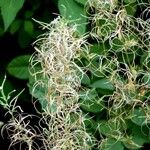
Epilobium ciliatum
Purple-leaved willowherb · American willowherb · Fringed Willowherb · Northern Willowherb · Glandular willowherb
Description
Source: leafsnapEpilobium ciliatum, commonly known as fringed willowherb, is a perennial herbaceous plant in the Onagraceae family. Native to North America, it thrives in wetlands, meadows, and along streams and rivers. The plant can reach up to 1 meter in height, with a slender, finely-haired stem. The lance-shaped leaves of Epilobium ciliatum have serrated edges and are alternately arranged along the stem. The flowers, which appear from June to September, are pink or purple with four petals forming a cup-like shape. Native Americans have used Epilobium ciliatum for medicinal purposes for centuries, employing it as an herbal remedy for ailments such as diarrhea, dysentery, sore throats, and respiratory infections. The fringed willowherb also plays a vital role in the ecosystem. It provides food for various insects, including bees and butterflies, and its seeds are a food source for birds like finches. Overall, Epilobium ciliatum is an important plant species, both ecologically and medicinally. Its aesthetic value, combined with its ecological significance, underscores the importance of preserving its habitat to maintain its beneficial roles over time.
🌳 Fringed willowherb serves an interesting ecological function as a bioindicator species, so its occurrence and condition can provide information about the metal concentrations in the soil where it grows. Scientists commonly rely on bioindicator species to assess levels of specific elements in the environment, and fringed willowherb can signal elevated amounts of metals such as copper and zinc, supporting ecological evaluations and environmental monitoring.
🎭 Creation, revival, restoration
Care Guide
💧 Water Every 7 days
Fringed willowherb, native to wet habitats, flourishes in consistently moist environments and can withstand short periods of drought. To maintain its lush growth, it benefits from regular weekly watering. As a herbaceous perennial, it becomes more vigorous during the growing season, especially when there is plenty of rainfall.
When Should I Water My Fringed Willowherb?
Proper and timely watering is crucial for the health and development of fringed willowherb, impacting its growth, flower production, and disease resistance. Water the plant when the top 1 to 2 inches of soil feel dry, when leaves appear wilted or lackluster, during the pre-flowering stage to prevent bud drop, and in conditions of high heat and sun exposure to meet its increased water needs. Avoid watering when the soil is moist to prevent root diseases and avoid waiting until the soil is too dry to prevent wilting and potential plant death.
How Should I Water My Fringed Willowherb?
Fringed willowherb benefits from regular, consistent watering to maintain evenly moist soil without waterlogging. Water deeply, ensuring the water reaches the root zone, preferably using a watering can with a narrow spout to avoid wetting foliage excessively and reduce the risk of fungal diseases. Use a moisture meter to monitor soil moisture and water when the top inch of soil feels dry, being cautious to not over-water.
How Much Water Does Fringed Willowherb Really Need?
The amount of water fringed willowherb needs depends on various factors including pot size, root depth, and plant size, with the goal of keeping the soil environment consistently wet or damp. Ensure thorough watering without stagnation at the surface. Healthy plants exhibit vigorous growth and vibrant green leaves, while signs of underwatering include wilting and yellowing leaves, and overwatering may result in root rot and fungal growth. Effective drainage in the pot is also essential in preventing root saturation.
What Kind of Water is Best for Fringed Willowherb?
Fringed willowherb thrives with various types of water including tap, rain, or distilled water, preferring mildly acidic to neutral. Due to moderate chlorine and minor fluoride sensitivity, it's beneficial to use dechlorinated water or let tap water sit to evaporate chlorine. Soft water low in minerals is ideal, and treatments like reverse osmosis can be beneficial. Room temperature water is recommended to avoid plant stress. Consistent moisture without waterlogging is key.
How Do Fringed Willowherb's Watering Needs Change with the Seasons?
Seasonal changes affect the watering needs of fringed willowherb. In spring, with the onset of its growing season, maintain even soil moisture but avoid overwatering. During summer's peak growth and increased sunlight, water more frequently to keep the soil moist. In autumn, reduce watering as the plant prepares for dormancy. In winter, water minimally, only when the soil is completely dry, to balance the plant's reduced water needs due to dormancy.
☀️ Light Full sun
Fringed willowherb thrives in locations with plenty of sunlight, which supports its healthy development. Across its different growth stages it prefers high light levels but can also do adequately in spots with moderate sun. It comes from regions that receive a great deal of sun. Too little light can cause poor growth, while excessive light may damage the leaves.
What are the sunlight requirements for Fringed Willowherb?
Fringed Willowherb needs environments with ample sunlight for optimal growth, thriving best in full sun, which means above 6 hours of sunlight per day, but it can also do well in partial sun, receiving about 3-6 hours of sunlight. The plant originates from areas that receive a lot of sun, indicating its preference for abundant exposure. However, too little sunlight can cause suboptimal growth, while overexposure may lead to leaf damage. Monitoring the plant's exposure to ensure a balance between light and shade is crucial for maintaining its health.
What are the symptoms of improper lighting for Fringed Willowherb?
Symptoms of improper lighting on Fringed Willowherb include small new leaves, leggy or sparse growth, faster leaf drop, slowed or halted new growth, lighter-colored new leaves, and signs of stress such as chlorosis, sunscald, leaf curling, wilting, and leaf scorching. These symptoms indicate that the plant is either getting too much or too little sunlight, affecting its ability to perform photosynthesis efficiently and maintain overall health.
How can you provide proper lighting for indoor Fringed Willowherb plants?
Indoor Fringed Willowherb plants can be provided with proper lighting by gradually moving them to a sunnier location to receive at least 6 hours of direct sunlight daily, ideally near a south-facing window. For plants that are large or not easily movable, or when natural sunlight is insufficient, artificial lighting can be an effective solution. This includes keeping a desk or ceiling lamp on for at least 8 hours daily or investing in professional grow lights. It's important to choose the right type of artificial light, such as LED, and ensure the correct distance and duration of light exposure to mimic natural sunlight conditions.
How can you manage outdoor Fringed Willowherb plants for optimal sunlight?
For outdoor Fringed Willowherb plants, gradually moving them to spots with optimal sunlight is essential. Start by placing them in locations where they can adapt to gradually increasing sunlight each week, which will prevent sunburn. It's crucial to avoid sudden changes in light intensity. Additionally, managing obstructions that block sunlight, such as pruning trees, and considering transplanting smaller plants to sunnier locations during their dormant period, can greatly benefit the plant's exposure to sunlight and overall health.
🌡️ Temperature 5–32.2°C
Fringed willowherb grows well in temperate climates, preferring temperatures from 68 to 95 °F (20 to 35 °C). In colder climates growth may stop, so adjusting temperatures when necessary is recommended.
What is the ideal temperature range for growing Fringed willowherb?
Fringed willowherb (Epilobium ciliatum) thrives best in a temperate climate, with the ideal temperature range for its growth being between 68 to 95 °F (20 to 35 °C). This plant is well adapted to mild conditions and may not grow as well outside of these temperature parameters.
Is Fringed willowherb cold-tolerant?
Yes, Fringed willowherb is highly cold-tolerant and does not require additional measures for frost protection during the winter months. To help the plant cope with winter conditions, it is recommended to water the plant generously before the first freeze of autumn. This ensures the soil is moist and enters a frozen state, which helps prevent drought and water scarcity for the plant during the colder months.
What should I do if winter temperatures drop below -25°C?
Fringed willowherb is extremely cold-tolerant, but it is advised to keep winter temperatures above -25°C to ensure healthy growth. If temperatures do fall below this threshold, you may not observe immediate damage during the winter; however, you could see a decrease in sprouting or even no sprouting at all when spring arrives. In such cases, it is recommended to remove any parts of the plant that have failed to sprout in the spring.
How does Fringed willowherb react to high temperatures?
Fringed willowherb is not tolerant of high temperatures. Growth will cease, and the plant becomes more susceptible to rot if the temperature exceeds 35°C. To protect the plant in such conditions, it is advisable to trim away any parts that have been sunburned or dried out. To provide relief from the heat, move the plant to a shaded location or use a shade cloth during the midday and afternoon sun. Ensuring the soil remains moist by watering the plant in the morning and evening can also help.
💨 Humidity normal (40-60%)
This plant will thrive in moderate humidity, which is probably the level in your home. However, misting it a few times a week can be very beneficial. Make sure the room has good ventilation.
🪴 Soil 5-7
🌱 Fertilizer
One fertilizer application in spring is generally enough for Fringed willowherb, though repeated feedings can maximize growth. Apply once every month to six weeks. Fertilization improves the leaves' appearance and function, helping to maintain even color and a healthy texture. It also promotes root development and nutrient uptake for long-term plant health.
🪴 Pot & Repot Every 12 months
✂️ Pruning
🌿 Propagating
🐛 Diseases & pets
☠️ Toxicity
Characteristics
- Plant Type
- Herb
- Life Cycle
- Perennial, Annual
- Genus
- Epilobium
- Family
- Onagraceae
- Hardiness Zone
- 5-7
- Mature Height
- 0.2 m to 1.52 m
- Mature Spread
- 91 cm
- Leaf Color
- Green
- Leaf Type
- Deciduous
- Flower Color
- Pink, White
- Flower Size
- 0.51 cm to 0.76 cm
- Bloom Time
- Early summer, Mid summer
- Planting Time
- Spring
- Harvest Time
- Mid summer, Late summer
- Native Area
- Chile, Sweden, Argentina, Mexico, Guatemala, Denmark, Japan, South Korea, China