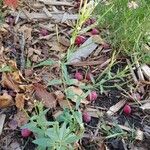
Epilobium coloratum
Purpleleaf Willowherb · Cinnamon Willow-herb · Purple-veined Willowherb · Bronze Willowherb · Cinnamon Willowherb
Description
Source: leafsnapEpilobium coloratum, known by the common names purpleleaf willowherb and cinnamon willow-herb, is a species of flowering plant in the genus Epilobium of the willowherb family Onagraceae. This species is native to the Midwest and Eastern United States (excluding Mississippi and Florida), as well as the Canadian provinces of Ontario, Québec, New Brunswick, Nova Scotia, and Newfoundland. It is also native to the Dominican Republic and Haiti.
🌳 Purple-leaved willow-herb occupies a less well-known but still vital role in environmental science as a bioindicator. Researchers have discovered that purple-leaved willow-herb can reveal the presence of certain heavy metals in the soil, such as zinc and copper. This finding is important because it offers a natural, cost-effective way to monitor and evaluate soil pollution levels, potentially helping to guide remediation efforts in contaminated locations.
Care Guide
💧 Water
☀️ Light Full sun
The purple-Leaved Willow-Herb does best when it receives plenty of sunlight throughout the day. It can also tolerate locations that get sun for only part of the day. In its natural habitat, this flexibility allows it to grow healthily. Either too much or too little light can affect its overall health and vigor.
What are the sunlight requirements for Purple-Leaved Willow-Herb?
Purple-Leaved Willow-Herb requires full sunlight for more than 6 hours a day for optimal growth, but it can also survive with about 3-6 hours of sunlight, classified as partial sun. This flexibility enables the plant to thrive in various environments, adapting well to the available sunlight. Too much or too little sunlight can affect its health, vitality, and growth pattern, so it's essential to find the perfect balance of light and shade.
How can I ensure my indoor Purple-Leaved Willow-Herb receives enough light?
For indoor Purple-Leaved Willow-Herb not receiving enough natural sunlight, especially in winter or less sunny spaces, consider using artificial lighting solutions. LED lights are recommended for their ability to provide specific wavelengths needed by plants. The required artificial light intensity varies: full sun plants need 30-50W/sq ft, partial sun plants 20-30W/sq ft, and full shade plants 10-20W/sq ft. Place the light source 12-36 inches above the plant and aim for 8-12 hours of light per day to mimic natural daylight conditions.
What symptoms indicate my Purple-Leaved Willow-Herb is not getting enough light?
Symptoms of inadequate light for Purple-Leaved Willow-Herb include smaller new leaves, leggy or sparse growth, faster leaf drop, slower or halted new growth, paler new leaves or irregular color patterns, and chlorosis. Excessive sunlight exposure can lead to sunscald, leaf curling, wilting, leaf scorching, and reduced overall plant health. Monitoring these symptoms allows you to adjust your plant's lighting conditions accordingly to maintain its health.
What solutions can I apply to correct light exposure for my Purple-Leaved Willow-Herb?
To correct light exposure for Purple-Leaved Willow-Herb, gradually move plants to sunnier locations, ensuring they receive at least 6 hours of direct sunlight daily. For indoor plants, consider artificial light sources like desk or ceiling lamps, or invest in grow lights to provide at least 8 hours of light daily. Outdoors, select the best sunlight spots and adapt plants gradually. If sunlight is blocked by objects like trees, consider pruning or transplanting your plant to a better-lit area. Note that parts of the plant affected by insufficient light may not recover, but new growth will be healthy with improved light conditions.
🌡️ Temperature 5–32.2°C
Purple-Leaved Willow-Herb is naturally adapted to native habitats where temperatures usually range from 41 to 89.6°F (5 to 32°C). In cultivation it prefers that same range. Seasonal adjustments may be necessary to keep it within those limits.
What are the ideal temperature conditions for growing Purple-Leaved Willow-Herb?
Purple-Leaved Willow-Herb thrives in temperatures ranging from 41 to 89.6°F (5 to 32°C), which mirrors its native growth environments. Although this plant demonstrates strong cold resistance, allowing it to generally forego special frost protection measures in winter, precautions should be taken if temperatures are anticipated to fall below -30°C. In such cases, providing cold protection by covering the plant with soil or straw is advised. It's also recommended to water the plant abundantly before the first freeze in autumn to ensure the soil is moist when it freezes. This helps prevent drought and water scarcity for the plant during the cold months.
How does Purple-Leaved Willow-Herb react to low temperatures, and what should be done in spring if it doesn't sprout?
Purple-Leaved Willow-Herb is notably cold-tolerant and fares best in temperatures above 5°C, with efforts to keep it above -25°C during the winter. Despite its tolerance, exposure to temperatures below -30°C may not immediately show noticeable effects during winter, but could lead to decreased sprouting or even a complete lack of sprouting in the spring. If this occurs, it is suggested to remove any parts of the plant that have failed to sprout in the spring.
How does Purple-Leaved Willow-Herb react to high temperatures, and what are the recommended solutions?
In the summer, it is crucial to ensure that Purple-Leaved Willow-Herb is kept below 32°C, as exposure to temperatures above 35°C can lead to the leaves becoming lighter in color, prone to curling, and susceptible to sunburn. In severe cases, the plant may wilt and dry out entirely. To address this, trim away any sunburned or dried-up parts of the plant. Relocate the plant to a shaded area or use a shade cloth to protect it from the midday and afternoon sun. Additionally, watering the plant in the morning and evening will help keep the soil sufficiently moist.
💨 Humidity
🪴 Soil 5-6
🌱 Fertilizer
Typically a single fertilizer application in spring suffices for Purple-Leaved Willow-Herb, though additional feedings can enhance growth. Apply fertilizer approximately every one to one-and-a-half months. Fertilization improves the leaves' appearance and function, helping maintain even color and a healthy texture. It also promotes root development and increases nutrient uptake for long-term plant health.
🪴 Pot & Repot
✂️ Pruning
The Purple-Leaved Willow-Herb is known for its stunning purple foliage. To keep it healthy and vibrant, it's best to prune it from early to late spring. Be sure to remove any dead stems and spent flowers to encourage new growth and more blooms. Pruning also helps control its spread, improve its shape, and allows for better air circulation, which reduces the risk of disease. This proactive care promotes the plant's overall vigor during its active growth phase.
🌿 Propagating
🐛 Diseases & pets
☠️ Toxicity
Characteristics
- Plant Type
- Herb
- Life Cycle
- Perennial
- Genus
- Epilobium
- Family
- Onagraceae
- Hardiness Zone
- 4-8
- Mature Height
- 0.3 m to 1.07 m
- Mature Spread
- 30 cm
- Leaf Color
- Green, Dark Green
- Leaf Type
- Deciduous
- Flower Color
- Pink, Purple
- Flower Size
- 2.54 cm
- Bloom Time
- Early summer, Mid summer
- Planting Time
- Spring, Autumn
- Harvest Time
- Mid summer