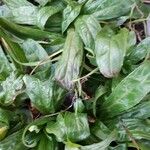
Epilobium tetragonum
Square-stalked Willowherb · Fireweed · Square-stemmed willowherb · Southern Willow-Herb · Square-Stemmed Willow-Herb
Description
Source: leafsnapEpilobium tetragonum, commonly known as square-stemmed willowherb, is a perennial herbaceous plant in the Onagraceae family. Native to North America, it thrives in wetlands, meadows, and along streams and rivers. Growing up to 1 meter tall, this plant features distinctive hairy, square stems. The leaves of Epilobium tetragonum are lance-shaped with toothed edges, and they grow in opposite pairs along the stem. Its pink or purple flowers, which bloom from June to September, have four petals that form a cup-like shape. Native Americans have traditionally used this plant for medicinal purposes, treating ailments such as diarrhea, dysentery, and urinary tract inflammation. Additionally, indigenous people have consumed its young leaves, either raw or cooked, as a food source. Epilobium tetragonum serves as a crucial food source for various wildlife, including deer, elk, moose, and beavers, which feed on its leaves during the summer when other vegetation may be scarce. Overall, Epilobium tetragonum plays a vital role in North American ecosystems. It offers medicinal benefits and serves as an essential food source for wildlife in wetland habitats where it grows abundantly.
🌳 Beyond its looks, square-stalked willowherb has a notable use: it can serve as a bioindicator for certain metals in the soil. In other words, the presence of square-stalked willowherb can indicate the soil's metallic composition, which is useful for environmental monitoring and can assist in evaluating soil health and pollution levels.
Care Guide
💧 Water Every 7 days
Square-stalked willowherb thrives in consistently moist environments, where it needs regular weekly watering. It grows better outdoors, where it can benefit from natural rainfall. As a perennial, its health is closely linked to water availability, flourishing with sufficient moisture but not tolerating drought conditions.
How should I water my Square-stalked willowherb plant?
To properly water the Square-stalked willowherb, use filtered water at room temperature. Tap water may contain harmful particles, so filtered water is preferred. It's important to use room temperature or slightly warm water because this plant is native to warm environments and cold water can be a shock to its system. Avoid overhead watering to prevent foliage complications. Instead, thoroughly soak the soil with your filtered room temperature water. This helps the roots absorb moisture and spread through the soil to collect necessary nutrients.
What should I do if I give my Square-stalked willowherb too much or too little water?
Both overwatering and underwatering can harm the health of your Square-stalked willowherb. However, overwatering is a more common issue that can cause wilting, yellowing leaves, and various diseases like root rot, mold, and mildew, which can kill the plant. Square-stalked willowherb has good drought tolerance, so underwatering is less likely, but it can still happen, resulting in brittle, brown leaves. It's important to notice signs of overwatering early to prevent irreversible damage. Reduce watering immediately if you see these signs and consider replacing poorly draining soil with a well-draining potting mix. If your plant shows signs of underwatering, simply water it more regularly until the signs disappear.
How many times a week should I water my Square-stalked willowherb?
If your Square-stalked willowherb is in a pot, the most precise way to determine if it needs water is to check the soil by sticking your finger into it. If the top two to three inches of soil feel dry, it's time to water it. For outdoor Square-stalked willowherb planted in the ground, you can use a similar method to test the soil. When the first few inches of soil have dried out, it's time to water it. Usually, this means watering the plant about once a week during spring and early fall. However, during extremely hot weather, you may need to water it twice a week or even more. It's important to note that mature, well-established Square-stalked willowherb can withstand drought quite well.
How much water does my Square-stalked willowherb require?
When watering your Square-stalked willowherb, don't be shy about giving it plenty of water. Make sure the first two to three inches of soil are dry before watering, and then give it a good, thorough soaking. You want to add enough water to completely saturate the soil and see excess water draining from the pot's drainage holes. If you don't see any excess water draining, you may not have given it enough water. However, make sure not to let water accumulate inside the soil, as this can harm the plant. On the other hand, if you notice that water is not draining properly from the pot, it could be a sign of poorly draining soil, which is not good for the plant's health. Finally, if the plant is outside, it generally needs about 1 inch of rain per week to stay properly hydrated.
How do I water my Square-stalked willowherb at different times as it grows?
The water needs of the Square-stalked willowherb vary depending on its growth stages. In the first few years and after transplanting, it requires more water due to the energy it puts into growing new roots. These roots need extra moisture to support future growth. As the plant matures, it will require less water. Another stage that requires more water is the bloom period, as the flower development uses a significant amount of moisture.
☀️ Light Full sun
The square-stalked willowherb grows best in locations that receive plentiful sunlight throughout the day. Sufficient sunlight is required for its optimal growth and good health. Although it originates from sun-rich habitats and can tolerate lower light, it may grow more slowly and produce fewer flowers in such conditions. The plant becomes unhealthy when subjected to severe light deprivation.
What are the sunlight requirements for Square-stalked willowherb?
Square-stalked willowherb requires above 6 hours of sunlight daily to thrive best. It's important to monitor the movement of sunlight through your garden to find the optimal balance of light and shade for the plant, ensuring its growth and health. Originating from sun-rich environments, while it can tolerate some shade, less light may result in slower growth and fewer blooms. Extreme lack of sunlight can lead to poor health.
Can artificial lighting be used for Square-stalked willowherb? How?
Yes, artificial lighting can be a vital solution for indoor Square-stalked willowherb plants, especially when natural sunlight is insufficient. Optimal growth is facilitated by using the right type of artificial light, such as LED lights, which can be customized to the plant's needs. The intensity of light required varies by plant type: full sun plants need 30-50W/sq ft, partial sun 20-30W/sq ft, and full shade 10-20W/sq ft. The light source should be placed 12-36 inches above the plant, mimicking natural daylight hours (8-12 hours) as closely as possible.
What are the symptoms of light deficiency in Square-stalked willowherb?
Symptoms of light deficiency in Square-stalked willowherb include smaller new leaves, leggy or sparse growth, faster leaf drop, slower or no new growth, and lighter-colored new leaves. These symptoms indicate the plant is not receiving sufficient light, hampering its growth and health.
What are the symptoms of too much sunlight in Square-stalked willowherb?
Symptoms of excessive sunlight exposure in Square-stalked willowherb include chlorosis, sunscald, leaf curling, wilting, and leaf scorching. These conditions result from too intense sunlight, leading to damage in the plant's tissues, affecting its ability to perform photosynthesis and maintain hydration, ultimately reducing its overall health.
What solutions can be applied to counter light-related issues in Square-stalked willowherb?
To address light-related issues in Square-stalked willowherb, gradually move plants to areas with at least 6 hours of direct sunlight for outdoor or use a south-facing window for indoor plants. Artificial lighting, such as desk lamps or professional grow lights, can be used for at least 8 hours daily to supplement light. For plants affected by insufficient sunlight, new growth after increasing light exposure will be healthy, though affected parts may not recover. Minimize obstructions by pruning or transplanting to ensure ample sunlight.
🌡️ Temperature 5–25°C
Square-stalked willowherb originates from regions where temperatures usually fall between 41 and 77°F (5 to 25℃). It performs best in those cooler conditions. If grown in other seasons, it is advisable to make adjustments to reproduce those temperature conditions.
What is the native climate for Square-stalked Willowherb?
Square-stalked Willowherb is a plant native to climates with temperatures typically ranging from 41 to 77°F (5 to 25°C). It flourishes best within these cooler temperature ranges. To successfully cultivate Square-stalked Willowherb in varying seasonal temperatures, it's recommended to adjust conditions to closely mimic these native temperature preferences.
Does Square-stalked Willowherb require frost protection measures during winter?
Square-stalked Willowherb is highly cold-tolerant and does not necessitate additional frost protection measures throughout the winter months. Nevertheless, a proactive step to ensure its well-being through colder seasons involves watering the plant generously before the first freeze of autumn. The objective is to keep the soil moist as it enters a frozen state, aiding in the prevention of drought and water scarcity during the winter and early spring periods.
How does Square-stalked Willowherb react to temperatures below -25°C?
Square-stalked Willowherb exhibits an extreme tolerance to cold; however, maintaining winter temperatures above -25°C is crucial. Temperatures dipping below this threshold might not manifest any visible damage during the winter, yet could potentially result in diminished sprouting activity or a complete lack of sprouting come springtime. To counteract this, the recommended solution is to remove any plant parts that have failed to sprout in the spring.
What should be done if Square-stalked Willowherb is exposed to high temperatures?
When exposed to temperatures exceeding 25°C, Square-stalked Willowherb's growth halts, and the plant becomes prone to rot. Countermeasures include trimming away sunburnt and dried-up parts of the plant. Additionally, relocating the plant to a shadier spot or utilizing a shade cloth to protect it from the harsh midday and afternoon sun is advised. Ensuring the soil remains moist through morning and evening watering sessions is also beneficial in mitigating the adverse effects of high temperatures.
What is the botanical name of Square-stalked Willowherb?
The botanical name of Square-stalked Willowherb is Epilobium tetragonum. This designation allows for precise identification and research within the scientific and gardening communities, facilitating a deeper understanding of its care requirements and characteristics.
💨 Humidity high (>60%)
This plant needs special care because it loves high humidity levels of 60-80% or more. The best way to achieve this is by placing a humidifier near the plant. Daily misting is also essential! Make sure the room has good ventilation.
🪴 Soil 5-7
🌱 Fertilizer
One fertilizer application in spring is generally enough for Square-stalked willowherb, though several feedings can optimize growth. Apply fertilizer once every month to a month and a half. Fertilization improves leaf appearance and function, helping maintain uniform color and a healthy texture. It also encourages root development and nutrient uptake for long-term plant health.
Why do I have to add fertilizer to my Square-stalked willowherb?
To ensure that the leaves of the Square-stalked willowherb look great and serve their purpose effectively, fertilization is key. Proper fertilization will result in consistent leaf color and a healthy texture. Additionally, fertilization benefits the plant's root system by promoting new root growth and maintaining existing roots. This not only ensures the plant's current health but also enhances its ability to absorb nutrients from the soil in the long run.
When should I put fertilizer on my Square-stalked willowherb?
If you have Square-stalked willowherb in your outdoor garden, it will start growing new leaves in early spring. This is a sign that it's time to start fertilizing. Usually, one application of fertilizer in the spring is sufficient. But if you want to promote maximum growth, you can fertilize multiple times during the spring and early summer. In this case, feed the willowherb once every month to a month and a half.
When is it not a good idea to add fertilizer to my Square-stalked willowherb?
During late fall and winter, Square-stalked willowherb goes into a dormant phase, during which it doesn't produce new growth. To ensure its well-being, avoid fertilizing it at this time. In spring and summer, if you choose to fertilize it multiple times, gradually decrease the amount as summer approaches because its growth rate slows down. It's never a good idea to fertilize Square-stalked willowherb during excessively hot weather or when the soil is exceptionally dry, as this can stress and harm the plant.
What kind of fertilizer does my Square-stalked willowherb require?
Luckily, choosing the right fertilizer for a Square-stalked willowherb is simple. The best option is a general-purpose garden fertilizer with equal amounts of nitrogen, phosphorus, and potassium, typically represented by a 10-10-10 ratio. Avoid fertilizers high in nitrogen if uncertain. Granular, slow-release fertilizers are ideal for this plant. Additionally, consider using organic soil amendments like compost to feed your Square-stalked willowherb.
How can I help my Square-stalked willowherb grow better?
To ensure proper growth of your Square-stalked willowherb in early spring, wait until you see the first leaves poking through the soil's surface. Then, apply a granular slow-release fertilizer with a balanced formula to the soil surrounding the base of the plant. You can repeat this process later in the season if desired. When reapplying fertilizer, make sure to apply it to the soil at the base of the plant rather than directly onto the plant itself. This may require moving some leaves to access the soil above the roots. It's also a good idea to water your Square-stalked willowherb before and after fertilizing.
🪴 Pot & Repot
✂️ Pruning
To improve the health and appearance of square-stalked willowherb, prune it from early to late spring. Start by removing any dead stems and thinning crowded areas to improve air circulation. For older stems, cut them back to the base to rejuvenate the plant, which will promote vigor and enhance blooming. Proper pruning is essential for maintaining the plant's health and attractiveness.
🌿 Propagating
🐛 Diseases & pets
☠️ Toxicity
Characteristics
- Plant Type
- Herb
- Life Cycle
- Perennial
- Genus
- Epilobium
- Family
- Onagraceae
- Hardiness Zone
- 5
- Mature Height
- 61 cm
- Mature Spread
- 20 cm to 40 cm
- Leaf Color
- Forest Green
- Leaf Type
- Deciduous
- Flower Color
- Pink
- Flower Size
- 0.51 cm to 0.51 cm
- Bloom Time
- Early summer, Mid summer
- Planting Time
- Spring
- Harvest Time
- Mid summer
- Native Area
- Lesotho, Turkey, Sweden, Austria, Slovakia, Montenegro, Slovenia, Morocco, Croatia, Belarus, Uzbekistan, Russia, Iraq, Germany, Estonia, Romania, Latvia, Belgium, Portugal, Netherlands, France, Tajikistan, Tunisia, Czech Republic, South Africa, Cyprus, Bulgaria, Poland, Greece, Ukraine, Serbia, Lebanon, Lithuania, Norway, Syria, Kyrgyzstan, Kazakhstan, Italy, Spain, Switzerland, Denmark, Finland, Iran, Albania, United Kingdom, Hungary, Algeria, Turkmenistan