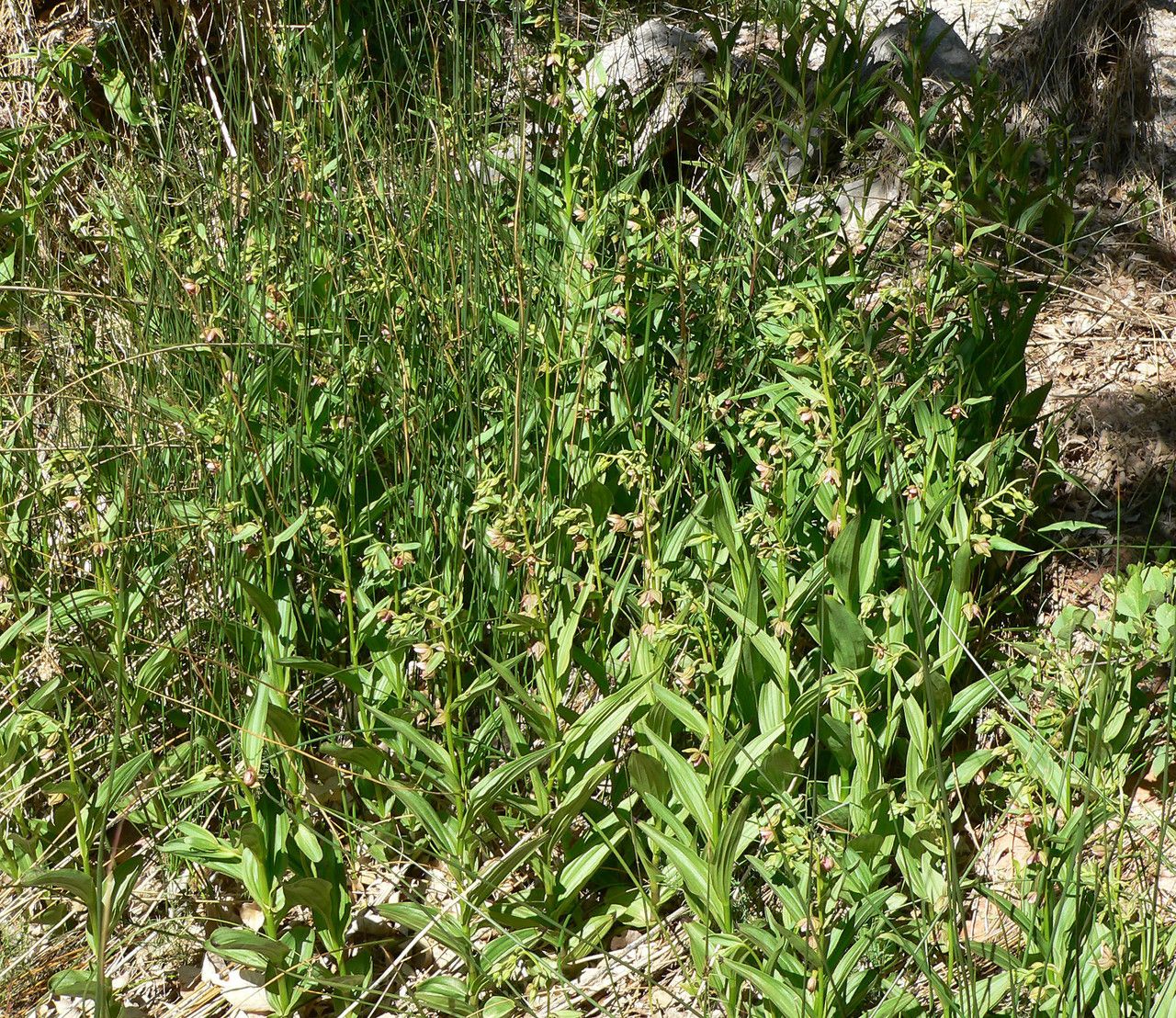
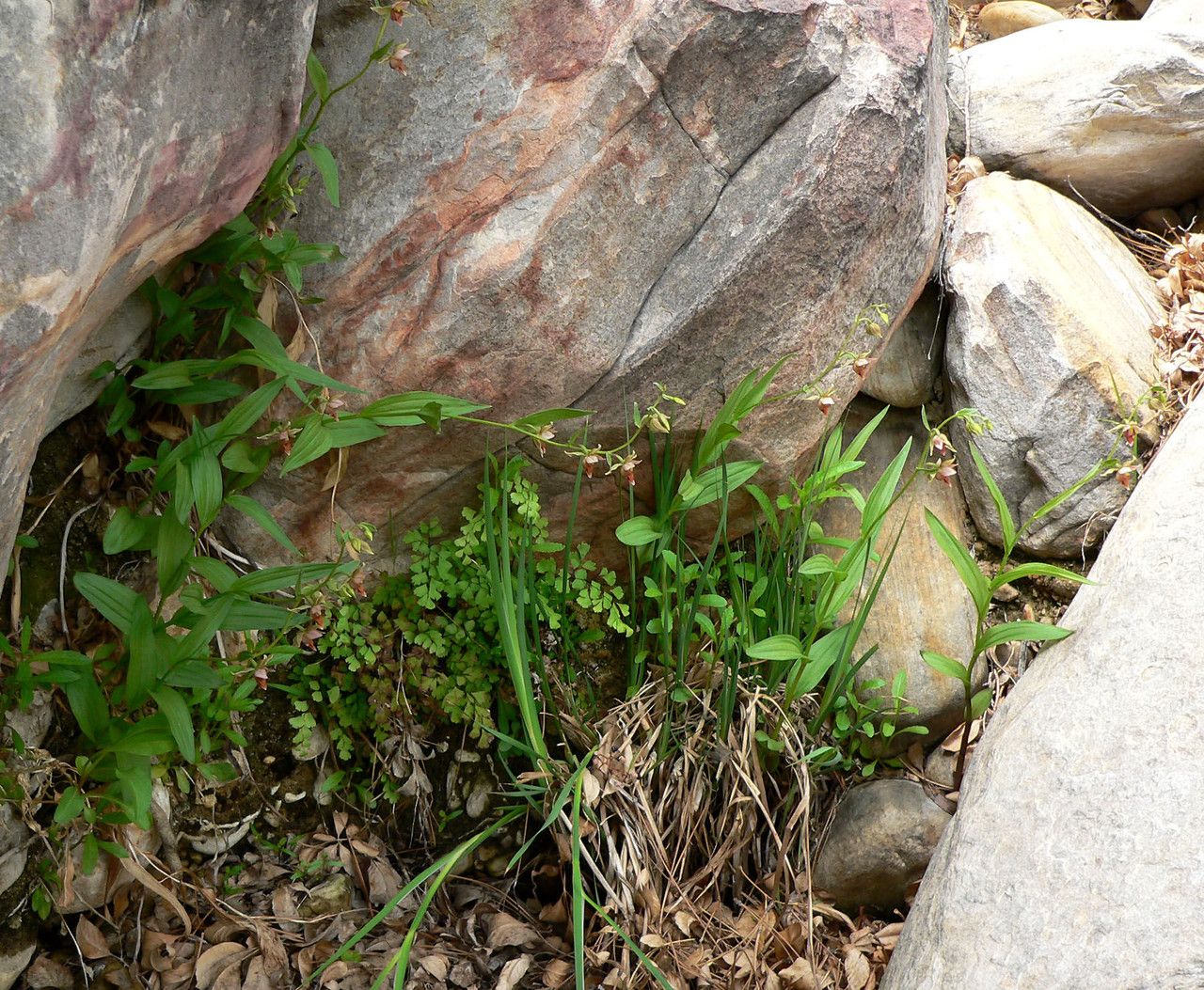
Epipactis gigantea, commonly known as the stream orchid or giant helleborine, is a perennial herbaceous plant in the orchid family. Native to western North America, it thrives in moist environments such as stream banks, wet meadows, and forests.
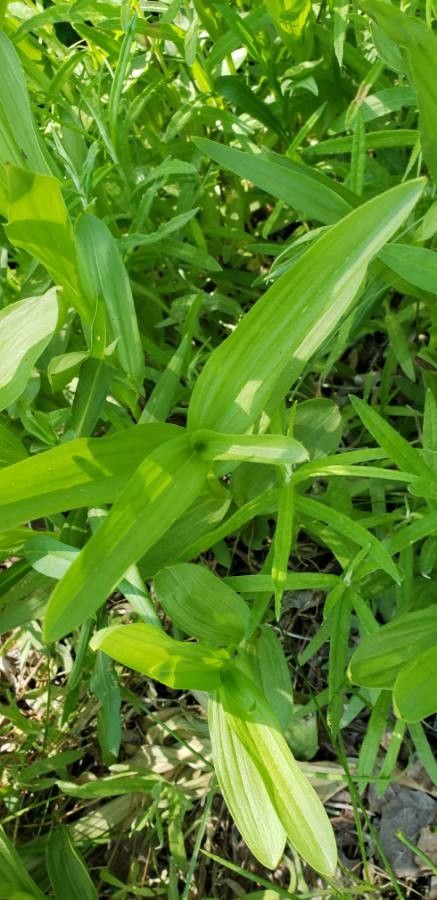
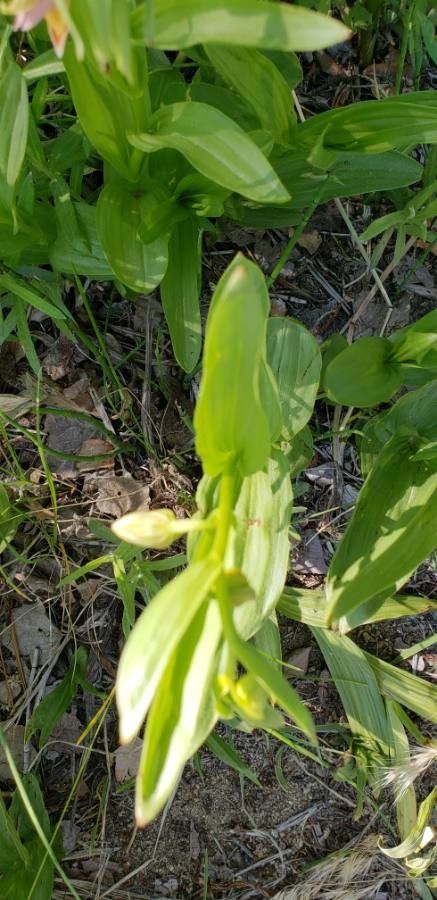
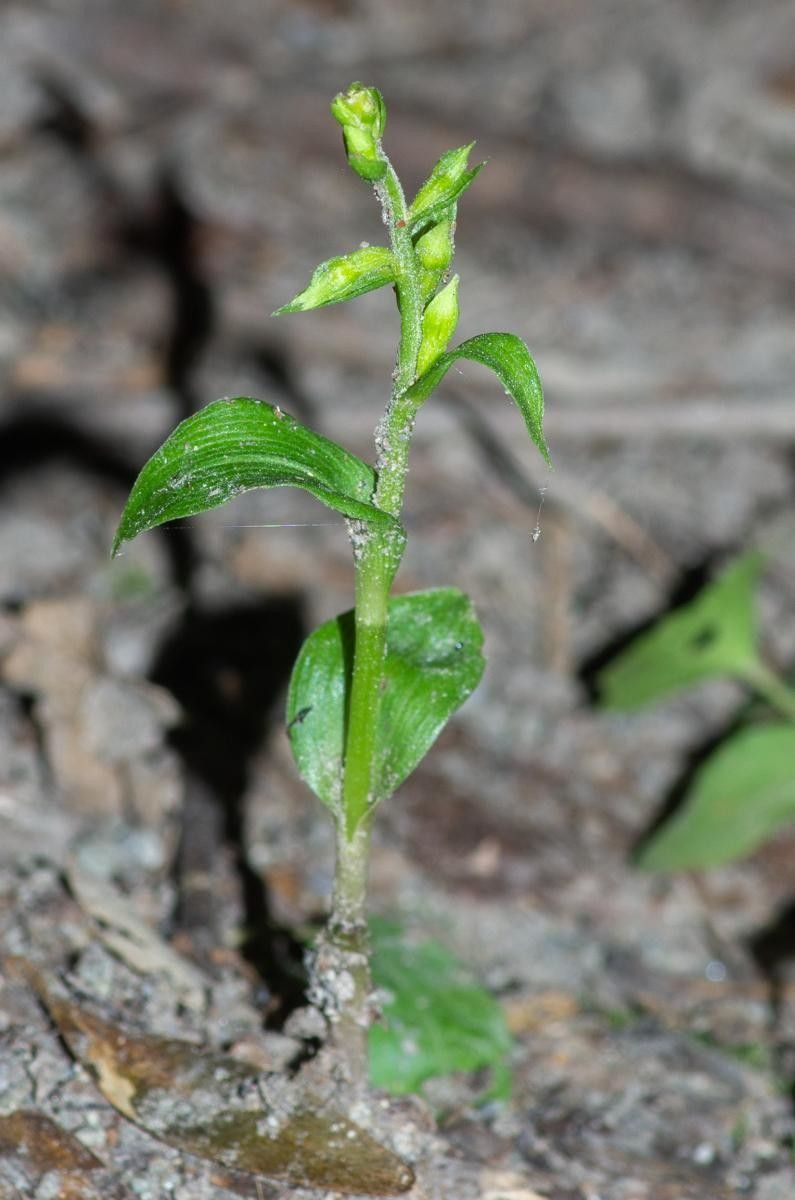
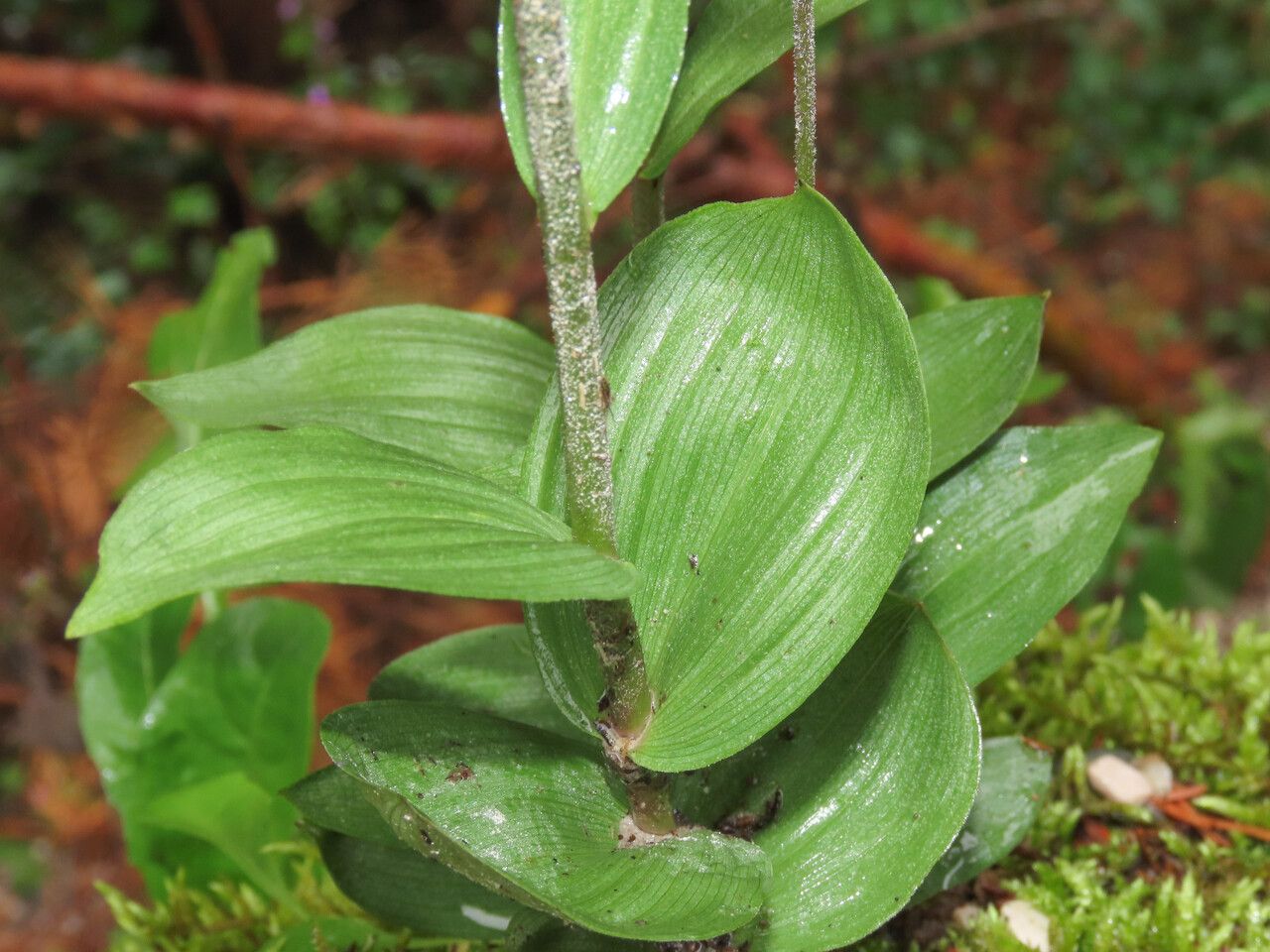
This plant can reach heights of up to 1.5 meters and features a thick stem adorned with several alternately arranged leaves. The leaves are oval-shaped with pointed tips and prominent veins.
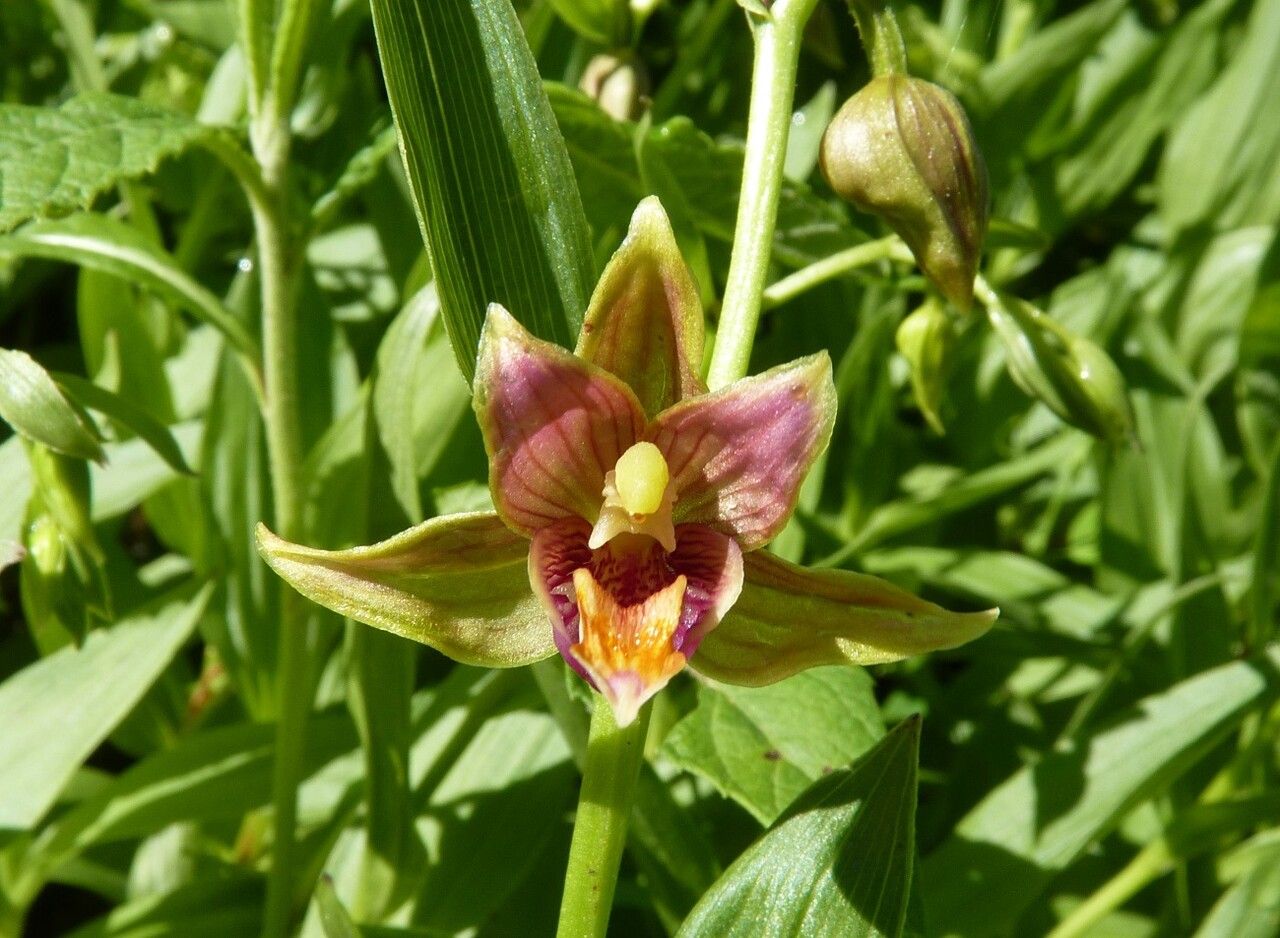
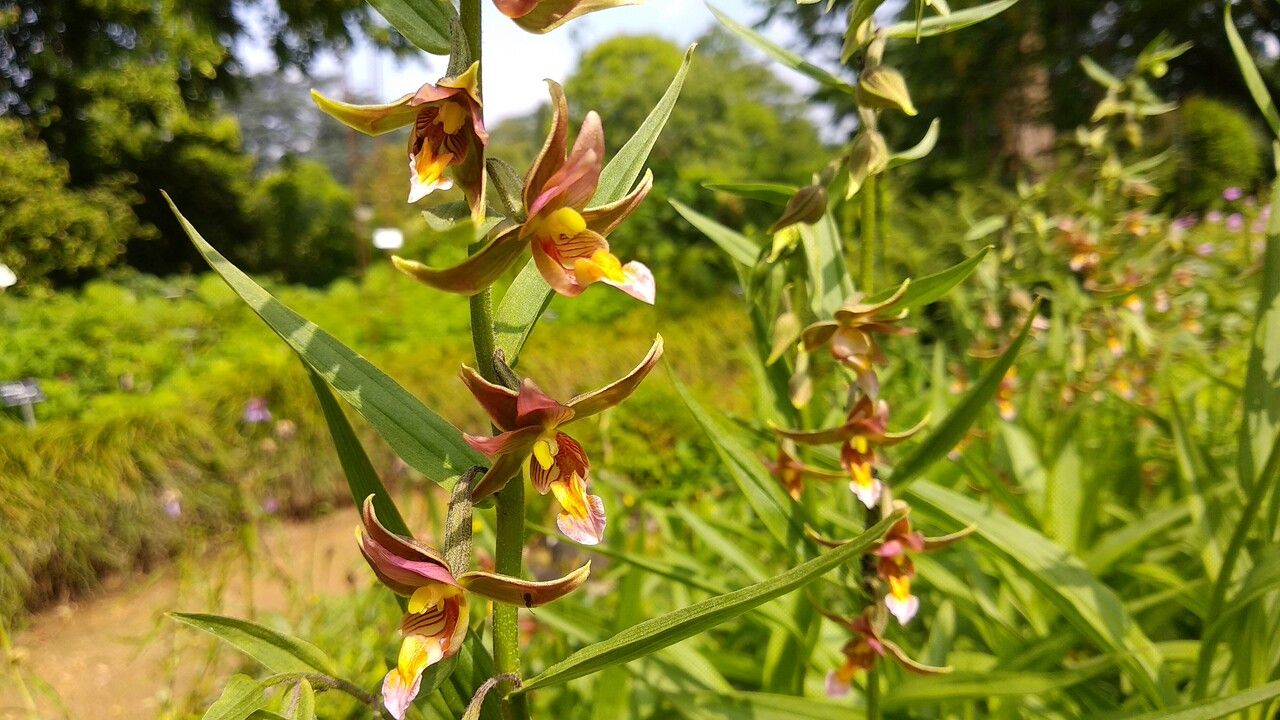
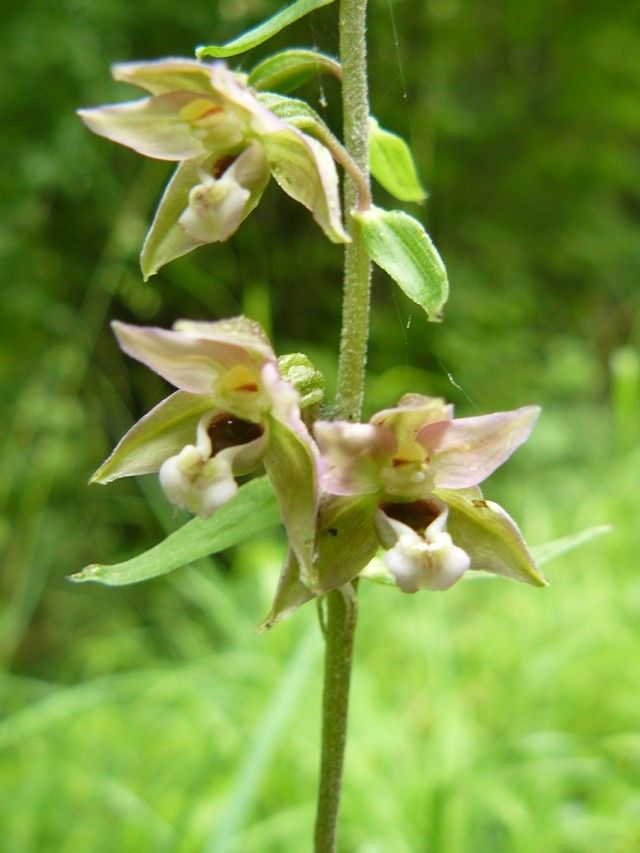
Epipactis gigantea produces large clusters of flowers that bloom from June to August. These flowers are typically yellow-green with reddish-brown markings on the lip, or lower petal. They emit a distinctive scent that attracts pollinators such as bees and butterflies.
Indigenous peoples have historically used this plant for medicinal purposes, treating ailments like headaches, fever, and respiratory problems.
Epipactis gigantea plays a crucial role in many ecosystems by providing habitat for various wildlife species, including insects like bees that help pollinate nearby plants. It often grows alongside plants like ferns, which offer shelter from predators and contribute nutrients through their decomposing leaves, creating rich soil conditions ideal for growth.
Botanical profile.
- Plant Type
- Herb
- Life Cycle
- Perennial
- Genus
- Epipactis
- Family
- Orchidaceae
- Hardiness Zone
- 4-8
- Mature Height
- 30 cm to 91 cm
- Mature Spread
- 1.52 m
- Leaf Color
- Green
- Leaf Type
- Deciduous
- Flower Color
- Green, Brown
- Flower Size
- 3.56 cm to 6.35 cm
- Bloom Time
- Late spring, Early summer, Mid summer
- Planting Time
- Spring, Summer, Autumn
- Harvest Time
- Late summer, Early fall, Mid fall
- Native Area
- Mexico
Other names.