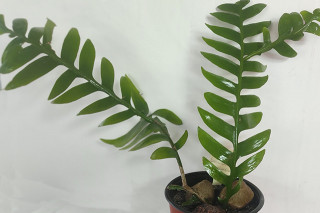
Epiphyllum chrysocardium
Shark tooth cactus
Description
Source: leafsnapThe wild epiphytic cactus Selenicereus chrysocardium, often known as the Fern Leaf (orchid) Cactus, is indigenous to Mexico and has zigzag-shaped leaves. It has branching stems that bear pale leaves with rounded lobes in a zigzag pattern, is spineless, and can spread to a width of up to 1.8 meters. Make careful to keep Selenicereus chrysocardium in the proper potting mix when growing it. Start with 60% soil and 40% perlite when making your own. Sand, peat, or bark are additional options. Every two or three years, try to repot it.
Care Guide
💧 Water Every 2-3 weeks
☀️ Light
🌡️ Temperature
You may certainly grow your fern leaf cactus outside all year long if you live in USDA zones 10 or 11. It is not cold-resistant and will perish. When the nighttime temperature is regularly 55 degrees or higher, usually move indoor plants outside. Once the fall temps begin to drop again, go back inside.
💨 Humidity
🪴 Soil
🌱 Fertilizer
To help your new Fern Leaf Orchid Cactus establish, fertilize it softly, a few inches from the base, every three years with a slow time released product. If they are not fertilized, they frequently grow more slowly. Note: Less cost fertilizers can include high salts that might damage a plant's roots and possibly kill them. Use a company you are comfortable and confident with.
🪴 Pot & Repot
✂️ Pruning
To control its size and prevent crowding, you must occasionally prune your cactus plant. Every time the plant seems to be getting too big, you should trim it down to maintain the health of your cactus. You should prune the plant's damaged areas if the color and texture of your cactus are changing.
🌿 Propagating
🐛 Diseases & pets
☠️ Toxicity
This plant should not be around kids or pets. Because of this, you should keep this plant away from them. In addition, Ficus elastica 'Ruby's milky sap from the leaves may cause long-term skin irritation. Numerous plant species in the genus Ficus produce sap that is poisonous. Following intake, the mouth and digestive system may irritate.
Characteristics
- Plant Type
- Cactaceae
- Genus
- Epiphyllum
- Family
- Cactaceae
- Hardiness Zone
- 10
- Bloom Time
- Spring and summer
- Native Area
- Mexico