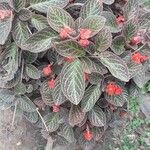
Episcia cupreata
Flame-violet · Carpet plant · Strawberry begonia
Description
Source: leafsnapEpiscia cupreata, commonly known as the flame violet or chocolate soldier, is a tropical plant native to Central and South America. As a member of the Gesneriaceae family, it is highly valued for its attractive foliage and vibrant flowers. The plant features heart-shaped leaves that are typically green with reddish-brown veins, although some cultivars exhibit variegated or solid-colored leaves. Its tubular flowers, with five petals each, come in various shades of red, orange, or pink. Episcia cupreata prefers bright but indirect light and well-draining, moist soil. It can be grown as a houseplant or outdoors in warm climates, where it thrives in shaded areas such as under trees or on patios protected from direct sunlight. With proper care, Episcia cupreata can become an easy-to-grow addition to any indoor garden or outdoor landscape project.
💡 Flame violet is a highly popular houseplant known for its stunning variegated leaves and vibrant flowers. Some of the most sought-after cultivars include 'Chocolate Soldier', 'Tropical Topaz', 'Silver Sheen', 'Emerald Green', 'Frosty', and 'Harlequin', among others.
🌳 Flame violet is not widely recognized for extracts or industrial applications, but it is valued as an ornamental. It prospers in the humid, controlled conditions of terrariums, making it a favored choice for hobbyists seeking tropical foliage for indoor miniature ecosystems. This specific use highlights the adaptability and visual appeal of flame violet, qualities often overshadowed by its common potted presence.
🎭 Properly managed
Care Guide
💧 Water Every 7 days
Flame violet, a plant native to tropical rainforests, thrives in consistently moist conditions and prefers well-drained soil. For optimal growth, water it weekly and maintain higher humidity levels, similar to those found in terrariums or bathrooms. Ensuring proper hydration helps keep its evergreen foliage vibrant all year round.
How should I water my Flame violet plant?
When watering the Flame violet, it's important to use filtered water at room temperature. Tap water can have harmful particles, so filtered water is preferable. The Flame violet is used to warm environments, so cold water can be shocking to it. Avoid overhead watering, as it can cause problems with the foliage. Instead, simply pour the filtered room temperature water onto the soil until it is fully soaked. This helps the plant by moistening the roots and aiding nutrient absorption.
What should I do if I give my Flame violet too much water or too little water?
Both overwatering and underwatering can harm your Flame violet, but overwatering is more common. When this plant gets too much water, its stems and leaves may wilt and turn yellow. Overwatering for a long time can also cause diseases like root rot, mold, and mildew, which can be fatal. Underwatering is less likely for the Flame violet because it can tolerate drought. However, it can still happen, and you might notice brittle, brown leaves. It's important to recognize the signs of overwatering early when caring for your Flame violet. Some diseases caused by overwatering, such as root rot, may be irreversible if not addressed promptly. If you see early signs of overwatering, reduce your watering schedule immediately. You should also check the soil quality where your Flame violet is planted. If the soil drains poorly, replace it with a loose, well-draining potting mix. If you notice signs of underwatering, simply water your plant more regularly until the signs improve.
How frequently should I water my Flame violet?
If your Flame violet is in a pot, the best way to determine if it needs water is by checking the soil. Stick your finger into the soil and if the top two to three inches are dry, then it needs watering. If you have planted the Flame violet outdoors in the ground, you can use the same method to check the soil. Once again, if the first few inches of soil have dried out, it is time to water it. Usually, during the spring and early fall, you will need to water this plant about once a week using this method. However, during extremely hot weather, you may need to water it twice or more per week. Despite this, mature and well-established Flame violets have the remarkable ability to tolerate drought.
How much water does my Flame violet plant need?
When it's time to water your Flame violet, don't be hesitant about giving it a good amount of water. Make sure the top 2-3 inches of soil are dry before watering. Give the plant a thorough watering that saturates the soil completely. You should add enough water so that it flows out of the drainage holes at the bottom of the pot. If you don't see any excess water draining out, it means you haven't watered the plant enough. However, be careful not to let water accumulate in the soil as it can harm the plant. On the other hand, if water isn't draining properly from the pot, it could indicate poorly draining soil, which is not good for the plant's health. For outdoor plants, about 1 inch of rain per week is sufficient.
How do I water my Flame violet when it's growing at different stages?
The water needs of the Flame violet can vary based on its growth stages. In the first few years of its life or after transplanting, it will require more water due to the energy spent on sprouting new roots for future growth. These juvenile roots need extra moisture to perform their best. As the plant matures, it will require less water. Additionally, during the bloom period, the Flame violet will benefit from increased watering as flower development requires a significant amount of moisture.
☀️ Light Partial sun
The flame violet typically prefers a spot with moderate sunlight, though it adapts well to areas with reduced light. Sun exposure affects its healthy development, but too much can damage its delicate leaves. Native to dappled-shade habitats, it maintains this light preference throughout all stages of growth.
What are the sunlight requirements for the Flame violet?
The Flame violet (Episcia cupreata) needs partial sun, which means about 3-6 hours of sunlight daily, but it can also grow in full shade, where it receives less than 3 hours of direct sunlight. It's important to observe the movement of sunlight through your garden to find the ideal spots that offer the right balance of light and shade, which ensures the plant's well-being. This species originally thrives in environments with dappled shade and continues to prefer similar sun exposure throughout all its growth stages.
How does sunlight affect the Flame violet's growth?
Sunlight is crucial for the healthy growth of the Flame violet, affecting it positively when in moderation but potentially harming its delicate leaves if exposed to too much light. This plant is naturally accustomed to moderate sun exposure but can adapt to less light, mirroring its habitat of dappled shade. However, the right amount of light is essential for its overall health and vitality.
What should I do if natural sunlight is insufficient for my indoor Flame violet?
When natural sunlight is not enough, especially during winter or in less sunny indoor locations, using artificial lighting can be a significant aid in promoting the optimal growth of your indoor Flame violet. LED lights are advisable as they can mimic the specific wavelengths of light needed by plants. For full sun plants, 30-50W per square foot is suitable, partial sun plants need 20-30W per square foot, and full shade plants require 10-20W per square foot. Place the light source 12-36 inches above the plant to simulate natural sunlight and ensure the duration mimics natural daylight hours, with most plants needing 8-12 hours of light per day.
What are the signs of light deficiency in the Flame violet?
The Flame violet may show various signs when there's insufficient light, including lighter-colored new leaves, which suggest a lack of chlorophyll and essential nutrients. The plant may also exhibit leggy or sparse growth, a stretched-out appearance due to longer spaces between leaves or stems, making the plant appear weak. A slowdown or complete halt in new growth can occur, showing the plant is in survival mode due to poor light conditions. Loss of variegation in some varieties might happen as well, turning new leaves completely green due to increased chlorophyll for better photosynthesis.
How can I address the Flame violet's symptoms of too much or too little light?
To optimize the Flame violet's exposure to sunlight, gradually shift the plant to sunnier spots each week, aiming for 3-6 hours of direct sunlight daily to allow gradual adaptation. For indoor plants that are large or not easily movable, consider supplemental lighting with a desk or ceiling lamp for at least 8 hours daily or invest in professional grow lights. If moving your plants outdoors, do so gradually to prevent sunburn, starting with a sunnier location each week. For ground plants, reducing obstructions like pruning trees or transplanting to sunnier locations with good drainage during dormant periods can help. Note that parts of the plant damaged by insufficient sunlight might not recover, but increasing light exposure will result in healthy new growth.
🌡️ Temperature 20–37.8°C
Flame violet naturally grows in hot, humid conditions, with temperatures from 20 to 38℃ (68 to 100℉). These plants prefer warmth and cannot tolerate severe winter cold. To accommodate their seasonal needs, keep them in a warm, humid location in summer and reduce direct sunlight in winter to avoid overheating.
What is the native growth environment of Flame Violet?
Flame Violet, also known by its botanical name Episcia cupreata, thrives in a native growth environment that is hot and humid. These plants flourish in temperatures ranging between 20°C to 38°C (68°F to 100°F). They are extremely heat-loving and require warm temperatures throughout the year. During summer, positioning them in a warm and humid spot is ideal, whereas in winter, they should be exposed to less direct sunlight to prevent overheating. It's crucial to maintain temperatures above 20°C, especially during winter, to ensure the plant's growth is not hindered. As cold temperatures can cause damage to the plant, moving it indoors during autumn to a bright location, yet away from heaters, is recommended to avoid cold stress.
How does low temperature affect Flame Violet and what are the solutions?
Flame Violet is not tolerant of low temperatures and shows a preference for environments where the temperature is consistently above 20°C. Exposure to temperatures below 5°C can be detrimental to the plant's health, leading to symptoms such as leaves lightening in color when the temperature drops below 1°C. Frost damage may turn the leaves brown or black, accompanied by wilting and drooping. The recommended solution for frost damage is to trim off the affected parts and immediately move the plant to a warmer indoor setting for protection against the cold. Placing the plant near a south-facing window ensures ample sunlight, but it's important to avoid direct proximity to heaters or air conditioning vents, which can cause the air around the plant to become excessively dry.
What are the effects of high temperature on Flame Violet and how can they be mitigated?
While Flame Violet prefers warm conditions, temperatures during the summer should ideally remain below 38°C. Exposing the plant to temperatures above 43°C can lead to lighter leaf colors and increase the risk of sunburn. To address high temperature stress, it's recommended to trim away the sunburned and dried-up plant parts and move the plant to a shaded location, especially during the midday and afternoon sun to prevent further damage. Ensuring the soil remains moist by watering the plant in the morning and evening contributes to its well-being under high temperature conditions.
💨 Humidity normal (40-60%)
This plant will thrive in moderate humidity, which is probably the level in your home. However, misting it a few times a week can be very beneficial. Make sure the room has good ventilation.
🪴 Soil 5-6
🌱 Fertilizer
Flame violet needs the most fertilizer during its active growth period, which takes place mainly in spring, summer, and early fall. Fertilizing supplies essential nutrients that the soil may be missing, supporting healthy root and stem growth and encouraging the attractive foliage that is a defining trait of this plant.
Why is it necessary to fertilize my Flame violet?
All plants, including the Flame violet, need soil nutrients for growth. However, it's not guaranteed that the soil will have all the necessary nutrients. Fertilization and soil amendments ensure that your garden plants have both basic nutrients and the specific ones they need. The Flame violet benefits from fertilizer to promote healthy root and stem development. It also helps the plant produce beautiful leaves, which are important for its ornamental appeal.
When should I fertilize my Flame violet plant?
The Flame violet requires the most fertilizer when it is actively growing, which is usually during spring, summer, and early fall. During these months, you should feed it once every two to four weeks. As winter approaches, you can gradually decrease the amount of fertilizer until you stop feeding the plant entirely. This is because the Flame violet experiences less active growth in the winter.
When is the right time to not use fertilizer on my Flame violet?
During most of the year (spring, summer, and fall), it's important to regularly feed your Flame violet. However, there are a few exceptions to this. If your Flame violet has already received too much fertilizer or if you have fertilized it incorrectly, causing fertilizer burn or other issues, you'll need to fix the problem before resuming regular feeding. The only time you should refrain from fertilizing your Flame violet is during the winter. If you keep this plant indoors in a cold winter area, it will go into a dormant phase. Feeding it during this dormant phase is not only unnecessary and unhelpful for its growth, but it's also likely to lead to fertilizer burn.
What kind of fertilizer does my Flame violet need?
When fertilizing a Flame violet, it is important to use a specific blend of nutrients, which are present in low amounts. The ideal fertilizer will have a 3-1-2 N-P-K ratio. However, a general-purpose fertilizer with balanced nutrients can also work in some cases. Regardless of the type of fertilizer used, the volume of each nutrient should be at 10 or lower. If you choose to use a liquid-based fertilizer, it is recommended to dilute the strength by half. While granular fertilizer has few downsides, using liquid fertilizer is usually the most practical option, especially if you water your Flame violet while feeding it.
How can I give nutrients to my Flame violet?
When purchasing fertilizer for your Flame violet, it is important to follow the provided application instructions. To avoid burning the plant's roots, it is recommended to fertilize just before or during watering the soil. If you are using a slow-release granular fertilizer, sprinkle it on the soil and then immediately water the plant. For liquid-based fertilizers, dilute them with water, apply to the soil, and then provide additional water. In spring and fall, when the plant's growth is increasing or slowing down, it is especially important to dilute the fertilizer by at least half.
🪴 Pot & Repot 2-3 years
When repotting Flame violet, choose a pot 1-2 inches (2.5–5.1 cm) larger with ample drainage. Use a well-draining potting mix. Repot in spring or fall, ensuring that the root ball is slightly lower than the rim of the flower pot. Water thoroughly after repotting and place in a warm spot with indirect sunlight.
✂️ Pruning
Flame violet benefits from regular pruning, especially from early to late spring. To encourage bushier growth, trim any leggy stems and remove unhealthy leaves. Pinching back new growth helps maintain the plant's shape, enhances its overall health, and increases its flowering potential.
🌿 Propagating
🐛 Diseases & pets
☠️ Toxicity
Characteristics
- Plant Type
- Herb
- Life Cycle
- Perennial
- Genus
- Episcia
- Family
- Gesneriaceae
- Hardiness Zone
- 10-12
- Mature Height
- 30 cm to 37 cm
- Mature Spread
- 30 cm to 61 cm
- Leaf Color
- Green, Orange, Purple
- Leaf Type
- Evergreen
- Flower Color
- Red
- Flower Size
- 2.54 cm
- Bloom Time
- All year round
- Planting Time
- Spring
- Harvest Time
- All year round
- Native Area
- Colombia, Honduras, Venezuela, El Salvador, Nicaragua, Ecuador, Panama