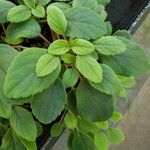
Episcia dianthiflora
Lace Flower Vine
Care Guide
💧 Water
☀️ Light Partial sun
Chocolate soldier naturally occurs in places like forest understories and rocky areas, where it grows in natural shade. It prefers partial sun but can tolerate both full sun and full shade, reflecting its adaptable and hardy character.
🌡️ Temperature 20–37.8°C
Chocolate soldier comes from tropical areas, where the climate is generally warm and humid. Consequently, it is well-suited to high heat and moisture. It dislikes sudden shifts in temperature and thrives in a steady thermal environment, so indoor temperature swings should be avoided. It typically cannot withstand cold and needs warmer conditions to develop; if the temperature falls too low, growth may stop or the plant may die.
💨 Humidity
🪴 Soil 5-6
🌱 Fertilizer
Proper fertilization is essential for Chocolate soldier's health and appearance. Fertilize Chocolate soldier during summer, applying fertilizer once a month throughout the season. Nutrients fuel growth and maintain the plant's structures. Fertilization improves Chocolate soldier's flower display, ensuring the best blooms.
🪴 Pot & Repot 2-3 years
When repotting Chocolate soldier, choose a pot 1-2 inches (2.5–5.1 cm) larger with ample drainage. Use a well-draining potting mix. Repot in spring or fall, ensuring the root ball is placed slightly lower than the rim of the flower pot. Water thoroughly after repotting and keep it in a warm spot with indirect sunlight.
✂️ Pruning
🌿 Propagating
🐛 Diseases & pets
☠️ Toxicity
Characteristics
- Plant Type
- Herb, Vine
- Life Cycle
- Perennial
- Genus
- Episcia
- Family
- Gesneriaceae
- Hardiness Zone
- 10-12
- Mature Height
- 20 cm to 30 cm
- Mature Spread
- 30 cm to 46 cm
- Leaf Color
- Dark Green
- Leaf Type
- Semi-evergreen
- Flower Color
- White
- Flower Size
- 2.03 cm to 3.05 cm
- Bloom Time
- All year round
- Planting Time
- Spring, Summer, Autumn
- Harvest Time
- All year round
- Native Area
- Colombia, Mexico, Costa Rica