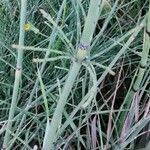
Equisetum hyemale
Horsetail · Great scouring-rush · Shave-grass · Rough horsetail · Common scouring-rush
Description
Source: leafsnapEquisetum hyemale, commonly known as scouring rush or rough horsetail, is a perennial plant from the Equisetaceae family. Native to North America, it thrives in wetlands, marshes, and along riverbanks. This plant is distinctive for its jointed, hollow stems lined with ridges. These stems can reach up to 3 feet in height and bear cone-like structures that contain spores for reproduction. Historically, Equisetum hyemale has served various purposes. Native Americans utilized its rough texture as a natural scouring pad, while early settlers used it to polish metal objects. Beyond its practical applications, Equisetum hyemale also has medicinal properties. It contains silica, which is believed to help strengthen bones and improve skin health. In summary, Equisetum hyemale is a fascinating plant with unique features that have made it valuable throughout history for a range of uses.
🌳 Rough horsetail has shown itself useful in technology, especially in East Asia, where its high quartz silica content is used for abrasion. The plant is well known for finishing woodwind reeds, helping to make their sound clearer. Its range of uses spans from smoothing metals to being applied in traditional medicine, illustrating its varied applications.
🎭 Charming snakes, fertility
Care Guide
💧 Water Every 2 days
Rough horsetail, which originates from moist habitats, thrives in consistently wet soil. It does well with weekly watering but can also withstand short dry periods. Its strong root system effectively stores water, making it more resilient during brief droughts. This ability reflects its adaptability to water-rich environments.
What should I do if I give my Rough horsetail plant too much or too little water?
The Rough horsetail, despite its love for water, can be overwatered. This can happen if the plant is left sitting in water or if the planter does not have drainage holes, causing the roots to be too wet and unable to take up nutrients and moisture. Excess moisture in the soil can also lead to fungal or bacterial diseases. Signs of overwatering include wilted and yellow leaves, drooping stems, or a soft and mushy texture. However, it's important to check for other causes as well since overwatering can be difficult to determine. On the other hand, the Rough horsetail can also be underwatered if not properly maintained. This commonly occurs when using a self-watering planter. In dry conditions, the plant can rapidly change from lush and green to brown and brittle. In severe cases, it may seem as though there are no living fronds remaining. However, if some of the roots are still healthy, it may still be possible to save the plant. Cutting off the dry and dead stems, thoroughly watering, and returning the plant to its usual location can help revive it. The Rough horsetail is surprisingly resilient and can produce new fronds, although it may take several months to regrow to its previous size with proper care.
What's the best way to water my Rough horsetail?
To ensure the best care for your Rough horsetail plant, it is important to provide consistently moist soil resembling its natural habitat. This may involve watering every one or two days. It is crucial to prevent the soil from drying out, so as soon as the top layer feels slightly dry, it is time to water again. Ensure thorough watering by completely saturating the soil until water drains from the bottom of the pot. It is important to remove any excess water to avoid puddling. Following these steps will help maintain proper soil moisture levels for your plant.
What do I need to think about when watering my Rough horsetail?
The humidity of the air around your Rough horsetail affects how often you need to water it. Higher humidity means less frequent watering because evaporation is slower. Avoid placing the plant near heating or cooling vents as this will cause it to dry out quickly. Instead, choose a location that is protected from drafts. Rough horsetails prefer dappled and indirect sunlight and temperatures between 55-80 degrees F (13-27 degrees C). Placing them in a warm and sunny spot like a windowsill can lead to dehydration. Rainwater or distilled water is ideal for this plant, but tap water usually works fine in most places. Tap water may contain minerals and chemicals that can cause brown leaf tips, especially since Rough horsetail has delicate leaves. Small pots can cause issues because they hold less potting medium and dry out more quickly. It's best to provide this plant with more space in the pot compared to other houseplants. Consider using a self-watering planter for Rough horsetail. This type of pot has a wicking system that keeps the soil moist by continuously soaking up water from a reservoir. Using a self-watering planter means less frequent watering and provides a consistent supply of water to the roots, which is beneficial compared to the fluctuations of dry and wet conditions.
☀️ Light Full shade
Rough horsetail thrives with ample sunlight yet tolerates moderate light. Its dependence on sunlight promotes vigorous growth. Originating from well-lit habitats, it can adjust to different lighting conditions. However, too much or too little light may hinder its growth and disrupt its natural nutrient cycling.
What are the sunlight requirements for Rough Horsetail (Equisetum hyemale)?
Rough Horsetail (Equisetum hyemale) thrives best under full sunlight conditions, requiring more than 6 hours of direct sunlight each day, but it can also adapt to partial sun, with about 3-6 hours of sunlight. Despite its preference for extensive sun exposure, Rough Horsetail can endure moderate light conditions. The plant's origin in well-lit habitats allows it to adjust to varying degrees of sunlight, although extreme deviations from its light requirements can hinder its growth and disrupt its nutrient cycle. It's important to observe your garden's light patterns, ensuring you select locations that provide an ideal balance of light and shade to meet the plant's needs.
How can artificial lighting be used for Rough Horsetail indoors?
For indoor Rough Horsetail plants, artificial lighting is crucial when natural sunlight is insufficient, especially in winter or less sunny locations. Optimal growth is achieved with adequate lighting, for which LED lights are recommended due to their ability to provide specific light wavelengths needed by plants. The intensity needed varies: full sun plants require 30-50W/sq ft, partial sun plants need 20-30W/sq ft, and full shade plants need 10-20W/sq ft of artificial light. The light source should be placed 12-36 inches above the plant to closely mimic natural sunlight and should remain on for 8-12 hours a day to replicate natural daylight hours, promoting healthier and faster growth.
What are the symptoms of inadequate lighting for Rough Horsetail?
Rough Horsetail can exhibit several symptoms when it experiences poor lighting conditions, including slower or no new growth, leading to the plant entering survival mode and stopping leaf production. Leggy or sparse growth is noticeable when the space between leaves or stems extends, causing the plant to appear thin and weak. Chlorosis, the yellowing of leaves due to a breakdown of chlorophyll, indicates excessive sunlight, while sunscald shows as pale or bleached areas on the plant from too much light exposure. Leaf curling, wilting, and leaf scorching are also signs that the Rough Horsetail may be receiving too much or too little light, impacting its health and growth.
What solutions are recommended for addressing light-related issues in Rough Horsetail?
To address lighting issues for Rough Horsetail, gradual adjustments to light exposure are key. For indoor plants, moving them to a sunnier spot progressively each week until they receive at least 6 hours of sunlight daily is beneficial. Use a south-facing window and keep curtains open during daylight for maximum exposure. Artificial lights, such as desk or ceiling lamps, can be used for at least 8 hours daily or opt for professional grow lights for sufficient lighting. Outdoors, gradually relocating plants to sunnier areas helps them adapt without getting sunburned. Observing and reducing obstructions, like pruning trees that block sunlight, and transplanting smaller plants during their dormant period to sunnier locations with good drainage, can significantly improve light access.
🌡️ Temperature 5–35°C
The native temperature range for rough horsetail is 5 to 35 ℉ (-15 to 35 ℃). It favors cool to temperate climates and can tolerate a broad span of temperatures. In hot summer months, shading the plant or creating a cooler microclimate is advisable to prevent wilting. In winter, the plant can acclimate to low temperatures and may survive frost as long as the soil remains moist.
What are the ideal growth conditions for rough horsetail?
Rough horsetail thrives best in cool to temperate climates, requiring temperatures between 5 to 35°C (41 to 95°F) for optimal growth. It exhibits strong cold resistance, tolerating a wide range of temperatures well. In the hot summer months, providing shade or a cooler microclimate can prevent wilting, while in winter, the plant adapts to low temperatures and can even survive frost if the soil remains moist. It's usually not necessary to take special frost protection measures, but in exceptionally cold winters where temperatures are expected to drop below the plant's cold tolerance threshold, covering it with soil or straw may be beneficial. Additionally, watering the plant abundantly before the first freeze in autumn to ensure the soil remains moist can help prevent drought stress during winter and early spring.
How does rough horsetail handle low and high temperatures?
Rough horsetail is notably cold-tolerant, best thriving when the temperature is within its suitable growth range and remaining resilient in winter above a certain minimum tolerance level. Still, if temperatures fall below its critical growth limit, there might not be evident changes during winter, but a decrease in spring sprouting or a lack of sprouting might occur. To mitigate this, remove parts that have failed to sprout in spring. During high temperatures, specifically above its suitable maximum threshold, rough horsetail may exhibit signs of stress, such as lighter leaf color, curling, and susceptibility to sunburn. To address this, trim sunburned and dried parts, relocate the plant to a shaded area, or use a shade cloth to protect it from intense sun. Also, ensure the soil is kept moist by watering in the morning and evening.
💨 Humidity normal (40-60%)
This plant will thrive in moderate humidity, which is probably the level in your home. However, misting it a few times a week can be very beneficial. Make sure the room has good ventilation.
🪴 Soil 6-7
🌱 Fertilizer
To promote the growth of rough horsetail and strengthen its stems, use a high-nitrogen fertilizer. Apply a diluted solution monthly, starting in early spring and continuing through autumn, but be careful not to over-fertilize. Avoid fertilizing during the plant's winter dormancy. Before applying the fertilizer, water the soil to prevent root burn. Adjusting your care routine with the seasons is essential for optimal results.
Why is it important to fertilize my Rough horsetail plant?
Fertilizing Rough horsetail is important because it provides your plant with extra nutrients for healthy new growth. Additionally, these nutrients support the overall health of old growth and enhance the plant's ability to defend against diseases and pests.
When should I fertilize my Rough horsetail plant?
The feeding schedule of Rough horsetail depends on its location. Although it doesn't require a lot of nutrients, some additional feeding is still necessary. Outdoor plants only need to be fertilized once in the spring, while indoor specimens should be fed monthly from spring to summer.
When is the best time to not fertilize my Rough horsetail?
To avoid excessive growth before winter, refrain from fertilizing after early autumn. Similarly, avoid fertilizing Rough horsetail during hot and dry periods as dry soil is less effective in delivering fertilizer. Fertilizing at this time may also induce growth that requires more water, which may not be accessible. It is preferable to apply fertilizer earlier in the season when temperatures are cooler. Lastly, be mindful that Rough horsetail can absorb fertilizer intended for nearby plants or lawns, so take care not to unintentionally provide ferns with an excessive amount of fertilizer.
What kind of fertilizer should I use for my Rough horsetail?
When choosing a fertilizer for Rough horsetail, you have a few options depending on whether the plant is growing indoors or outdoors. For outdoor plants, a layer of mulch or compost will help them thrive. Indoor plants will benefit from an ideal fertilizer with an N-P-K ratio of 3-1-2. However, in some cases, a general-purpose fertilizer with an even blend of nutrients can also work well. Regardless of the type of fertilizer used, it is important to ensure that the ratio number representing the volume of each nutrient is at 3 or lower.
How can I give my Rough horsetail plant the nutrients it needs?
Fertilizing Rough horsetail depends on its location. For outdoor garden plants, apply a layer of mulch or compost around the base of the plant. Indoor plants, on the other hand, do well with a diluted liquid fertilizer applied before watering. This should be done monthly in the spring and summer.
🪴 Pot & Repot 2-3 years
When repotting Rough horsetail, select a pot 1-2 inches (2.5–5.1 cm) larger with ample drainage. Use a well-draining potting mix. Repot in spring or fall, ensuring the root ball is slightly lower than the rim of the flower pot. Water thoroughly after repotting and place the plant in a warm spot with indirect sunlight.
✂️ Pruning
Rough horsetail is known for its tall, reed-like stems, which are both durable and invasive. To manage its growth, it's best to prune in early spring by cutting back dead stems at the base. Regular pruning helps maintain the plant's health and prevents overcrowding. It's important to avoid heavy pruning during growth periods to minimize stress and improve the plant's appearance.
🌿 Propagating
🐛 Diseases & pets
☠️ Toxicity
Characteristics
- Plant Type
- Fern
- Life Cycle
- Perennial
- Genus
- Equisetum
- Family
- Equisetaceae
- Hardiness Zone
- 4-10
- Mature Height
- 91 cm
- Mature Spread
- 0.3 m to 1.83 m
- Leaf Color
- Green
- Leaf Type
- Evergreen
- Flower Color
- Yellow, Brown
- Bloom Time
- Mid spring, Late spring, Early summer
- Planting Time
- Spring, Summer
- Harvest Time
- All year round
- Native Area
- North America, Eurasia