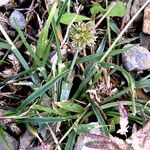
Eragrostis cilianensis
Stink grass · Gray love grass · Candygrass · Gray lovegrass · Snake grass
Description
Source: leafsnapEragrostis cilianensis, commonly known as stinkgrass or stinking lovegrass, is a perennial grass species in the Poaceae family. Native to Europe, it has spread to other parts of the world, including North America and Australia. This plant usually grows up to 60 cm tall and forms dense, tufted clumps with narrow, green leaves. Its inflorescence consists of spikelets arranged in panicles at the tops of long stems. Stinkgrass derives its name from the unpleasant odor it emits when crushed or bruised. Despite this feature, it is often used as forage for livestock due to its high nutritional value. Eragrostis cilianensis prefers well-drained soils and is drought-tolerant once established. It is commonly found in disturbed areas such as roadsides, fields, pastures, and waste places. Apart from its use in livestock feed, Eragrostis cilianensis has been studied for its potential medicinal properties, thanks to its high flavonoid content which exhibits antioxidant properties. Overall, Eragrostis cilianensis is a versatile plant species with practical applications in livestock feed and potential medicinal benefits due to its flavonoid content.
Care Guide
💧 Water Every 7 days
Candy Grass thrives in areas with varying moisture levels. It needs a watering schedule that lets the soil dry out slightly between waterings, usually about once a week. This grass species is drought-resistant, thanks to its efficient water storage. It optimizes growth by aligning with seasonal rainfall patterns.
What should I do if I give too much or too little water to my Candy Grass?
Proper watering is crucial for the health and performance of this ornamental grass. When planted in the ground, watering issues can be resolved. However, in a container, both overwatering and underwatering can quickly lead to the death of Candy Grass. Insufficient water can cause stunted growth, drooping leaves, weak seed production, and browning. On the other hand, overwatering can result in yellow leaves with brown tips. If you suspect improper watering, the first step is to determine if the grass is receiving too much or too little water. If it is being overwatered, stop watering immediately and allow the soil to dry out. Once new growth appears, test the soil moisture and decide if more water is necessary. In the case of underwatering, simply give the grass a deep drink and observe if it perks up. It's important to note that deep watering is always better than frequent shallow watering as it encourages deep root growth, making the grass more resistant to drought and watering problems.
How many times should I water my Candy Grass?
The watering requirements for Candy Grass depend on its location and the climate. In general, it should be watered once a week. However, in hot climates, it may need to be watered once or twice a week during the summer. In moderate climates, watering once every seven days or longer may be sufficient. Grass in containers generally requires more frequent watering than grass planted in the ground. Additionally, the amount of shade or sunlight the grass receives also affects its watering needs. Shaded grass needs less frequent watering than grass planted directly in the ground. It is important to only water Candy Grass when the soil is dry. You can check this by pressing your finger into the soil a few inches deep. The grass may also show signs of dehydration, such as folded blades and thinner appearance. Despite being drought-tolerant, regular and deep waterings will enhance the grass's color. In its natural habitat, Candy Grass grows in open scrubland and is subjected to intense heat, bright sunlight, and sporadic rainfall. While it is drought-resistant, it still requires care and attention. Gardeners recommend consistent watering for optimal growth. When initially planted, Candy Grass needs more frequent watering until it establishes deep roots. Potted Candy Grass, especially if exposed to hot, direct sunlight, will dry out quickly. Testing the soil every 3 to 4 days and watering when it feels dry is recommended. Candy Grass in the ground generally requires less watering, but the watering frequency depends on the soil type. Clay soil retains moisture below the surface even if it feels dry on the top. Sandy soils, on the other hand, drain quickly and may need to be watered more often.
What are some things to watch out for when watering my Candy Grass in different seasons, climates, or during different growth stages?
To determine if you are watering enough, pay attention to how quickly your grass is growing. Candy Grass, for instance, can grow twice its size in a year's time, especially during the hottest months. If it's hot outside but your grass isn't growing vigorously, you may need to adjust your watering schedule. In winter, you can probably water once a month, but it's still important to check the soil for moisture. During the growth cycle in warmer months, the grass requires more water than usual. However, during winter and cooler months, the need for water is significantly reduced. Remember, with Candy Grass, it's crucial to let the soil dry out completely before watering again.
☀️ Light Full sun
Candy Grass comes from bright, open environments where it does best in full sun. It can tolerate partial sun but prefers direct sunlight for optimal growth. This plant, which may be annual or biennial, is known for its sun-loving nature.
What are the sunlight requirements for Candy Grass?
Candy Grass, scientifically known as Eragrostis cilianensis, thrives best in environments that provide full sunlight, which means the plant should receive above 6 hours of sunlight daily. It can also tolerate partial sun, needing about 3-6 hours of sunlight. This adaptation comes from its origin in bright, open environments. It's important to watch how sunlight moves through your garden or indoor space to find spots that offer the right balance of light and shade, ensuring the optimal growth and happiness of your Candy Grass.
How can artificial lighting be used for Candy Grass indoor growth?
For indoor Candy Grass plants where natural sunlight is insufficient, especially during winter or in less sunny spaces, artificial lighting provides a crucial alternative. Adequate lighting promotes healthier, faster growth. LED lights are recommended because they can be tailored to provide specific wavelengths needed by the plants. Full sun plants require 30-50W/sq ft of artificial light, partial sun plants need 20-30W/sq ft, and full shade plants require 10-20W/sq ft. The light source should be placed 12-36 inches above the plant, mimicking natural sunlight conditions, for 8-12 hours per day to ensure your Candy Grass gets the necessary light for optimal growth.
What are the symptoms of inadequate light in Candy Grass?
When grown indoors or in conditions with insufficient light, Candy Grass may show several symptoms indicating light deficiency. These include smaller new leaves compared to mature ones, leggy or sparse growth that results in a thin appearance and susceptibility to breakage, early leaf drop to conserve resources, delay or cessation in new leaf production, irregular or pale coloration in new leaves indicating a lack of chlorophyll and nutrients, and conditions such as chlorosis, sunscald, leaf curling, wilting, and leaf scorching. These symptoms reflect the plant's struggle with inadequate light exposure.
How can you address light deficiency issues with Candy Grass?
Addressing light deficiency in Candy Grass involves a mix of strategic relocation and the use of artificial lighting. For indoor plants, gradually increase sunlight exposure by moving them to sunnier locations each week, aiming for at least 6 hours of direct sunlight, and consider the use of grow lights for plants that cannot be easily moved. For outdoor plants, similar gradual relocation to sunny spots helps prevent shock and sunburn. If physical obstructions block sunlight, like tree branches, prune them to improve light access. For smaller plants, transplanting during dormant periods to sunnier locations can promote healthy growth. Remember, while parts of the plant that suffered from lack of light may not recover, new growth will be healthy following improved light conditions.
🌡️ Temperature 20–35°C
Candy Grass is native to habitats with moderate temperatures and generally flourishes in areas where temperatures fall between 68 and 95 °F (20 to 35 °C). Significant temperature swings may require seasonal adjustments to achieve optimal growth.
What is the ideal temperature range for growing Candy Grass?
Candy Grass, botanically known as Eragrostis cilianensis, thrives in environments with moderate temperatures. The ideal temperature range for its growth is between 68 to 95°F (20 to 35°C). This plant exhibits some cold tolerance and does not typically require additional protective measures when the temperature remains above 32°F (0°C). However, adaptations may be necessary to foster optimal growth during seasonal temperature fluctuations.
What should I do to protect Candy Grass when temperatures are expected to drop below 0°C?
When temperatures are forecasted to drop below 0°C, Candy Grass needs temporary protection to avoid cold damage. Wrapping the plant with materials such as plastic film, fabric, or other suitable covers can help insulate it against the cold. It's important to remove these coverings once the temperature rises again to prevent overheating and moisture-related issues.
How does Candy Grass react to low temperatures?
Candy Grass has a moderate tolerance for low temperatures but thrives best when the temperature stays above 20°C. If temperatures fall below -5°C, you may notice the plant's leaves starting to droop; they can recover from mild exposure but may wilt and drop in severe cases. To mitigate frost damage, trim off the affected parts and wrap the plant with non-woven fabric or cloth for insulation, also considering a wind barrier for additional protection against cold winds.
How should I care for Candy Grass during high temperature conditions?
During the summer, it's crucial to ensure that Candy Grass is not exposed to temperatures above 35°C. Exceeding 38°C can lead to issues such as lighter leaf color, drying and withering leaf tips, leaf curling, and increased susceptibility to sunburn. To protect the plant in these conditions, trim away any sunburned or dried-up parts, and relocate the plant to a shaded area or use a shade cloth to minimize direct sunlight exposure. Additionally, maintaining soil moisture through watering in the morning and evening can help alleviate the stress of high temperatures.
💨 Humidity
🪴 Soil 6-8
🌱 Fertilizer
🪴 Pot & Repot
✂️ Pruning
Candy Grass is a resilient plant that benefits from pruning between early and late spring. This practice encourages new growth, prevents overcrowding, and improves airflow, which helps reduce the risk of disease. Regular trimming also maintains the plant's shape and appearance, promoting overall health. For specific care instructions, consult regional horticultural guides.
🌿 Propagating
🐛 Diseases & pets
☠️ Toxicity
Characteristics
- Plant Type
- Grass
- Life Cycle
- Annual
- Genus
- Eragrostis
- Family
- Poaceae
- Hardiness Zone
- 9
- Mature Height
- 10 cm to 40 cm
- Mature Spread
- 18 cm
- Leaf Color
- Light Green, Pale Green
- Leaf Type
- Semi-evergreen
- Flower Color
- White, Green, Purple, Brown
- Flower Size
- 8.89 cm
- Bloom Time
- Summer, Early fall
- Planting Time
- Spring, Summer, Autumn
- Harvest Time
- Late summer, Fall