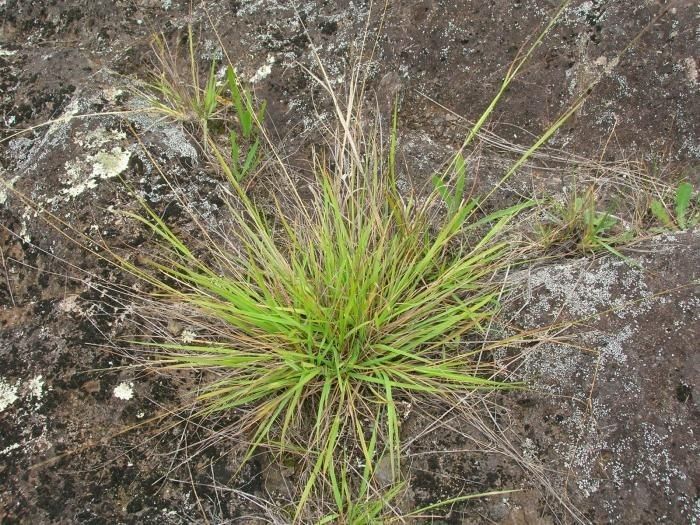
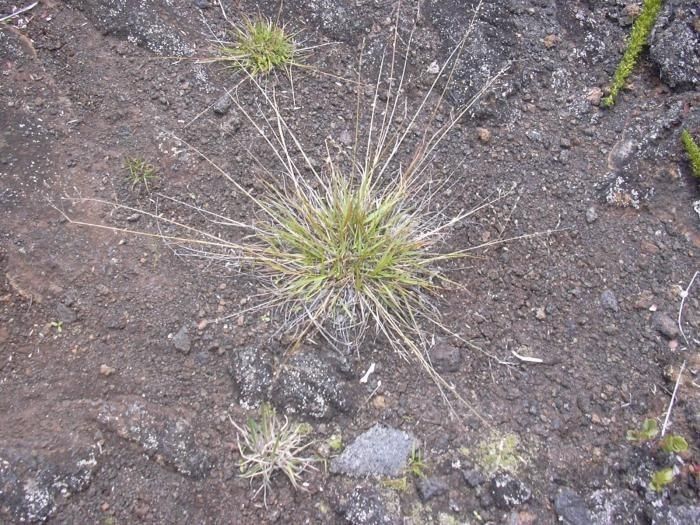
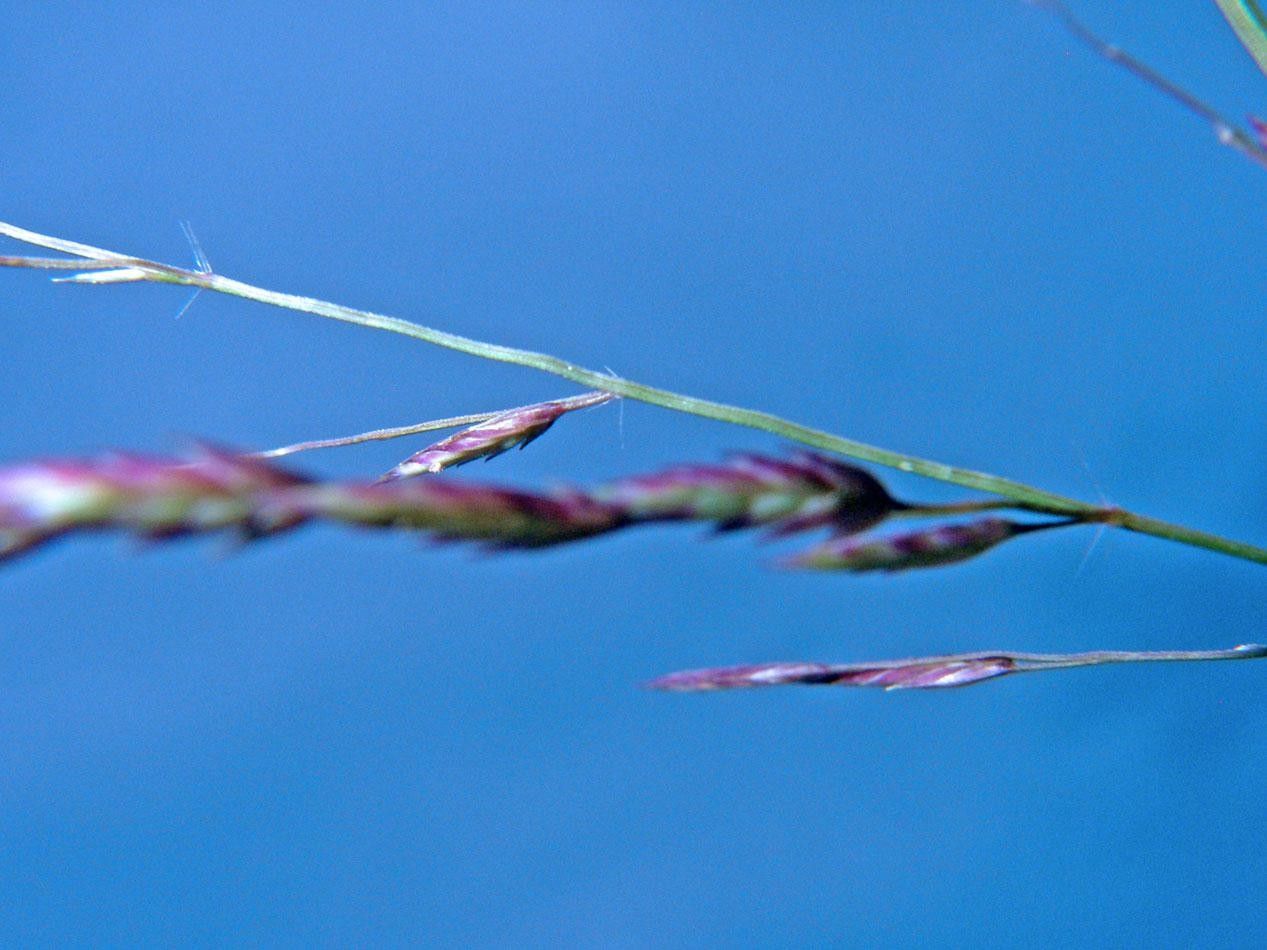
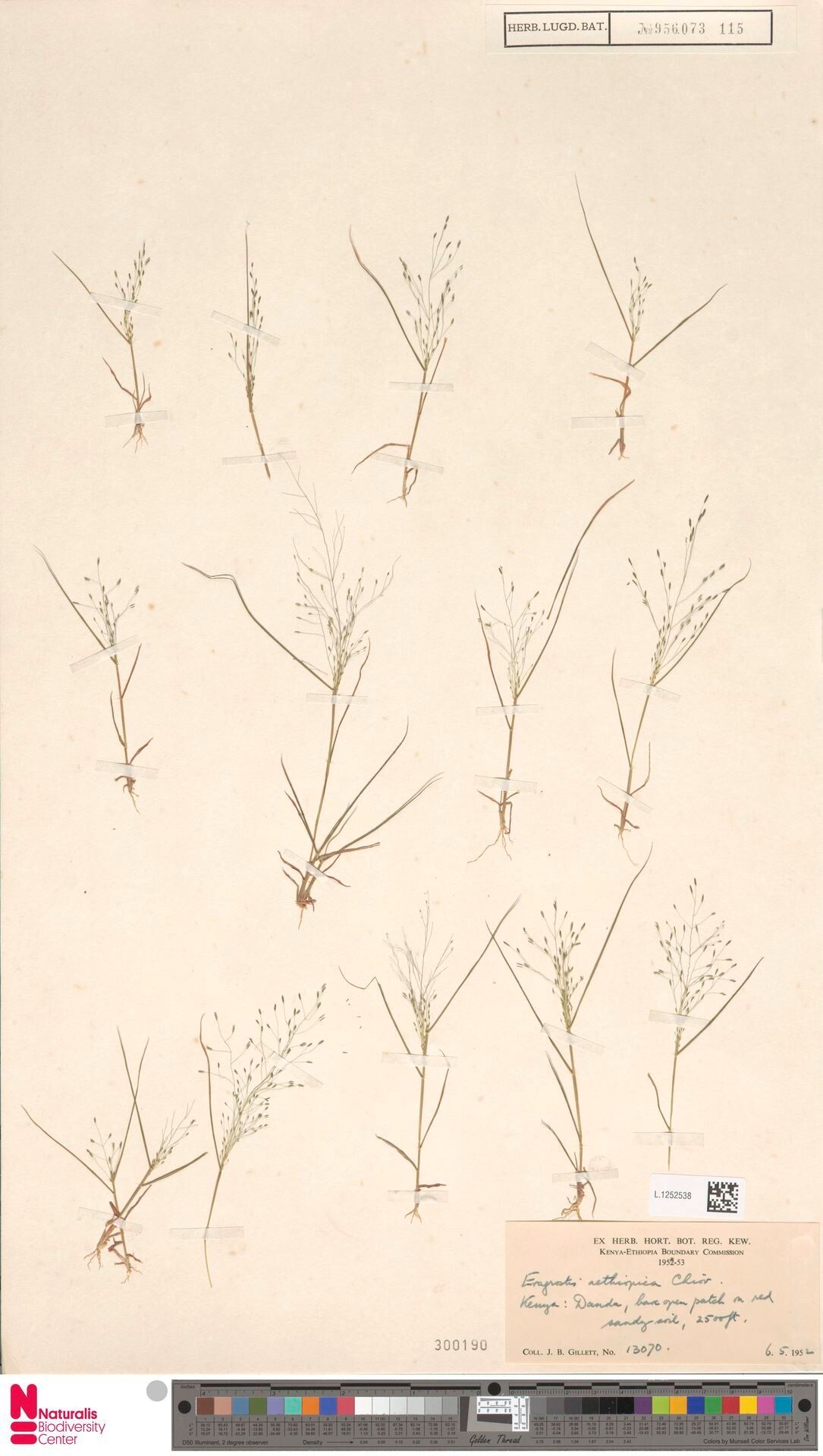
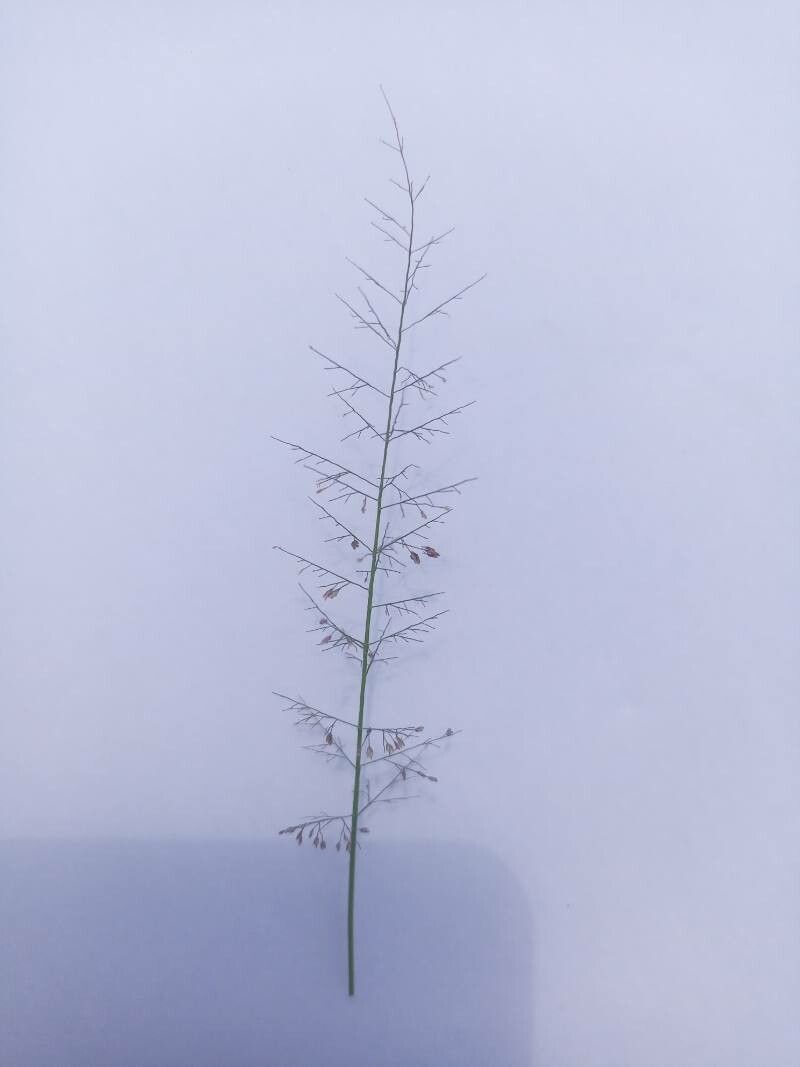
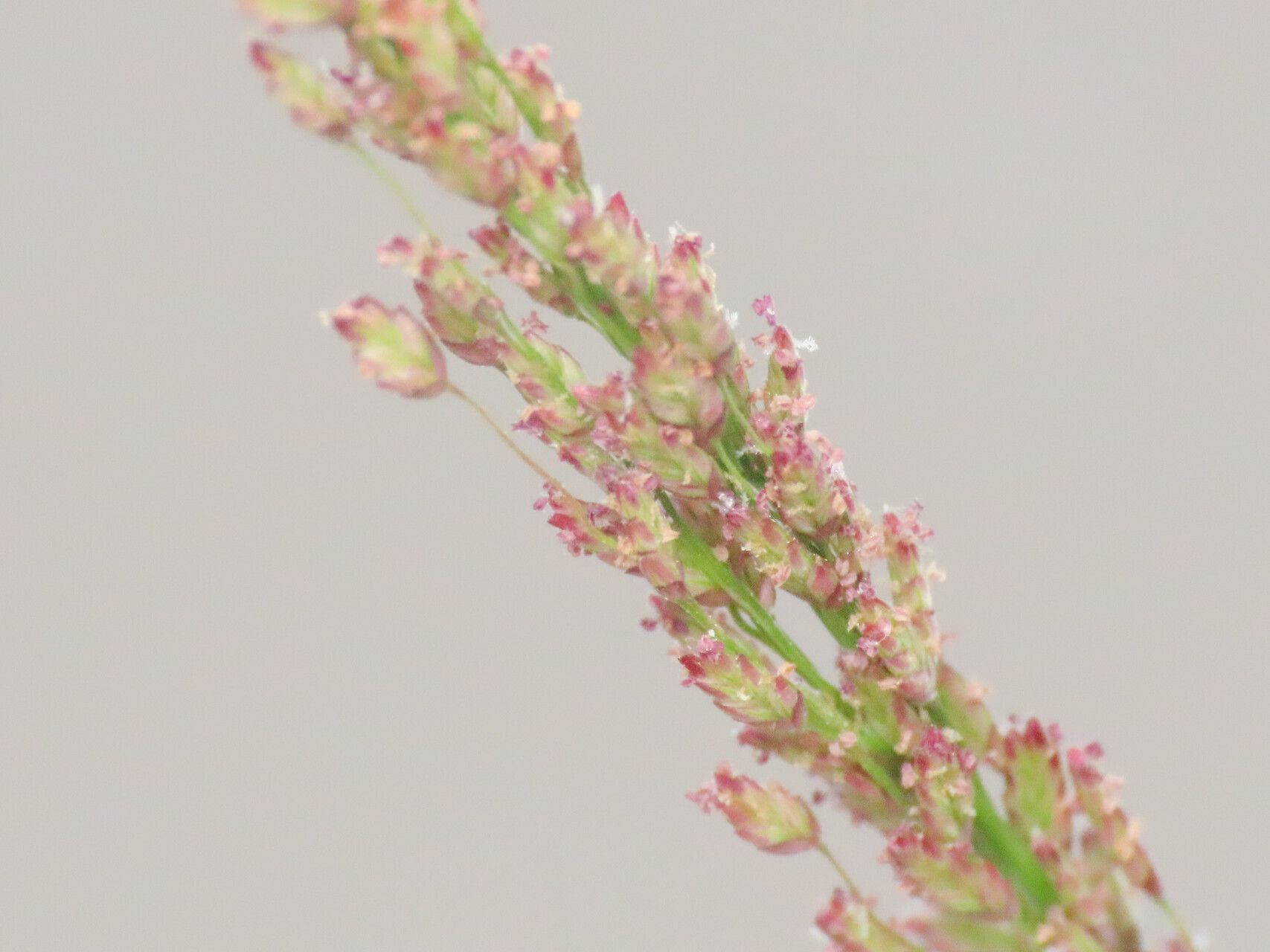
Cumings lovegrass has strong disease resistance and is generally not susceptible to diseases. Care-wise, this plant is fairly low-maintenance. When planted outdoors, it needs minimal watering, and larger plants typically do not require pruning. Smaller plants, however, should be pruned after they have finished blooming. Cumings lovegrass is suitable for anyone with an outdoor space, such as a garden or deck, and does not require a lot of care experience.
How to keep Eragrostis Cumingii.
Light
Cumings lovegrass comes from bright, open habitats where it flourishes in full sun. It can tolerate partial sun but favors direct sunlight for optimal growth. This annual and biennial plant is recognized for its sun-loving nature.
Water
Cumings lovegrass flourishes in areas with moderate rainfall and requires weekly watering to keep its lush greenery vibrant throughout the year. As an evergreen plant, it consistently retains its leaves and needs regular watering, even during colder months. This care helps maintain a balance between its ability to tolerate drought and its preference for humidity.
Temperature
Cumings lovegrass can tolerate a wide range of temperatures, but its distribution may still be restricted by certain combinations of moisture and heat. It performs best in warm summer climates with sufficient rainfall or irrigation. Extended periods of cloudy, rainy weather or prolonged high temperatures increase the chance of Cumings lovegrass dying. In winter, adequate protection from cold can improve the plant's survival chances.
Pruning
Cumings lovegrass, known for its dense, tufted growth and fine foliage, benefits from pruning in early to late spring. Trim the old growth down to 2-3 inches above the ground to encourage the emergence of fresh shoots. This practice promotes healthier growth, prevents legginess, and improves air circulation, thereby reducing the risk of disease.
Botanical profile.
- Plant Type
- Grass
- Life Cycle
- Annual, Perennial
- Genus
- Eragrostis
- Family
- Poaceae
- Hardiness Zone
- 8-11
- Mature Height
- 30 cm to 61 cm
- Mature Spread
- 20 cm to 40 cm
- Leaf Color
- Green, Light Green
- Leaf Type
- Deciduous
- Flower Color
- Purple, Green
- Flower Size
- 0.20 cm to 0.51 cm
- Bloom Time
- Summer, Early fall, Mid fall
- Planting Time
- Spring, Summer, Autumn
- Harvest Time
- Late summer, Fall, Early winter
- Native Area
- India, Malaysia, Indonesia, Vietnam, Myanmar, Japan, Philippines, Laos, Thailand, China
Other names.
Reader questions.
What are the sunlight requirements for Cumings lovegrass?
Cumings lovegrass thrives in environments with full sunlight, requiring above 6 hours of sunlight daily for optimal growth. It can also tolerate partial sun, about 3-6 hours of sunlight, but it prefers direct sunlight to achieve its best growth. It's important to monitor the movement of sunlight through your garden to find the ideal balance of light and shade that ensures the plant's health and happiness.
How does artificial lighting benefit indoor Cumings lovegrass?
For indoor Cumings lovegrass, when natural sunlight is insufficient, artificial lighting becomes crucial for its growth, especially during winter or in less sunny spaces. Artificial lights, such as LED lights which can be customized to provide specific wavelengths, offer a significant boost, promoting faster and healthier growth. The intensity required varies: full sun plants need 30-50W/sq ft, partial sun plants 20-30W/sq ft, and shade plants 10-20W/sq ft. It's essential to position the light source 12-36 inches above the plant, and mimic natural daylight hours, usually 8-12 hours per day, for the best results.
What symptoms indicate Cumings lovegrass is receiving inadequate light?
When Cumings lovegrass doesn't receive enough light, it may show several symptoms indicating light deficiency. These include the emergence of smaller leaves than usual, leggy or sparse growth, premature leaf drop, delayed or halted growth, and the appearance of lighter-colored new leaves. Additionally, symptoms like chlorosis (leaves turning yellow), sunscald, leaf curling, wilting, and leaf scorching can also occur, particularly when the plant is exposed to excessive sunlight.
What solutions are available for Cumings lovegrass experiencing light deficiencies?
To address light deficiencies in Cumings lovegrass, gradually introduce the plant to more sunlight, aiming for at least 6 hours of direct exposure daily. This can involve moving the plant closer to a south-facing window or using artificial light sources for indoor plants that are not easily relocated, ensuring at least 8 hours of light daily. For outdoor plants, a gradual relocation to sunnier spots while avoiding sudden changes in light intensity is advised to prevent sunburn. In cases where obstructions block sunlight, pruning or transplanting during the plant's dormant period to a location with better light and drainage can be beneficial. While it's imperative to remember that parts of the plant damaged by insufficient light might not recover, new growth should be healthy with improved light conditions.