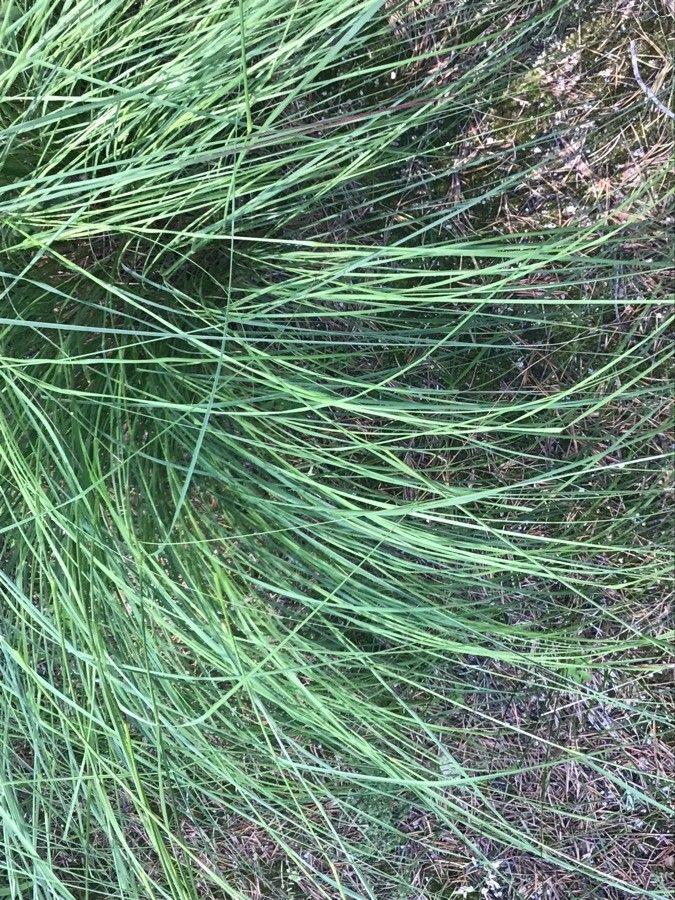
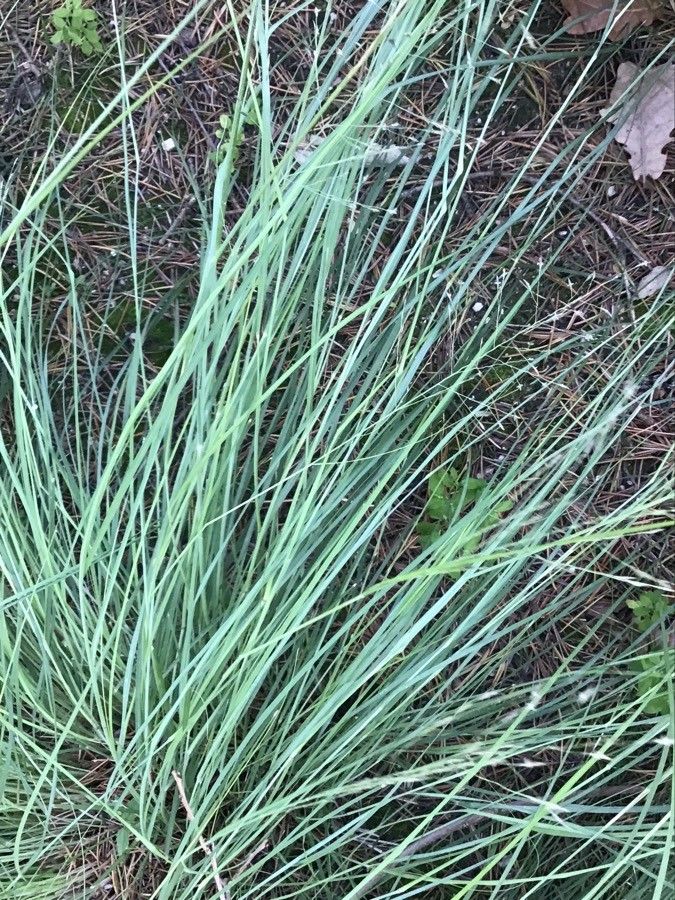
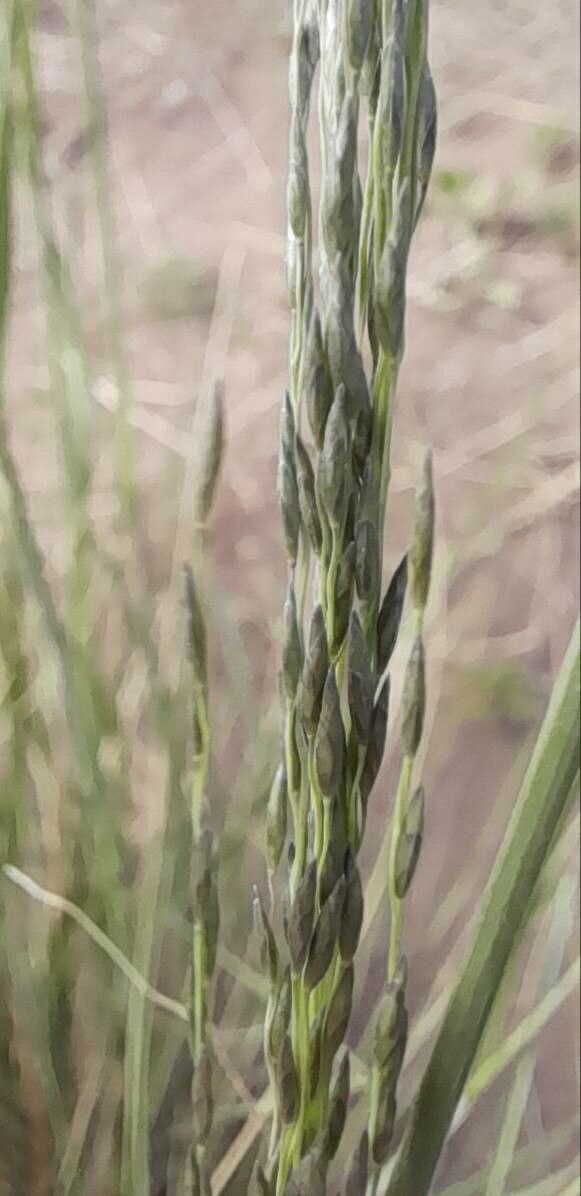
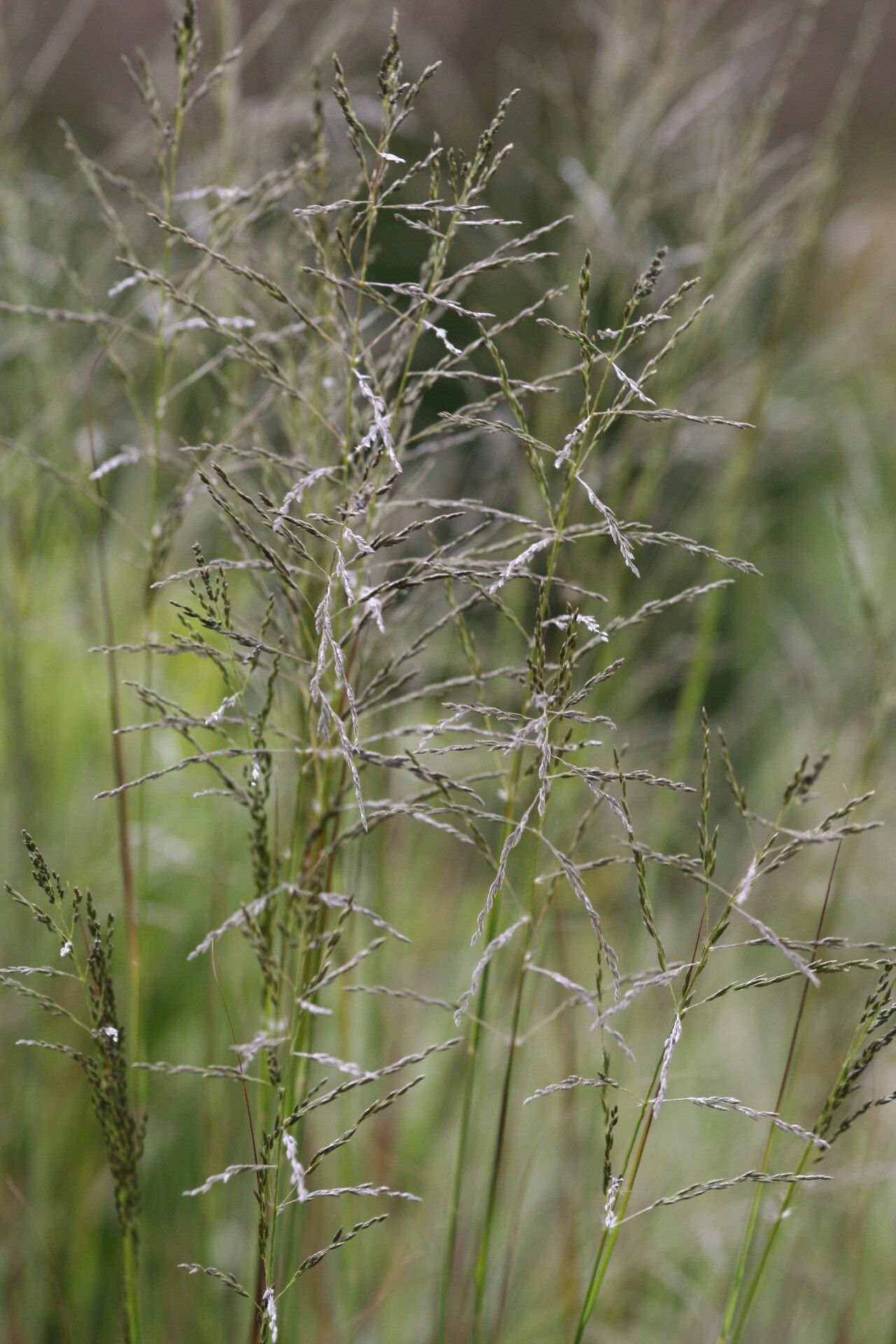
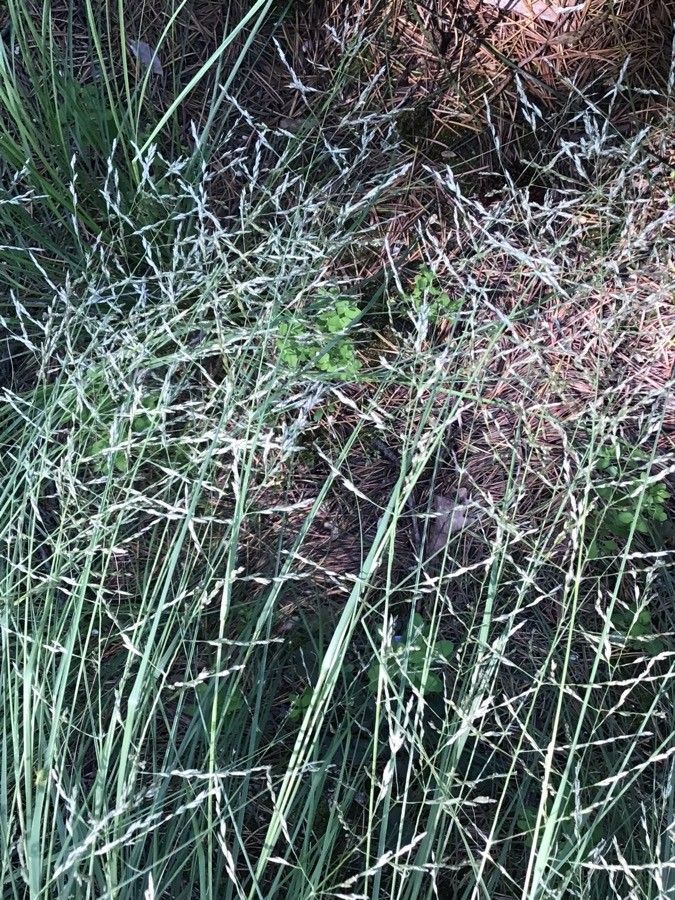
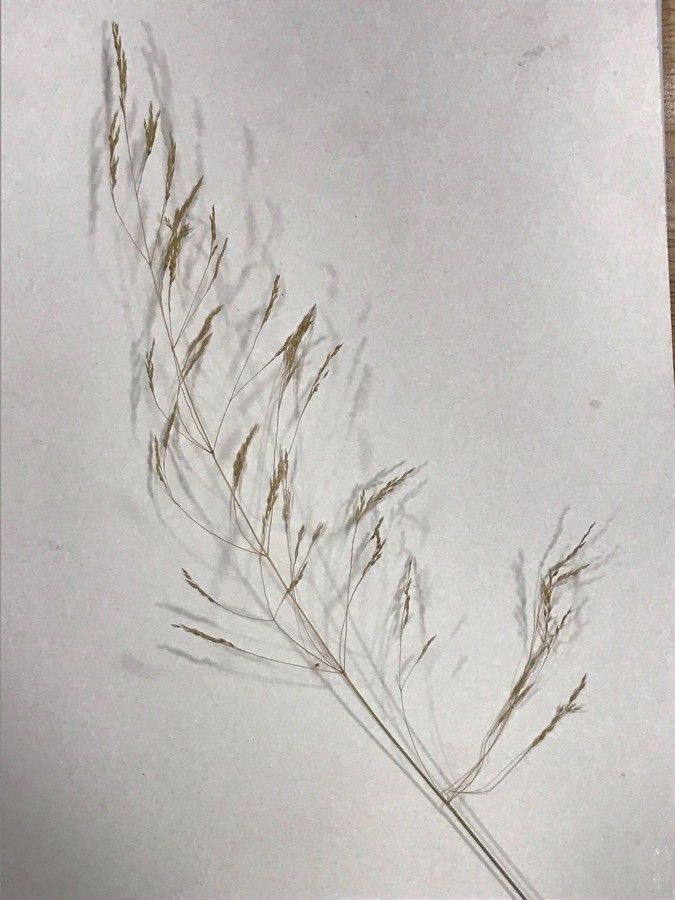
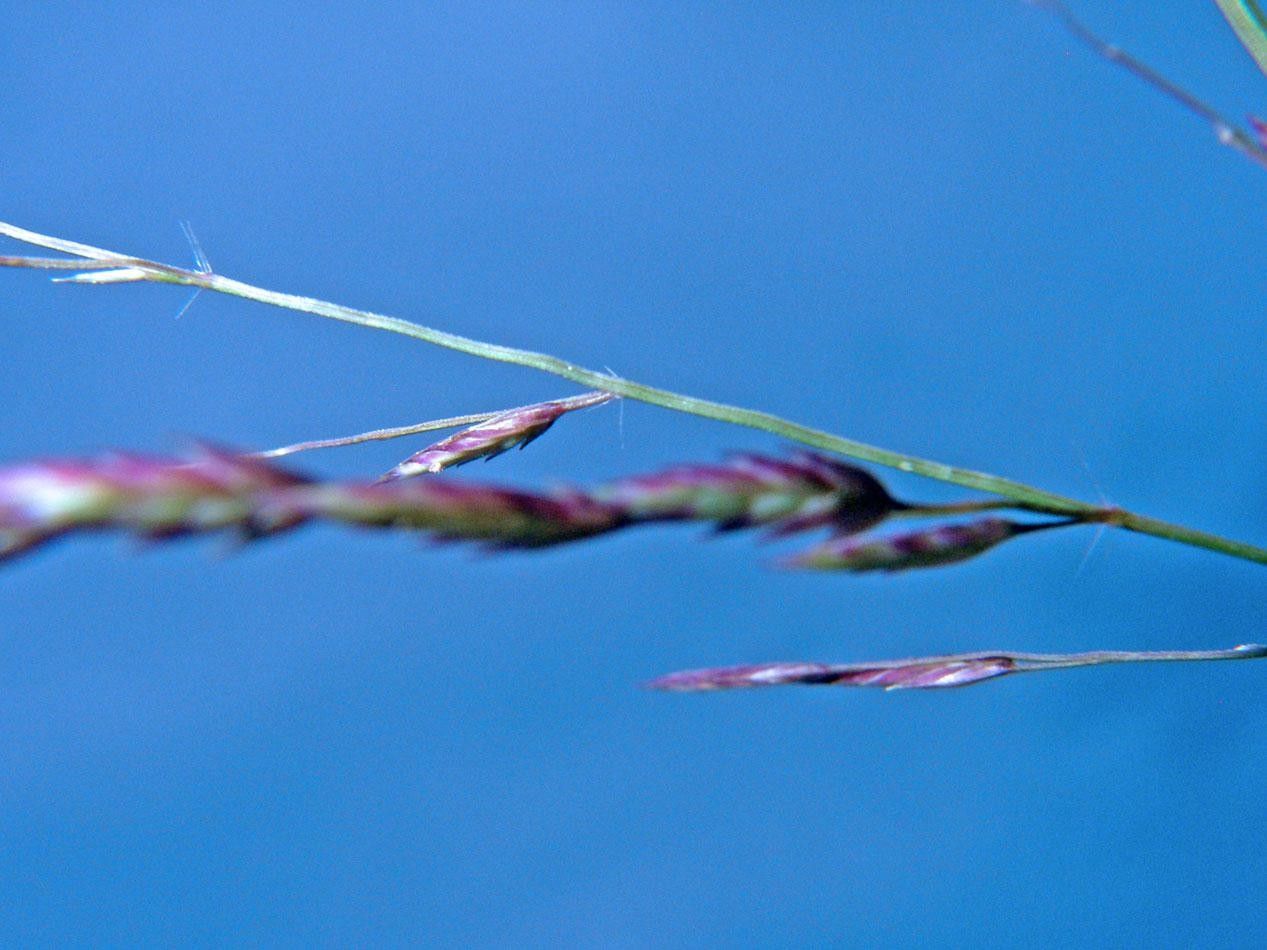
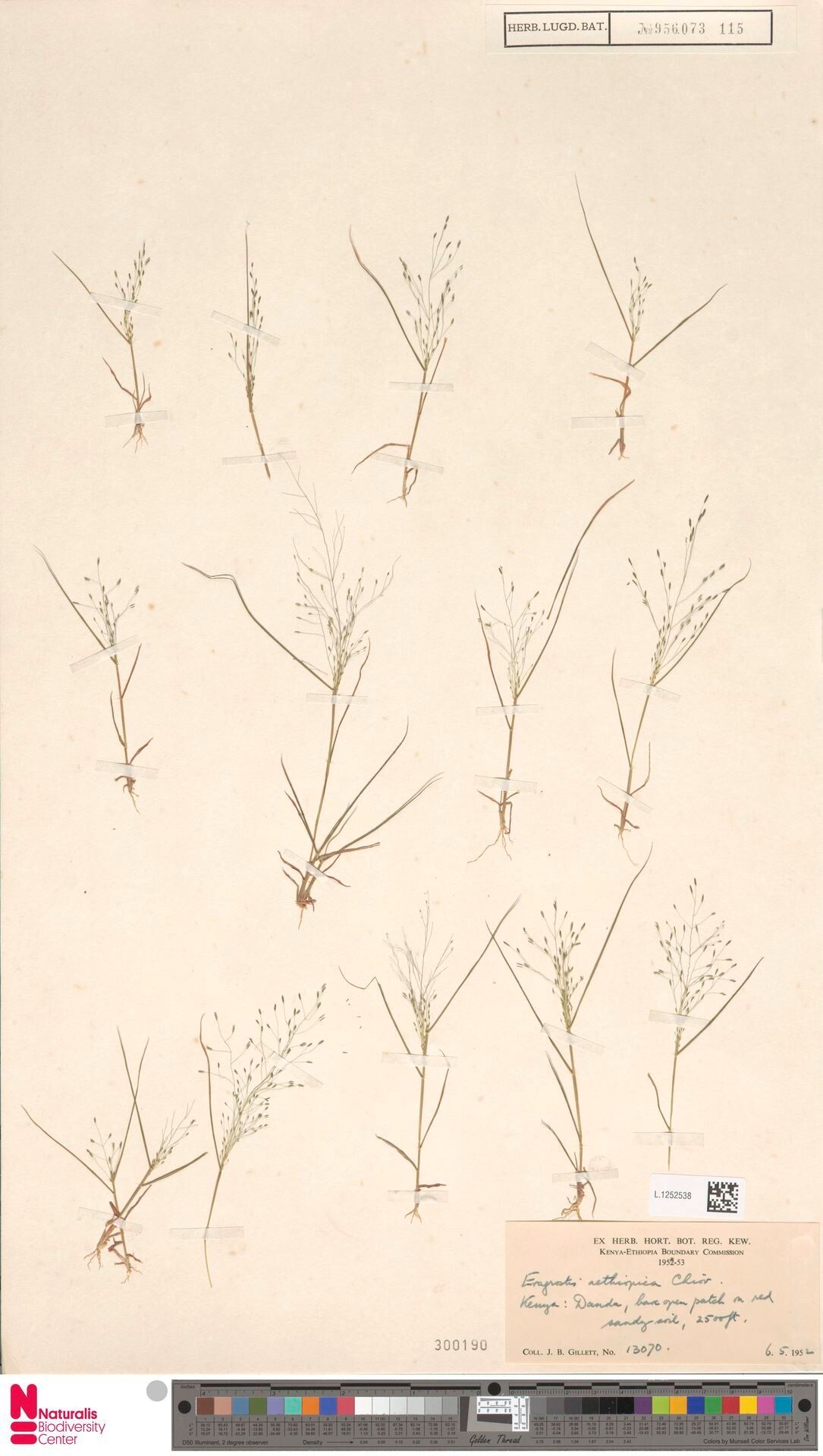
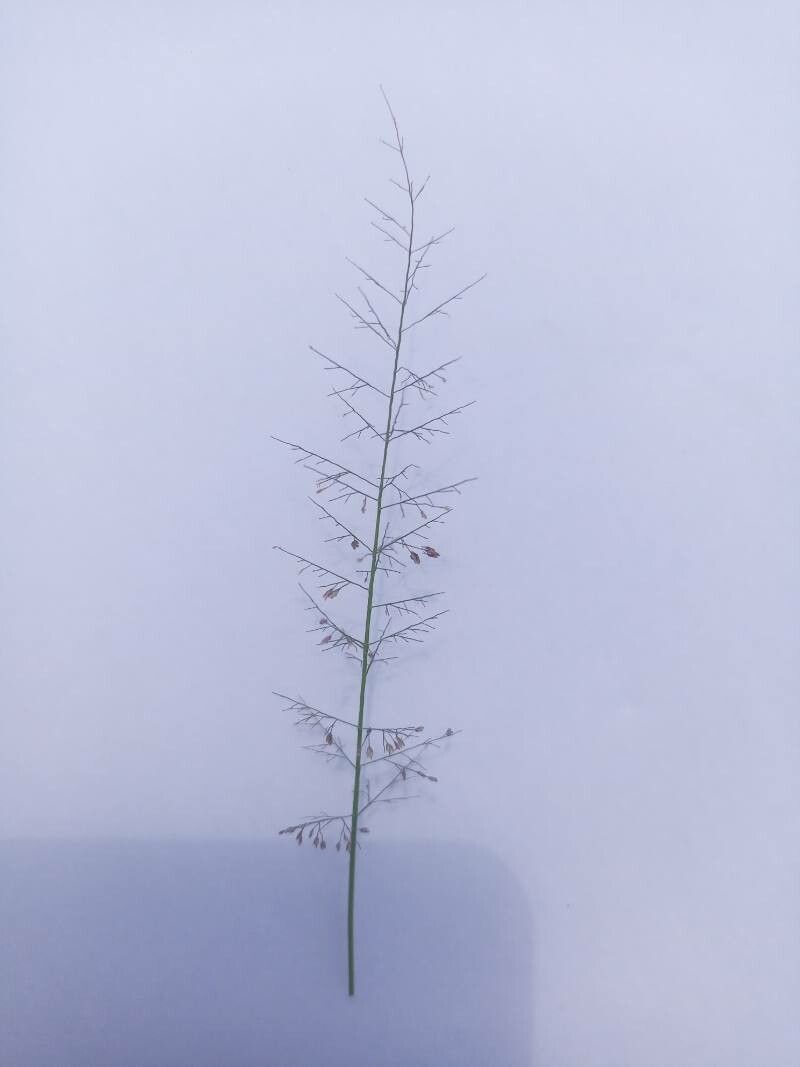
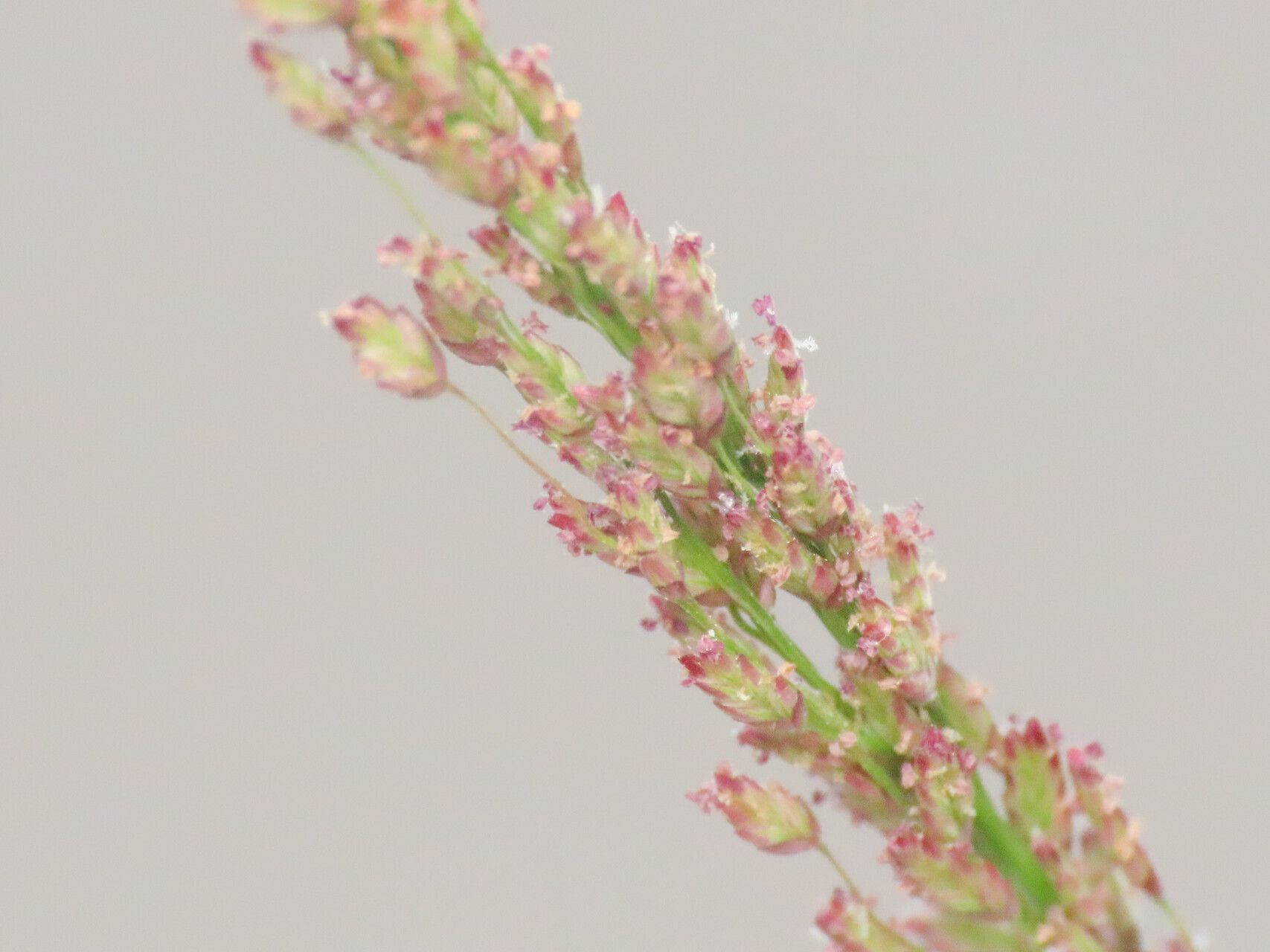
Eragrostis curvula is a species of grass known by the common name weeping lovegrass. Other common names include Boer lovegrass, curved lovegrass, Catalina lovegrass, and African lovegrass. It is native to southern Africa. It is an introduced species on other continents.
Weeping lovegrass is resistant to disease and is generally not susceptible to illnesses. Carewise, this plant is fairly low-maintenance. When grown outdoors it needs little watering, and larger plants typically do not require pruning. Smaller plants, however, should be cut back after they finish blooming. Weeping lovegrass is appropriate for anyone who has an outdoor area, such as a garden or a deck, and it does not demand extensive care experience.
How to keep Eragrostis Curvula.
Light
Weeping lovegrass does best in full sun, though it will also grow in moderate light. Native to areas with abundant sunlight, it tolerates a range of light conditions. However, too little light can cause stunted growth, while too much can lead to leaf scorch.
Water
Weeping lovegrass, native to the grasslands of Southern Africa, thrives in dry conditions and is highly drought-resistant. To keep it healthy, it needs to be watered weekly. During the rainy season, it grows vigorously, reflecting its adaptation to arid climates.
Temperature
Weeping lovegrass originates from temperate regions and prefers temperatures of 50 to 95 °F (10 to 35 ℃). In colder or hotter seasons, consider adjusting the temperature artificially to ensure its growth.
Fertilizer
Weeping lovegrass needs extra nutrients to encourage healthy new growth. In spring, spreading compost around the plant’s base can effectively supply the required nutrition. Fertilizing promotes vigorous growth and helps the plant resist diseases and pests.
Pruning
Weeping lovegrass is a hardy perennial grass that thrives with early spring pruning. Cutting it back to ground level encourages new growth and helps prevent disease. This practice also reduces self-seeding, which enhances the plant's shape and lowers maintenance needs, ensuring a lush and healthy appearance.
Botanical profile.
- Plant Type
- Grass
- Life Cycle
- Perennial
- Genus
- Eragrostis
- Family
- Poaceae
- Hardiness Zone
- 6-9
- Mature Height
- 1.83 m
- Mature Spread
- 37 cm
- Leaf Color
- Green
- Leaf Type
- Deciduous
- Flower Color
- Green, Silver, White, Yellow, Purple
- Flower Size
- 6.35 cm to 8.89 cm
- Bloom Time
- Summer, Early fall, Mid fall
- Planting Time
- Spring, Summer, Autumn
- Harvest Time
- Late summer, Fall, Early winter
- Native Area
- Malawi, Lesotho, Angola, South Africa, Zambia, Namibia, Eritrea, Kenya, Tanzania, Zimbabwe, Cameroon, Mozambique, Eswatini, Ethiopia, Congo (DRC), Botswana
Other names.
Reader questions.
What are the sunlight requirements for Weeping Lovegrass?
Weeping Lovegrass requires full exposure to sunlight for optimal growth, thriving in environments with more than 6 hours of sunlight daily. It can, however, adapt to moderate light conditions, such as partial sun exposure of about 3-6 hours. While the plant is versatile in its light requirements, originating from habitats with extensive sun exposure, both insufficient and excessive light can lead to health issues like stunted growth or leaf scorch, respectively.
What is the native climate for Weeping Lovegrass?
Weeping lovegrass is native to temperate areas and thrives best in temperatures ranging from 50 to 95°F (10 to 35°C). It exhibits strong cold resistance, making it well-suited for environments within this temperature range without the need for special frost protection in most cases.
How can artificial lighting support Weeping Lovegrass indoors?
Indoor Weeping Lovegrass can benefit from artificial lighting, especially when natural sunlight is insufficient, such as during winter or in less sunny indoor areas. Artificial lights provide a crucial solution for promoting healthier, faster growth. LED lights are recommended due to their ability to provide specific wavelengths needed by plants. Full sun plants require 30-50W/sq ft of artificial light, while partial sun plants need 20-30W/sq ft. The light source should be placed 12-36 inches above the plant to mimic natural sunlight conditions, ensuring the plant receives 8-12 hours of light per day.
How should Weeping Lovegrass be cared for in winter?
During winter, Weeping lovegrass usually doesn't require special frost protection due to its strong cold resistance. However, if temperatures are expected to drop below -25°C, it's important to protect the plant from the cold by covering it with materials such as soil or straw. Additionally, watering the plant abundantly before the first freeze in autumn helps ensure the soil remains moist and enters a frozen state. This preparation helps prevent drought and water scarcity for the plant during the colder months.
What are the signs of improper lighting in Weeping Lovegrass?
Signs of improper lighting in Weeping Lovegrass include smaller new leaves, leggy or sparse growth, faster leaf drop, slower or halted new growth, lighter-colored new leaves, chlorosis (yellowing leaves due to chlorophyll breakdown), sunscald (damage from intense light exposure), leaf curling (a defense mechanism against extreme sunlight), wilting (loss of turgor pressure causing droopiness), and leaf scorching (brown, dry, and crispy leaf edges due to excessive sunlight). These symptoms indicate the plant may not be receiving the appropriate amount of light.
What are the signs of Weeping Lovegrass struggling with low temperatures?
Weeping lovegrass is cold-tolerant and ideally should be kept in temperatures above 10°C. When temperatures fall below -15°C, and especially if they dip below -25°C, the plant might not show immediate signs of distress during winter; however, you might observe decreased sprouting, or in some cases, failure to sprout at all during spring. In such cases, the recommended solution is to remove any parts of the plant that have failed to sprout come spring.
How can lighting conditions be improved for indoor and outdoor Weeping Lovegrass?
To optimize lighting for Weeping Lovegrass, gradually adjust the plant's exposure to sunlight. For indoor plants, move them to a sunnier spot each week until they receive at least 6 hours of direct sunlight daily, making use of south-facing windows and keeping curtains open. Consider artificial lighting for additional support, ensuring the plant gets at least 8 hours of light. Outdoors, move your plants to sunnier locations gradually to avoid sunburn. Observe the surrounding environment to identify and reduce obstructions like trees by pruning. For plants in the ground, consider transplanting during the plant's dormant period to a location with ample sunlight and good drainage. It's important to note that while new growth can be healthy after adjusting light exposure, parts of the plant affected by prior insufficient light may not recover.
How does high temperature affect Weeping Lovegrass, and what should be done?
During summer months, maintaining the temperature below 35°C is crucial for Weeping lovegrass's well-being. Exposure to temperatures above 38°C can cause the plant's leaves to lighten in color, curl, become prone to sunburn, or in severe cases, cause the entire plant to wilt and dry out. To address this, trim away any sunburned or dried-up parts of the plant, provide shade during the midday and afternoon hours either by moving the plant or using a shade cloth, and water the plant in the morning and evening to ensure the soil remains moist.
What is the botanical name of Weeping Lovegrass?
The botanical name of Weeping lovegrass is Eragrostis curvula.