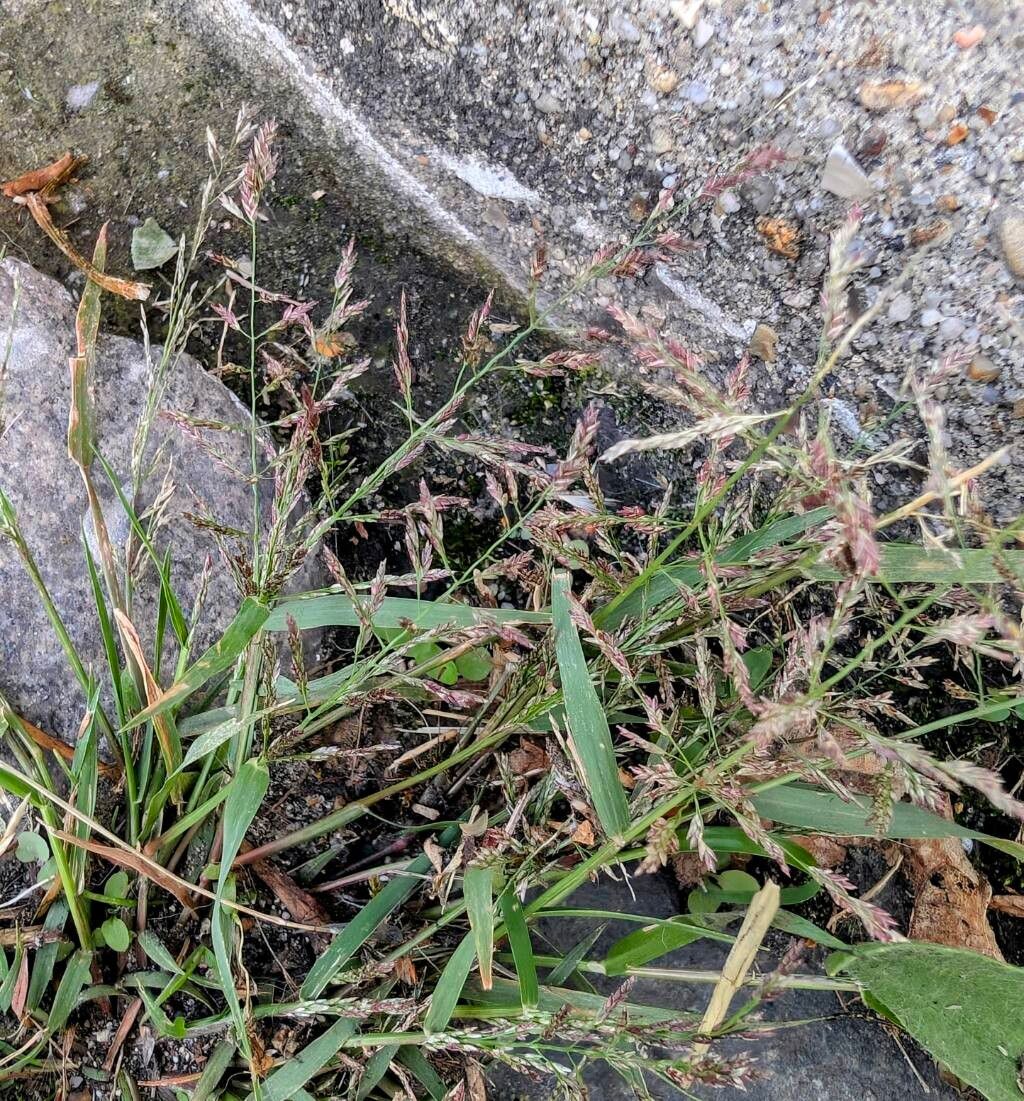
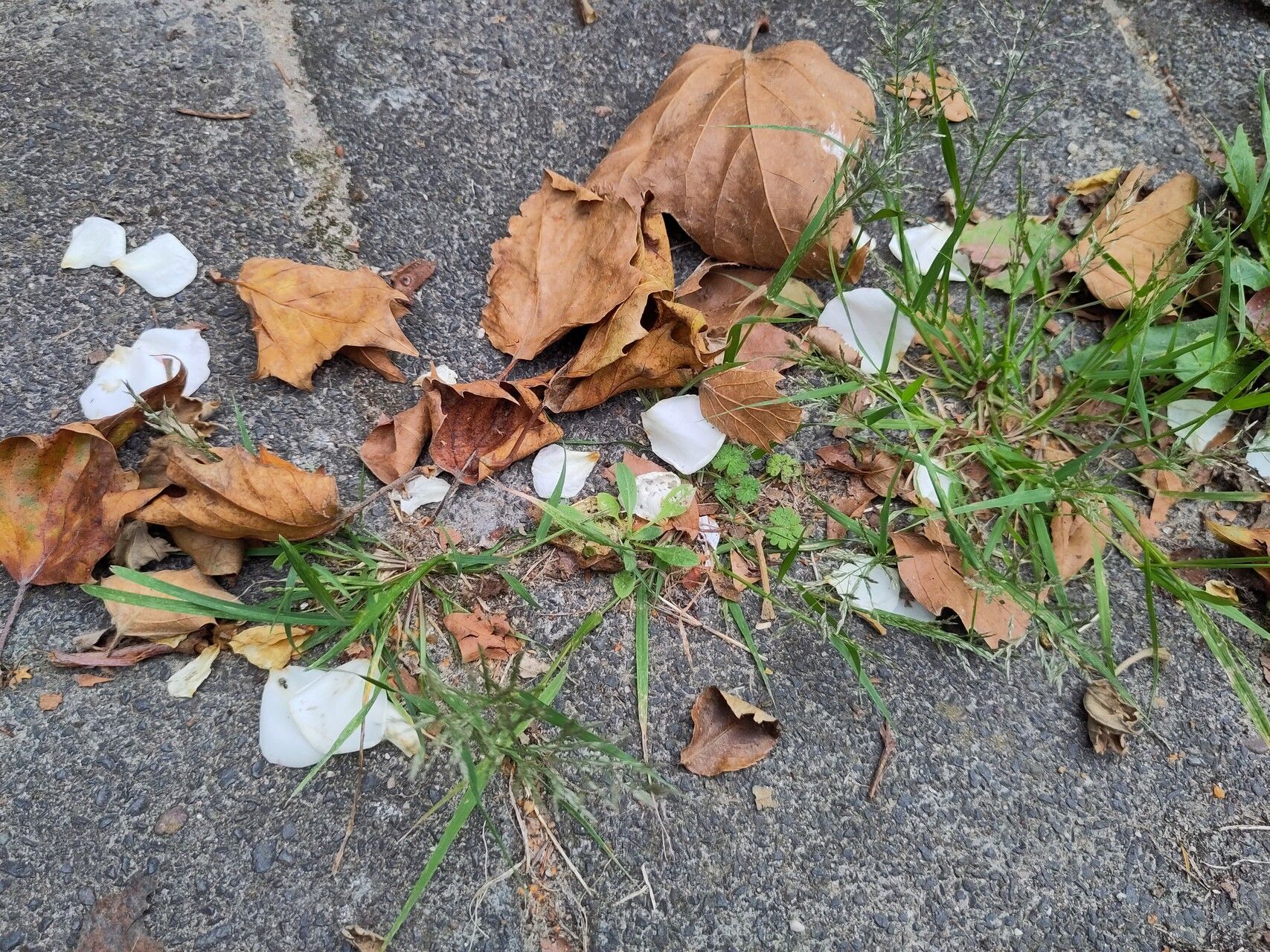
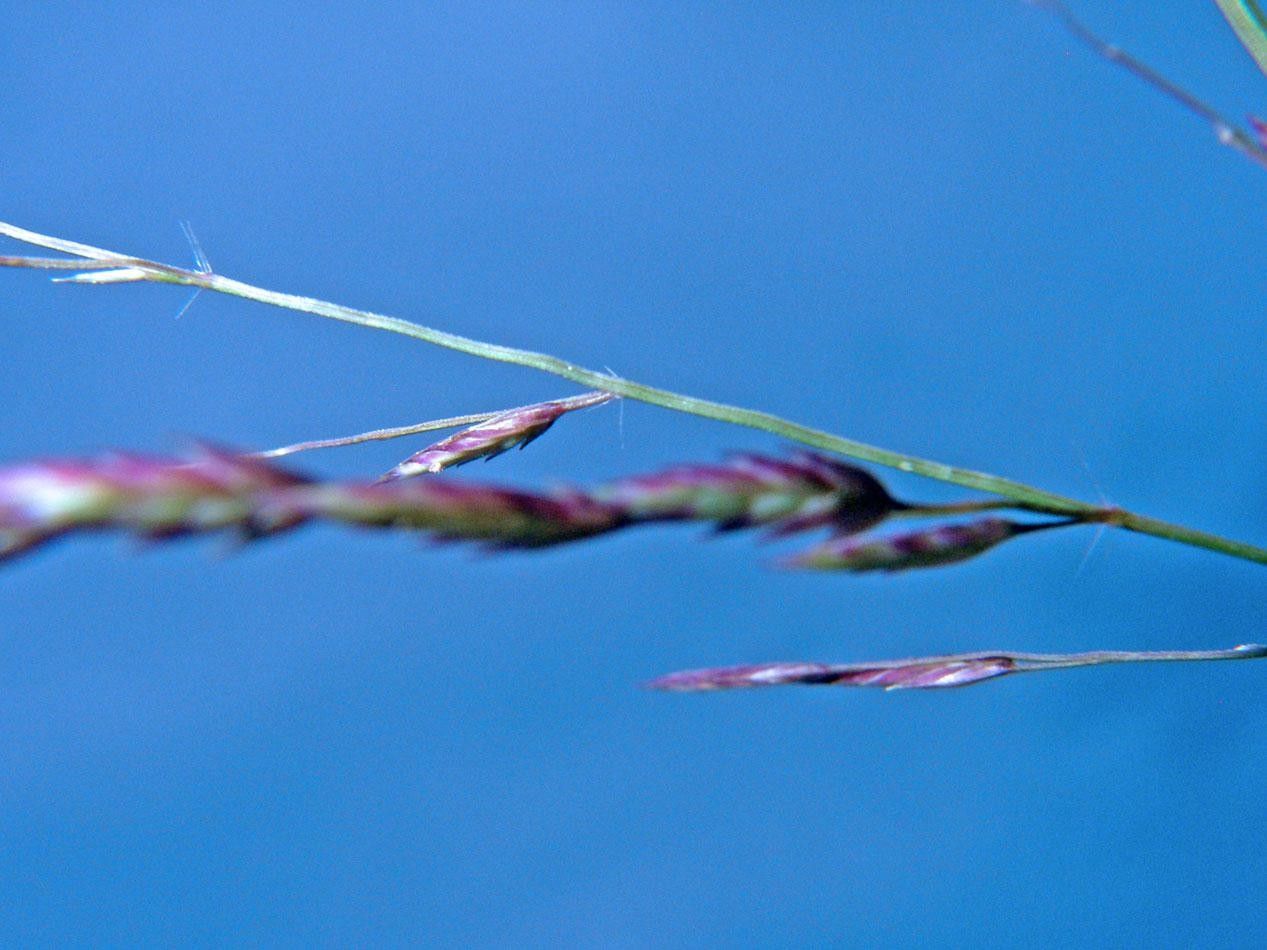
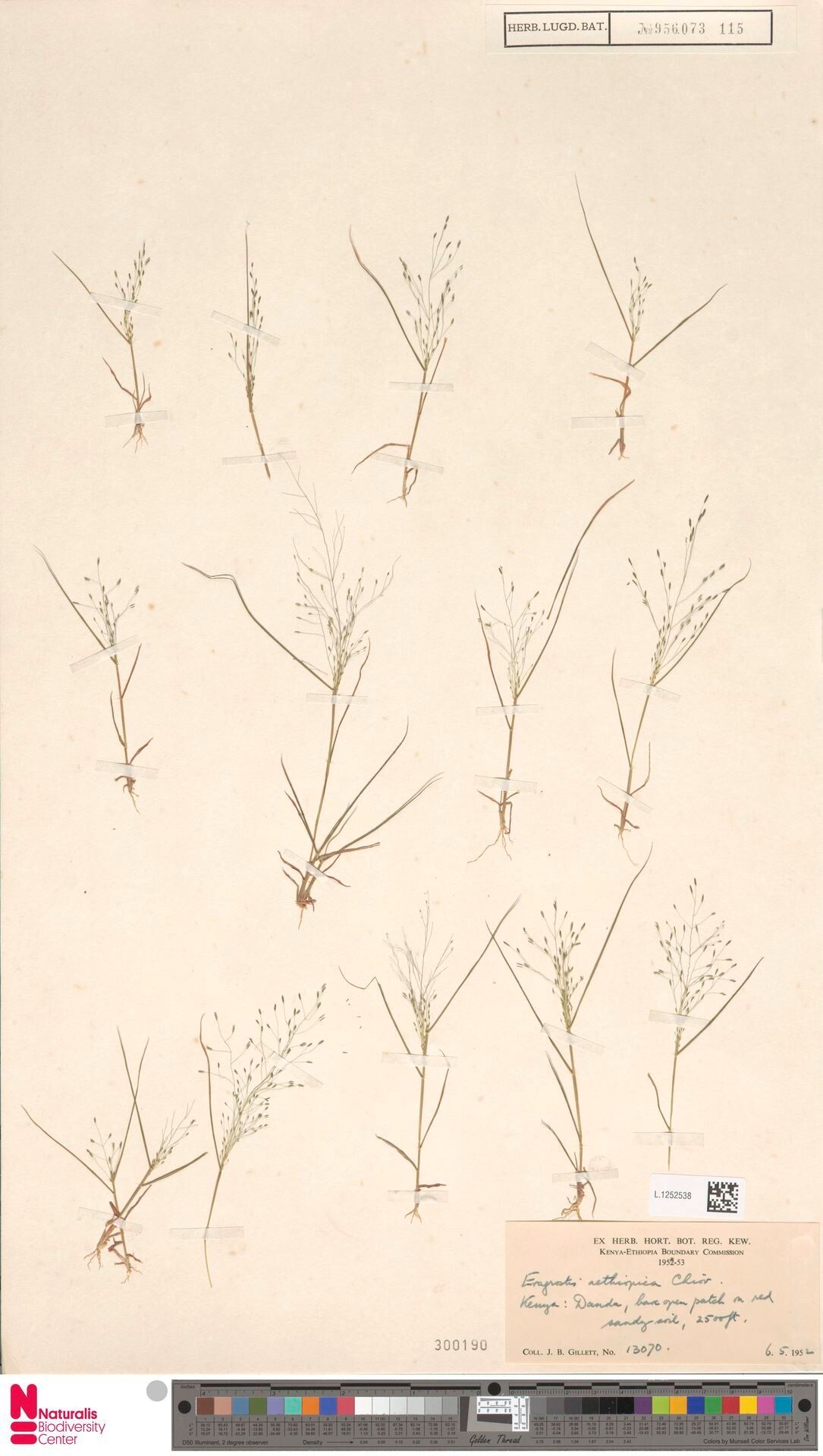
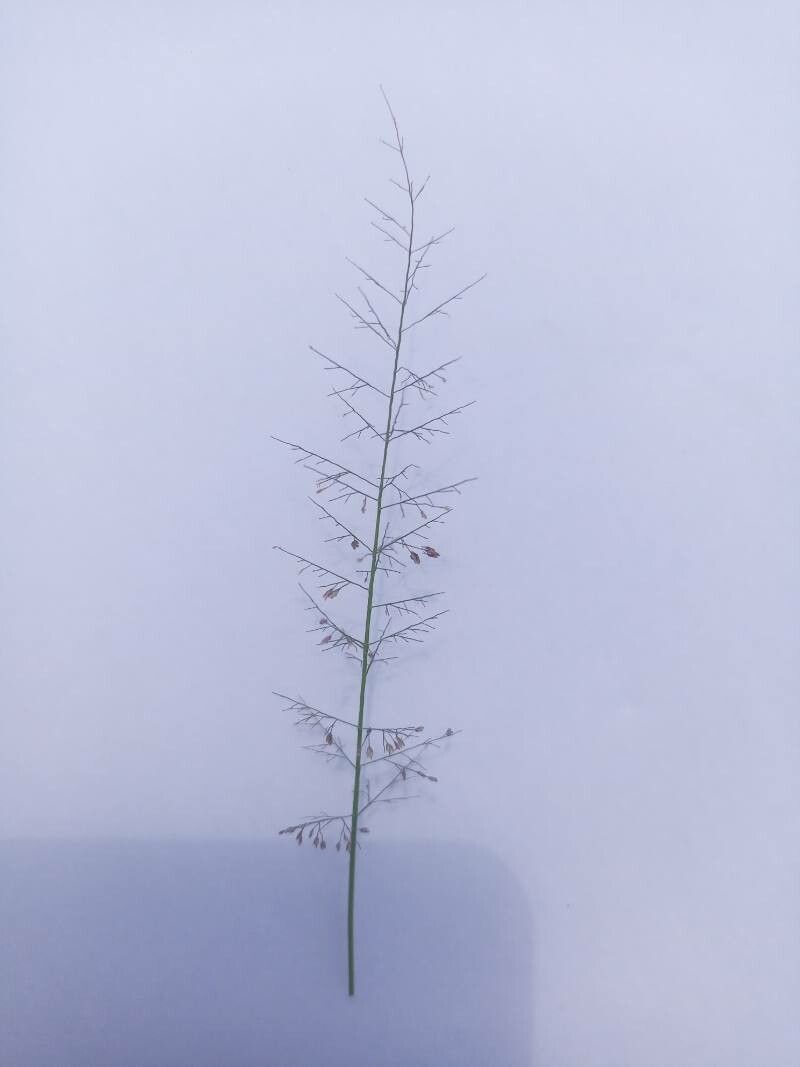
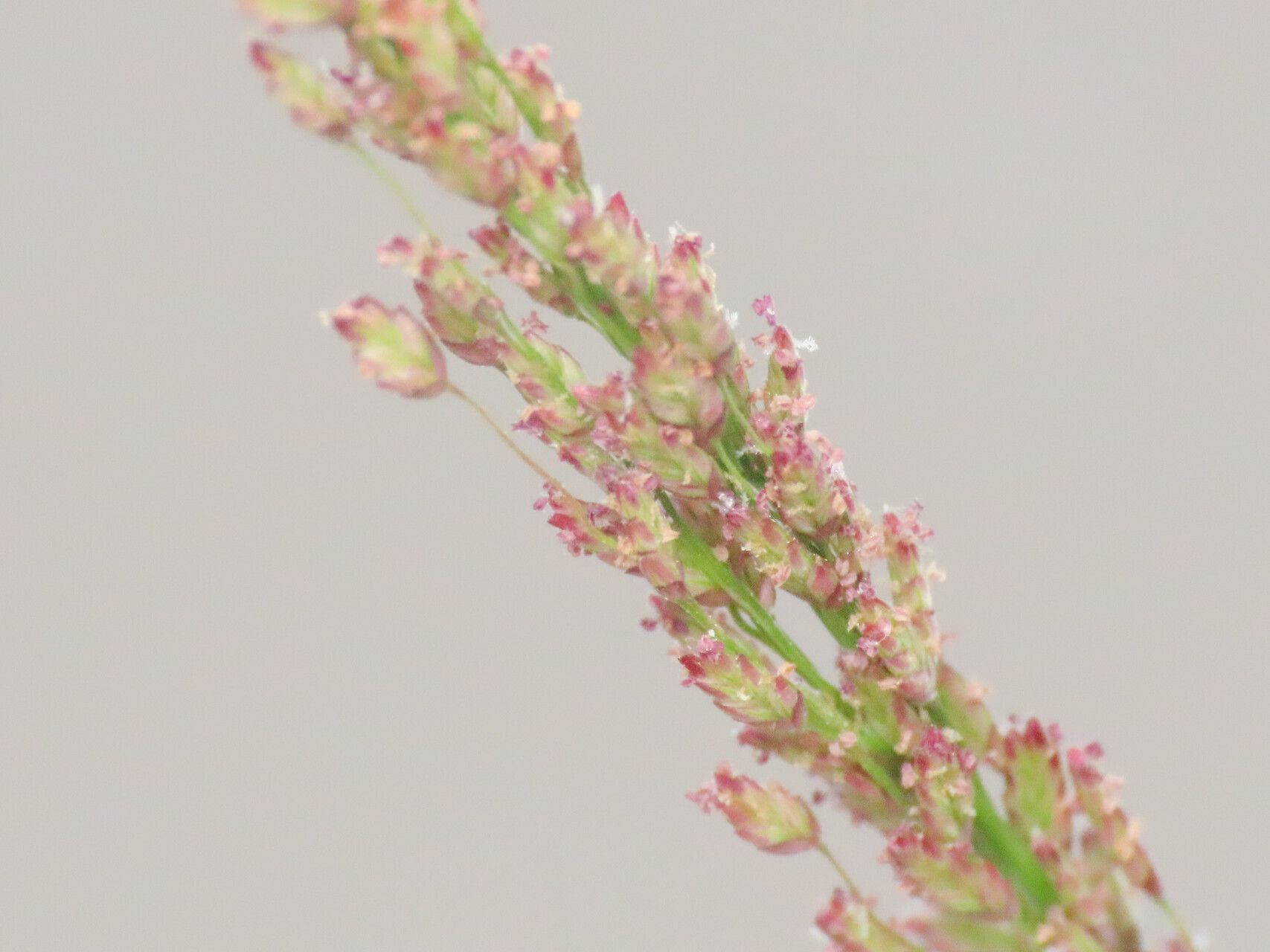
Japanese lovegrass is fairly resistant to disease and typically not prone to illness. Still, it can be affected by pests and diseases present in its surroundings. These issues are usually minor. As for care, the plant requires moderate maintenance. It should be pruned regularly to maintain a neat appearance and healthy growth. Fertilizing can also help encourage flowering. Japanese lovegrass is suitable for anyone with outdoor space, such as a garden or patio, and does not demand extensive plant-care experience. It may require more attention when grown indoors.
How to keep Eragrostis Multicaulis.
Light
Japanese lovegrass comes from bright, open habitats where it performs best in full sun. It can tolerate partial sun but favors direct sunlight for optimal growth. This annual or biennial plant is noted for its sun-loving character.
Water
Japanese lovegrass originates from regions with moderate rainfall, where it prefers consistently moist soil. It thrives when watered weekly and benefits from natural rainfall and additional irrigation during dry periods in its active growing season. Although it is moderately drought-tolerant, it achieves optimal growth with regular access to water.
Temperature
Japanese lovegrass can tolerate a broad range of temperatures, but its range may still be restricted by certain combinations of moisture and heat. It performs best in warm summer conditions with sufficient rainfall or irrigation. Long periods of cloudy, rainy weather or extended high temperatures increase the risk of Japanese lovegrass dying. Providing adequate protection from cold in winter can enhance the plant's chances of survival.
Fertilizer
Japanese lovegrass benefits from regular, light fertilizer applications to encourage healthy leaf growth. You should fertilize Japanese lovegrass roughly once a month throughout the summer. Nitrogen is vital for the foliage, and providing nitrogen-rich sources helps Japanese lovegrass thrive.
Pruning
Japanese lovegrass is a compact, perennial grass known for its fine texture and dense growth. To promote new growth, remove dead foliage, and improve air circulation, it's best to prune it from early to late spring. Make sure to clean your tools to prevent disease and wear gloves for safety.
Botanical profile.
- Plant Type
- Herb
- Life Cycle
- Annual
- Genus
- Eragrostis
- Family
- Poaceae
- Hardiness Zone
- 5-9
- Mature Height
- 49 cm
- Mature Spread
- 15 cm to 30 cm
- Leaf Color
- Green
- Leaf Type
- Semi-evergreen
- Flower Color
- Yellow, Green, Purple, Brown
- Flower Size
- 10.16 cm
- Bloom Time
- Summer, Early fall, Mid fall
- Planting Time
- Spring, Autumn
- Harvest Time
- Late summer, Fall, Early winter
- Native Area
- Russia, India, Malaysia, Indonesia, Myanmar, Japan, Philippines, Koppen, South Korea, Thailand, China
Other names.
Reader questions.
What are the sun requirements for Japanese Lovegrass?
Japanese Lovegrass thrives in bright, open environments and is known for its sun-loving nature. It requires full sun, defined as above 6 hours of sunlight daily, for optimal growth, although it can tolerate partial sun (about 3-6 hours of sunlight). When planting, observe your garden throughout the day to find spots that offer a good balance of light and shade, ensuring the plants' happiness and health.
How can artificial lighting support indoor Japanese Lovegrass plants?
Indoor Japanese Lovegrass plants require adequate lighting for optimal growth, especially when natural sunlight is insufficient, such as in winter or less sunny spaces. Artificial lights, including LED lights, can be customized to provide specific wavelengths needed for the plants. Full sun plants require 30-50W/sq ft of artificial light, partial sun plants need 20-30W/sq ft, and full shade plants need 10-20W/sq ft. The lights should be placed 12-36 inches above the plant, mimicking natural daylight hours, with most plants needing 8-12 hours of light per day.
What are the symptoms of inadequate light in Japanese Lovegrass?
When Japanese Lovegrass is grown indoors under inadequate light, it may show several symptoms. These include smaller new leaves, leggy or sparse growth, faster leaf drop, slower or no new growth, lighter-colored new leaves, and various symptoms of distress from too much sun, such as chlorosis, sunscald, leaf curling, wilting, and leaf scorching. These signs indicate the plant's struggle with its lighting environment.
What solutions can help Japanese Lovegrass receive adequate sunlight?
To ensure Japanese Lovegrass receives enough sunlight, gradually move it to a brighter location weekly until it gets at least 6 hours of direct sunlight daily. Use south-facing windows or artificial grow lights for indoor plants. For outdoor plants, avoid sudden changes in light to prevent sunburn. Minimize obstructions like pruning trees to allow more sunlight. If necessary, transplant smaller plants during their dormant period to a sunnier location with good drainage. Though areas affected by insufficient sunlight may not recover, new growth should be healthy with better light exposure.