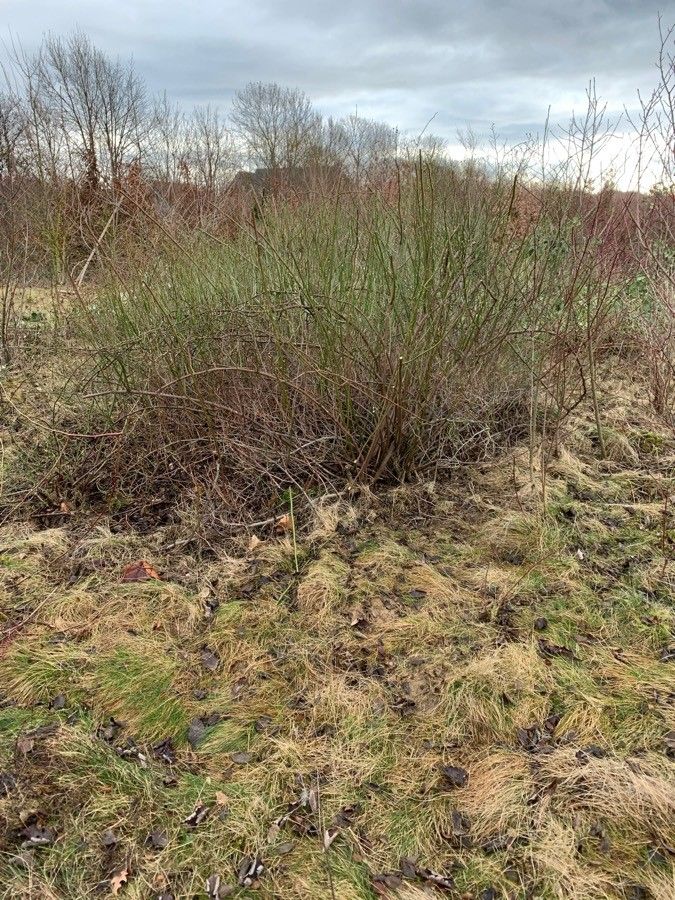
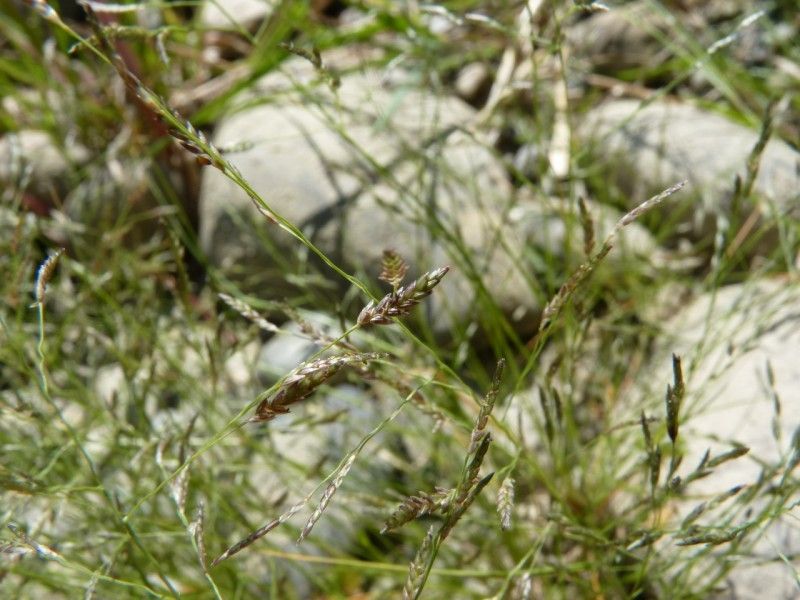
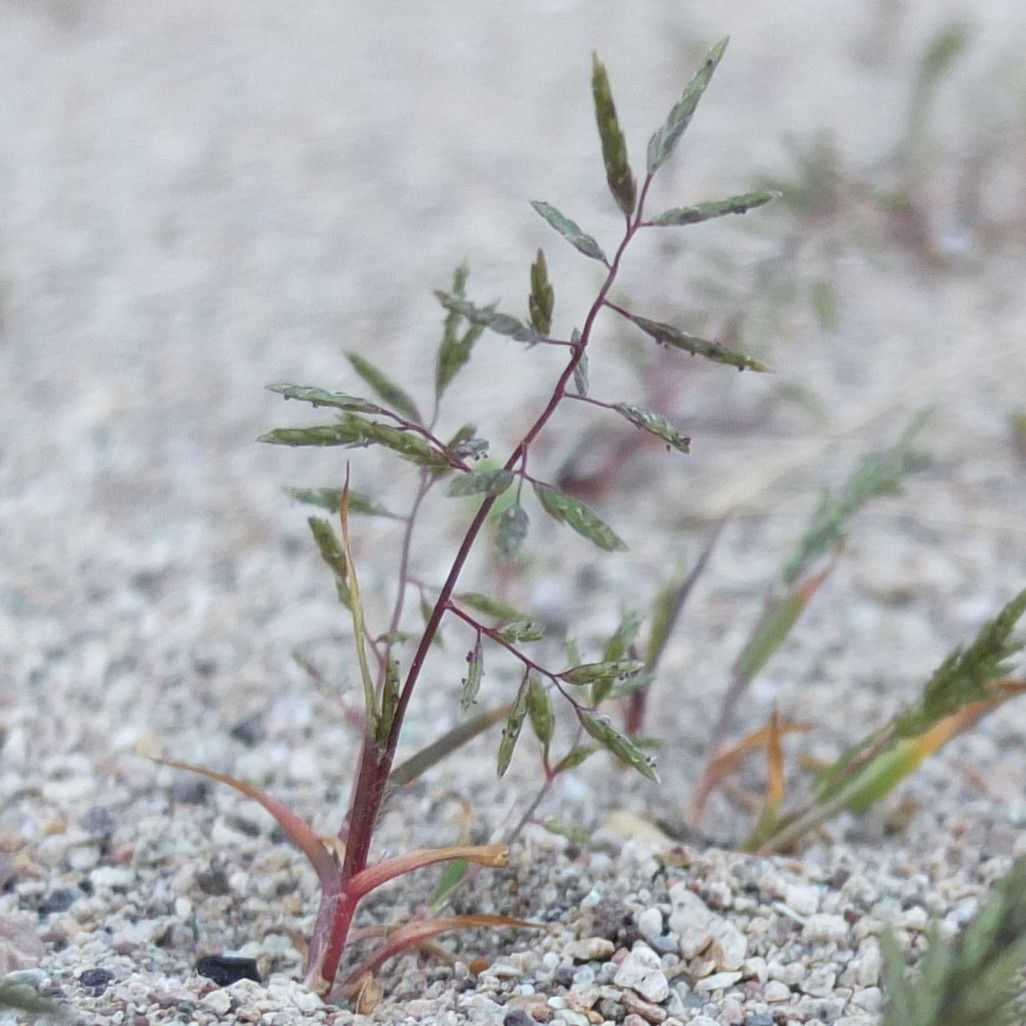
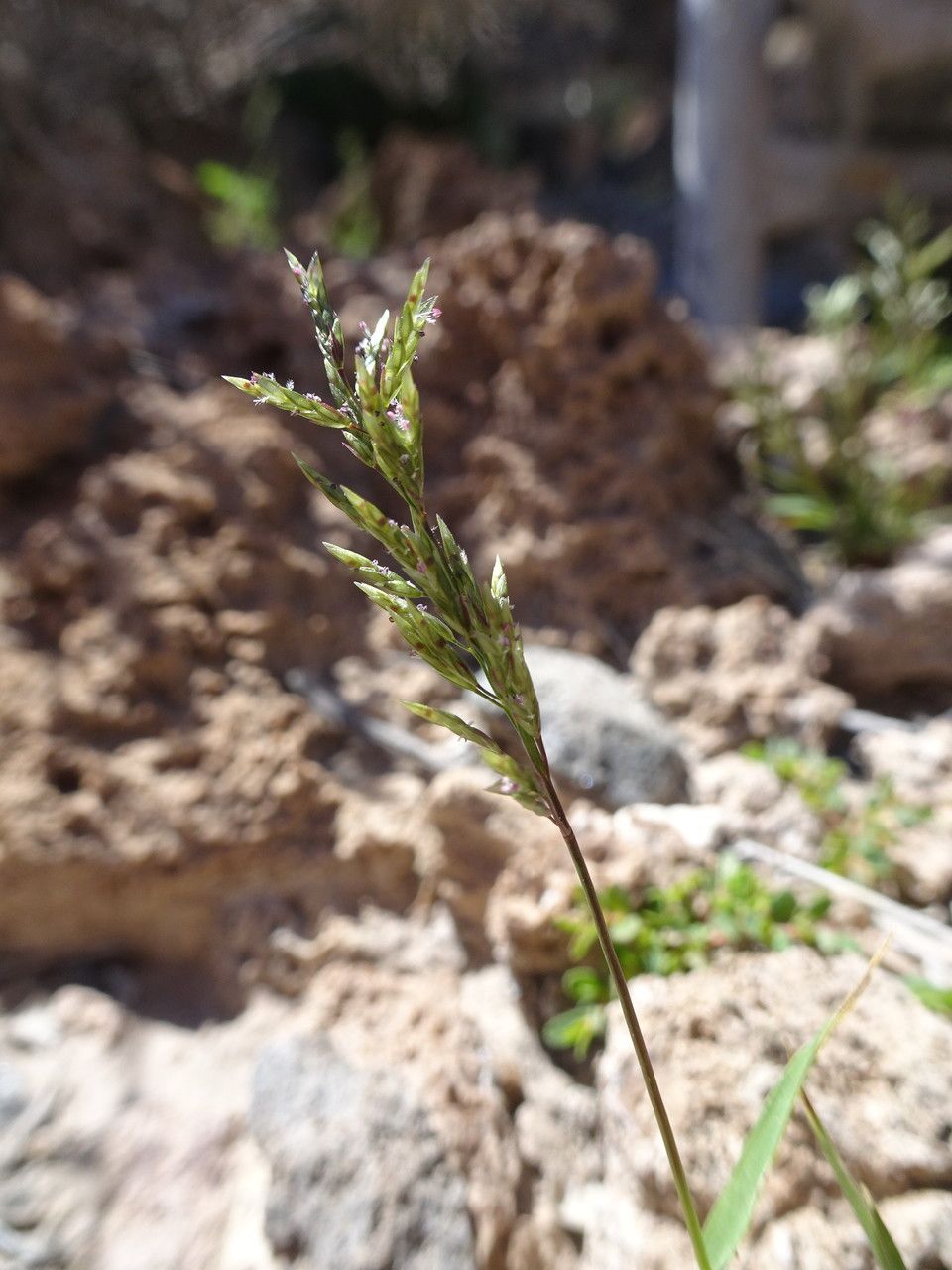
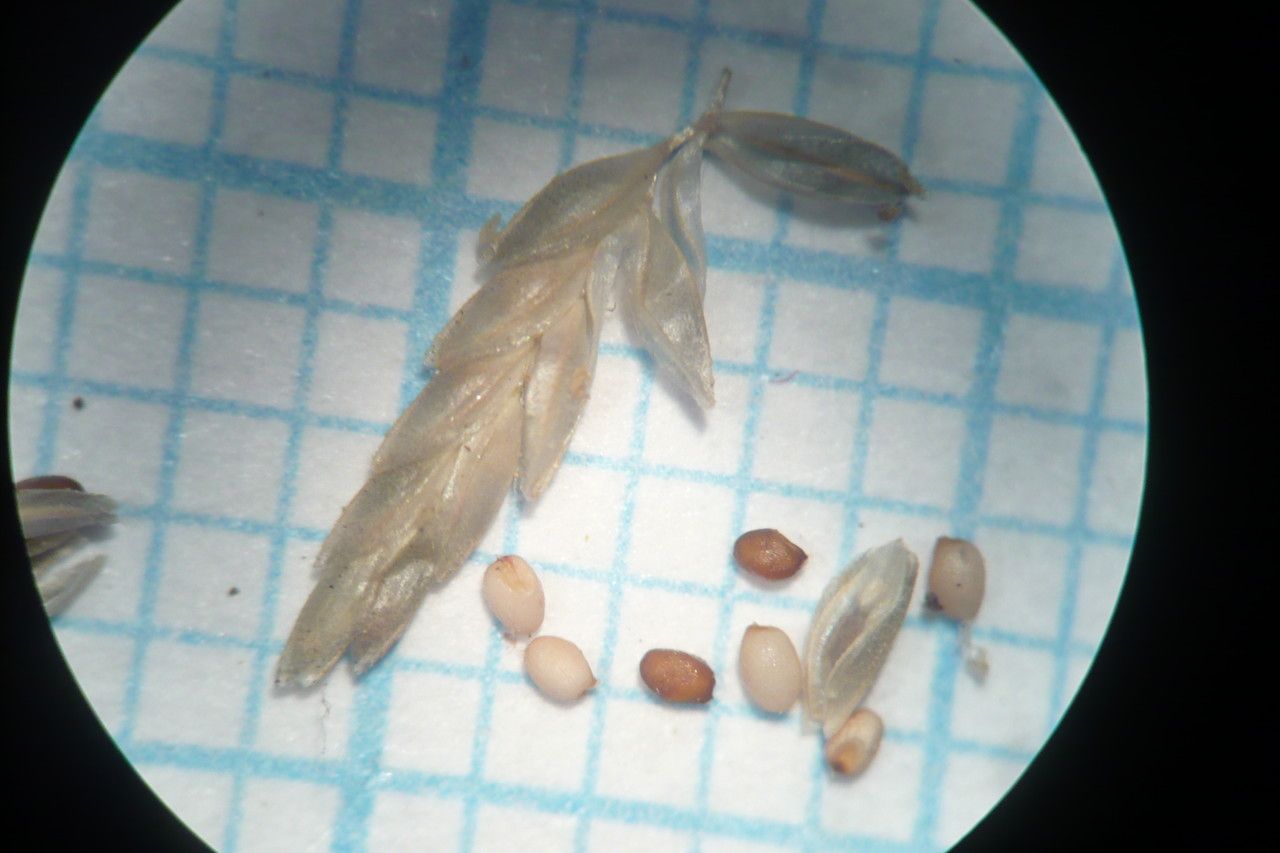
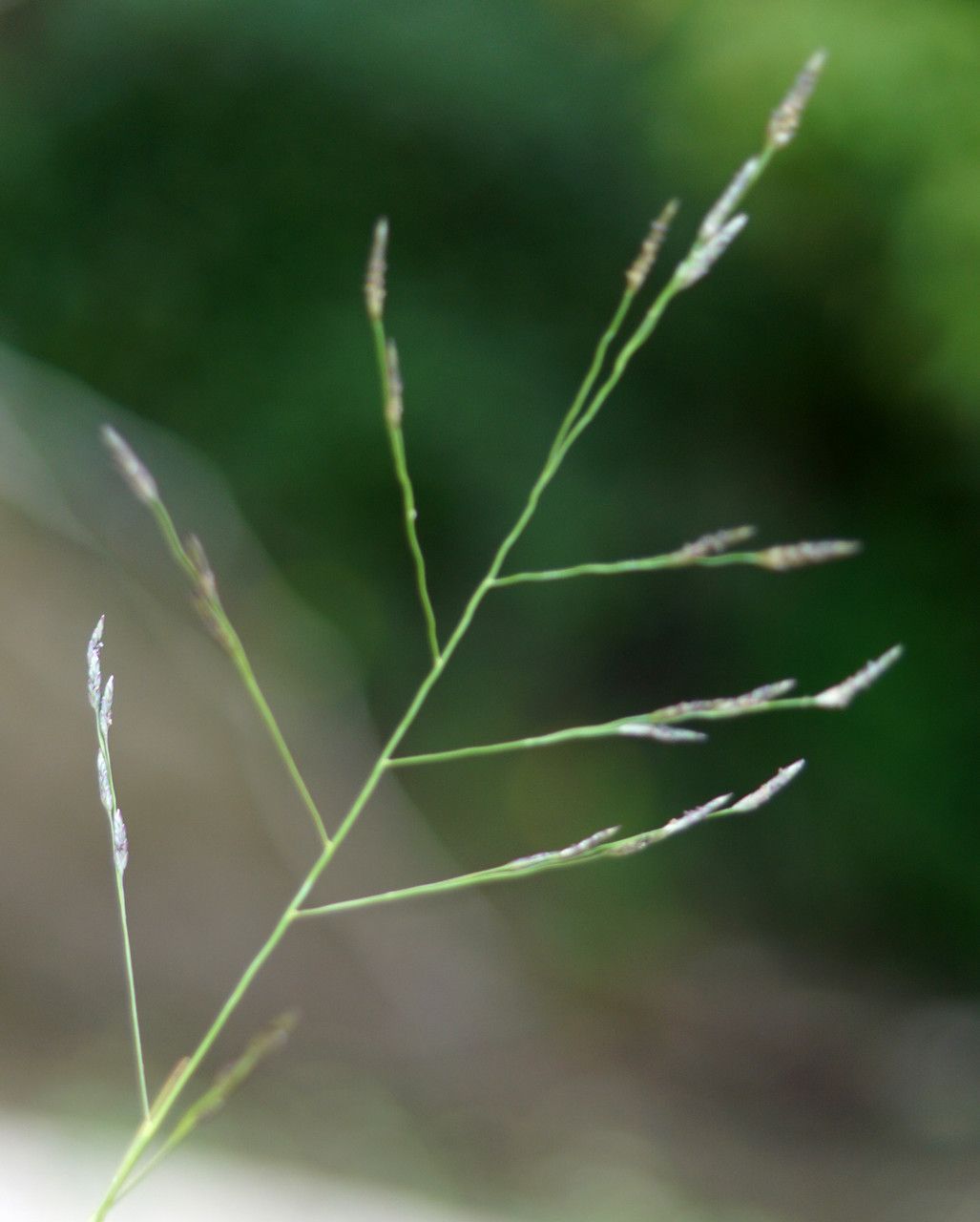
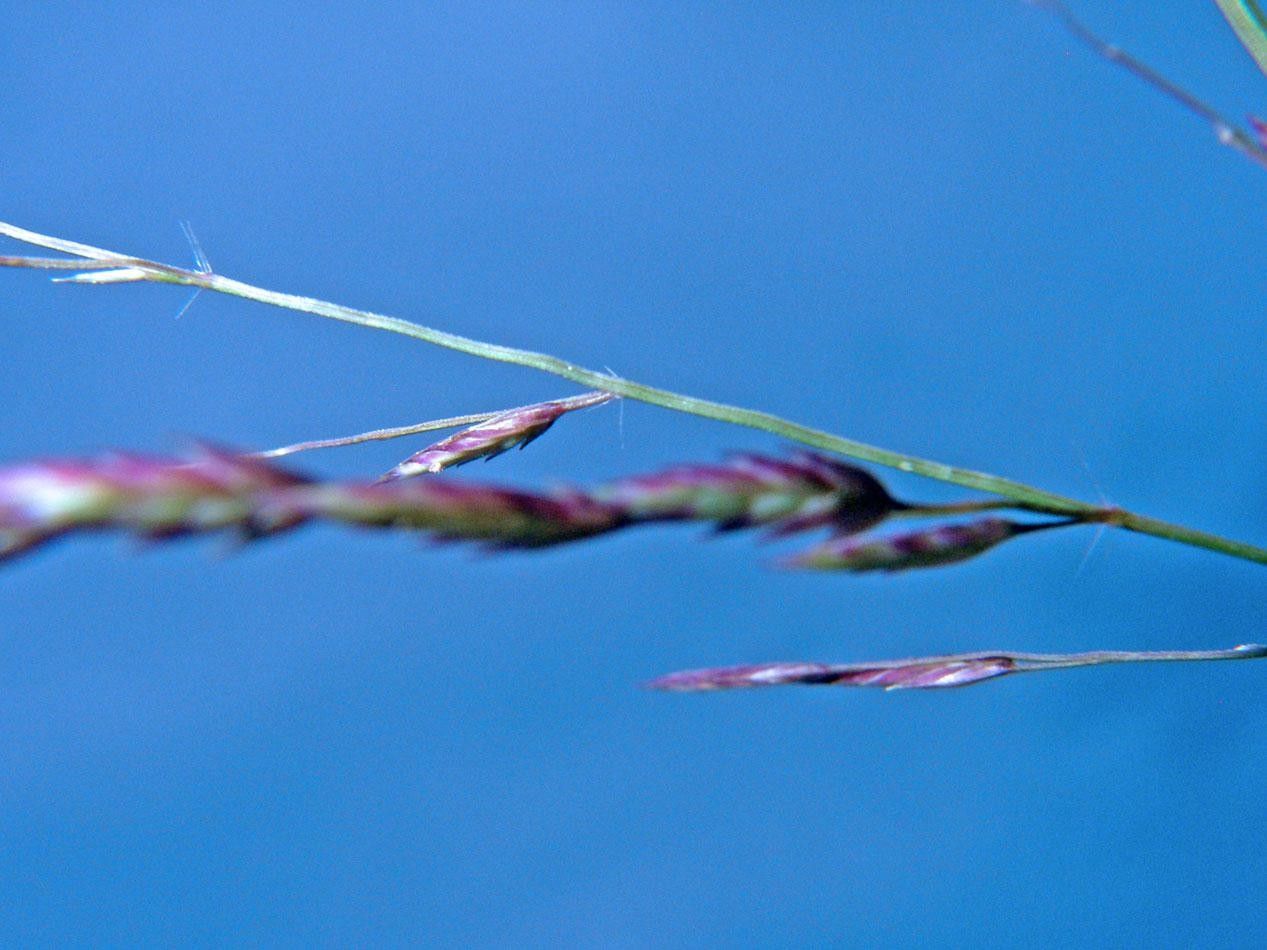
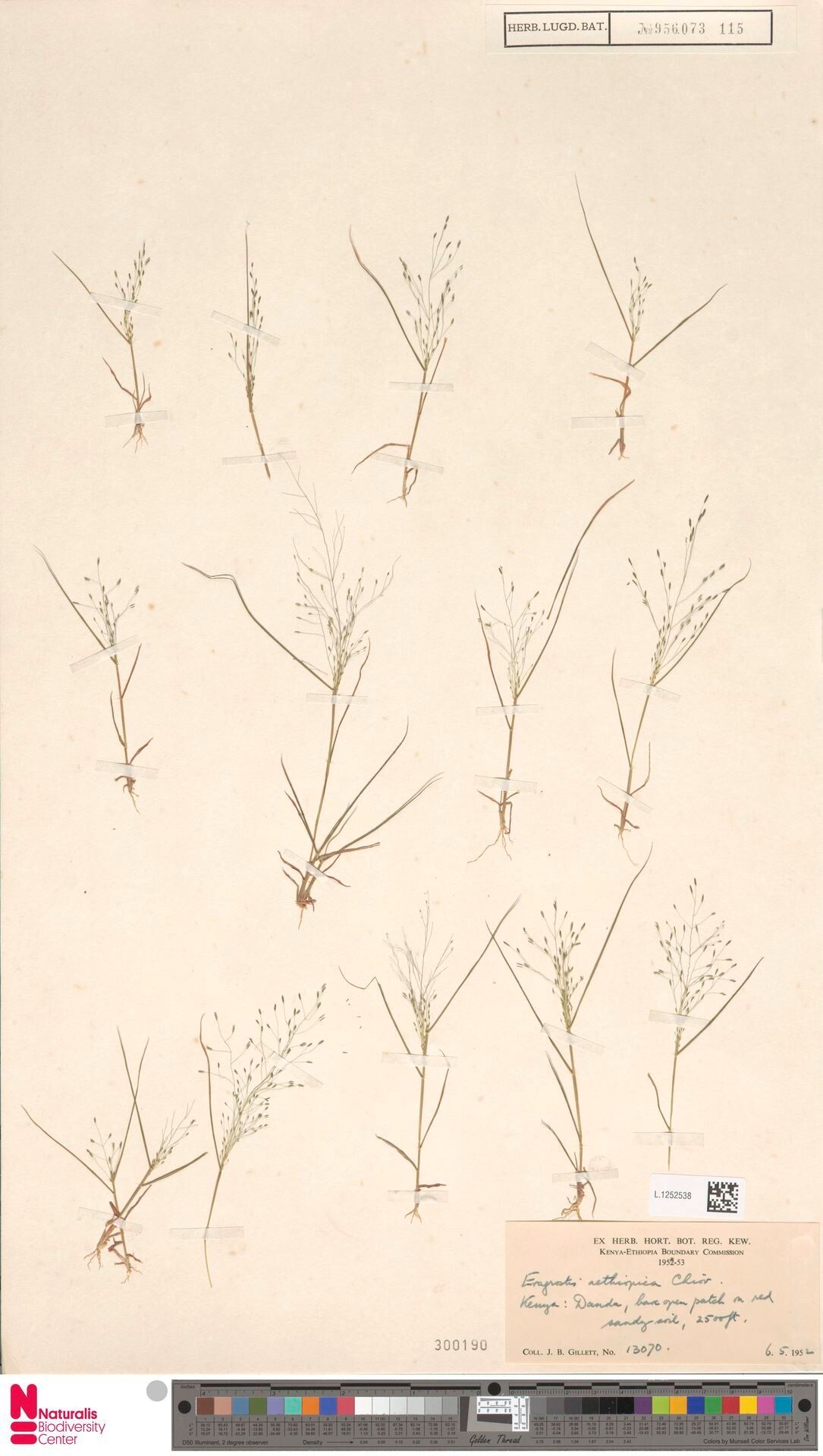
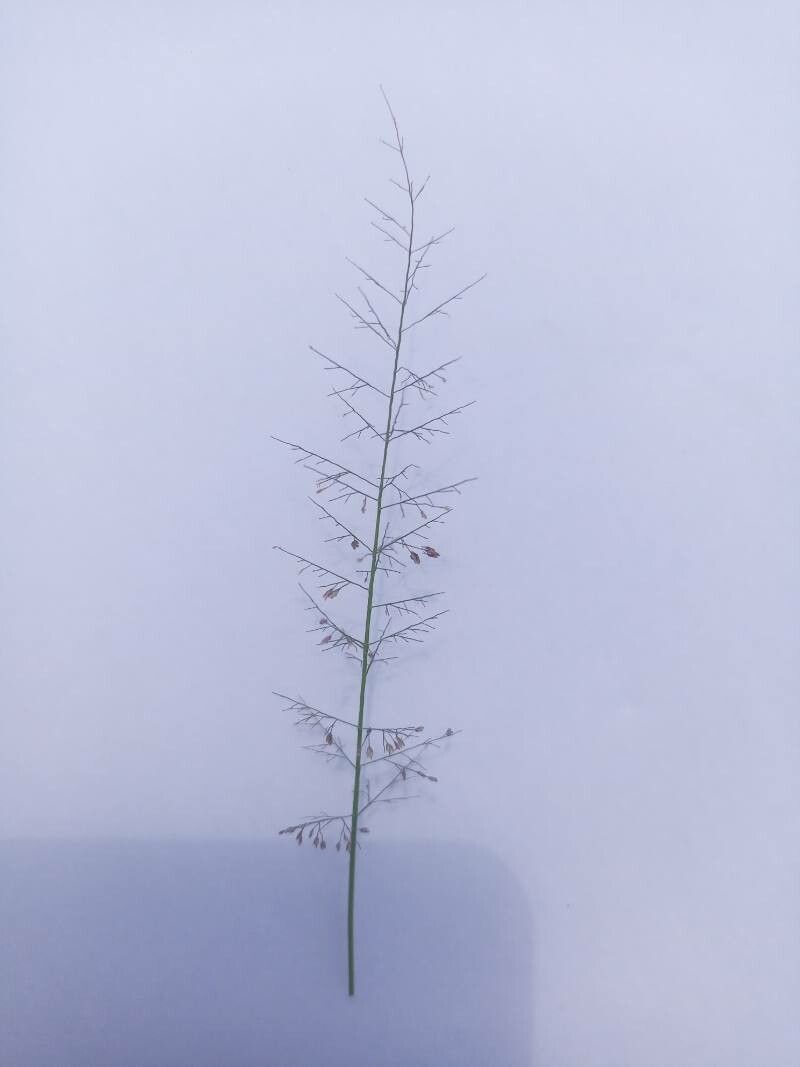
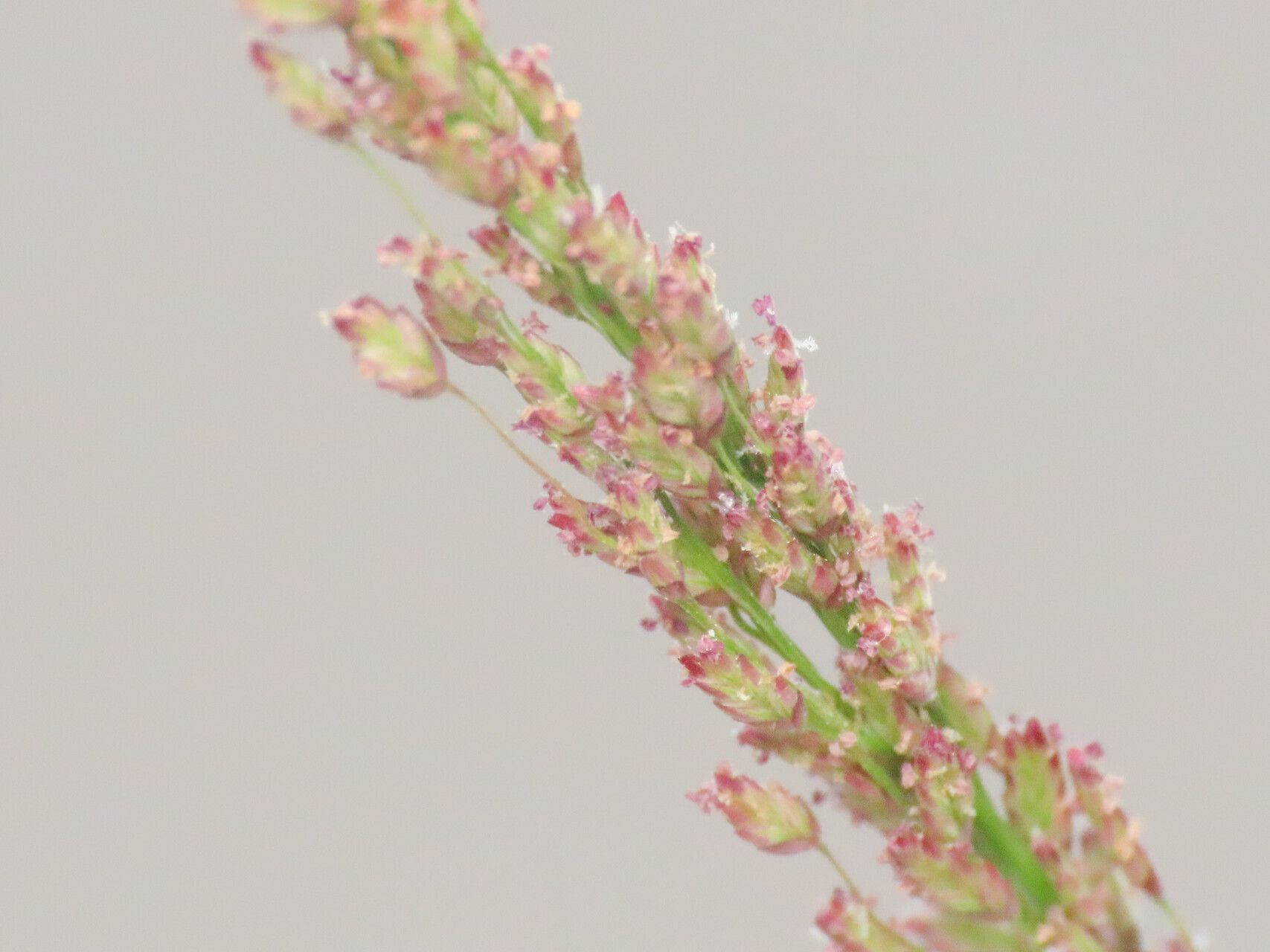
Eragrostis pectinacea is a species of grass known by the common name tufted lovegrass. This plant is native to the Americas from Canada to Argentina. It is widespread, growing in most open spaces at varying elevations and habitats, including in disturbed areas and roadsides.
Tufted lovegrass is resistant to disease and is usually not susceptible to illnesses. Regarding care, this plant is fairly low-maintenance. When grown outdoors it needs little watering, and larger plants typically do not require pruning. Smaller plants, however, should be trimmed after they finish blooming. Tufted lovegrass is appropriate for anyone who has an outdoor area, like a garden or deck, and does not demand extensive gardening experience.
How to keep Eragrostis Pectinacea.
Light
Tufted lovegrass is a sun-loving perennial herbaceous plant native to open habitats, frequently found in meadows and grasslands. It prefers full sun but can tolerate partial sun.
Water
Tufted lovegrass, which originates from semi-arid regions, thrives in dry conditions with minimal moisture. To prevent waterlogging, it should be watered only once a week. Although it can tolerate various soil types, it performs best when watering is reduced, highlighting its adaptation to infrequent rainfall.
Temperature
Tufted lovegrass can adjust to a wide range of temperatures, but its distribution may still be restricted by certain combinations of moisture and heat. It does best in warm summer climates with sufficient rainfall or irrigation. Extended periods of cloudy, rainy weather, as well as prolonged high temperatures, can raise the chance of Tufted lovegrass dying. In winter, adequate protection from cold can increase the plant’s survival.
Fertilizer
Tufted lovegrass needs extra nutrients to encourage healthy new growth. In spring, placing compost around the base of the plant will effectively supply the nutrition it requires. Fertilizing helps support vigorous growth and improves the plant’s resistance to diseases and pests.
Pruning
Tufted lovegrass features fine foliage and delicate seed heads. For best results, prune it in early spring to a height of 5-10 cm (2-4 inches). This helps remove dead tips and encourages healthy growth. Regular trimming promotes denser clumps and enhances flowering. Avoid pruning in late autumn to prevent winter damage.
Botanical profile.
- Plant Type
- Grass
- Life Cycle
- Perennial, Annual
- Genus
- Eragrostis
- Family
- Poaceae
- Hardiness Zone
- 5-9
- Mature Height
- 25 cm to 61 cm
- Mature Spread
- 15 cm to 30 cm
- Leaf Color
- Light Green, Yellow Green
- Leaf Type
- Semi-evergreen
- Bloom Time
- Summer, Early fall
- Planting Time
- Spring, Summer, Autumn
- Harvest Time
- Late summer, Fall
- Native Area
- Colombia, Bahamas, Cuba, Honduras, Mexico, Guatemala, Bolivia, Venezuela, Peru, Guyana, El Salvador, Nicaragua, Brazil, Ecuador, Costa Rica, Panama
Other names.