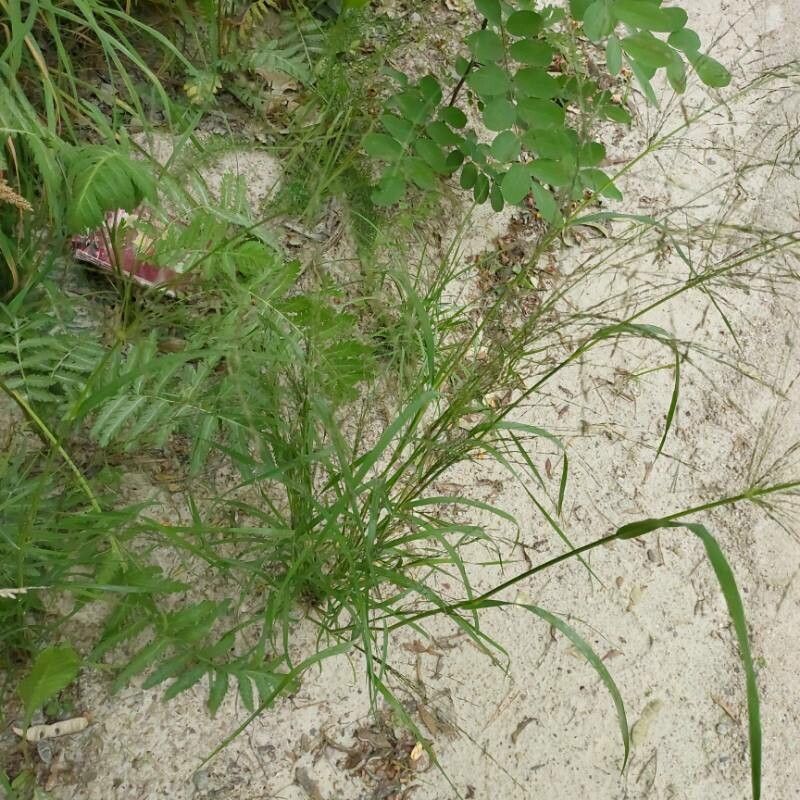
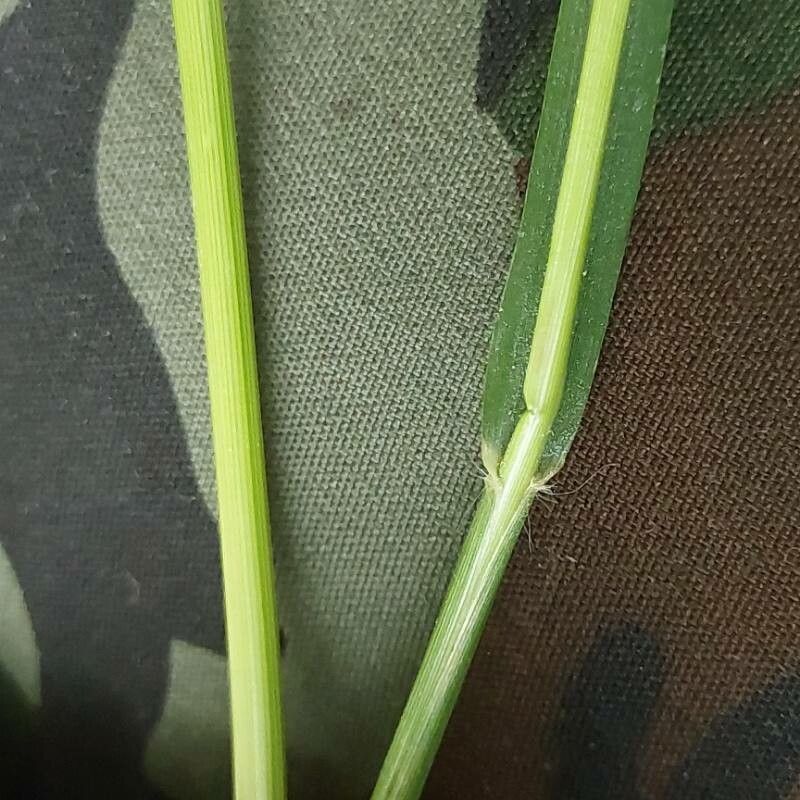
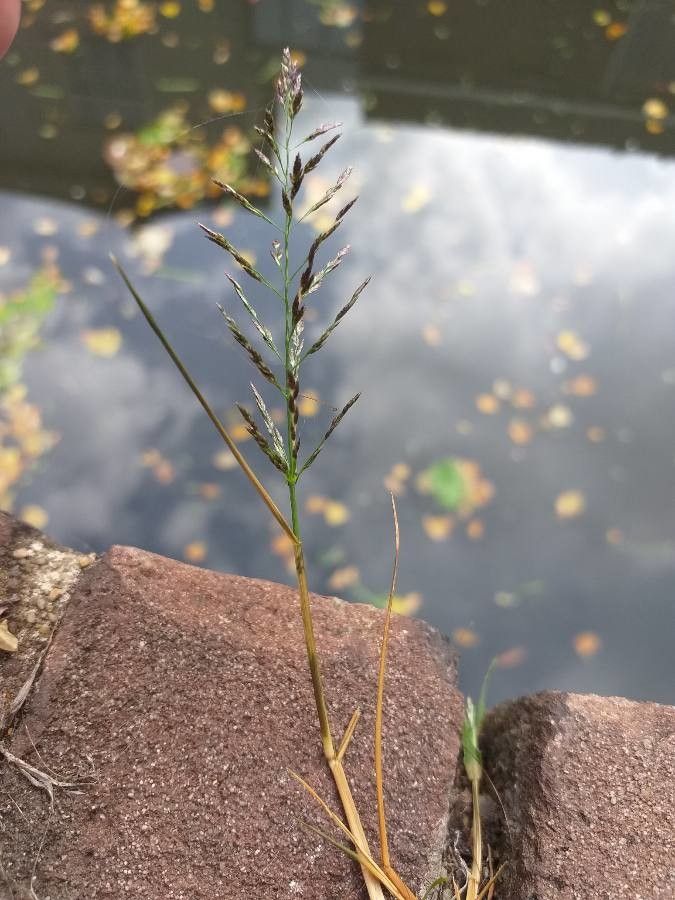
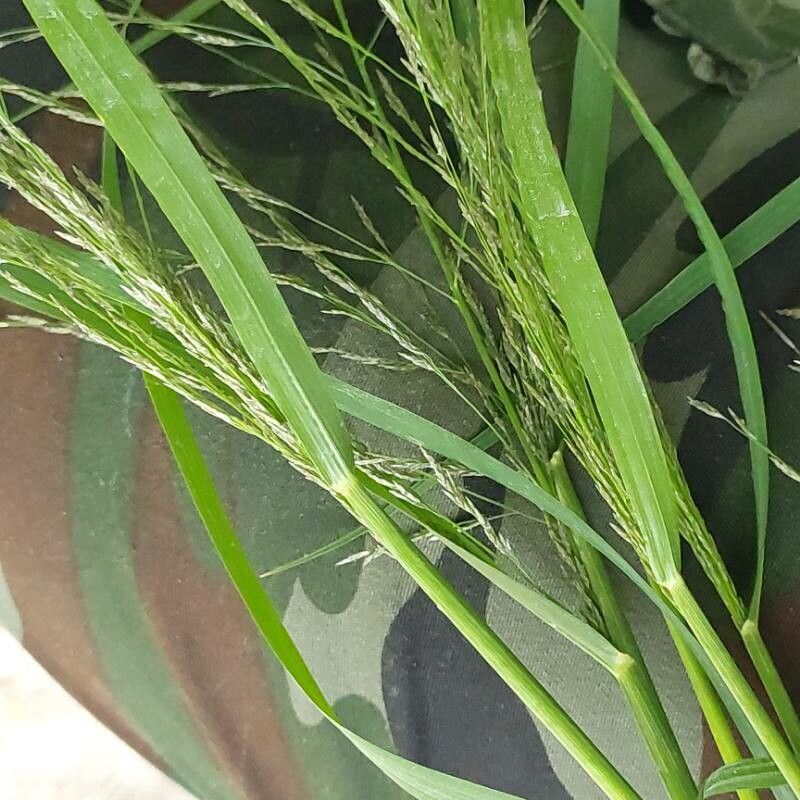
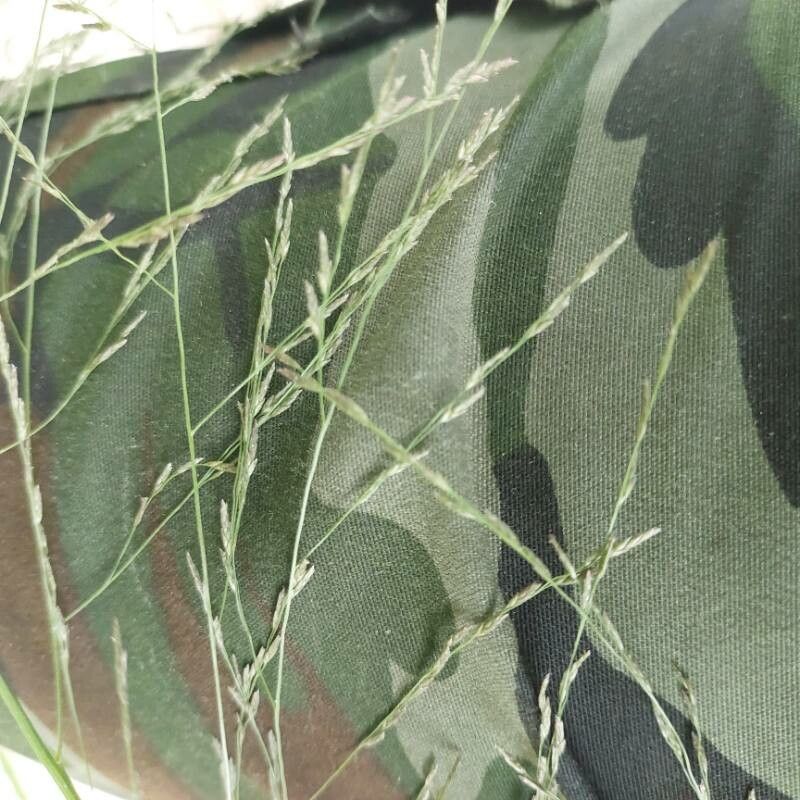
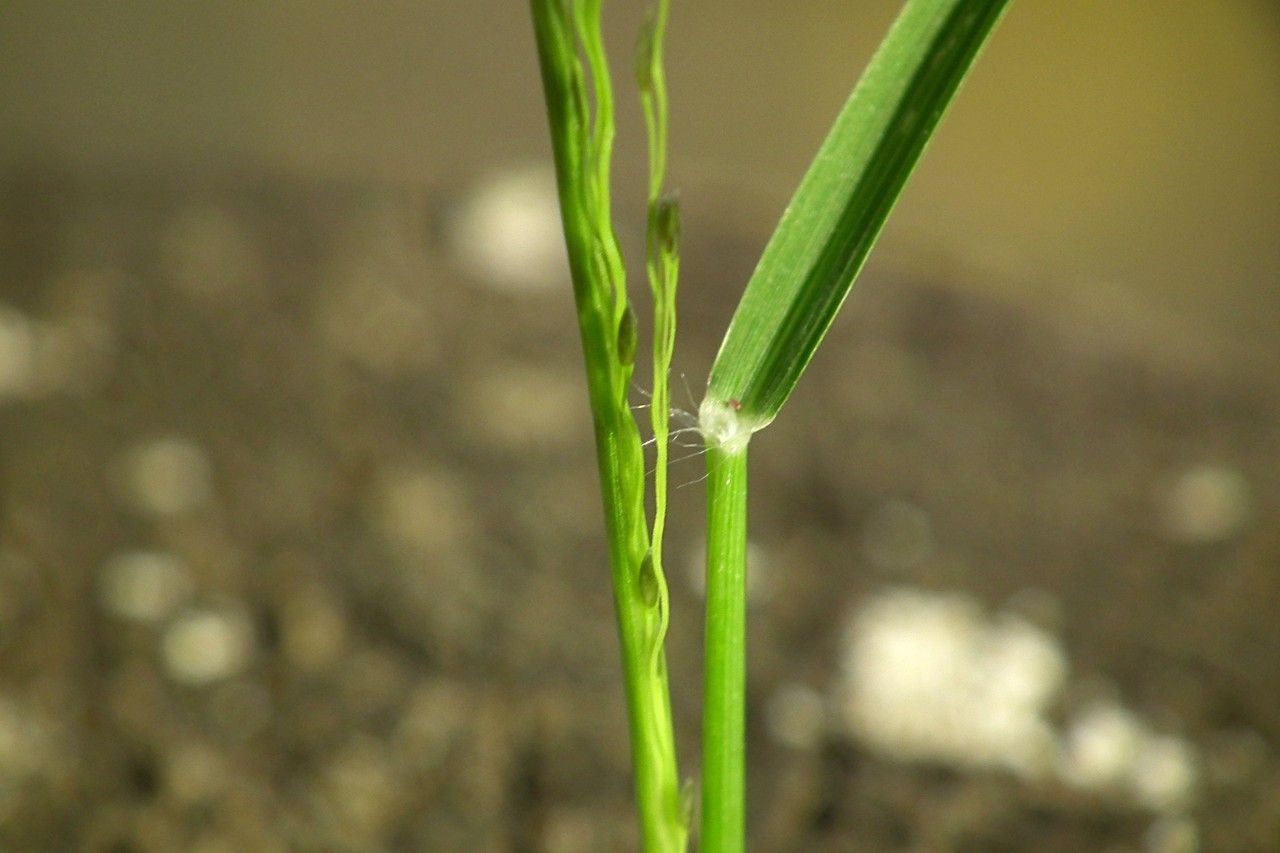
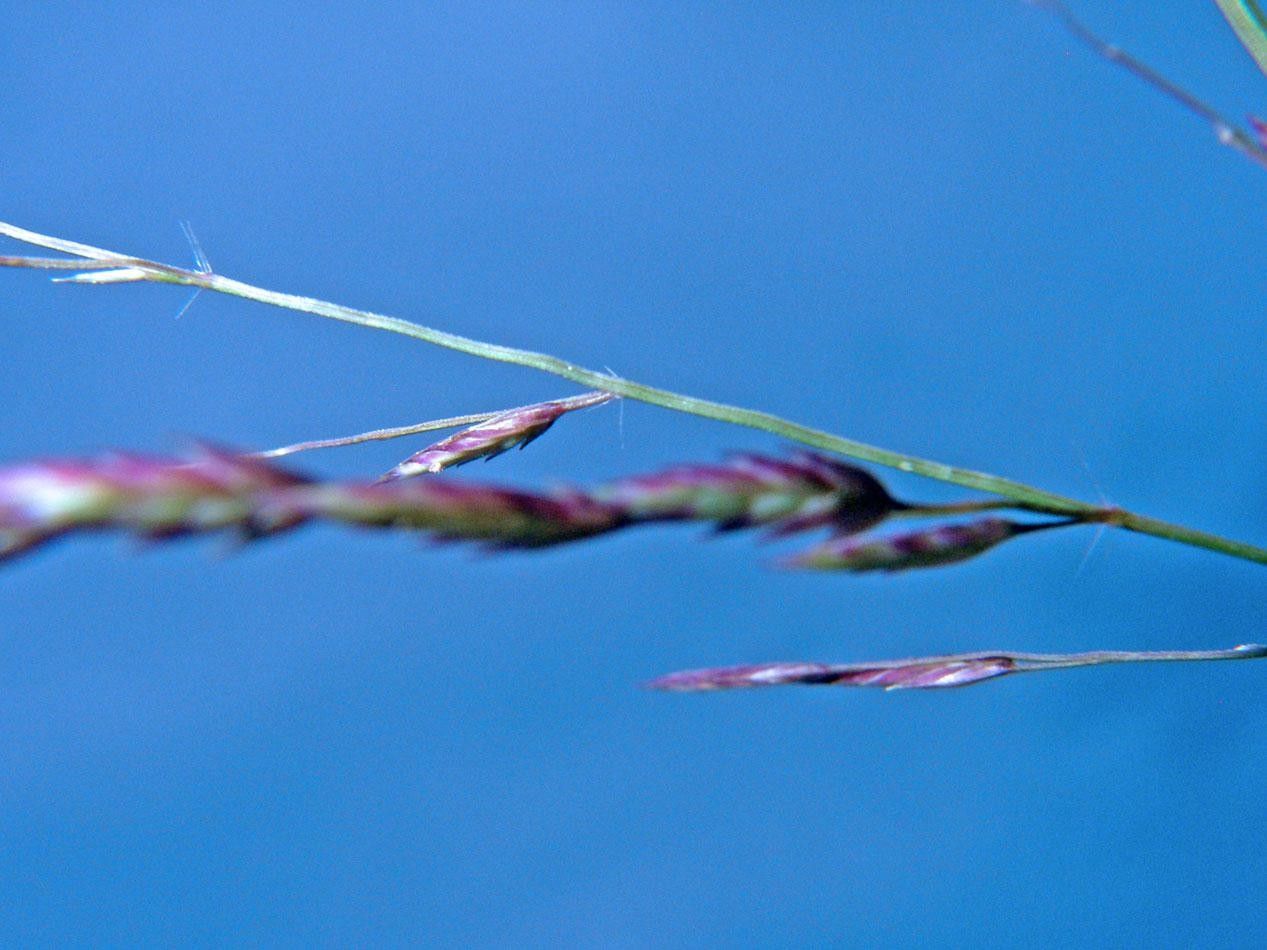
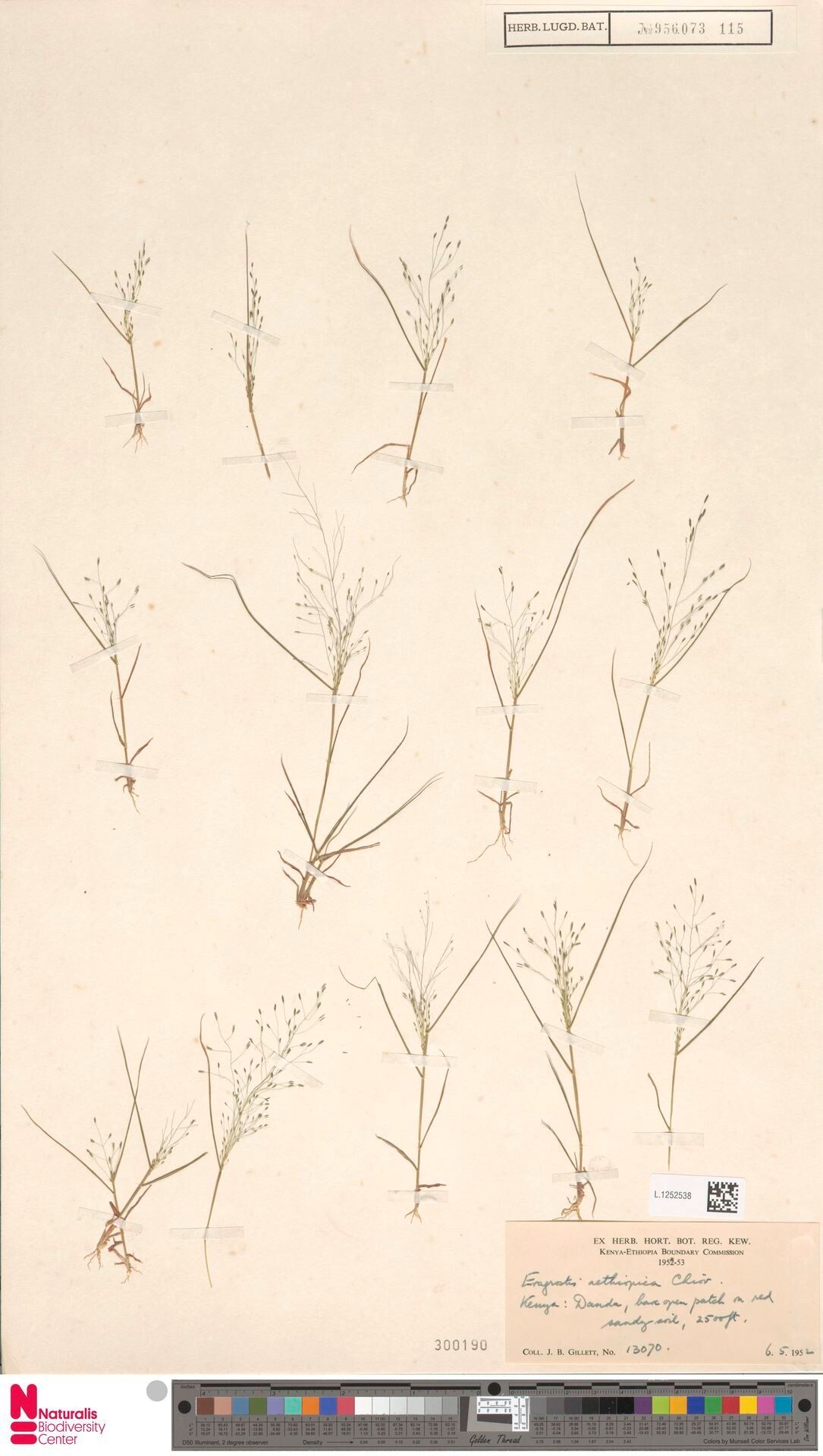
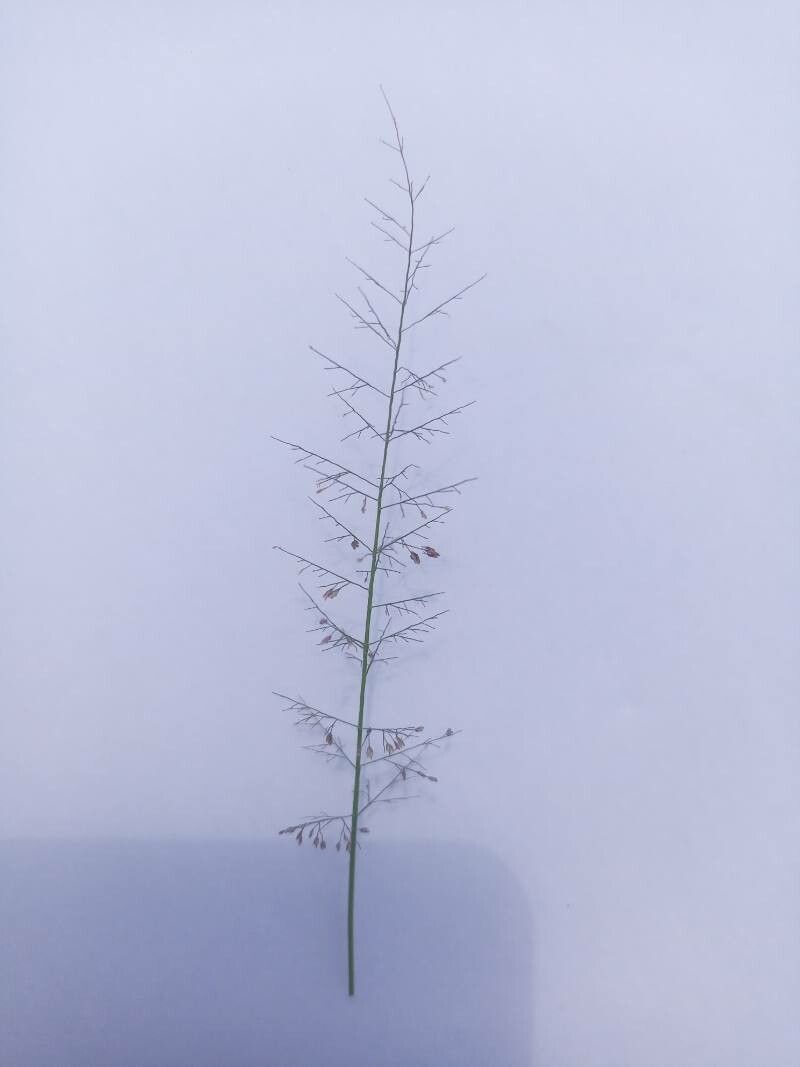
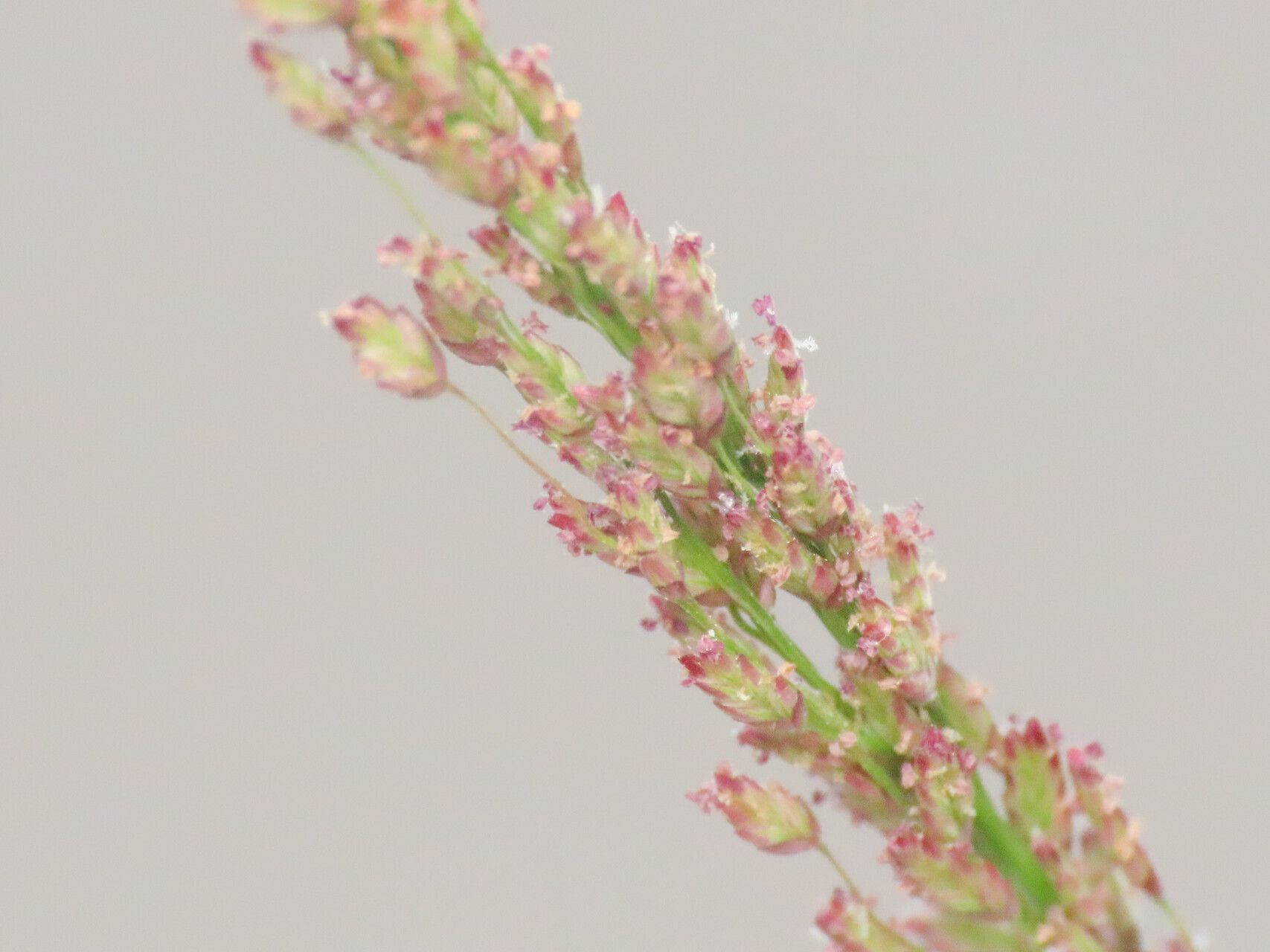
Eragrostis pilosa is a species of grass in the family Poaceae. It is native to Eurasia and Africa. It may or may not be native to North America. It is widely introduced, and it is a common weed in many areas. Common names include Indian lovegrass, Jersey love-grass, hairy love grass, small tufted lovegrass, and soft lovegrass.
India lovegrass has strong disease resistance and is generally not prone to disease. In terms of care, this plant is fairly low-maintenance. Planted outdoors, it needs little watering, and larger specimens usually do not require pruning. Smaller plants, however, should be pruned after they bloom. India lovegrass is suitable for anyone with outdoor space, such as a garden or a deck, and does not demand extensive care experience.
How to keep Eragrostis Pilosa.
Light
India lovegrass does best with full, unobstructed sunlight, mirroring the conditions of its native habitat. Its growth is strongly dependent on sunlight. Too much or too little light significantly affects it, leading to stunted growth or possible decline.
Water
India lovegrass is highly adaptable to different environments. It shows a moderate tolerance for drought but thrives best with consistent moisture, as long as it isn't waterlogged. For optimal growth, the grass benefits from weekly watering and has evolved to take advantage of rainfall patterns typically found in open field habitats.
Temperature
India lovegrass grows best at temperatures of about 68 to 95 °F (20 to 35 °C), reflecting its native temperate habitat. You may need to adjust temperatures seasonally to replicate these conditions.
Pruning
India lovegrass is a perennial grass with tufted foliage. Prune it from early to late spring by trimming away dead stems and thinning out dense patches to improve air circulation. Regular pruning helps maintain its appearance and promotes healthy growth, which is essential for optimal development during the growing season.
Botanical profile.
- Plant Type
- Grass
- Life Cycle
- Annual
- Genus
- Eragrostis
- Family
- Poaceae
- Hardiness Zone
- 6-9
- Mature Height
- 61 cm
- Mature Spread
- 20 cm to 40 cm
- Leaf Color
- Green
- Leaf Type
- Semi-evergreen
- Flower Color
- Yellow, Green, Purple, Brown
- Flower Size
- 10.16 cm
- Bloom Time
- Summer, Early fall, Mid fall
- Planting Time
- Spring, Summer, Autumn
- Harvest Time
- Late summer, Fall, Early winter
- Native Area
- Burkina Faso, Libya, Sri Lanka, India, Turkey, Slovakia, Madagascar, Montenegro, Pakistan, Nigeria, Slovenia, Croatia, Morocco, Guinea-Bissau, Belarus, Uganda, Tanzania, Benin, Germany, Sierra Leone, Cameroon, Mozambique, Koppen, Ethiopia, Central African Republic, Portugal, Malawi, Bulgaria, Bangladesh, Ukraine, Chad, China, Afghanistan, Italy, Japan, Mongolia, Bosnia and Herzegovina, Togo, Senegal, Eswatini, Iran, Côte d'Ivoire, Gambia, Congo (DRC), Djibouti, Somalia, Egypt, Angola, Austria, Lesotho, Namibia, Eritrea, Yemen, Kenya, Niger, Zimbabwe, Uzbekistan, Russia, Mali, Iraq, Equatorial Guinea, Burundi, Liberia, Oman, Ghana, South Korea, Botswana, France, Nepal, Congo, Tajikistan, Czech Republic, South Africa, Sudan, Mauritania, Zambia, Greece, Guinea, North Macedonia, Serbia, Hungary, Spain, Switzerland, Vietnam, Myanmar, Israel, Bhutan, Albania, United Kingdom, Algeria, Turkmenistan
Other names.
Reader questions.
How much sunlight does India lovegrass require?
India lovegrass requires full sun, meaning it needs above 6 hours of sunlight daily. It's crucial to observe how sunlight moves through your garden to pick spots that offer a perfect mix of light and shade. This ensures the plants' optimal growth and health, imitating their native habitat conditions. Inadequate or excessive sunlight exposure can stunt the plant's growth or cause deterioration.
What are the ideal temperature conditions for India lovegrass?
India lovegrass flourishes best in temperatures that range between 68 to 95°F (20 to 35°C), which resonates with its native temperate habitats. To ensure its optimal growth, it might be necessary to make seasonal adjustments to replicate these conditions closely. Despite its strong resistance to cold, measures for frost protection should be considered if temperatures are anticipated to plunge below -25°C. Such protection might include covering the plant with soil or straw. Additionally, abundant watering before the first freeze of autumn is recommended to keep the soil moist, aiding the plant through winter and early spring by preventing drought and water scarcity.
What are the essentials for growing India lovegrass?
Growing India lovegrass successfully mimics its native habitats by ensuring it gets uninhibited sun exposure. This exposure is critical for its growth, with either excess or limited light having significant impacts. For indoor plants, where natural sunlight may be insufficient, especially during winter or less sunny spaces, artificial lighting becomes crucial. Optimal growth under artificial lights such as LED, which can be adjusted to provide specific light wavelengths needed by the plant. Full sun plants require 30-50W/sq ft, partial sun plants need 20-30W/sq ft, and full shade plants need 10-20W/sq ft of artificial light. The light source should be placed 12-36 inches above the plant to mimic natural sunlight, with most plants needing 8-12 hours of light per day.
How does India lovegrass react to low temperatures?
India lovegrass is notably cold-tolerant, thriving optimally when temperatures remain above 20°C. It can endure winter temperatures above 0°C without special care. However, temperatures dropping below -25°C might not show immediate adverse effects during winter, but could lead to decreased sprouting or absence of sprouting come spring. The recommended approach to address this issue is to remove any parts of the plant that have failed to sprout in spring, facilitating healthier regrowth.
What are the symptoms of light deficiency in India lovegrass?
When India lovegrass grows indoors with inadequate light, it may show signs of light deficiency such as smaller new leaves, leggy or sparse growth, faster leaf drop, slower or no new growth, lighter-colored new leaves, chlorosis (losing green color), sunscald (damage from intense exposure), leaf curling (to reduce sun exposure), wilting (loss of turgor pressure), and leaf scorching (brown, dry edges due to excessive sunlight). These symptoms demonstrate the plant's struggle in low light conditions and its attempts to adapt.
What should be done if India lovegrass experiences high temperatures?
During the summer, it is key to ensure that the temperature around India lovegrass does not exceed 35°C. Exposure to temperatures above 38°C can cause the leaves to lighten in color, become prone to curling, suffer from sunburn, or in extreme cases, result in the entire plant wilting and drying out. To mitigate these effects, it is advisable to trim away sunburned and dried portions of the plant, relocate it to a shaded area during the intense midday and afternoon sun, or employ a shade cloth for protection. Additionally, watering the plant in the morning and evening can help maintain the necessary soil moisture and alleviate stress from high temperatures.
What solutions can address light deficiency for India lovegrass?
To address light deficiency in India lovegrass, gradually move plants to sunnier locations, ensuring they receive at least 6 hours of direct sunlight daily. For indoor plants not easily moved, consider using artificial light, keeping lamps on for at least 8 hours daily or investing in plant grow lights. Outdoors, avoid sudden changes in light intensity to prevent sunburn. If plants are ground-based and sunlight is obstructed, consider pruning obstructive foliage or transplanting the plant during its dormant period to a sunnier location with good drainage. Although parts of the plant affected by insufficient sunlight may not recover, new growth should be healthy with improved light exposure.
What is the botanical name of India lovegrass?
The botanical name for India lovegrass is Eragrostis pilosa. This name helps in distinguishing it from other species within the Eragrostis genus, which is important for botanists and gardeners alike when studying or caring for these plants.