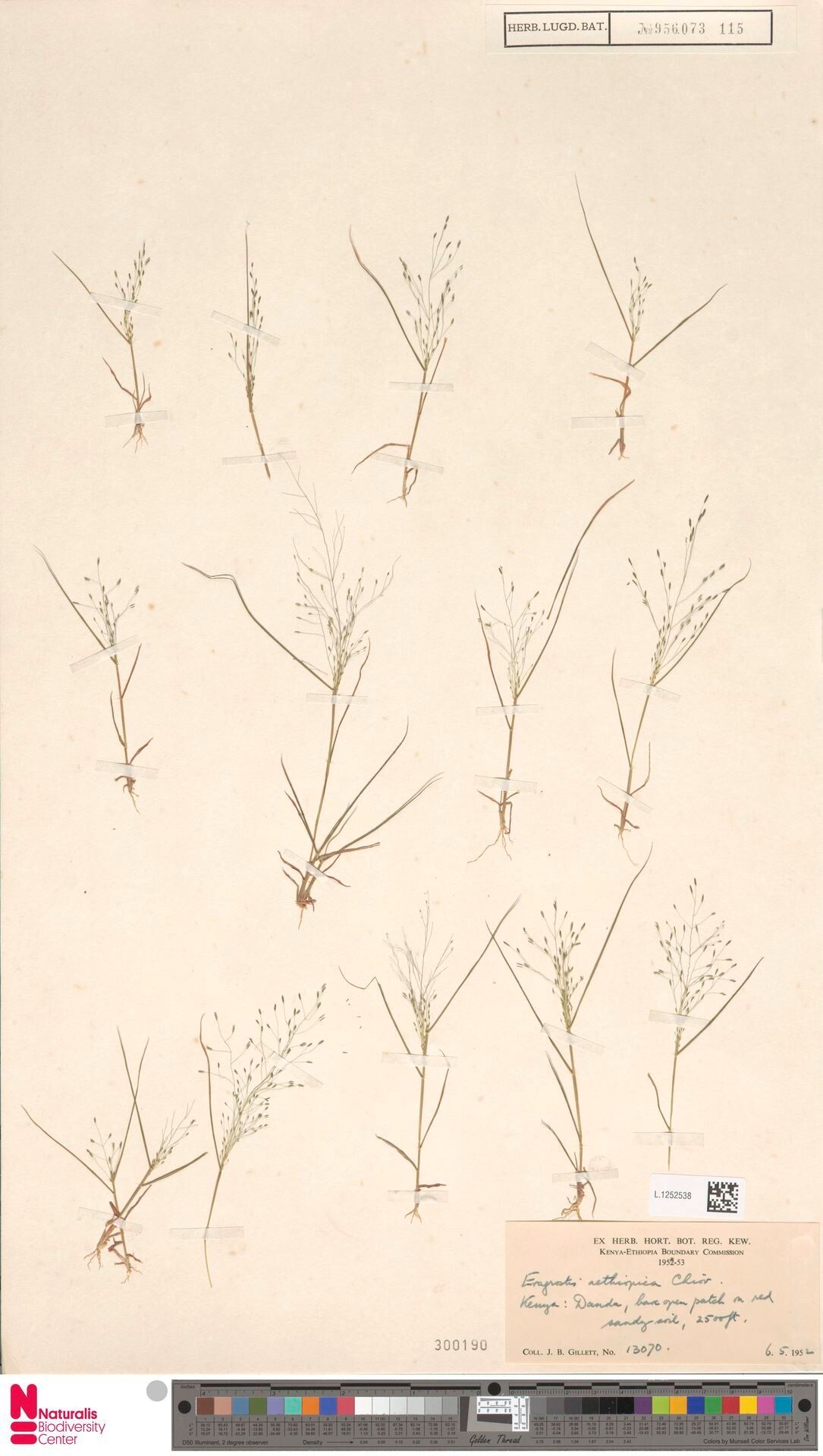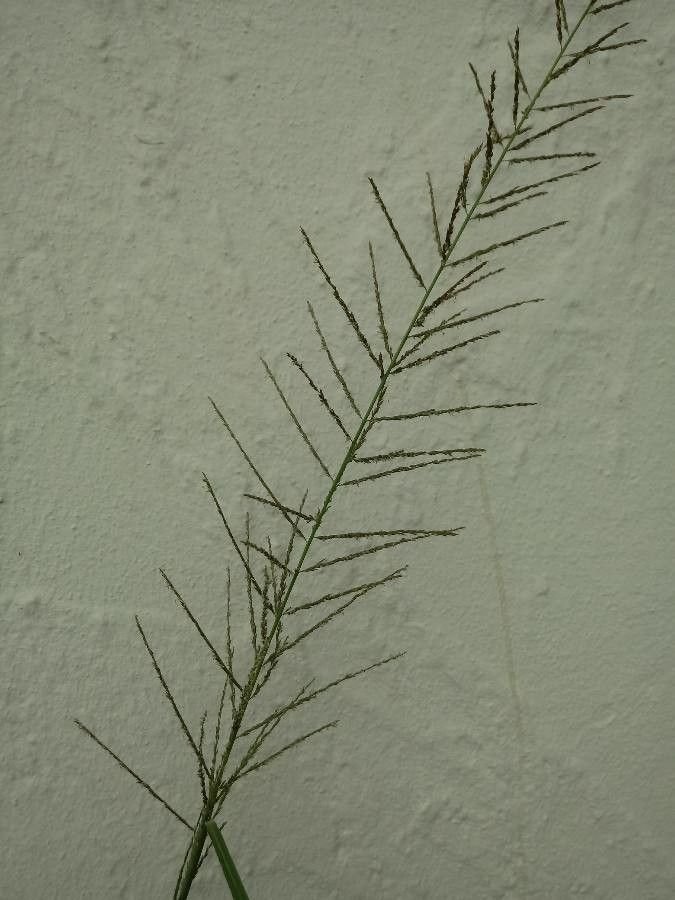
Eragrostis plana, commonly known as plains lovegrass, is a perennial grass species native to the Great Plains region of North America. It belongs to the Poaceae family and can grow up to 1 meter in height. This plant has a deep root system that enables it to thrive in harsh environments with low rainfall and high temperatures.
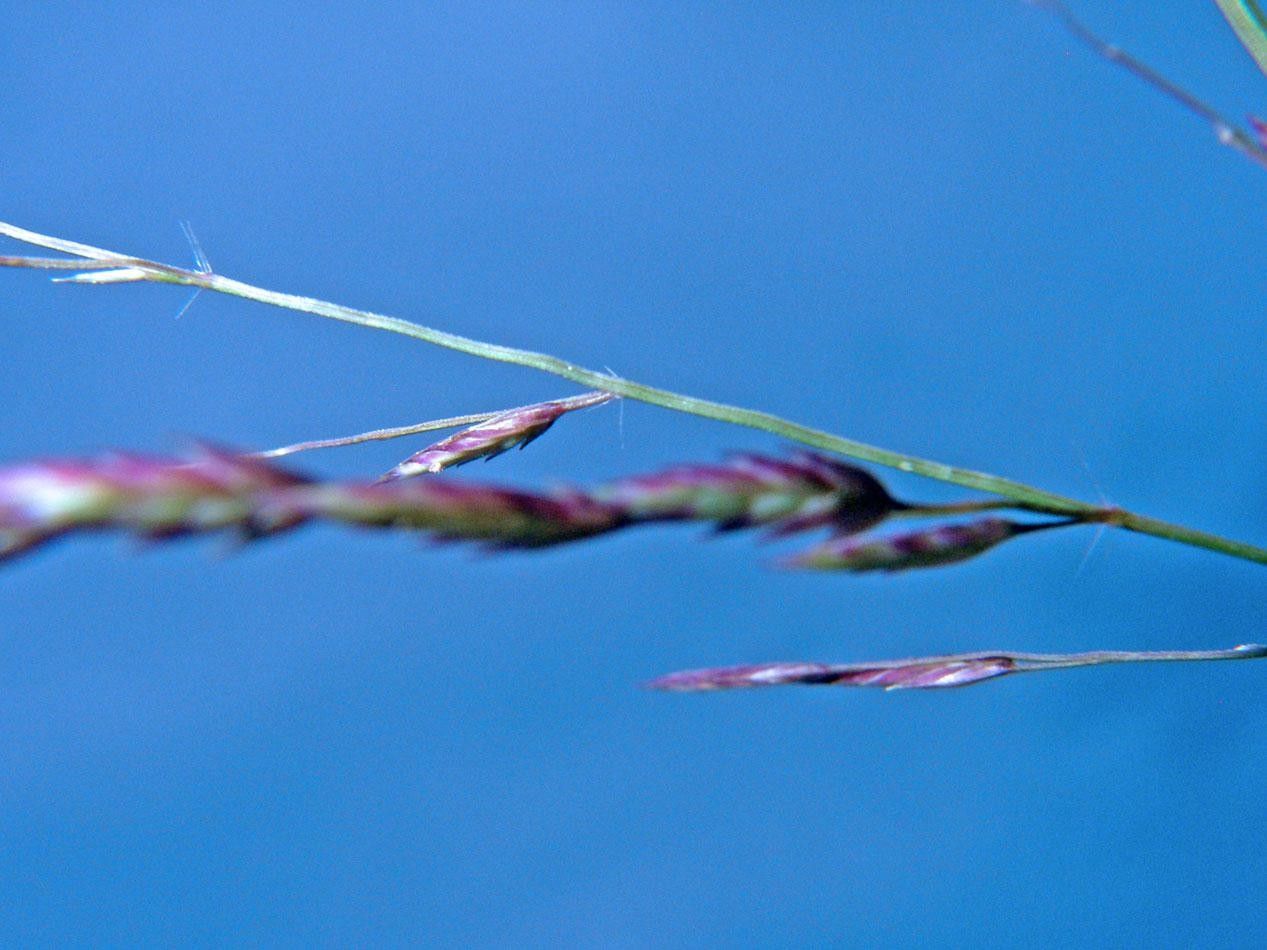
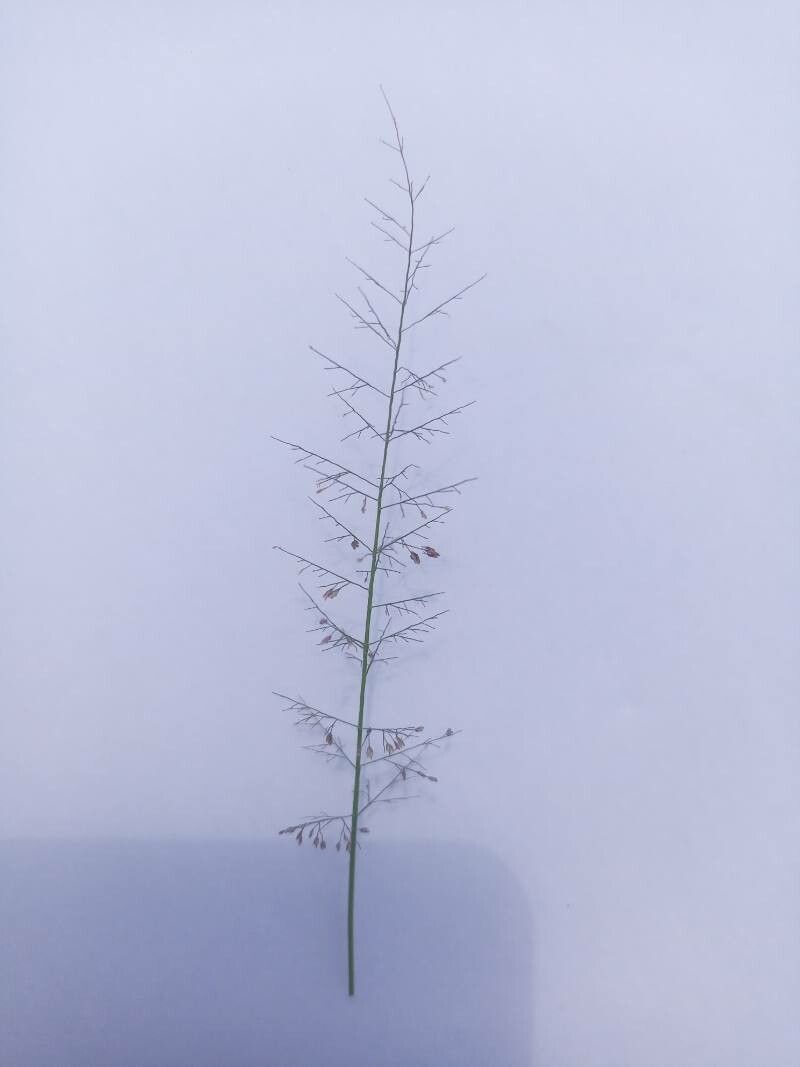
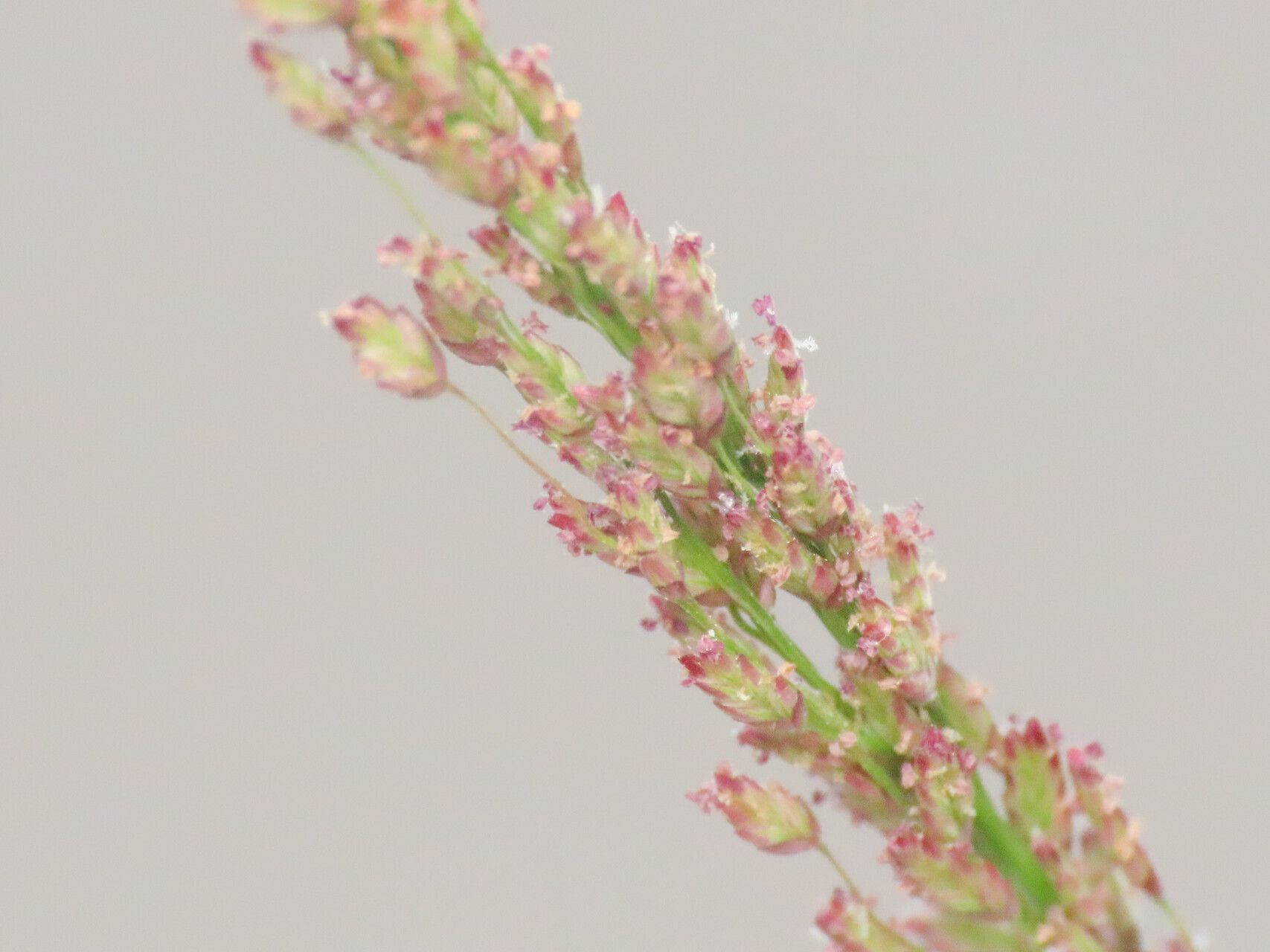
The leaves of Eragrostis plana are narrow, long, and exhibit a bluish-green color. Its inflorescence consists of spikelets arranged in panicles at the top of its stems. These spikelets contain small flowers that produce seeds, which are dispersed by the wind.
Eragrostis plana is a valuable forage grass for livestock grazing due to its high nutritional value and palatability. Additionally, it plays a crucial role in soil conservation by preventing soil erosion and stabilizing soil particles with its extensive root system.
Moreover, Eragrostis plana has been traditionally used by Native American tribes for medicinal purposes, such as treating fever, coughs, and sore throats.
Overall, Eragrostis plana is a resilient grass species with multiple uses, including livestock grazing, soil conservation, and traditional medicinal applications.
South African lovegrass has strong disease resistance and is generally not susceptible to diseases. Regarding care, this plant is relatively low-maintenance. When grown outdoors it needs only minimal watering, and larger plants typically do not require pruning. Smaller plants, however, should be pruned after they have bloomed. South African lovegrass is suitable for anyone with an outdoor area, such as a garden or deck, and does not demand much care experience.
Botanical profile.
- Genus
- Eragrostis
- Family
- Poaceae
- Hardiness Zone
- 6-9
- Native Area
- Malawi, Lesotho, Angola, Mozambique, South Africa, Zambia, Eswatini, Madagascar, Botswana, Zimbabwe