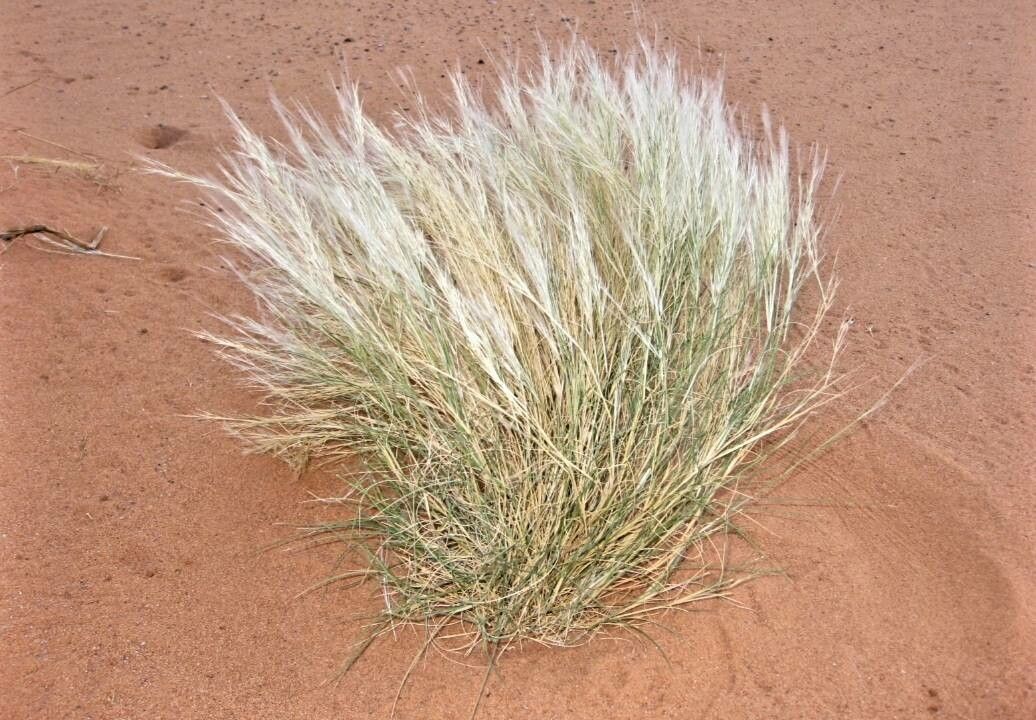
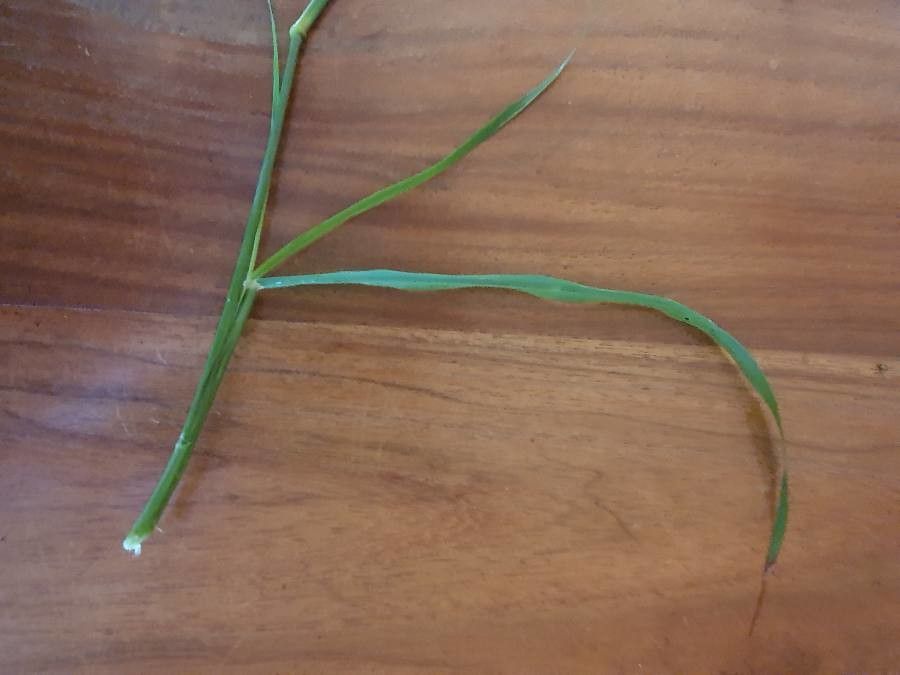
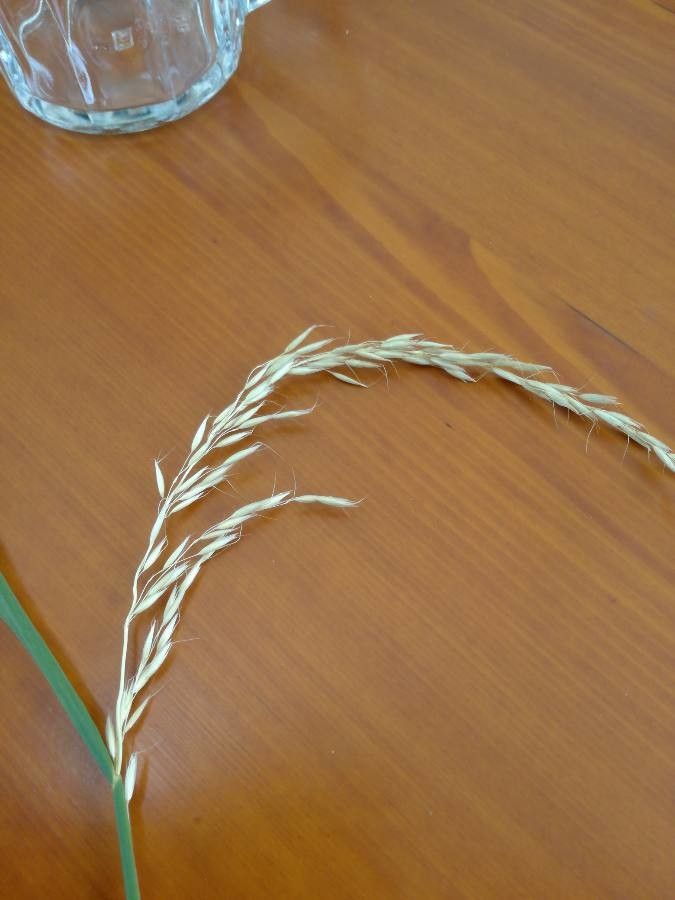
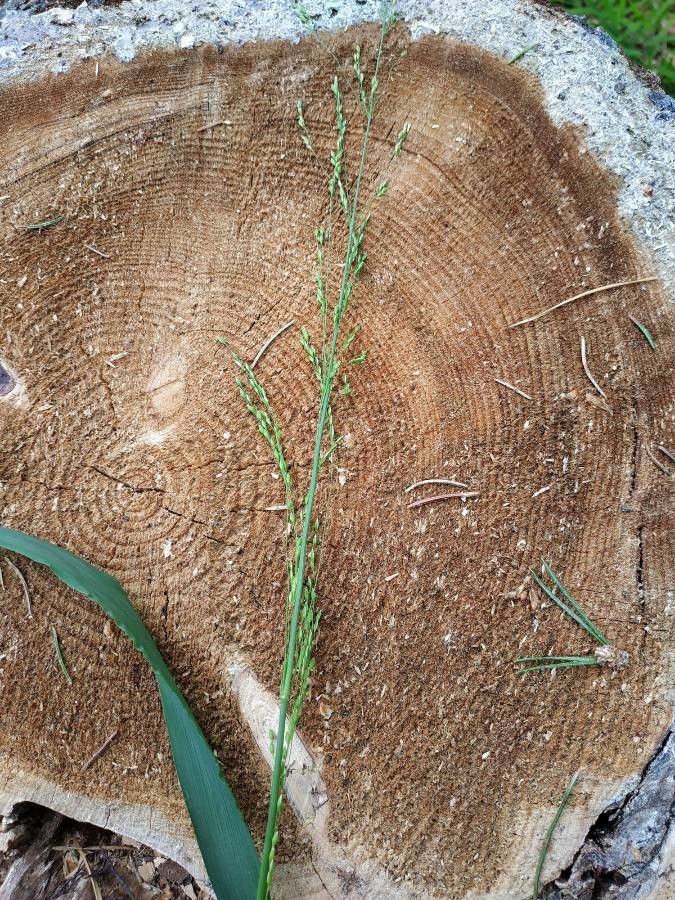
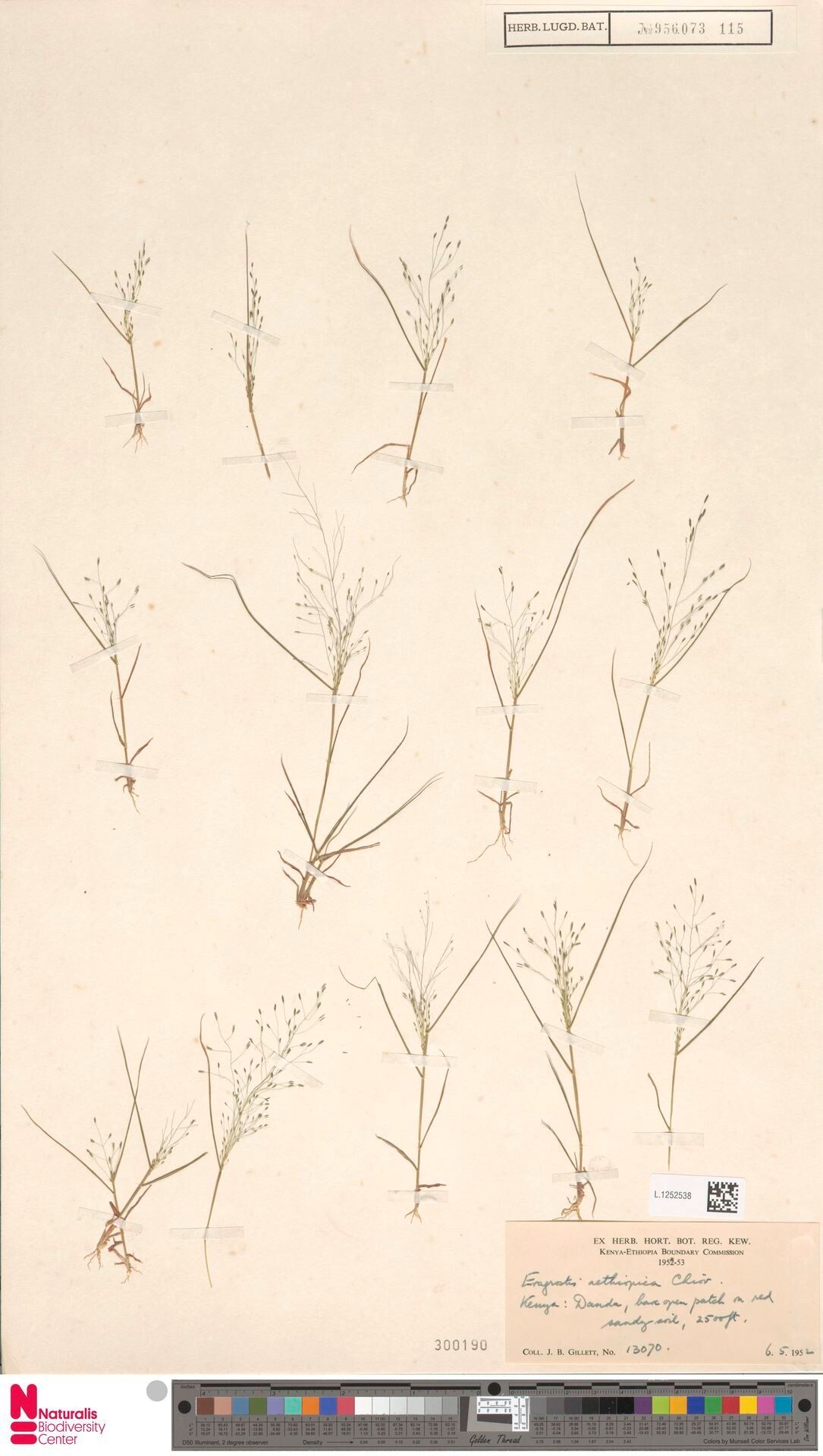
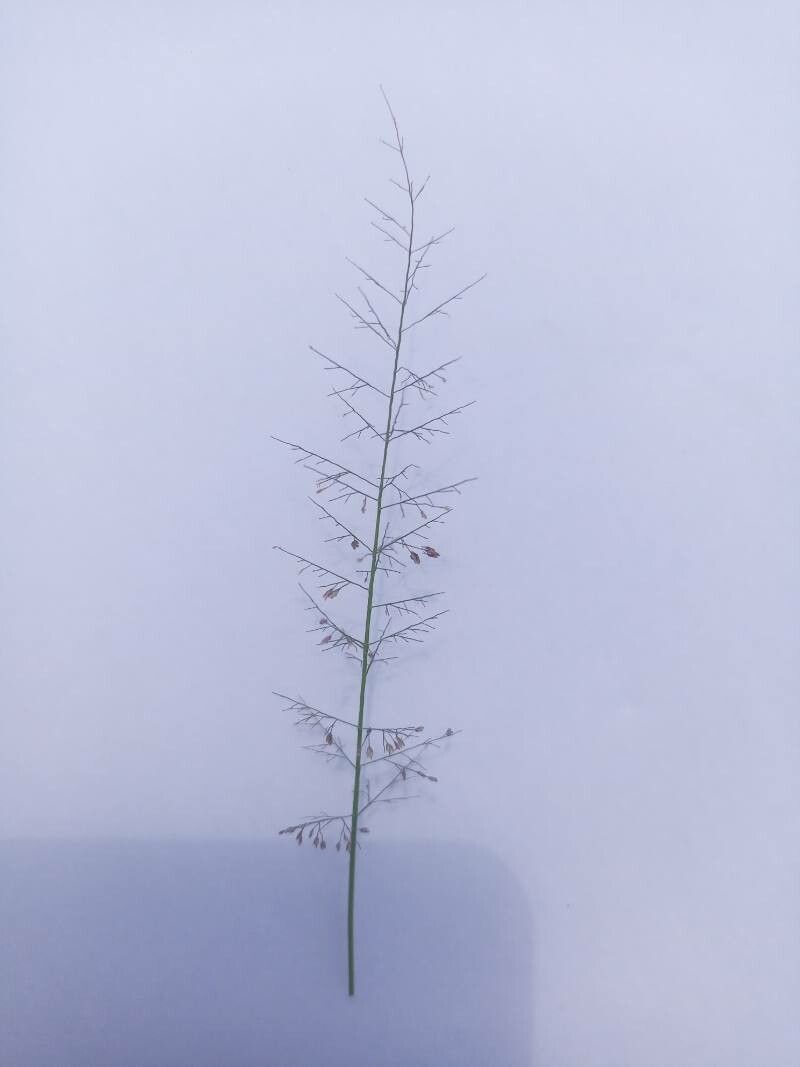
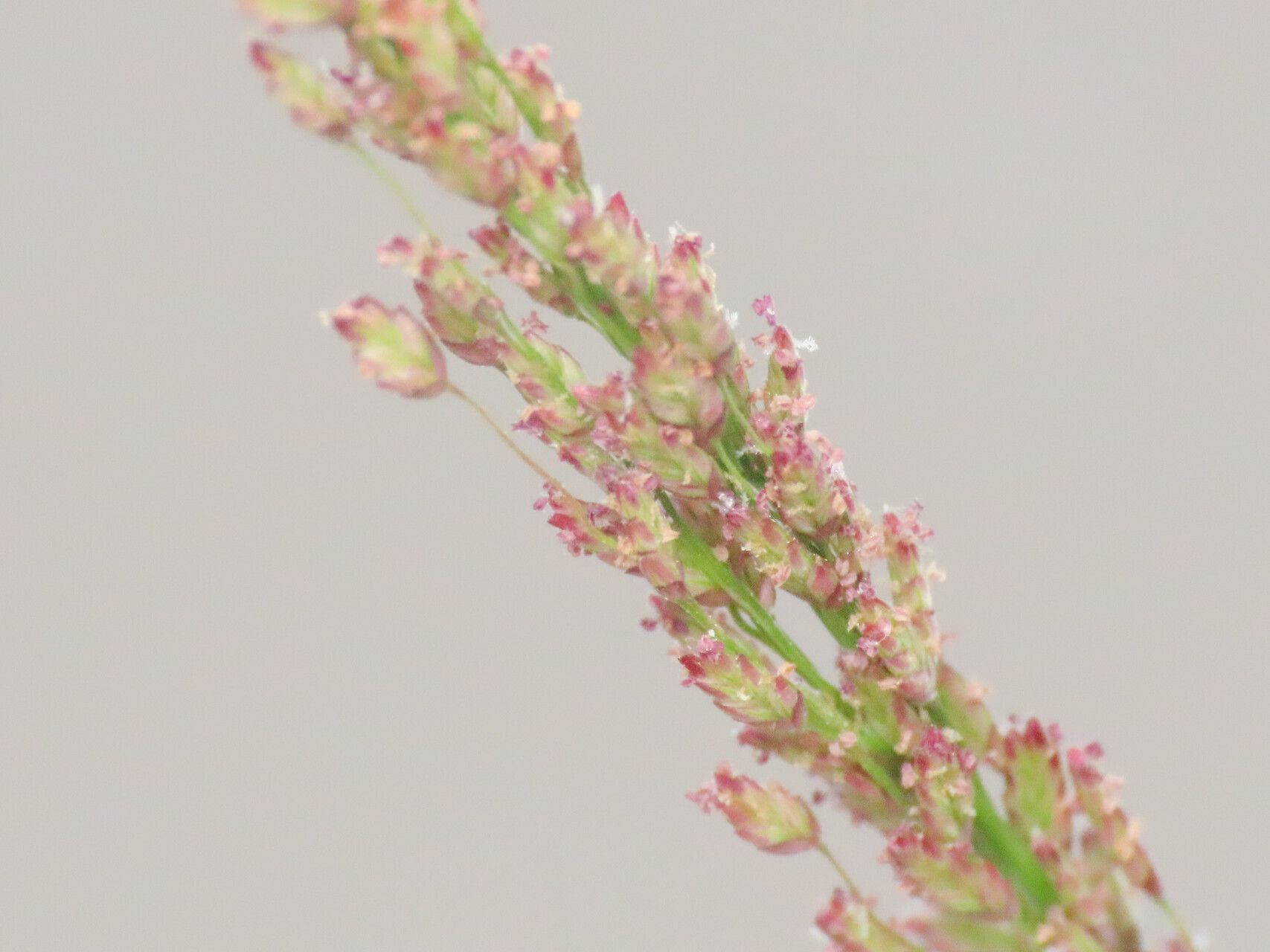
Eragrostis racemosa, commonly known as Veldt Lovegrass, is a perennial grass species within the Poaceae family, native to Africa. It is found in regions such as South Africa, Zimbabwe, and Mozambique. The plant exhibits a tufted growth habit with slender stems that can reach heights of up to 1 meter. Its leaves are narrow, long, and have a bluish-green hue.
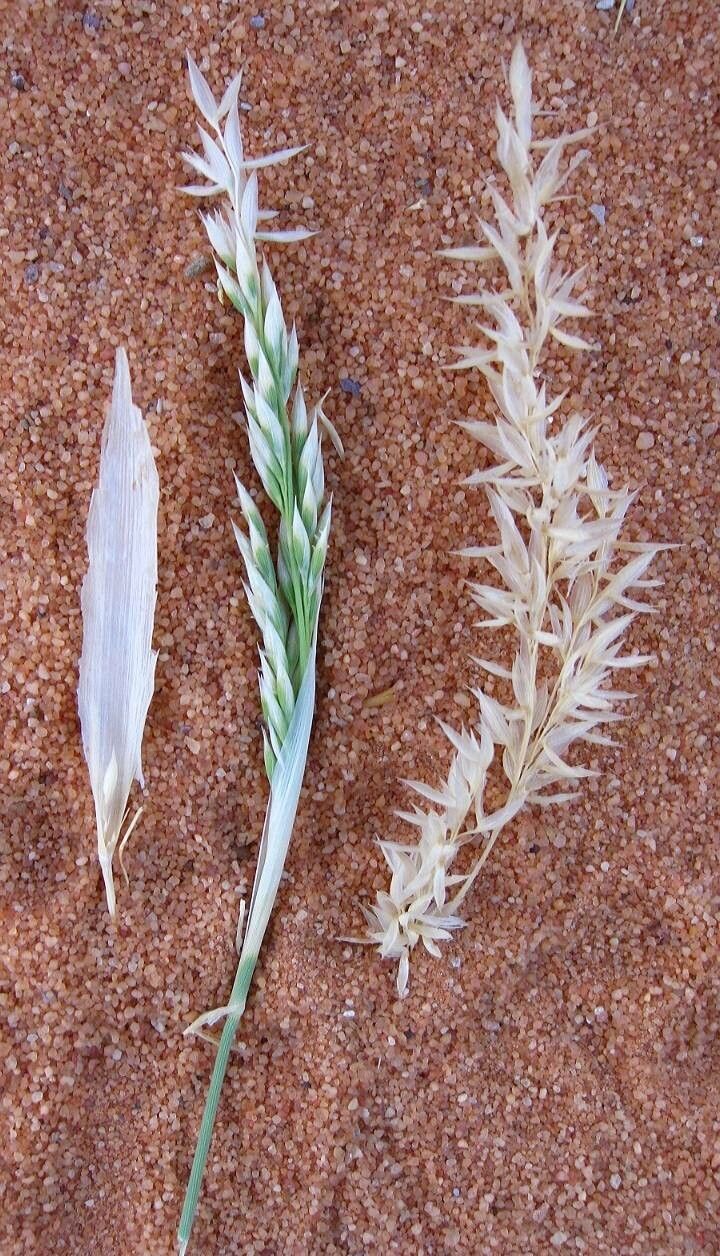
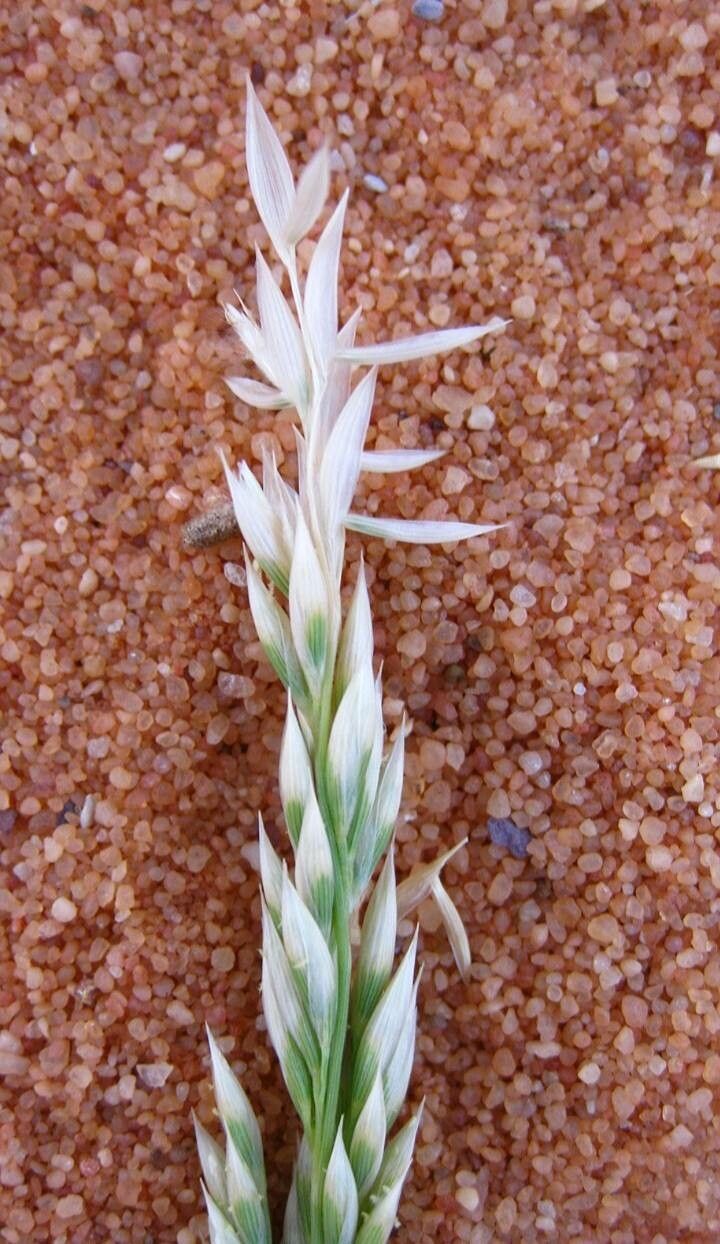
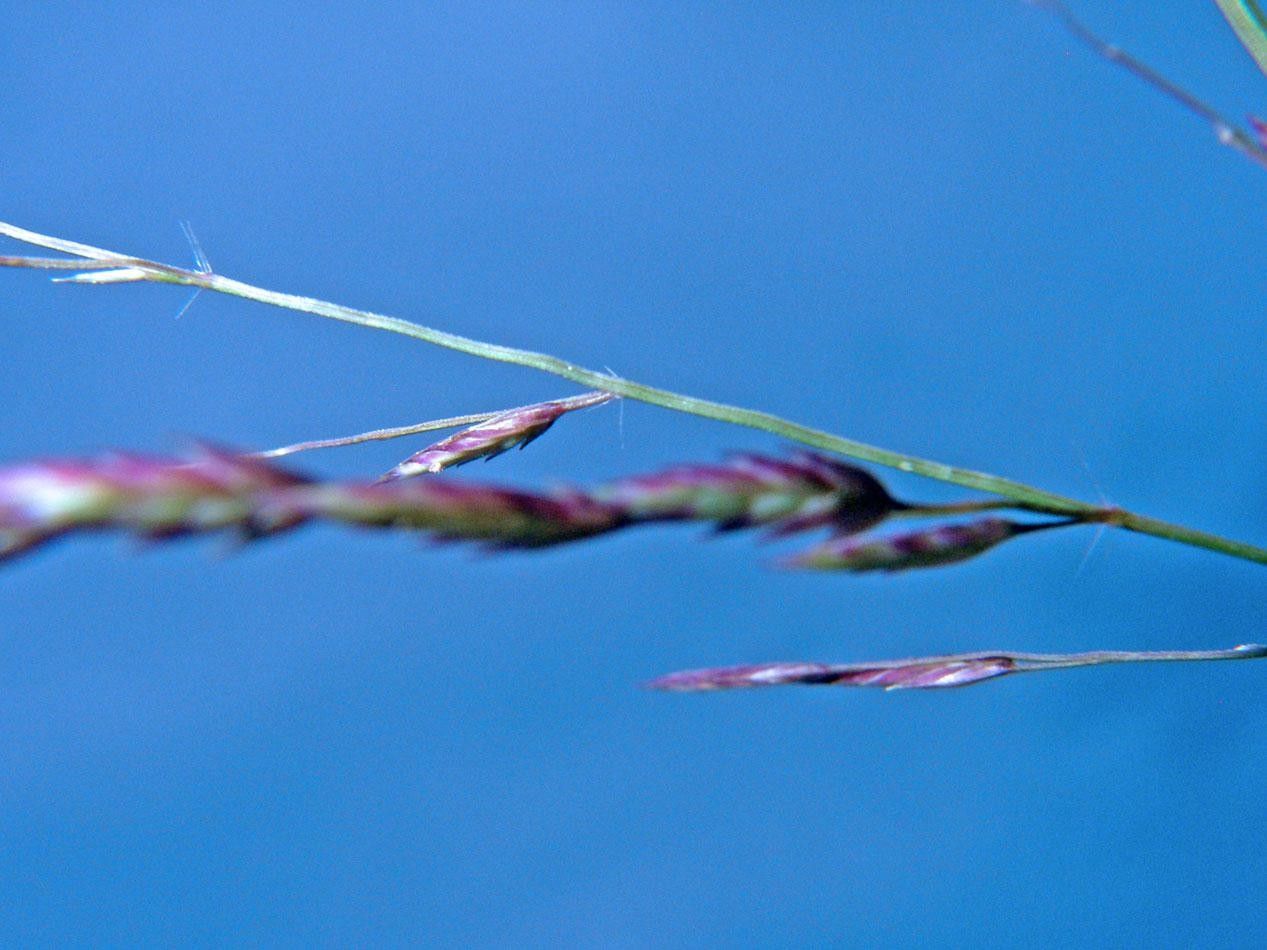
During the summer months, Veldt Lovegrass produces inflorescences arranged in racemes or spikes at the top of its stems. These inflorescences contain small flowers that can be green or purplish-brown.
This plant is valued for grazing purposes due to its high nutritional content, making it beneficial for livestock such as cattle and sheep. Additionally, it possesses medicinal properties and is traditionally used to treat ailments like fever, diarrhea, and dysentery.
Eragrostis racemosa thrives in well-drained soils with moderate moisture levels but is capable of enduring drought conditions once established. It grows best under full sun exposure but can also tolerate partial shade.
Overall, Eragrostis racemosa is an important grass species due to its ecological contributions and economic value in livestock farming across Africa.
Narrow-heart love grass has good disease resistance and is generally not prone to diseases. In terms of care, this plant is relatively low maintenance. When planted outdoors, it requires minimal watering, and larger plants typically do not need pruning. However, smaller plants should be pruned after they have bloomed. Narrow-heart love grass is suitable for anyone with an outdoor space, such as a garden or deck, and does not require a lot of care experience.
How to keep Eragrostis Racemosa.
Light
Narrow-heart love grass comes from bright, open habitats and does best in full sun. It can tolerate some partial shade but favors direct sunlight for optimal growth. This plant, which may be annual or biennial, is known for its sun-loving nature.
Temperature
Narrow-heart love grass comes from tropical areas, where the climate is generally warm and humid. Consequently, it is well suited to high temperatures and humidity. It does not tolerate sudden temperature changes and prefers a stable thermal environment, so avoiding temperature fluctuations indoors is important. It usually cannot endure cold temperatures and needs higher temperatures to grow. If the ambient temperature drops too low, the plant may stop growing or even die.
Botanical profile.
- Plant Type
- Grass
- Life Cycle
- Annual
- Genus
- Eragrostis
- Family
- Poaceae
- Hardiness Zone
- 8-11
- Mature Height
- 30 cm to 76 cm
- Mature Spread
- 20 cm to 40 cm
- Leaf Color
- Green, Light Green
- Leaf Type
- Deciduous
- Bloom Time
- Summer
- Planting Time
- Spring, Summer, Autumn
- Harvest Time
- Late summer, Early fall, Mid fall
- Native Area
- Malawi, Lesotho, Angola, South Africa, Zambia, Sudan, Rwanda, Madagascar, Eritrea, Kenya, Uganda, Tanzania, Zimbabwe, Burundi, Mozambique, Eswatini, Ethiopia, Congo (DRC)
Other names.