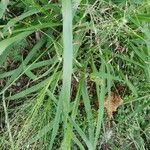
Eragrostis spectabilis
Purple love grass · Petticoat-Climber · Purple lovegrass · Tumblegrass Lovegrass · Tickle Me Purple
Description
Source: leafsnapEragrostis spectabilis, commonly known as purple love grass, is a perennial grass species belonging to the Poaceae family. Native to North America, it thrives in various habitats such as prairies, meadows, and open woodlands. The plant typically reaches a height of 2 to 3 feet and grows in clumps with narrow green leaves that turn purple or reddish-brown in the fall. The inflorescence of Eragrostis spectabilis is made up of dense clusters of tiny, pink or purplish flowers. Purple love grass is highly valued for its ornamental appeal, thanks to its striking foliage and flowers. Additionally, it serves as an important food source for various wildlife, including birds and small mammals. In terms of cultivation, Eragrostis spectabilis prefers well-drained soils and full sun exposure, but it can also tolerate partial shade. It requires moderate watering during the growing season but is drought-resistant once established. Overall, Eragrostis spectabilis is a beautiful ornamental plant with ecological significance, making it a valuable addition to any landscape.
🌳 Purple lovegrass may not have many well-known uses, but it is notable for ecological services that are seldom highlighted. Researchers have found it may have potential for soil remediation. Showing an affinity for certain heavy metals, purple lovegrass can indicate the concentration of those elements in the soil, suggesting a natural way to assess and even remove unwanted substances from polluted soils in future applications.
Care Guide
💧 Water Every 7 days
Purple lovegrass is a resilient plant that thrives in grasslands, thanks to its high drought tolerance. During its growth period, it only needs to be watered twice a week. This grass adapts well to varying moisture levels and flourishes outdoors in well-draining soil, which prevents waterlogging and promotes healthy growth cycles.
What do I need to do if I give too much or too little water to my Purple lovegrass?
Proper watering is essential for the optimal growth of this beautiful ornamental grass. If planted in the ground, watering issues can be addressed, but in a container, excessive or insufficient water can quickly kill Purple lovegrass. When Purple lovegrass doesn't receive the right amount of water, it may cease to grow. If overwatered, it will develop yellow leaves with brown tips, while underwatering can result in drooping leaves, weak seed head production, and browned leaves. If you suspect incorrect watering, the first step is to determine whether there is too much or too little water. If there is excessive water, immediately stop watering and be patient as heavy soils may take time to dry out. Once you notice new growth, test the soil for moisture and decide whether it requires additional watering. On the other hand, if Purple lovegrass is receiving too little water, simply provide it with a deep drink and observe if it improves. Always remember that a long, deep watering is preferable to frequent, shallow waterings. This encourages the growth of deep roots, making the grass more resistant to drought and less susceptible to watering-related problems.
How frequently should I water my Purple lovegrass plant?
The watering needs of Purple lovegrass will vary depending on where it is planted. Generally, it is recommended to water this grass once a week. However, in hot climates, watering once or twice a week in the summer may be necessary. In moderate climates, watering once every seven days or more may be sufficient. Grass in containers generally require more frequent watering compared to grasses planted in the ground. The location also plays a role, as shaded grasses require less frequent watering than grasses in the ground. Purple lovegrass should only be watered when the soil is dry. To determine if the soil is dry, you can press your finger a couple of inches into the soil or weigh the grass if it is in a pot. Signs of insufficient water include folded and thin blades. Despite its drought tolerance, regular and deep waterings will result in beautiful color. Although Purple lovegrass can handle harsh and dry conditions, it still requires care and attention. When first planted, it will need more frequent water until it establishes deep roots. For potted Purple lovegrass, the soil dries out quickly, especially in direct sun. Test the soil every few days and water only when it feels dry. Purple lovegrass in the ground generally needs less watering, but this depends on the soil type. Clay soil retains moisture below the surface even if it feels dry on the top, while sandy soil drains quickly and will require more frequent watering.
What do I need to be careful about when watering my Purple lovegrass in different seasons, climates, or during different stages of growth?
To determine if you are watering enough, pay attention to how fast your grass is growing. Purple lovegrass, for example, can double in size within a year during the hottest months. If the weather is hot but the grass is not growing well, you may need to adjust your watering schedule. In winter, you might only need to water once a month, but it's still a good idea to check the soil for moisture. Generally, the grass will need more water during a growth cycle in the warmer months, but the need for water will greatly decrease in winter and cooler months. Remember to let the soil dry out completely before adding water to Purple lovegrass.
☀️ Light Full sun
Purple lovegrass needs plenty of light to perform best and prospers in full sun. Although it can tolerate dimmer conditions, too little sunlight may stop its growth. Native to open, sun-exposed areas, purple lovegrass has evolved to withstand strong light without being harmed.
What are the sunlight requirements for purple lovegrass?
Purple lovegrass thrives best when exposed to full sun, requiring more than 6 hours of sunlight daily. However, it can also grow under partial sun conditions, which means around 3-6 hours of sunlight daily. It's important to observe the movement of sunlight through your garden to find spots that offer the right balance of light and shade, ensuring your plants' well-being. Optimal growth and health of purple lovegrass are achieved with ample light exposure, characteristic of its origin in areas with open sunlight.
Can purple lovegrass grow under artificial lighting?
Yes, purple lovegrass can grow under artificial lighting, especially when natural sunlight is insufficient, like during winter or in less sunny spaces. Indoor plants benefit from additional light sources for healthier, faster growth. LED lights are recommended for their ability to provide specific light wavelengths needed by the plants. Full sun plants require 30-50W/sq ft, partial sun plants need 20-30W/sq ft, and full shade plants need 10-20W/sq ft of artificial light. The light source should be placed 12-36 inches above the plant to mimic natural sunlight, and most plants need between 8-12 hours of light per day.
What are the symptoms of inadequate lighting for purple lovegrass?
Inadequate lighting can lead to several symptoms in purple lovegrass, including smaller new leaves, leggy or sparse growth, faster leaf drop, slower or no new growth, and pale-colored or chlorotic leaves. Excessive sunlight exposure may cause sunscald, leaf curling, wilting, and leaf scorching. These symptoms result from the plant's inability to maintain its growth or health due to insufficient or excessive light.
How can you address light-related issues for purple lovegrass?
To optimize purple lovegrass's growth in response to light-related issues, you can employ several strategies. Indoors, gradually increase the plant's exposure to sunlight or use artificial lighting to ensure it receives at least 6 hours of direct sunlight daily. Outdoors, move the plants to sunnier spots gradually to prevent sunburn. If sunlight is obstructed, consider pruning or transplanting to a better location. Remember, parts of the plant already affected by insufficient light may not recover, but new growth will be healthy with improved light conditions.
🌡️ Temperature 5–35°C
Purple lovegrass prefers temperatures between 41 and 95 °F (5 and 35 °C), a range typical of its native habitat. It tolerates temperature fluctuations and adapts to changes in temperature. In colder seasons, it is recommended to cover the plant to protect it from frost.
What are the ideal temperature conditions for Purple Lovegrass?
Purple lovegrass thrives in temperatures that range from 41 to 95°F (5 to 35°C), which are typical for its natural habitat. The plant is quite adaptable to temperature fluctuations and can endure cold well. Despite its strong cold resistance, it's advisable to protect the plant from frost by covering it during colder seasons. If temperatures are expected to dip below -25°C, additional cold protection should be provided with coverings such as soil or straw. Prior to the first freeze of autumn, it's beneficial to water the plant thoroughly to ensure the soil is moist and enters a frozen state, helping to prevent water scarcity during the winter and early spring.
How does Purple Lovegrass handle low temperature and what are the recommended solutions if it's affected?
Purple Lovegrass is notable for its cold tolerance, ideally growing in environments where the temperature remains above 5°C and should be kept from dropping below -20°C. Despite its resilience, when temperatures fall beneath -25°C, the plant might not exhibit immediate symptoms during winter, but a decrease in sprouting, or even a complete lack of sprouting, can occur come spring. If the plant struggles to sprout in spring, it's recommended to remove any parts that have failed to do so, facilitating healthier growth.
What should be done if Purple Lovegrass experiences high temperatures?
During the summer, keeping Purple Lovegrass below 35°C is ideal. Temperatures exceeding 38°C can lead to lighter-colored leaves, increased susceptibility to curling and sunburn, and, in severe cases, the entire plant may wilt and dry out. To mitigate these effects, remove the sunburned and dried parts. Transferring the plant to a shadier spot or using shade cloth can protect it from midday and afternoon sun. Additionally, watering the plant in the morning and evening can help maintain soil moisture and support the plant's health.
💨 Humidity
🪴 Soil 5-6
🌱 Fertilizer
Purple lovegrass needs additional nutrients to encourage healthy new growth. In spring, adding compost around the plant’s base will effectively supply the nutrition it requires. Fertilizing helps support vigorous growth and improves the plant’s resistance to diseases and pests.
Why do I have to put fertilizer on my Purple lovegrass?
Fertilizing Purple lovegrass is essential because it provides your plant with essential nutrients for healthy growth. These nutrients not only benefit new growth but also strengthen existing growth, making your plant more resilient against diseases and pests.
When should I fertilize my Purple lovegrass for the best results?
To ensure the survival of Purple lovegrass in your garden, it's important to know when to fertilize. This plant doesn't need a lot of nutrients and doesn't require additional fertilization when it's dying back. While you can apply diluted fertilizer at the beginning of the growing season, it's not recommended. Instead, it's better to lay down mulch or compost around the base of the plant.
When should I not put fertilizer on my Purple lovegrass?
If you don't use packaged fertilizers, you won't have to worry about when to stop feeding Purple lovegrass. Simply adding compost or mulch in the spring is sufficient to keep Purple lovegrass happy all year. No need to concern yourself with mulching or composting during the plant's dormant winter period.
What kind of fertilizer does my Purple lovegrass plant need?
You don't have to rush to buy fertilizer from the garden center for purple lovegrass because it doesn't require extra nutrients. Instead, in the spring, you can simply apply a layer of compost which will provide the necessary nutrients. Additionally, if you regularly mulch your garden, the bark will also help keep your plant well-nourished and content.
How can I help you fertilize your Purple lovegrass?
The steps for using mulch or compost with Purple lovegrass are simple. First, cover the plant's base with a layer of the material, ensuring it is properly spread. If you decide to use both mediums, reduce the amount of compost. Additionally, applying a layer of mulch has dual benefits: it helps the soil retain moisture and provides nutrients for your plant.
🪴 Pot & Repot 2-3 years
When repotting Purple lovegrass, select a pot 1–2 inches (2.5–5.1 cm) larger with ample drainage. Use a well-draining potting mix. Repot in spring or fall, making sure the root ball sits slightly below the rim of the flower pot. Water thoroughly after repotting, then place it in a warm spot with indirect sunlight.
✂️ Pruning
🌿 Propagating
🐛 Diseases & pets
☠️ Toxicity
Characteristics
- Plant Type
- Grass
- Life Cycle
- Perennial
- Genus
- Eragrostis
- Family
- Poaceae
- Hardiness Zone
- 5-9
- Mature Height
- 30 cm to 76 cm
- Mature Spread
- 30 cm to 61 cm
- Leaf Color
- Green, Blue
- Leaf Type
- Deciduous
- Flower Color
- Red, Brown, Purple, Violet
- Flower Size
- 15.24 cm to 33.53 cm
- Bloom Time
- Mid summer
- Planting Time
- Spring, Summer
- Harvest Time
- Mid summer, Late summer
- Native Area
- Mexico