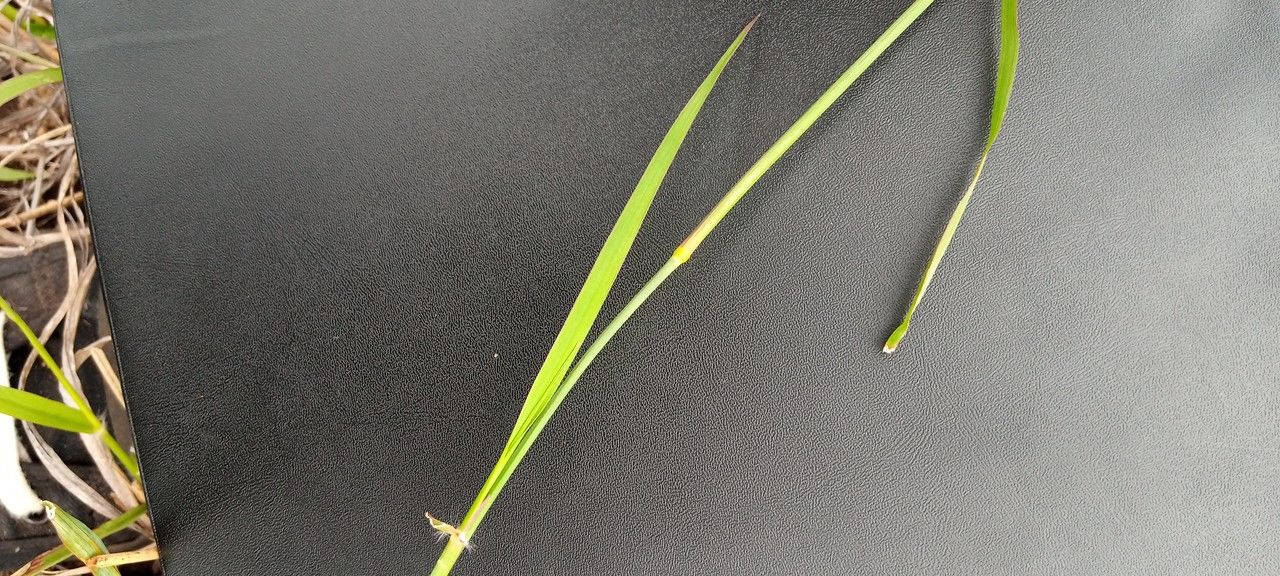
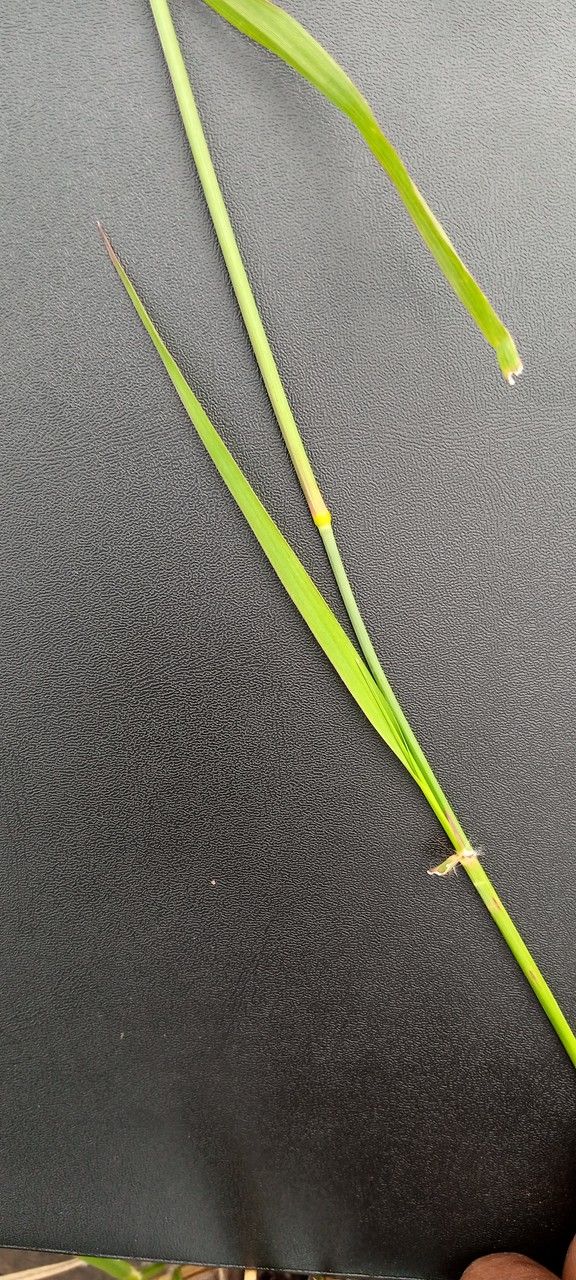
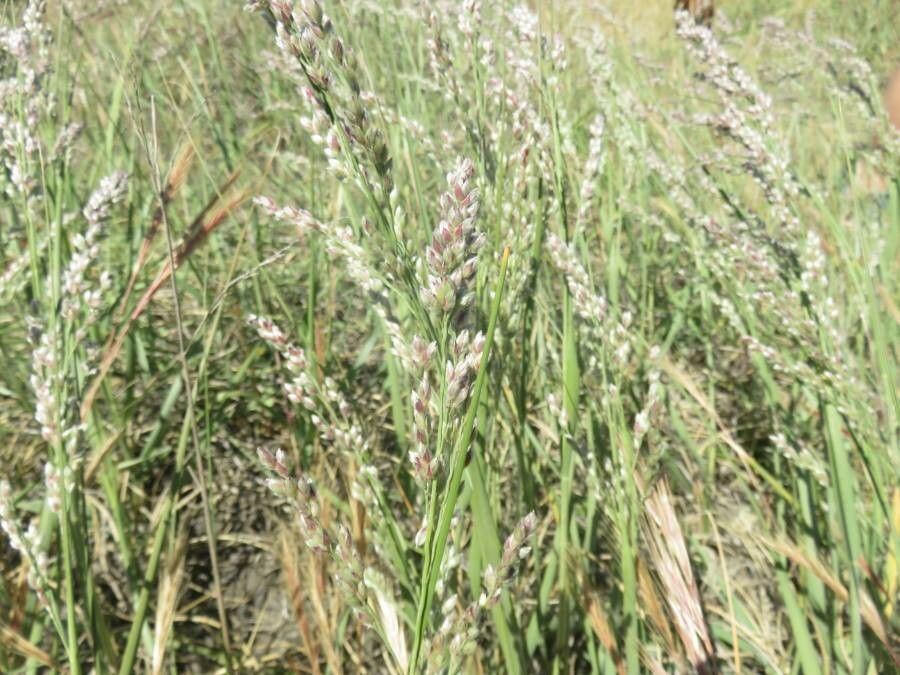
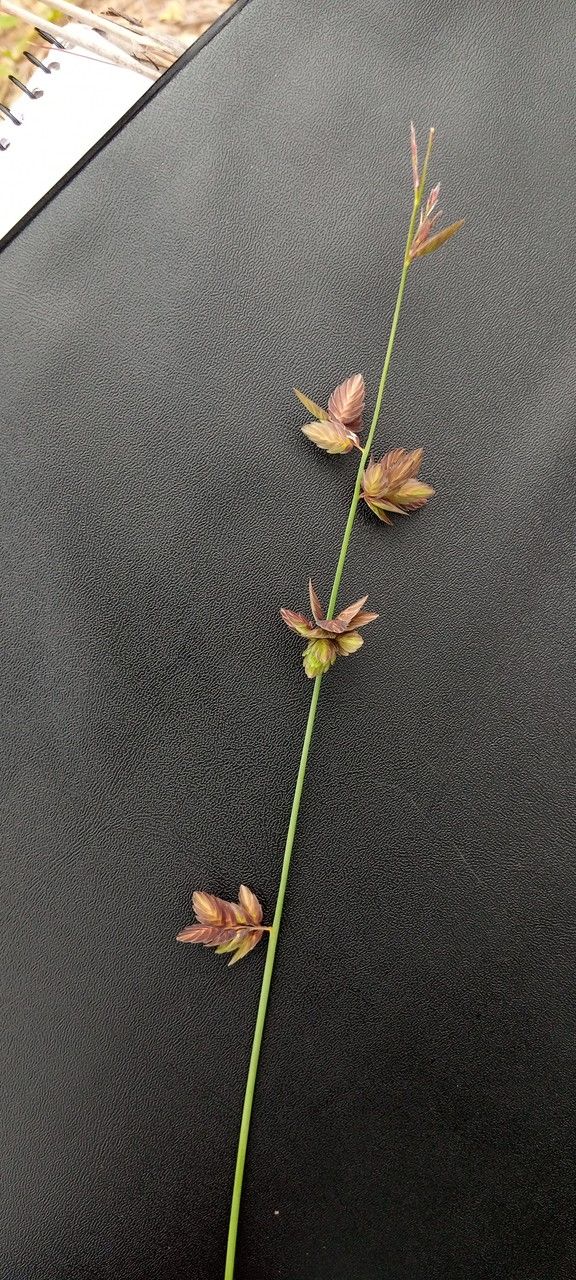
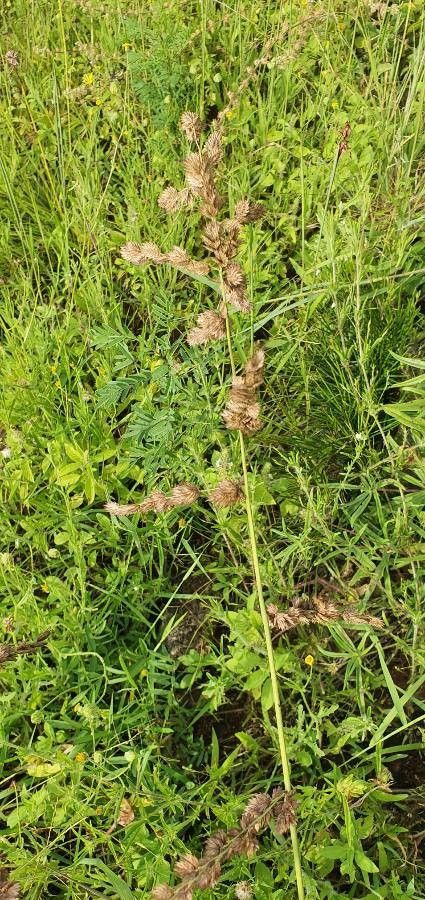
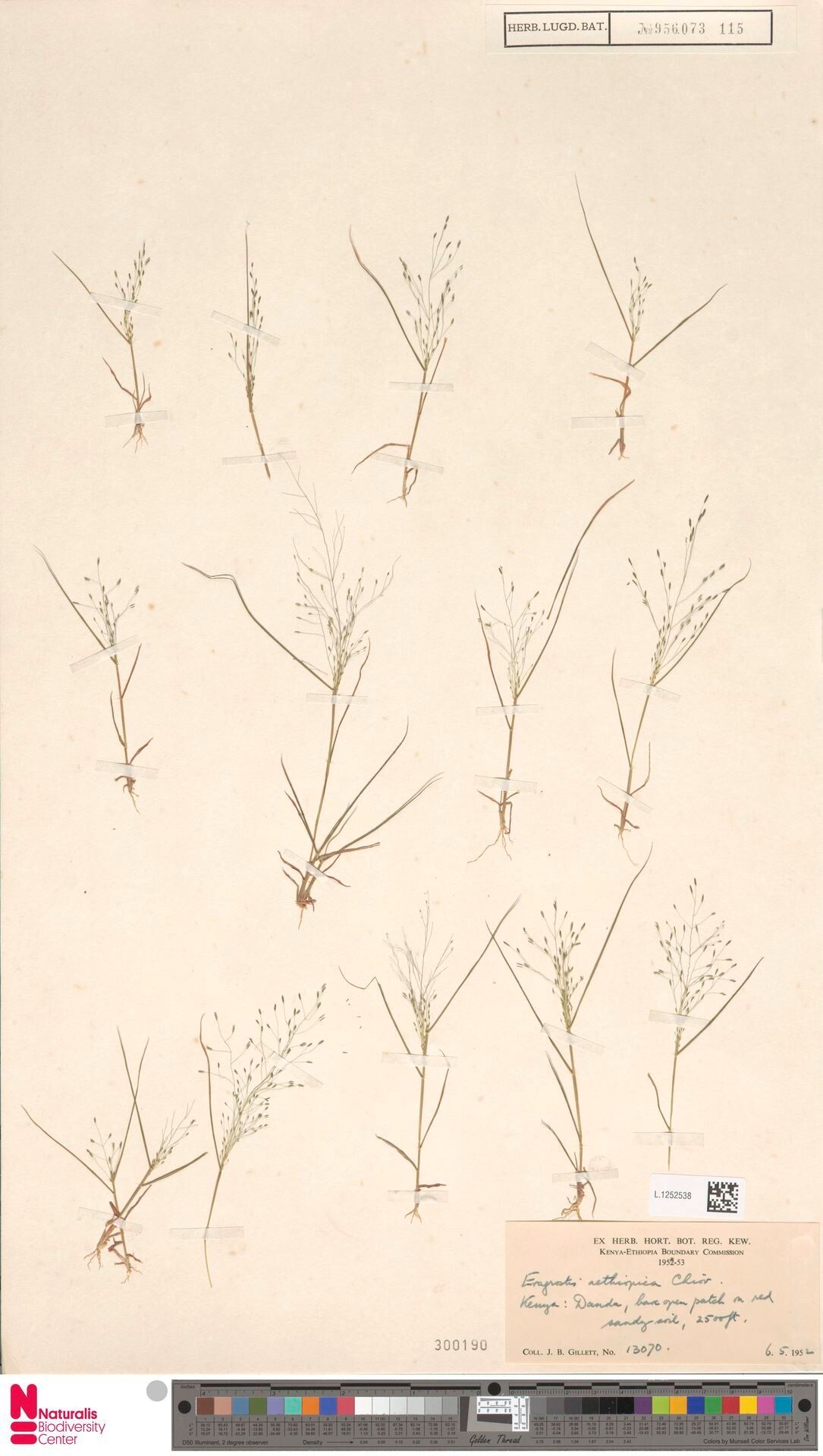
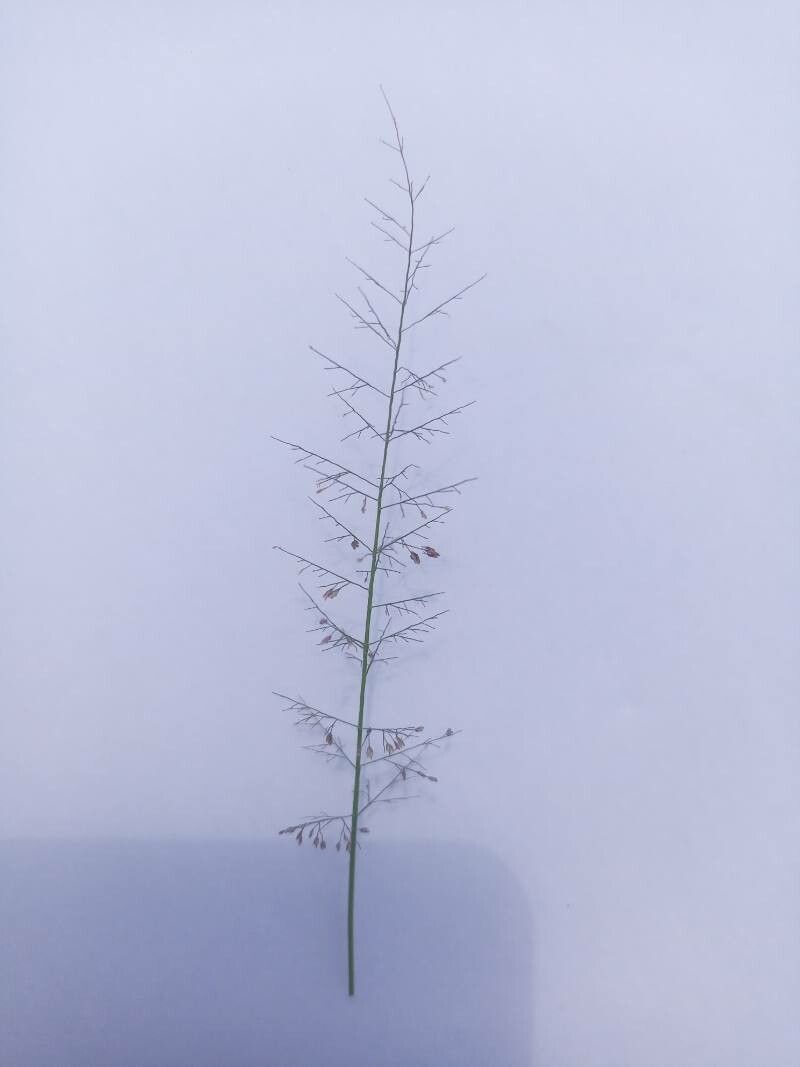
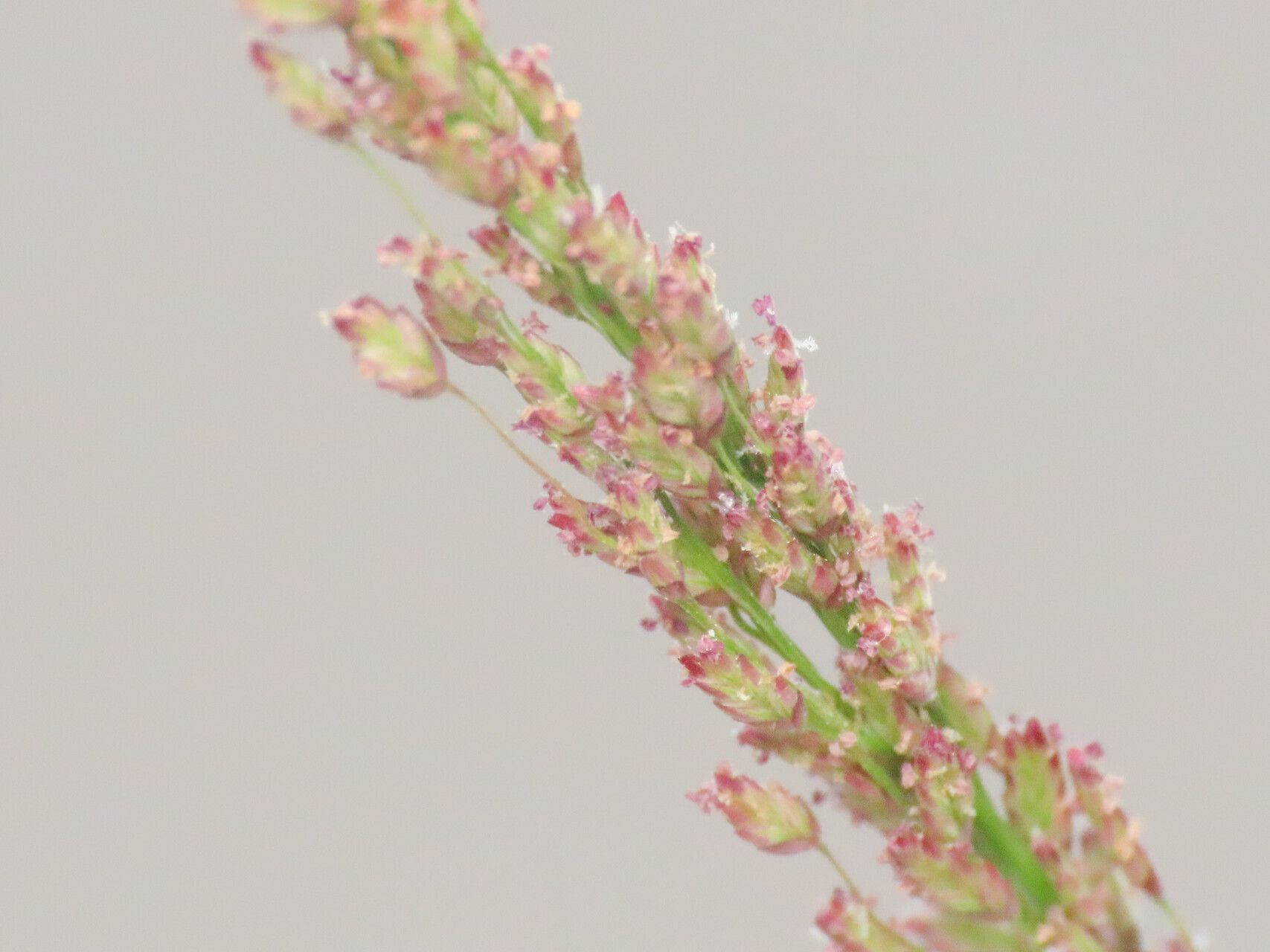
Eragrostis superba, commonly known as superb lovegrass, is a perennial grass species belonging to the Poaceae family. Native to Africa, it thrives in regions such as Ethiopia, Kenya, Tanzania, and Uganda. The plant can grow up to 1 meter tall, featuring a dense tuft of leaves at its base.
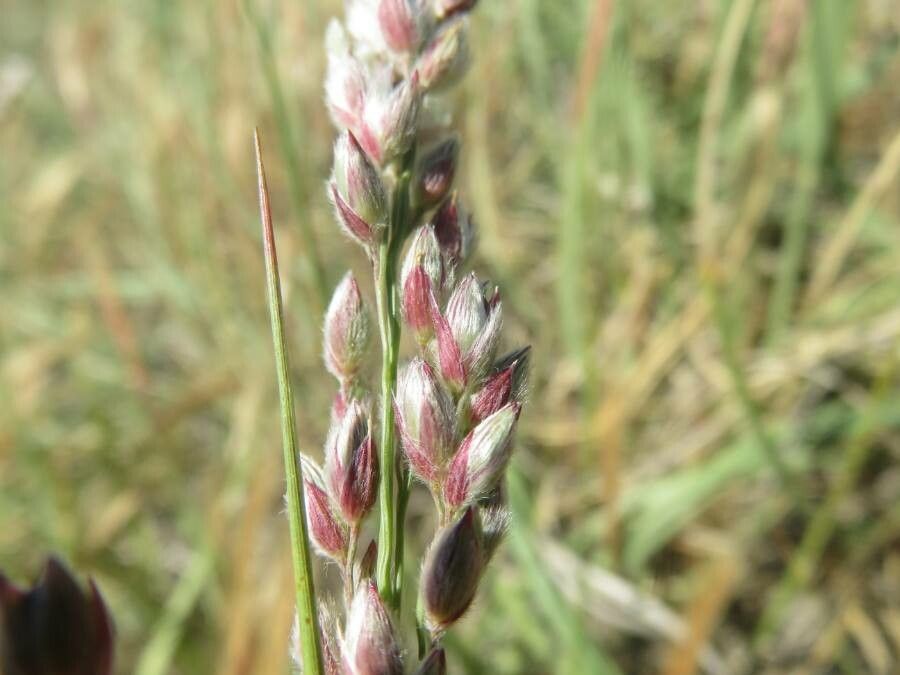
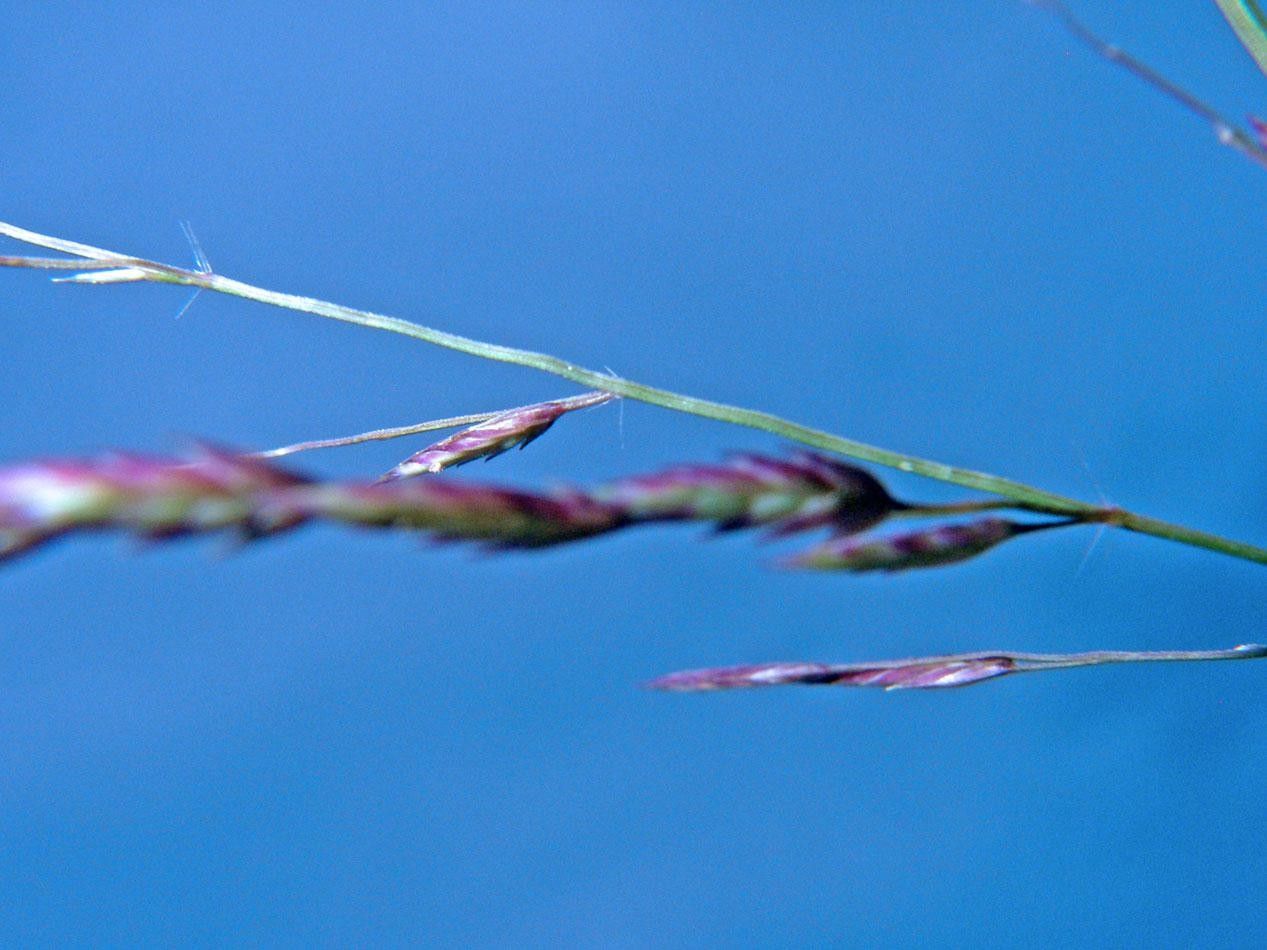
Superb lovegrass has long, slender stems topped with delicate clusters of small flowers, typically pink or purple, which bloom from late summer through fall. The plant prefers well-drained soils with moderate moisture but can also tolerate drought conditions.
Eragrostis superba is a valuable forage grass for livestock due to its high nutritional content. Additionally, it plays a crucial role in soil conservation, preventing erosion with its extensive root system.
Beyond its practical uses, Eragrostis superba offers ornamental value. Its attractive flower clusters make it a popular choice for landscaping projects.
Overall, Eragrostis superba is a versatile plant species that provides both practical benefits and aesthetic appeal, making it an important component of many ecosystems across Africa.
Wilman lovegrass is resistant to disease and, in general, not prone to illnesses. Regarding care, this plant is fairly low-maintenance. Planted outdoors it needs little watering, and larger specimens usually do not require pruning. Small plants, however, should be pruned once they have finished blooming. Wilman lovegrasst is suitable for anyone with an outdoor area, such as a garden or deck, and does not require much plant-care experience.
How to keep Eragrostis Superba.
Light
Wilman lovegrass does best with abundant sunshine, which encourages strong growth. Its native habitat also had continuous, direct sunlight. Although wilman lovegrass can tolerate times of lower light, those conditions can negatively affect its greenness and vigor.
Temperature
Wilman lovegrass is a plant that grows best in temperate conditions, ideally between 59 to 100.4°F (15 to 38℃). The foliage usually prefers its native habitat. Adjusting temperatures seasonally can help sustain its vitality.
Fertilizer
Wilman lovegrass needs extra nutrients to encourage healthy new growth. In spring, placing compost around the plant’s base can effectively supply the nutrition it needs. Fertilizing helps support vigorous growth and improves the plant’s resistance to diseases and pests.
Pruning
Wilman lovegrass is a drought-tolerant native plant known for its fine-textured green foliage. To encourage new growth, prune it in early spring by trimming the dead stems down to ground level. Be careful not to prune too heavily, as this can stress the plant. Removing old foliage helps improve air circulation and reduces the risk of disease.
Botanical profile.
- Plant Type
- Grass
- Life Cycle
- Perennial
- Genus
- Eragrostis
- Family
- Poaceae
- Hardiness Zone
- 8-11
- Mature Height
- 1.07 m
- Mature Spread
- 1.22 m
- Leaf Color
- Green
- Leaf Type
- Semi-evergreen
- Flower Color
- Yellow
- Flower Size
- 0.51 cm to 2.29 cm
- Bloom Time
- Summer, Early fall, Mid fall
- Planting Time
- Spring, Autumn
- Harvest Time
- Late summer, Fall, Early winter
- Native Area
- Burkina Faso, Malawi, Somalia, Angola, Namibia, South Africa, Zambia, Eritrea, Sudan, Gabon, Kenya, Uganda, Tanzania, Zimbabwe, Benin, Mozambique, Eswatini, Ethiopia, Congo (DRC), Botswana, Congo
Other names.