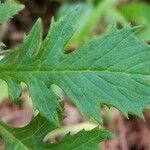
Erechtites valerianifolius
Brazilian fireweed · Ceylon thistle · Tropical Burnweed · Malayan fireweed
Description
Source: leafsnapErechtites valerianifolius, common name tropical burnweed is a New World species of plants in the sunflower family. It is native to Mexico, Central America, South America, and the West Indies. It is also naturalized as a weed in much of the tropical Old World.
Care Guide
💧 Water
Tropical burnweed flourishes in moist environments, needing consistent hydration and evenly damp soil. To maintain the necessary moisture, water the plant once a week. In humid climates, when grown outdoors, tropical burnweed benefits from rainwater and demonstrates strong growth during the wetter parts of its growing season.
☀️ Light Full sun
Tropical burnweed needs uninterrupted exposure to sunlight to remain in good health. Native to a place with constant sun, it does best in bright, intense light. This requirement stays the same through all growth stages. Too much sun seldom causes harm, but inadequate sunlight can slow its growth.
What are the sunlight requirements for Tropical Burnweed?
Tropical Burnweed (Erechtites valerianifolius) requires full sun exposure of above 6 hours of sunlight daily for optimal health. It is vital to observe how sunlight moves through your garden to ensure that you choose locations that offer a perfect balance between light and shade, accommodating the plant's needs effectively. Originating from a habitat with abundant sunlight, Tropical Burnweed thrives under intense lighting conditions; different growth stages do not alter this requirement. While overexposure is rarely a concern, insufficient sunlight may impede its growth.
How can I support my Tropical Burnweed's growth with artificial lighting?
For indoor Tropical Burnweed plants or when natural sunlight is insufficient, particularly in winter or less sunny spaces, artificial lighting is crucial. Efficient growth is promoted by using lights such as LED, which can provide specific wavelengths needed by plants. For full sun plants, 30-50W per square foot is recommended; for partial sun plants, 20-30W per square foot; and for full shade plants, 10-20W per square foot. The artificial light source should be placed 12-36 inches above the plant to mimic the effects of natural sunlight, and most plants will require 8-12 hours of light per day.
What are the symptoms of insufficient light in Tropical Burnweed?
When Tropical Burnweed does not receive adequate light, it may exhibit several symptoms indicating light deficiency. These include the development of smaller leaves, leggy or sparse growth, accelerated leaf drop, stunted new growth or complete cessation of growth, lighter-colored new leaves, and conditions like chlorosis (leaf yellowing due to lack of chlorophyll), sunscald (damaged leaves or stems from intense exposure), leaf curling (a mechanism to reduce surface area exposed to the sun), wilting (loss of turgor pressure), and leaf scorching (brown, dry edges on leaves).
How do I address light deficiency issues for Tropical Burnweed both indoors and outdoors?
To mitigate light deficiency for Tropical Burnweed, gradually accustom plants to more sunlight by moving them to sunnier spots each week until they receive at least 6 hours of direct sunlight daily. For indoor plants that are large or not easily movable, consider artificial lighting solutions, keeping lamps on for at least 8 hours a day or using professional grow lights. Outdoors, move plants gradually to prevent sunburn. If natural light is blocked, consider pruning obstructions or relocating smaller plants to sunnier areas with good drainage. It's important to note that parts of the plant affected by low light may not recover, but new growth should be healthy with improved light conditions.
🌡️ Temperature 15–37.8°C
Tropical burnweed comes from tropical areas, where the climate is generally warm and humid. Consequently, it is well adapted to high temperatures and humidity. It does not tolerate sudden changes in temperature and prefers a steady thermal environment, so avoiding temperature fluctuations indoors is important. It usually cannot withstand cold conditions and needs warmer temperatures to grow. If the ambient temperature falls too low, the plant may stop growing or even die.
💨 Humidity
🪴 Soil 5-7
🌱 Fertilizer
Tropical burnweed benefits from frequent, weak fertilizer applications to encourage healthy leaf growth. You should fertilize Tropical burnweed about once a month during the summer. Nitrogen is important for foliage, and providing nitrogen-rich sources helps Tropical burnweed thrive.
🪴 Pot & Repot
✂️ Pruning
Tropical burnweed grows quickly and has serrated leaves. It thrives with regular pruning, which involves removing dead stems and thinning out overcrowded areas to improve air circulation. For best results, prune during early to late spring when the plant is actively growing. This practice helps improve the plant's health, controls its spread, and maintains balance without causing stress.
🌿 Propagating
🐛 Diseases & pets
☠️ Toxicity
Characteristics
- Plant Type
- Herb
- Life Cycle
- Annual
- Genus
- Erechtites
- Family
- Asteraceae
- Hardiness Zone
- 8-11
- Mature Height
- 91 cm
- Mature Spread
- 20 cm to 40 cm
- Leaf Color
- Green
- Leaf Type
- Deciduous
- Flower Color
- White
- Flower Size
- 0.25 cm
- Bloom Time
- Summer, Fall
- Planting Time
- Spring, Summer, Autumn
- Harvest Time
- Late summer, Fall, Early winter
- Native Area
- Honduras, Mexico, Guatemala, Peru, Dominican Republic, Panama, Colombia, Paraguay, Argentina, Bolivia, Venezuela, Guyana, El Salvador, Nicaragua, Brazil, Ecuador, Suriname, Costa Rica