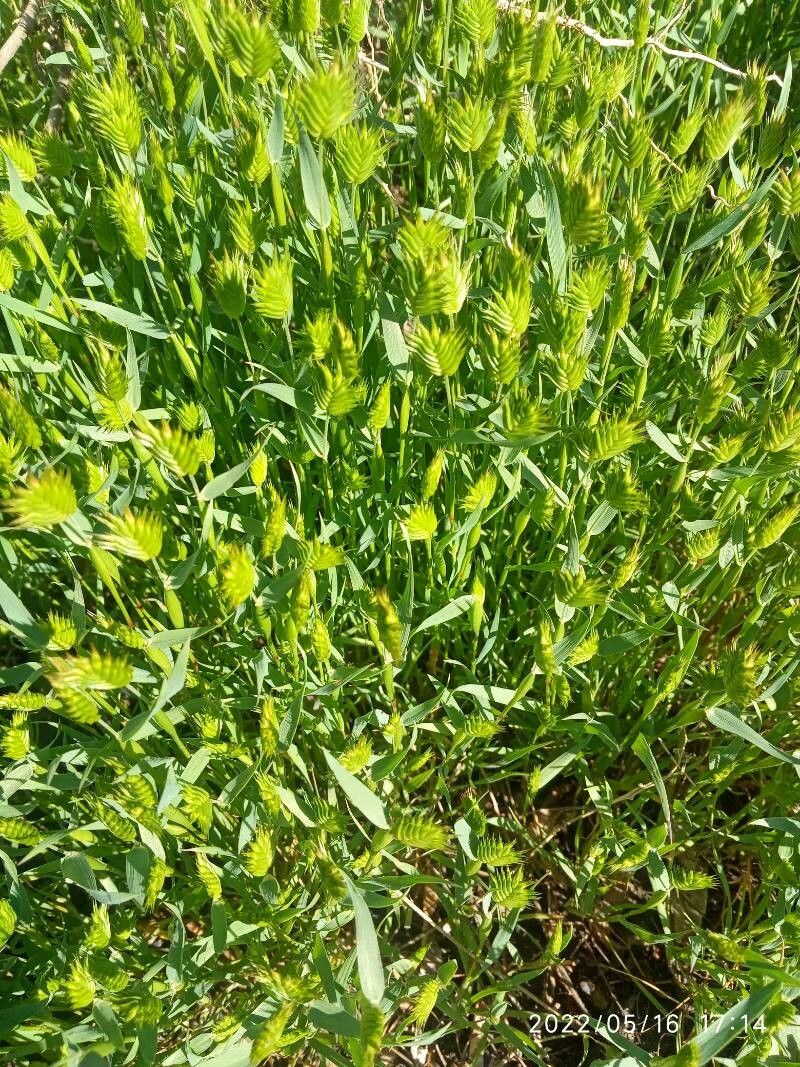
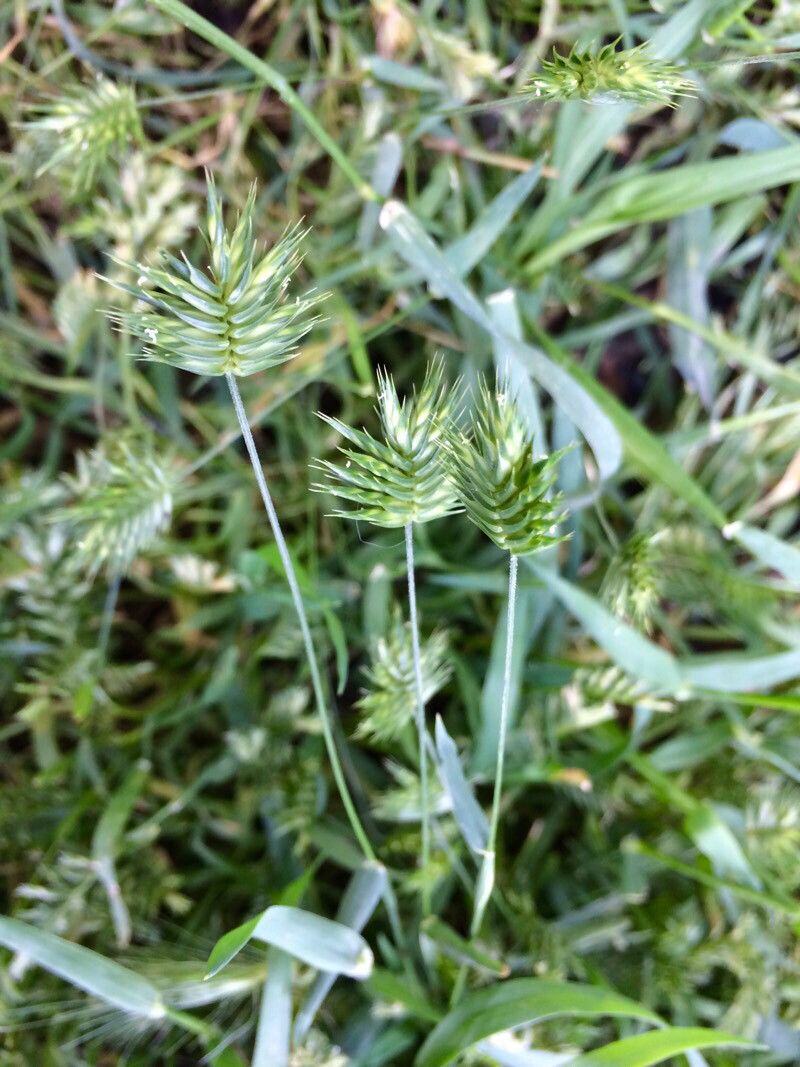
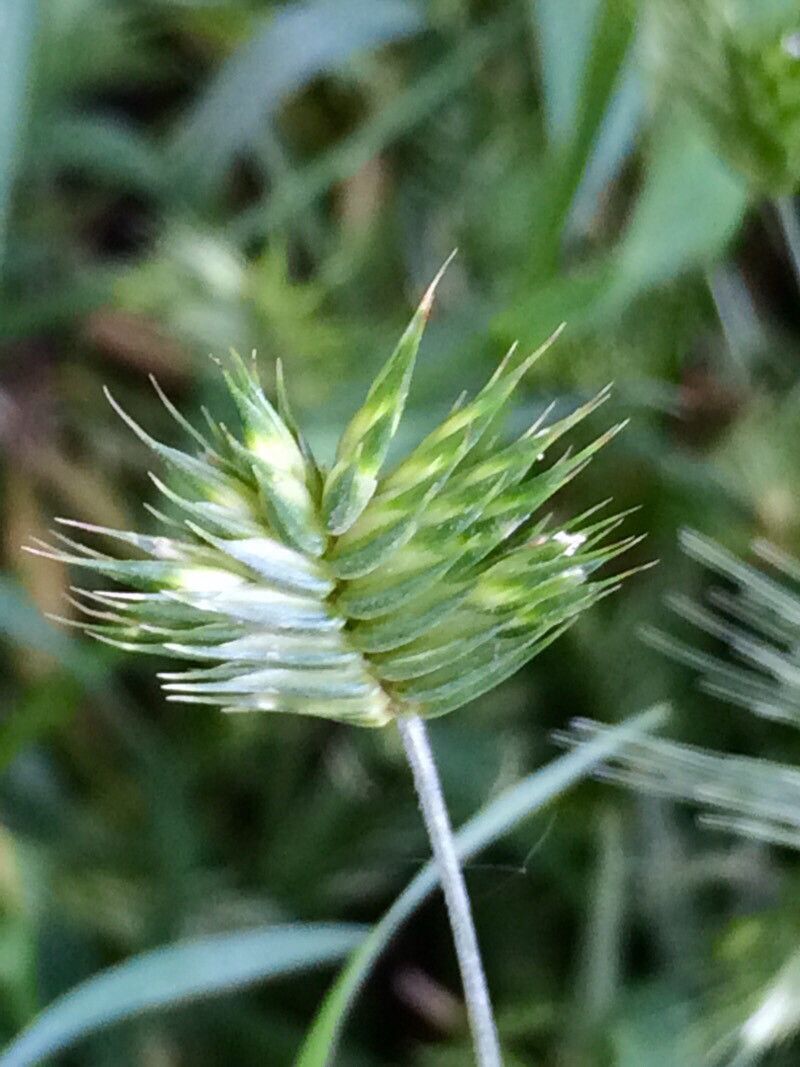
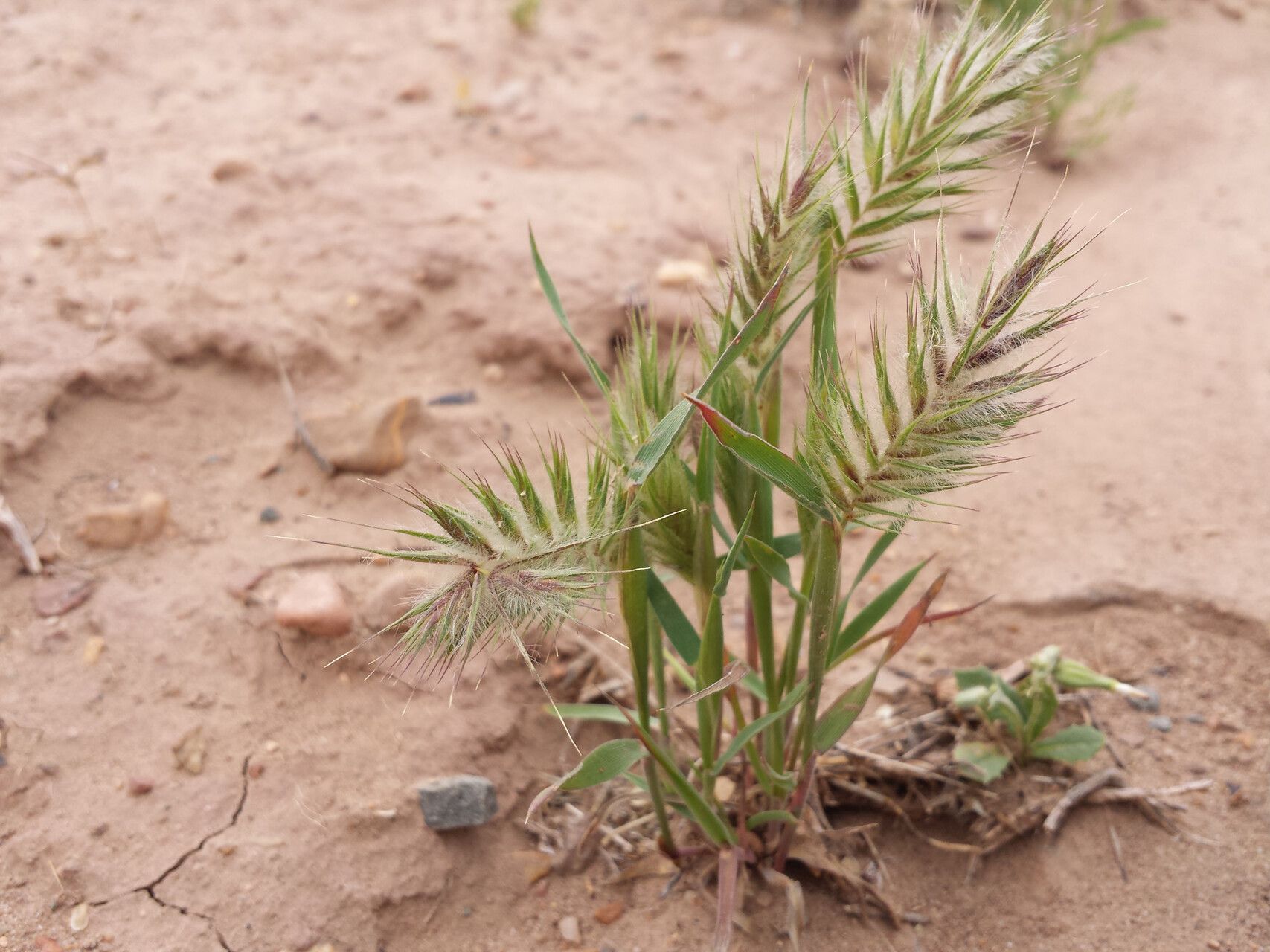
Annual wheatgrass exhibits strong disease resistance and is generally not susceptible to illnesses. In terms of upkeep, this plant is relatively low-maintenance. When planted outdoors, it only needs minimal watering, and larger plants usually do not need pruning. However, smaller specimens should be pruned after they finish blooming. Annual wheatgrass is suitable for anyone with outdoor space, such as a garden or deck, and does not require extensive care experience.
How to keep Eremopyrum Triticeum.
Light
Annual wheatgrass comes from bright, open habitats and does best in full sun. It will tolerate partial sun but prefers direct sunlight for optimal growth. This annual and biennial plant is noted for its sun-loving nature.
Water
Annual wheatgrass grows well in dry regions with very little moisture, showing its ability to withstand droughts. For optimal growth, it needs to be watered once a week. Its deep root system helps conserve water by absorbing moisture from the occasional rains typical in its native environment.
Temperature
Annual wheatgrass can tolerate a broad range of temperatures, although its range may still be constrained by various combinations of moisture and heat. It grows best in warm summer climates with sufficient rainfall or irrigation. Extended periods of cloudy, rainy weather or sustained high temperatures can increase the risk of annual wheatgrass dying. In winter, adequate protection from the cold can enhance the plant's chances of survival.
Pruning
Annual wheatgrass is a rapidly growing grass that flourishes in dry, well-drained soils. To manage its height, promote healthy growth, and minimize the spread of weeds, it is important to prune the plant from early to late spring. Be sure to use clean, sharp tools to reduce plant stress and prevent the spread of diseases.
Botanical profile.
- Plant Type
- Grass
- Life Cycle
- Annual
- Genus
- Eremopyrum
- Family
- Poaceae
- Hardiness Zone
- 4-9
- Mature Height
- 20 cm to 40 cm
- Mature Spread
- 10 cm to 20 cm
- Leaf Color
- Green
- Leaf Type
- Deciduous
- Flower Size
- 0.51 cm to 0.76 cm
- Bloom Time
- Mid spring, Late spring
- Planting Time
- Spring, Autumn
- Harvest Time
- Early summer, Mid summer
- Native Area
- Uzbekistan, Russia, Tajikistan, Turkey, Kyrgyzstan, Kazakhstan, Iran, Armenia, Azerbaijan, Romania, Ukraine, Belarus, Turkmenistan, China
Other names.