Erica vagans
Cornish heath · Erica · Heath
Description
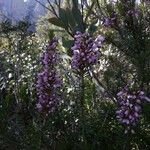
Source: leafsnapErica vagans, commonly known as Cornish heath or Irish heath, is a small evergreen shrub in the Ericaceae family. Native to western Europe, it is found in the wild in Ireland, Scotland, and England. The plant typically reaches up to 60 cm in height and features slender stems with small green leaves arranged in whorls around the stem. During the summer and autumn months, Erica vagans produces an abundance of delicate pink or purple, bell-shaped flowers with five petals. These flowers attract bees and other pollinators, aiding in fertilization. Erica vagans thrives in well-drained, acidic soil with full sun exposure but can also tolerate partial shade. It is a hardy plant that can withstand cold temperatures, though it may require protection from strong winds. For centuries, Cornish heath has been valued for its medicinal properties, particularly its anti-inflammatory effects, which make it useful for treating respiratory conditions such as bronchitis and asthma. Additionally, its vibrant pink coloration has made it a popular natural dye source. Overall, Erica vagans is an attractive ornamental plant suitable for rock gardens or mixed borders. Its evergreen foliage provides year-round interest, and its beautiful summer blooms make it a popular choice among gardeners across Europe.
Care Guide
💧 Water Every 7 days
Cornish heath flourishes in moist, acidic soils that resemble its native habitat in Cornwall. It thrives with consistent moisture, so it's important to water it weekly for optimal growth. As an evergreen plant, Cornish heath requires careful hydration during the growing season to maintain its lush foliage throughout the year.
How should I water my Cornish heath plant?
Your Cornish heath is not picky about how you water it. You can use any common watering tool, such as watering cans, hoses, or cups. Just make sure you apply the water directly to the soil, ensuring that all areas are equally moistened to support the entire root system. Filtered water is recommended, as tap water can harm the plant. It is also best to use water that is at or slightly above room temperature to avoid shocking the Cornish heath. However, this plant usually responds well to any type of water.
What should I do if I give my Cornish heath plant too much or too little water?
Outdoor plants, especially newly planted ones or seedlings, are prone to lack of watering. It is important to water them consistently for a few months when they are small or newly planted. Once the roots are established, they can rely on rain for hydration most of the time. However, when Cornish heath is planted in pots, overwatering is more likely. If you accidentally overwater your Cornish heath, take immediate action to resolve the issue. Stop watering the plant right away to minimize the impact. Then, remove the plant from the pot to check the roots for signs of root rot. If the roots are healthy, you can return the plant to its container. If there is root rot, trim away the affected roots and apply a fungicide if needed. Finally, repot the Cornish heath in well-draining soil. On the other hand, if your Cornish heath is underwatered, simply water it more frequently. Underwatering is easily fixable and the leaves will regain their fullness after sufficient watering. Make sure to adjust your watering frequency promptly when you notice underwatering symptoms.
How frequently should I water my Cornish heath plant?
Most outdoor plants can rely on rainfall for their water needs. However, if your area doesn't get enough rainfall, you should water your plants adequately every 2 weeks in the spring and fall. In the summer, you'll need to water them more frequently. During the slower growth period of winter, you can water them less often or not at all. If your Cornish heath is young or newly planted, it's important to water it more often to help it establish and grow into a drought-tolerant plant. For potted plants like the Cornish heath, there are two ways to determine watering frequency. The first method is to follow a set schedule, such as watering once a week or every other week. However, this may not always be suitable for the specific conditions of your plant's environment. The other approach is to gauge watering based on the moisture level of the soil. Typically, it's best to wait until the top two to four inches of soil have dried out completely before watering again. This guideline applies to the depth of the pots, usually about ⅓ to ½ of the total depth.
How often should I water my Cornish heath plant?
To water your Cornish heath effectively, you don't always need a large amount of water. If only a few inches of soil have dried since your last watering, giving it about five to ten ounces of water each time can promote healthy growth. You can also gauge how much water to use based on the moisture of the soil. Take note of how many inches of soil have dried out between waterings. To ensure your Cornish heath gets enough moisture, water it until all the layers of dry soil from the previous watering are adequately moistened. If over half of the soil has dried, consider giving it more water than usual. In such cases, keep adding water until you see excess water draining from the pot's holes. If your Cornish heath is placed in an area that receives sufficient rainfall outdoors, additional watering may not be necessary. When the plant is young or still establishing itself, ensure it receives 1-2 inches of rain per week. As it grows and establishes further, it can rely solely on rainwater. Only during hot weather and prolonged periods without rainfall (2-3 weeks), should you consider giving it a full watering to prevent stress.
How can I know if I'm giving enough water to my Cornish heath plants?
The Cornish heath is more commonly affected by overwatering, which can be identified by yellowing leaves, leaf drop, shriveling plant structure, and potential root rot. On the other hand, underwatering can cause wilting, brown or brittle leaves. If you notice signs of either over- or underwatering, it is important to intervene promptly to restore your Cornish heath's health.
☀️ Light Full sun
Cornish heath thrives in locations where it gets full sunlight. Its requirement for abundant sun reflects the plentiful light of its native environment. Various growth stages may call for different levels of sunlight. Too little sun can result in stunted development, while too much may cause the plant to wilt.
What are the sunlight requirements for Cornish heath?
Cornish heath thrives in full sun, requiring over 6 hours of sunlight daily, but can also grow in partial sun with about 3-6 hours of sunlight. It's crucial to observe how sunlight moves through your garden to find spots that offer a balance of light and shade, ensuring the plant's health and happiness. The native habitat of Cornish heath includes areas with extensive sun exposure, indicating its significant need for sunlight at different growth stages. Insufficient sunlight can result in stunted growth, while too much sunlight can cause the plant to wilt.
How can artificial lighting support Cornish heath indoor growth?
For Cornish heath plants grown indoors, artificial lighting can be essential, especially when natural sunlight is scarce, like in winter or less sunny spaces. To promote optimal growth, you can utilize artificial lights that mimic natural sunlight. LED lights are recommended because they can provide the specific wavelengths needed by plants. Full sun plants require 30-50W per square foot, partial sun plants need 20-30W per square foot, and full shade plants necessitate 10-20W per square foot of artificial light. The light should be placed 12-36 inches above the plant, mimicking the natural daylight hours, most plants thrive with 8-12 hours of light daily.
What are the signs of insufficient light in Cornish heath?
When Cornish heath gets too little light, it may show several symptoms. New leaves might grow smaller than those of a mature plant, indicating a lack of energy and resources. You might notice leggy or sparse growth, where the plant appears thin and stretched out due to longer spaces between leaves or stems. Faster leaf drop is common as the plant sheds older leaves to conserve resources for new growth. Growth might slow down or stop entirely as the plant enters survival mode, and new leaves can appear pale or develop irregular color patterns due to insufficient sunlight. Chlorosis, sunscald, leaf curling, wilting, and leaf scorching are other symptoms affecting plants with inappropriate light exposure.
How can you improve Cornish heath's light exposure?
To improve light exposure for Cornish heath, for indoor plants gradually move them to a location where they get at least 6 hours of direct sunlight daily, preferably near a south-facing window. For those that are large or not easily movable, artificial lighting like desk lamps or plant grow lights set to be on for at least 8 hours daily can help. Outdoor plants should also be moved gradually to sunnier spots to avoid sunburn, aiming to slowly adapt them to increased light intensity. If your plants are in the ground and blocked by obstructions like trees, consider pruning to let more sunlight through or transplant smaller plants during their dormant period to a brighter location with good drainage.
🌡️ Temperature 5–32.2°C
Cornish heath is native to temperate climates and therefore prefers a growth temperature range of 41 to 89.6 °F (5 to 32 ℃). Adjusting temperatures with the seasons is important to reproduce its natural environment.
What is the preferred growth temperature range for Cornish heath?
Cornish heath, scientifically known as Erica vagans, thrives in temperate climates with a preferred growth temperature range between 41 to 89.6 °F (5 to 32 °C). It's important to adjust the temperature across different seasons to mimic its native environment effectively. Cornish heath is notably cold-resistant, eliminating the need for special frost protection measures in winter, except in exceptionally cold conditions where temperatures are expected to drop below -30°C. In such cases, it is advisable to wrap the plant's trunk and branches with protective materials like non-woven fabric or cloth. Additionally, it's recommended to water the plant abundantly before the first freeze in autumn to maintain soil moisture, which helps prevent drought and water scarcity during the colder months and into early spring.
How does Cornish heath react to low temperatures, and what solutions are recommended?
Cornish heath is known for its cold tolerance, ideally thriving above 5°C and enduring winter temperatures above -25°C. However, when temperatures dip below -30°C, there may not be immediate visible damage in winter, but come spring, the branches can become brittle and dry, and no new shoots will emerge. To address this, it is recommended to prune away any dead branches in spring that have failed to produce new leaves, encouraging healthy growth and rejuvenation of the plant.
What are the effects of high temperatures on Cornish heath, and how can they be managed?
During the summer months, it's crucial to keep Cornish heath's temperature below 32°C. Exposure to temperatures above 35°C can lead to the plant's leaves lightening in color, drying, and withering at the tips, making the plant more prone to sunburn. To mitigate these effects, it is advised to trim away the sunburned and dried parts of the plant. Relocating the plant to a shaded area during the midday and afternoon sun, or utilizing a shade cloth to provide some respite from the intense heat, can be beneficial. It's also important to water the plant in the morning and evening to ensure the soil remains moist, thus supporting the plant's overall health and well-being.
💨 Humidity
🪴 Soil 4-5
🌱 Fertilizer
Timing is important when feeding Cornish heath. Feed it in early spring and repeat every month until early summer. Fertilizer encourages beautiful blooms and provides energy during both dormancy and active growth.
Why should I put fertilizer on my Cornish heath plant?
To improve the growth and flowering of your Cornish heath, fertilization is essential. By applying fertilizer in early spring, you can enhance the production of beautiful blooms during that season. Furthermore, providing extra nutrients during fall planting or late spring can increase the energy stored by the Cornish heath, which it can later utilize for active growth. Thus, fertilizing at these times ensures that your Cornish heath has ample energy to thrive.
When should I fertilize my Cornish heath plant?
To effectively fertilize Cornish heath, timing is crucial. Using fertilizer too early while the plant is still dormant is not effective and could result in the fertilizer being washed away by rainwater, causing waste and pollution. Instead, the first application of fertilizer should be in early spring, and then continue fertilizing once a month until early summer.
When is it best to not fertilize my Cornish heath?
To ensure the best results for your Cornish heath plant, it is important to consider a few guidelines for fertilization. Avoid using a fertilizer that has high levels of nitrogen, as this can result in excessive leaf growth without many blooms. Instead, opt for a fertilizer that has a lower nitrogen content compared to other nutrients. It is also crucial to avoid fertilizing after early autumn because it can cause excessive growth right before winter, which is not ideal. Additionally, refrain from fertilizing your Cornish heath during hot and dry periods of the year, as dry soil is not as effective in delivering the fertilizer as moist soil. Fertilizing during this time can also stimulate growth that requires more water, which may not be readily available. Ideally, it is best to apply fertilizer earlier in the season when temperatures are cooler. Lastly, keep in mind that Cornish heath has the ability to absorb fertilizer from nearby plants or lawns. Therefore, exercise caution to prevent inadvertently giving the plant a double-dose of fertilizer.
What kind of fertilizer does my Cornish heath plant need?
For optimal growth of Cornish heath, the recommended fertilizer should have a balanced mix of the three main plant nutrients, with slightly higher levels of phosphorus. Another option is to enhance the soil by incorporating organic materials like compost, worm castings, and manure. Skilled gardeners often provide additional supplementation of water-soluble fertilizers containing phosphorus 1-2 times when the flower buds begin to appear. This promotes better flower development, leading to larger and longer-lasting blooms. Fertilizers are available in various forms, all of which can work well for your Cornish heath. However, liquid or powdered fertilizers are considered among the best options. Regardless of the form you choose, remember to dilute the fertilizer and apply it while watering the Cornish heath.
How can I make my Cornish heath grow better?
To properly fertilize your Cornish heath, it is crucial to follow the specific directions for the type of fertilizer you are using. Over-fertilizing can be harmful, so it's important to determine the correct amount to use. A general guideline is to use the age or trunk diameter of the tree to determine the amount of fertilizer. Typically, you can estimate one-tenth of a pound of fertilizer per year or per inch of trunk, with a maximum of one pound. When using granular or organic fertilizers like blood meal, apply them by sprinkling around the base of the tree, extending to the drip line (the space below the farthest-reaching branches). In order to prevent contact with the trunk, avoid placing fertilizer directly on it. Over time, the granules will break down and filter into the soil, allowing the roots to absorb the nutrients. After fertilizing, apply a one-inch layer of compost around the base of the tree and water it thoroughly.
🪴 Pot & Repot 2-3 years
The evergreen Cornish heath forms a dense bush and should be repotted every 2-3 years in the spring for optimal growth. Use a medium-sized pot filled with well-draining soil, and water it moderately to prevent root rot. After repotting, place the plant in a spot with bright, indirect light to help it thrive.
✂️ Pruning
Cornish heath is an evergreen shrub with needle-like leaves and vibrant flowers. To maintain its health and appearance, prune the plant in early spring to remove dead wood and shape it. Lightly pruning the spent flowers also encourages new growth. Proper pruning enhances airflow and sunlight exposure, leading to healthier blooms. This practice is supported by reputable horticultural sources.
🌿 Propagating
🐛 Diseases & pets
☠️ Toxicity
Characteristics
- Plant Type
- Shrub
- Life Cycle
- Perennial
- Genus
- Erica
- Family
- Ericaceae
- Hardiness Zone
- 4-8
- Mature Height
- 76 cm
- Mature Spread
- 76 cm
- Leaf Color
- Green
- Leaf Type
- Evergreen
- Flower Color
- Pink, White, Purple
- Flower Size
- 0.25 cm to 0.51 cm
- Bloom Time
- Summer, Early fall
- Planting Time
- Spring
- Harvest Time
- Mid fall, Late fall, Early winter
- Native Area
- Spain, United Kingdom, France