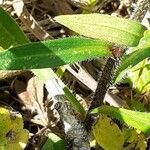
Erigeron acris
پیر بهار تلخ، · Bitter daisy · Blue fleabane · Bitter Fleabane · Bitter boreal daisy
Description
Source: leafsnapErigeron acer is a widespread herbaceous flowering plant in the family Asteraceae. Common names include bitter fleabane and blue fleabane. The species is native to Canada, colder parts of the United States, northern, central, and southeastern Asia, and most of Europe.Erigeron acer is a biennial or perennial herb up to 100 cm (40 inches) tall, producing a taproot and a woody rhizome. One plant can produce many small flower heads, each with pink, lilac, or occasionally white ray florets and yellow disc florets.Subspecies: Erigeron acris subsp. droebachiensis (O.F.Müll.) Arcang. (synonym: Erigeron droebachiensis O.F.Müll.)
Care Guide
💧 Water Every 3 days
Bitter fleabane, native to temperate regions, thrives in moderately moist environments. It prefers consistent hydration, and weekly watering is recommended. This outdoor plant adapts well to natural rainfall patterns, flourishing during periods of high precipitation in its growing season, while also demonstrating resilience to short dry spells.
How should I water my Bitter fleabane plants?
To properly water the Bitter fleabane, use filtered water at room temperature or slightly warmer. Tap water can be harmful due to particles it may contain. Since the Bitter fleabane originates from warm environments, avoid using cold water, as it can be shocking to the plant. Instead of overhead watering, apply your filtered room temperature water directly to the soil until it is completely soaked. This method benefits the plant by providing moisture to the roots and helping them spread throughout the soil to gather nutrients.
What should I do if I give my Bitter fleabane plant too much water or too little water?
Overwatering is a common problem for Bitter fleabane plants and can have serious negative effects. When the plant gets too much water, the stems and leaves can wilt and turn yellow. Overwatering for a long period can also cause diseases like root rot, mold, and mildew, which can kill the plant. Underwatering is less common because Bitter fleabane is tolerant to drought. However, it can still happen, and when it does, the leaves will become brittle and brown. It's important to recognize the signs of overwatering early on, as some of the resulting diseases may be irreversible if not addressed promptly. If you spot signs of overwatering, reduce your watering schedule and check the soil drainage. If the soil doesn't drain well, replace it with a loose, well-draining potting mix. On the other hand, if you see signs of underwatering, simply increase the frequency of watering until the plant recovers.
How frequently should I give water to my Bitter fleabane?
If your Bitter fleabane plant is in a pot, the most precise way to determine if it needs water is to check the soil moisture. Plunge your finger into the soil and if the top two to three inches are dry, it's time to water. The same method can be used for Bitter fleabane growing outdoors in the ground. If the top few inches of soil are dry, it indicates the need for watering. Typically, during spring and early fall, watering once a week is sufficient. However, in extremely hot weather, watering may need to be increased to twice or more per week. Nevertheless, mature and well-established Bitter fleabane plants have an impressive ability to withstand drought.
How much water does my Bitter fleabane plant need?
When watering your Bitter fleabane, don't be afraid to give it a generous amount of water. Make sure the top few inches of soil are dried out before watering, and then give the plant a thorough soaking. The water should be enough to saturate the soil completely, causing any excess water to drain out through the pot's drainage holes. If you don't see water draining out, it means you haven't given enough water. However, be careful not to let water accumulate in the soil, as it can be harmful to the plant. On the other hand, if water doesn't drain properly, it could be a sign of poorly draining soil, which is not good for the plant's health. If the plant is outdoors, receiving about 1 inch of rain per week should be enough.
How should I water my Bitter fleabane as it grows?
The water needs of the Bitter fleabane can vary depending on its growth stages. In the first few years or after transplanting, you should provide more water because the plant is focused on developing new roots. These roots require extra moisture for optimal growth. As the Bitter fleabane matures, it will require less water. Additionally, during the bloom period, the plant may need additional watering because flower development consumes a lot of moisture.
☀️ Light Full sun
Bitter fleabane thrives in strong sunlight, which is ideal for healthy development. It can also tolerate moderate sun, although that may diminish its ability to fully bloom. Native to areas with high sun exposure, the plant requires ample light. Excessive shading or insufficient brightness can impede its growth and vigor.
What are the sunlight requirements for Bitter fleabane?
Bitter fleabane thrives best under full sunlight, requiring over 6 hours of direct sunlight daily to flourish. It can also tolerate partial sunlight, ranging from about 3-6 hours of direct exposure. This adaptability stems from its origin in high sunlight habitats, making ample light crucial for its growth and bloom potential. However, it's important to observe your garden's light dynamics throughout the day to find spots with the ideal light and shade balance for your Bitter fleabane, ensuring it receives the necessary light without the risk of over-shading or inadequate exposure, which could impede its vitality.
How do I use artificial lighting for Bitter fleabane indoor growth?
When natural sunlight is insufficient, especially during winter or in less sunny spaces, artificial lighting becomes essential for Bitter fleabane's growth indoors. LED lights are recommended due to their ability to provide specific wavelengths needed by plants. Full sun plants should get 30-50W/sq ft, partial sun plants 20-30W/sq ft, and full shade plants 10-20W/sq ft of artificial light. The light source should be placed 12-36 inches above the plant to mimic natural sunlight effectively, and the duration should be adjusted to mimic natural daylight hours, generally 8-12 hours per day, to promote healthy growth.
What are the signs of incorrect lighting for Bitter fleabane?
Incorrect lighting can manifest through various symptoms in Bitter fleabane, including smaller new leaves, leggy or sparse growth, faster leaf drop, delayed or halted growth, lighter-colored or yellowing leaves (chlorosis), sunscald, leaf curling, wilting, and leaf scorching. These symptoms indicate either insufficient sunlight or overexposure, both of which can impede the plant's development and overall health. Monitoring and adjusting your plant's exposure to sunlight is crucial for avoiding these issues.
How can I correct lighting issues for my Bitter fleabane?
Correcting lighting issues for Bitter fleabane involves adjusting its exposure to sunlight, whether it's grown indoors or outdoors. For indoor plants, gradually shift them to sunnier spots or make use of artificial lighting, ensuring they receive at least 6 hours of direct sunlight or equivalent artificial light every day. For outdoor plants, move them to optimal sunlight locations gradually to prevent shock. Pruning surrounding foliage can help reduce shade, and transplanting smaller plants to sunnier spots may also be beneficial. Remember, while affected parts of the plant might not recover, new growth will be healthy with improved light conditions.
🌡️ Temperature 0–32.2°C
Bitter fleabane is native to habitats with moderate to warm temperatures, favoring a range of 68 to 95 °F (20 to 35 ℃). In colder seasons, care must be taken to prevent the temperature from falling below this preferred range.
What is the preferred temperature range for Bitter Fleabane?
Bitter Fleabane thrives in moderate to warm environments, preferring a temperature range of 68 to 95 °F (20 to 35 °C). It is indigenous to these temperate conditions and requires attention during colder seasons to ensure the temperature does not fall below its preferred range. Despite its high cold tolerance, it is crucial to maintain the temperature within this specified range for optimal growth.
How should Bitter Fleabane be cared for during winter?
Bitter Fleabane is highly cold-tolerant and does not necessitate additional frost protection measures during the winter. To prepare for the colder months, especially before the first freeze of autumn, it is advisable to water the plant generously. This action helps to ensure the soil around the plant remains moist and enters a frozen state when temperatures drop. Maintaining soil moisture through the winter is integral to preventing drought and water scarcity for the plant during the cold season, contributing to a healthier spring revival.
What should be done if the temperature falls below Bitter Fleabane's cold tolerance level?
Although Bitter Fleabane is extremely cold-tolerant, capable of withstanding temperatures down to -40°C, it's important to monitor its condition if temperatures dip below this threshold. Such low temperatures may not immediately manifest damage during the winter, but they can lead to reduced sprouting or no sprouting at all come spring. To mitigate this, gardeners should remove any parts of the plant that have failed to sprout in spring, encouraging new growth and maintaining the health of the plant.
What steps should be taken if Bitter Fleabane is exposed to high temperatures?
Bitter Fleabane is not tolerant of high temperatures beyond 35°C, which can halt its growth and make it more prone to rot. In the event of exposure to excessive heat, it's advisable to trim away sunburned and dried parts of the plant. Relocating the plant to a shaded area or employing a shade cloth can protect it from the harsh midday and afternoon sun. Additionally, watering the plant in the morning and evening will help keep the soil moist, further reducing heat stress.
What is the botanical name of Bitter Fleabane?
The botanical name of Bitter Fleabane is Erigeron acris. Knowing the botanical name is useful for researching specific care instructions and understanding more about the plant's native habitat and growth requirements.
💨 Humidity
🪴 Soil 6-8
🌱 Fertilizer
One fertilizer application in spring is generally enough for Bitter fleabane, though several feedings can maximize growth. Apply every one to one and a half months. Fertilizing improves leaf appearance and function, encouraging uniform color and a healthy texture. It also promotes root development and nutrient uptake, supporting long-term plant health.
🪴 Pot & Repot
✂️ Pruning
Bitter fleabane, known for its daisy-like flowers and resilience, benefits from regular care. To encourage growth and flowering, prune the plant from early to late spring. Remove any dead stems to improve air circulation. Consistent maintenance not only enhances the blooms but also extends the plant's lifespan. Always use clean, sharp tools to prevent disease.
🌿 Propagating
🐛 Diseases & pets
☠️ Toxicity
Characteristics
- Plant Type
- Herb
- Life Cycle
- Perennial, Annual, Biennial
- Genus
- Erigeron
- Family
- Asteraceae
- Hardiness Zone
- 2-7
- Mature Height
- 30 cm to 91 cm
- Mature Spread
- 30 cm to 46 cm
- Leaf Color
- Green, Dark Green
- Leaf Type
- Semi-evergreen
- Flower Color
- Lavender
- Flower Size
- 2.54 cm
- Bloom Time
- Summer
- Planting Time
- Spring, Summer, Autumn
- Harvest Time
- Late summer, Early fall, Mid fall