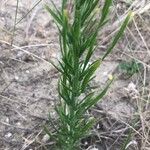
Erigeron bonariensis
پير بهار · Fleabane · Argentine fleabane · Wavy-leaf fleabane · Flax-leaf fleabane
Description
Source: leafsnapErigeron bonariensis, commonly known as the Argentine fleabane or Santa Barbara daisy, is a perennial herbaceous plant in the Asteraceae family. Native to South America, it has been introduced and naturalized in many parts of the world, including North America and Europe. This plant can grow up to 1 meter tall and features slender stems covered in fine hairs. Its narrow, lance-shaped leaves have toothed edges. The small flowers have white or pink petals surrounding a yellow center disk. Erigeron bonariensis prefers full sunlight but can tolerate partial shade. It thrives in well-drained soils with moderate moisture levels and can also withstand drought conditions once established. Often used as an ornamental garden plant, it is appreciated for its attractive flowers and foliage. The plant also attracts pollinators such as bees, butterflies, and hummingbirds. Indigenous people have utilized Erigeron bonariensis for medicinal purposes, using it to treat various ailments, including respiratory problems, fever, headaches, and stomachaches, due to its anti-inflammatory properties. Overall, Erigeron bonariensis is an appealing garden plant that provides ecological benefits and has medicinal properties, making it a valuable addition to any landscape design or herb garden collection.
💡 Flaxleaf fleabane is often regarded as a weed, but it is actually a member of the aster family. This family boasts over 23,000 species, including popular flowers like sunflowers, zinnias, and marigolds. A common feature of flowers in the aster family is that they consist of clusters of tiny flowers, which together give the appearance of a single, larger flower.
Care Guide
💧 Water Every 7 days
Flaxleaf fleabane thrives in well-drained soils with moderate moisture levels and has a good tolerance for drought. To maintain its health, it benefits from deep watering once a week. When grown outdoors, it often relies on natural rainfall, which can reduce the need for additional irrigation. Ensuring proper watering is essential to provide optimal growing conditions without causing over-saturation.
How should I water my Flaxleaf fleabane plant?
Flaxleaf fleabane can be watered using various tools such as a garden hose with a spray nozzle or a watering can. It is not too particular about the type of water, as it can thrive with rainwater, tap water, or filtered water. It is recommended to avoid overhead watering to prevent damage to the leaves and flowers, as well as the potential for disease. A drip irrigation system is often the best method for watering, as it ensures even and direct application of water to the soil. For container-grown Flaxleaf fleabane, a similar watering approach can be used with tools like a cup, watering can, or tap to water the soil directly.
What should I do if I give too much or too little water to my Flaxleaf fleabane plant?
To remedy underwatering for Flaxleaf fleabane, simply start watering the plant more often when you notice it lacks moisture. Overwatering, on the other hand, can be a serious issue if not detected early. Overwatered plants may develop diseases that can cause decline and death. To prevent this, choose a suitable location for growing your Flaxleaf fleabane, one with ample sunlight to dry the soil and good drainage to prevent water from pooling. If your potted Flaxleaf fleabane is overwatered, consider transferring it to a new pot with proper drainage. When repotting, use loose soil and a pot that drains well.
How often should I water my Flaxleaf fleabane plant?
To ensure the health of your Flaxleaf fleabane, it is important to water it regularly throughout the growing season. In the spring, watering once per week should be sufficient. However, as the weather gets warmer, you may need to increase the watering frequency to two to three times per week. Be careful not to exceed this rate, as it can harm the plant. Additionally, it is crucial to maintain a relatively moist but not wet soil for your Flaxleaf fleabane, regardless of how often you water. When watering a Flaxleaf fleabane in a pot, it is necessary to water more frequently. The soil in a pot can dry out faster than ground soil due to the heat. Generally, watering a container-grown Flaxleaf fleabane a few times per week is recommended, compared to just once per week for a plant in the ground.
How much water does my Flaxleaf fleabane plant require?
Determining how much water to give your Flaxleaf fleabane can be done in a few ways. Some gardeners prefer to rely on their senses and feel the soil for moisture. This method suggests watering until the top six inches of soil feel moist. Another approach is to use a set measurement. Usually, Flaxleaf fleabane requires around two gallons of water per week, depending on the heat and the rate at which the soil dries. However, strictly following this guideline could result in overwatering if your plant needs less water. For container-grown Flaxleaf fleabane, a different method is needed. It is best to water sufficiently to moisten all the dry layers of soil. To check this, you can stick your finger in the soil or observe a slight trickle of excess water from the drainage holes of the pot.
How do I know if I'm watering my Flaxleaf fleabane plant enough?
Avoiding overwatering your Flaxleaf fleabane can be a bit challenging due to its deep roots, which need to be watered weekly. However, these plants are highly prone to root rot and can also develop browning if overwatered. Underwatering is less of a concern as Flaxleaf fleabane can tolerate periods without additional watering, but if you neglect to water it for an extended period, it may wilt and display dry leaves.
☀️ Light Full sun
Flaxleaf fleabane grows best in places that receive ample light throughout the day. It can tolerate some partial shade, although it may not achieve its full potential. Coming from habitats exposed to strong daylight, it is able to endure intense light. Excessive exposure can cause wilting, while too little light can limit growth.
What are the sunlight requirements for Flaxleaf Fleabane?
Flaxleaf Fleabane thrives in full sun, requiring above 6 hours of sunlight daily for optimal growth. It can also survive in partial sun, with about 3-6 hours of sunlight. However, it's crucial to watch how sunlight moves through your garden, choosing spots that offer a perfect balance of light and shade to ensure your plants' happiness.
How essential is sunlight for Flaxleaf Fleabane's growth?
Sunlight is incredibly essential for Flaxleaf Fleabane, as it thrives in areas with abundant light coverage throughout the day. While it can tolerate partial shading, its growth may not reach its full potential without sufficient sunlight. Originating from habitats exposed to substantial daylight, it withstands strong light, but overexposure may lead to wilting, and a lack of enough light can stunt its growth.
Can artificial lighting support Flaxleaf Fleabane's growth indoors?
Yes, indoor plants including Flaxleaf Fleabane require adequate lighting for optimal growth, especially when natural sunlight is insufficient. Artificial lights, particularly LED lights, offer a vital solution by providing the specific wavelengths of light needed. Full sun plants need 30-50W/sq ft, partial sun plants need 20-30W/sq ft, and shade plants need 10-20W/sq ft of artificial light. The light source should be placed 12-36 inches above the plant to mimic natural sunlight, with 8-12 hours of light per day.
What are the symptoms of inadequate light exposure in Flaxleaf Fleabane?
Flaxleaf Fleabane exhibits several symptoms when it doesn't receive enough light, including smaller new leaves, leggy or sparse growth, faster leaf drop, slower or no new growth, lighter-colored new leaves, and conditions like chlorosis (leaves turning yellow), sunscald, leaf curling, wilting, and leaf scorching. These indicate the plant's strained response to inadequate sunlight.
How can I address Flaxleaf Fleabane's lighting needs both indoors and outdoors?
To ensure Flaxleaf Fleabane receives adequate light indoors, gradually move the plant to sunnier locations, aiming for at least 6 hours of direct sunlight daily, and consider using artificial lights like desk or ceiling lamps for at least 8 hours daily. Outdoors, gradually adapt your plants to sunnier spots to avoid sunburn. Minimize obstructions by pruning or moving plants to areas with ample sunlight and good drainage. Note that parts of the plant already affected by insufficient light may not recover, but new growth will be healthy after adjusting the light exposure.
🌡️ Temperature 15–35°C
Flaxleaf fleabane is native to environments where temperatures range from 68 to 95 °F (20 to 35 ℃). It grows best in these warm conditions. Temperature adjustments should reflect seasonal changes to replicate its natural habitat.
What is the native temperature range for Flaxleaf fleabane?
Flaxleaf fleabane is native to environments where temperatures range from 68 to 95 °F (20 to 35 °C). It thrives best within these warm conditions, which should be considered when mimicking its natural habitat. To maintain its health, adjustments for seasonal temperature changes are essential.
How does Flaxleaf fleabane tolerate cold temperatures?
Flaxleaf fleabane has a certain level of cold tolerance and generally doesn't require additional cold protection if the temperature remains above its tolerable growing temperature minimum. However, if temperatures are expected to drop below this threshold, it's necessary to take temporary measures to protect the plant. This could include wrapping the plant in plastic film, fabric, or other materials for insulation. These protective measures should be removed once temperatures rise again to avoid any potential harm to the plant.
What should I do if my Flaxleaf fleabane is exposed to temperatures below its growth limit?
If Flaxleaf fleabane is exposed to temperatures below its growth limit, it may show signs of stress such as droopy leaves which could eventually lead to wilting and leaf loss in severe cases. To help the plant recover from frost damage, trim off the affected parts. Before the plant faces low temperatures again, it's advisable to wrap it with non-woven fabric or cloth and construct a wind barrier to protect it from cold winds. These steps can help mitigate the effects of low temperatures.
How should I care for Flaxleaf fleabane during high temperatures?
During high temperatures, particularly in summer, it's important to ensure that Flaxleaf fleabane does not exceed its tolerable maximum temperature. High temperatures can cause the leaves to lighten in color, dry, and curl, and make the plant more prone to sunburn. To protect the plant, trim away sunburned or dried parts, move it to a shaded area or use a shade cloth to block the midday and afternoon sun. Additionally, watering the plant in the morning and evening will help keep the soil moist and cool, aiding in the plant's overall health during heat spells.
💨 Humidity
🪴 Soil 6-7
🌱 Fertilizer
Flaxleaf fleabane benefits from frequent, diluted fertilizer applications to encourage healthy leaf growth. Fertilize Flaxleaf fleabane about once a month during the summer. Nitrogen is essential for foliage, and supplementing with nitrogen-rich sources helps Flaxleaf fleabane thrive.
🪴 Pot & Repot
✂️ Pruning
🌿 Propagating
🐛 Diseases & pets
☠️ Toxicity
Characteristics
- Plant Type
- Herb
- Life Cycle
- Annual, Perennial
- Genus
- Erigeron
- Family
- Asteraceae
- Hardiness Zone
- 8-10
- Mature Height
- 0.1 m to 1.52 m
- Mature Spread
- 30 cm to 37 cm
- Leaf Color
- Green, Silver, Gray
- Leaf Type
- Deciduous
- Flower Color
- White
- Flower Size
- 0.76 cm
- Bloom Time
- Mid spring, Late spring, Summer
- Planting Time
- Spring, Winter
- Harvest Time
- Late spring, Summer, Early fall
- Native Area
- Belize, Honduras, Mexico, Guatemala, Peru, Pakistan, Panama, Jamaica, China, Colombia, Bahamas, Cuba, Bolivia, Venezuela, Guyana, Nicaragua, Ecuador, United Kingdom, Costa Rica