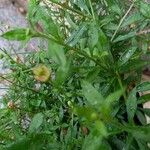
Erigeron karvinskianus
Australian Daisy · Fleabane · Mexican Fleabane · Seaside Daisy · Santa Barbera daisy
Description
Source: leafsnapErigeron karvinskianus, commonly known as Mexican fleabane or Santa Barbara daisy, is a perennial plant native to Mexico and Central America. Belonging to the Asteraceae family, it typically reaches a height of 30-40 cm. This plant features small, daisy-like flowers that are white with yellow centers, blooming from spring through fall. Its leaves are small, narrow, and serrated. Mexican fleabane is an excellent choice for rock gardens or as ground cover in sunny areas. It thrives in well-drained soil and can tolerate some drought once established. Additionally, this plant attracts butterflies and other pollinators, enhancing your garden's biodiversity. Erigeron karvinskianus has gained popularity worldwide due to its ability to self-seed easily, making it an ideal candidate for naturalistic planting schemes or wildflower meadows. Its delicate flowers add charm and beauty with minimal maintenance. Overall, Erigeron karvinskianus is an attractive perennial that adds color and interest to any garden setting. Its easy-to-grow nature and minimal care requirements make it perfect for both novice gardeners and experienced horticulturists alike.
💡 Mexican fleabane attracts a wide range of insects, including flies, bees, butterflies, and wasps. Additionally, the lynx flower moth (Schinia lynx) relies on Mexican fleabane as a host plant. Despite its ecological role, Mexican fleabane is often classified as an invasive weed that poses a threat to vulnerable species in many countries.
🌳 Although Mexican fleabane is mostly valued for its decorative appeal and its contribution to urban landscaping, it also plays an essential part in supporting urban biodiversity. It provides a key nectar source for a range of pollinators, including bees and butterflies, which are crucial for maintaining healthy ecosystems in city environments. Its capacity to grow in cracks in walls and pavements makes it a suitable choice for green roof schemes, helping to lessen urban heat islands and improve air quality.
Care Guide
💧 Water Every 7 days
Mexican fleabane thrives in moist conditions and needs regular watering, although it can withstand short dry spells. To simulate its natural environment, water the plant once a week. Being an evergreen, it requires consistent moisture throughout the year, even during the cooler months when its growth slows. It's important to maintain balanced hydration as the seasons change.
How should I water my Mexican fleabane plant the most effectively?
To properly water the Mexican fleabane, use filtered water at room temperature. Tap water may contain harmful particles, so filtered water is preferred. It's important to use room temperature or slightly warm water because the Mexican fleabane is accustomed to a warm environment. Cold water can shock the plant. Avoid overhead watering as it can lead to issues with the foliage. Instead, apply filtered room temperature water directly to the soil until it is fully soaked. This helps the plant by moistening its roots and aiding in the spread of nutrients through the soil.
What do I need to do if I give my Mexican fleabane plant too much or too little water?
Overwatering and underwatering can both harm your Mexican fleabane plant, but overwatering is more common. When the plant is overwatered, its stems and leaves may wilt and turn yellow. Overwatering for a long time can also cause diseases like root rot, mold, and mildew, which can be fatal to the plant. Underwatering is less likely to happen because Mexican fleabane has good tolerance to drought. However, underwatering is still possible, and in that case, the leaves may become brittle and brown. It's important to recognize signs of overwatering early when taking care of your Mexican fleabane. Some diseases from overwatering, like root rot, may not be fixable if you wait too long. If you see early signs of overwatering, reduce the watering immediately. Also, check the soil quality of the plant. If the soil doesn't drain well, replace it with a loose, well-draining potting mix. On the other hand, if you notice signs of underwatering, simply water the plant more regularly until the signs disappear.
How often do I need to water my Mexican fleabane plant?
If your Mexican fleabane plant is in a pot, the most precise way to determine if it needs water is by checking the moisture of the soil. Simply insert your finger into the soil and if the top two to three inches feel dry, it's time to water it. On the other hand, if you have planted your Mexican fleabane outdoors in the ground, you can use a similar method to test the soil. Once again, check if the top few inches of soil have dried out, indicating a need for watering. Typically, during the spring and early fall, you will likely need to water this plant about once a week using this method. However, as hot weather sets in, you may need to increase watering frequency to about twice or more per week. Nevertheless, it's worth noting that mature and well-established Mexican fleabane plants have an impressive ability to tolerate drought conditions.
How much water does my Mexican fleabane plant require?
To water your Mexican fleabane properly, don't hold back on the amount of water you give it. When the first two to three inches of soil are dry, it's time to water. Make sure to thoroughly water the plant, soaking the soil completely. The water you add should be enough to cause excess water to flow out of the drainage holes at the bottom of the pot. If you don't see any water draining, it means you haven't given enough water. However, be careful not to let the water accumulate in the soil, as this can harm the plant. Additionally, if water doesn't flow through the pot, it could mean that the soil doesn't drain well, which is not good for the plant's health. If the plant is outdoors, around 1 inch of rain per week should be enough.
How do I water my Mexican fleabane as it grows?
The water requirements of the Mexican fleabane can vary depending on its growth stages. When the plant is in its early years or has recently been transplanted, it will need more water than usual. During these stages, the focus of the plant is on developing new roots to support future growth. To ensure optimal performance, these roots require additional moisture compared to more mature phases. As the plant matures over a few seasons, its water needs decrease. Another growth stage that requires extra water is during the bloom period when flower development demands a significant amount of moisture. Therefore, it may be necessary to provide more water to your Mexican fleabane during this time.
☀️ Light Full sun
Mexican fleabane flourishes in surroundings that receive abundant light during the day. This level of light boosts its development and blooming. In contrast, it can also tolerate areas with partial light exposure. Having either too much or too little exposure to light could detrimentally affect its wellbeing and expansion, considering its native habitat.
What are the sunlight requirements for Mexican fleabane?
Mexican fleabane requires a considerable amount of sunlight to thrive effectively. The plant prefers environments that offer full sun, which means it needs more than 6 hours of sunlight daily. However, it can also tolerate partial sun conditions, which equate to about 3-6 hours of sunlight each day. It's crucial to observe the movement of sunlight through your garden to pick spots that provide a harmonious balance of light and shade, ensuring the well-being of your plants.
What are the essentials for growing Mexican fleabane successfully?
The key to successful growth of Mexican fleabane lies in its exposure to ample light throughout the day. Such exposure significantly boosts its growth and flowering. While the plant does well in highly lit environments, it can also sustain growth in semi-exposed conditions. It's essential to note that both excessive and insufficient light exposure can be detrimental to the plant's health, reflecting its native habitat's conditions. For indoor plants where natural light is limited, especially during winter or in areas with less sunlight, using artificial lights such as LED lights, which can be adjusted to meet the plants’ specific light wavelength needs, is advisable. Indoor plants require varying intensities of artificial light based on their natural sunlight needs, with full sun plants needing 30-50W/sq ft, partial sun plants 20-30W/sq ft, and full shade plants 10-20W/sq ft.
What are the symptoms of incorrect light exposure in Mexican fleabane, and how can they be addressed?
When Mexican fleabane is exposed to inadequate lighting, it may not show immediate symptoms; however, signs of light deficiency include smaller new leaves, leggy or sparse growth, early leaf drop, halted growth, pale new leaves, and conditions like chlorosis, sunscald, leaf curling, wilting, and leaf scorching. To address these issues, for indoor plants, gradually moving them to sunnier spots or using artificial lighting can help. For outdoor plants, it's advisable to gradually introduce them to sunnier areas to prevent sunburn. It's important to remove any obstructions that shadow your plants, and for smaller plants, considering transplanting them during their dormant period to a location with more sunlight and better drainage may be beneficial.
🌡️ Temperature 10–35°C
The Mexican fleabane thrives in habitats that generally span from 20 to 35℃ (68 to 95 °F). This flora favors warm conditions and is ideally matched to the temperature during spring and summer. It may necessitate modification during chilly seasons, implying it may need to be shifted to a more sheltered, warm location.
What is the native temperature range for Mexican fleabane?
Mexican fleabane, botanically known as Erigeron karvinskianus, is originally from environments with temperatures typically between 68 to 95 °F (20 to 35 °C). The plant thrives in warmth, making it particularly suited for the spring and summer seasons. When the weather turns cold, it might require relocation to a warmer, more protected area to ensure its wellbeing.
Does Mexican fleabane require frost protection measures in winter?
Despite Mexican fleabane's strong cold resistance, it usually does not require special frost protection measures during the winter season. However, in locations where winter temperatures are expected to drop below -25°C, it's crucial to provide cold protection. This can be done by covering the plant with insulating materials like soil or straw. Additionally, it is advisable to water the plant abundantly before the first freeze in autumn to keep the soil moist. This approach helps in preventing drought and water scarcity for the plant during the winter and early spring.
How does Mexican fleabane react to low temperatures?
Mexican fleabane is tolerant of cold conditions and performs best when temperatures are maintained above 20°C. Throughout the winter, it's important to ensure the temperature remains above 0°C. If temperatures plummet below -25°C, there might not be noticeable changes during the winter, but there could be a diminished rate of sprouting or no sprouting come springtime. To address this, any parts that have failed to sprout in the spring should be removed.
What should be done if Mexican fleabane is exposed to high temperatures?
In summer, it's optimal to keep the temperature surrounding Mexican fleabane below 35°C. Exposure to temperatures above 38°C can cause the leaves to lighten in color, become prone to curling, suffer from sunburn, and in severe cases, lead to the wilting and drying of the entire plant. To mitigate these effects, sunburned and dried-up parts of the plant should be trimmed away. Moving the plant to a location that provides shade during the midday and afternoon sun, or utilizing a shade cloth, can also offer protection. Additionally, watering the plant in the morning and evening will help in maintaining soil moisture and overall plant health.
💨 Humidity
🪴 Soil 6-7
🌱 Fertilizer
The best period to apply fertilizer to a Mexican fleabane is in the initial stages of spring, as it transitions from dormancy to active growth. Adding fertilizer offers essential nutrients that promote healthy growth. Even though Mexican fleabane doesn't require much fertilizer, fertilizing it once a year can improve its resilience and encourage the production of superior, enduring flowers.
🪴 Pot & Repot 2-3 years
Repot Mexican fleabane every 2 to 3 years in the spring to encourage growth. Choose a larger pot to prevent overcrowding and use well-draining soil. Ensure the plant receives plenty of sunlight for vibrant blooms. It's important to keep the soil consistently moist, especially right after repotting, to promote the plant's health and vigor.
✂️ Pruning
Mexican fleabane is an appealing ground cover with daisy-like flowers. To promote healthy growth and a vibrant bloom cycle, it is beneficial to prune the plant regularly. Cutting back the plant by one-third in early spring or late winter can control its spread, improve airflow, and rejuvenate older plants.
🌿 Propagating
🐛 Diseases & pets
☠️ Toxicity
Characteristics
- Plant Type
- Herb
- Life Cycle
- Perennial, Annual
- Genus
- Erigeron
- Family
- Asteraceae
- Hardiness Zone
- 6-9
- Mature Height
- 10 cm to 91 cm
- Mature Spread
- 0.91 m to 1.52 m
- Leaf Color
- Green
- Leaf Type
- Evergreen, Deciduous
- Flower Color
- White, Pink
- Flower Size
- 1.02 cm to 2.54 cm
- Bloom Time
- All year round
- Planting Time
- Spring, Summer, Autumn
- Harvest Time
- All year round
- Native Area
- Colombia, Honduras, Mexico, Guatemala, Venezuela, El Salvador, Costa Rica, Panama