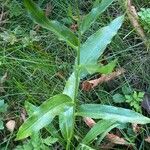
Erigeron speciosus
Aspen daisy · Aspen fleabane · Garden fleabane · Showy fleabane · Threenerve fleabane
Description
Source: leafsnapErigeron speciosus is a widespread North American species of flowering plants in the family Asteraceae known by the common names aspen fleabane, garden fleabane, and showy fleabane.
🌳 Aspen Fleabane is known for attracting and supporting pollinators like bees and butterflies in gardens. Despite its modest appearance, Aspen Fleabane's importance reaches beyond its looks, acting as a vital part of local ecosystems by supplying nectar. Gardeners frequently plant Aspen Fleabane specifically for its capacity to sustain these important insect populations.
🎭 Soul and spirit
Care Guide
💧 Water
Aspen Fleabane thrives in mountain meadows, where it prefers moderate moisture levels and can withstand short periods of dryness. To keep it healthy, it's important to water it weekly. This plant is not particularly drought-tolerant, nor does it require high humidity. When grown outdoors, Aspen Fleabane flourishes if the soil moisture aligns well with the local climate, promoting strong growth and resilience.
How should I water my Aspen Fleabane plant?
When watering the Aspen Fleabane, it is important to use filtered water at room temperature. Tap water may have harmful particles, so filtered water is preferable. The Aspen Fleabane is accustomed to warm environments, so it is best to use room temperature or slightly warmer water to avoid shocking the plant. Avoid overhead watering as it can cause problems with the foliage. Instead, thoroughly water the soil using filtered, room temperature water. This helps moisten the roots and allows them to spread and gather necessary nutrients.
What should I do if I give too much or too little water to my Aspen Fleabane?
Overwatering and underwatering can harm your Aspen Fleabane, but overwatering is more common. When this plant gets too much water, its stems and leaves may wilt and turn yellow. Overwatering for a long time can also cause diseases like root rot, mold, and mildew, which can kill the plant. Underwatering is less likely for Aspen Fleabane because it can tolerate drought. However, it can still happen, and you'll notice brittle and brown leaves. It's important to spot signs of overwatering early. Some diseases, like root rot, can't be fixed if you wait too long. If you see early signs, reduce watering immediately and check the soil's drainage. If it drains poorly, replace it with a loose, well-draining potting mix. If you see signs of underwatering, increase watering until the signs go away.
How often should I water my Aspen Fleabane plant?
If you have your Aspen Fleabane plant in a pot, the most precise way to determine if it needs water is by checking the moisture of the soil. Simply stick your finger into the soil and if the top two to three inches are dry, it's time to water it. If you have your Aspen Fleabane plant growing outdoors in the ground, you can use a similar method to check the soil. When you find that the top few inches of soil have dried out, it's a sign that it needs water. Usually, during the spring and early fall, watering the plant once a week is sufficient. However, during extremely hot weather, you may need to increase the frequency to twice or more per week. It's worth noting that mature and well-established Aspen Fleabane plants can withstand drought and are less dependent on regular watering.
How much water does my Aspen Fleabane plant require?
When watering your Aspen Fleabane, it's important to be generous with the amount of water you give. Make sure the first two to three inches of soil are dry before watering. It's best to thoroughly soak the soil, allowing excess water to drain out of the pot's drainage holes. If you don't see any excess water draining, it means you haven't watered enough. However, be careful not to let water accumulate inside the soil as it can be harmful to the plant. On the other hand, if water doesn't drain properly through the pot, it could indicate poorly draining soil, which is bad for the plant's health. If the plant is outside, about 1 inch of rain per week should be enough.
How do I water my Aspen Fleabane as it grows?
The water needs of the Aspen Fleabane can change depending on its growth stages. In the first few years of its life or after transplanting to a new location, it will require more water than usual. During these stages, the plant focuses on sprouting new roots for future growth, and these roots perform best with higher moisture levels. As the plant matures, its water requirements will decrease. Additionally, during the bloom period, the flower development process requires a significant amount of moisture, so giving the Aspen Fleabane extra water at this time may be necessary.
☀️ Light Full sun
The aspen Fleabane typically flourishes when it is exposed to a significant amount of sunlight daily. It naturally chooses habitats that provide a considerable amount of light each day. With these conditions in place, the aspen Fleabane demonstrates the best health and growth. Insufficient light may result in reduced growth, however, overexposure to sunlight does not cause significant harm to the plant.
What are the sunlight requirements for Aspen Fleabane?
Aspen Fleabane thrives best under plentiful sun exposure each day, necessitating conditions akin to its native habitats which provide substantial daily light. Optimal growth and health are observed in full sun, defined as above 6 hours of sunlight, or partial sun, about 3-6 hours of sunlight. It's important to observe how sunlight moves through your garden to ensure the plants receive the right balance of light and shade, which is crucial for their wellbeing. Too little light can result in stunted growth, although the plant is generally tolerant of excessive sunlight.
How can I supplement sunlight with artificial lighting for Aspen Fleabane?
In scenarios where natural sunlight is insufficient, especially during winter or in less sunny locations, artificial lighting can significantly aid the growth of Aspen Fleabane. LEDs are recommended due to their efficiency and the ability to customize wavelengths suitable for plant growth. For full sun plants, 30-50W/sq ft is advisable; for partial sun plants, 20-30W/sq ft; and for full shade, 10-20W/sq ft. The light source should be placed 12-36 inches above the plant, simulating natural sunlight conditions. Most plants will require 8-12 hours of artificial light per day to mimic natural daylight hours effectively.
What are the signs of light deficiency in Aspen Fleabane?
Light deficiency in Aspen Fleabane can manifest as smaller new leaves, leggy or sparse growth from longer spaces between leaves or stems, increased leaf drop as the plant tries to conserve resources, slowed or ceased new growth, paler new leaves indicating a lack of chlorophyll, and conditions like chlorosis where leaves turn yellow. Additionally, excessive sunlight exposure can cause sunscald, leaf curling, wilting, and leaf scorching, indicating the need for well-managed sunlight exposure.
How do I address sunlight-related issues in Aspen Fleabane?
For indoor plants, gradually increase exposure to natural light by moving them closer to a south-facing window or provide artificial lighting, ensuring at least 6 hours of light daily. Outdoor plants should also be gradually moved to sunnier spots to prevent sunburn. Removing obstructions that block sunlight or transplanting smaller plants to a brighter location could also be beneficial. It's important to note that while parts of the plant affected by insufficient sunlight may not recover, new growth should be healthy with improved light conditions.
🌡️ Temperature 5–32.2°C
The Aspen Fleabane plant thrives in temperatures between 41 and 89.6 ℉ (5 to 32 ℃). It is naturally found in regions with moderate temperature conditions. It has the capacity to withstand slightly lower temperatures during the autumn season and slightly higher temperatures during the spring season, enabling it to adapt to changing seasons.
What are the ideal temperature conditions for Aspen Fleabane?
Aspen Fleabane thrives in temperatures ranging from 41 to 89.6°F (5 to 32°C), indicative of its preference for moderate climates. The plant has adapted to cope with the seasonal variations by tolerating slightly lower temperatures during fall and slightly higher temperatures in spring. Notably, Aspen Fleabane possesses a high tolerance for cold weather, requiring no extra frost protection measures in winter. However, to prepare for winter, it is advisable to water the plant thoroughly before the first freeze of autumn to maintain soil moisture during the colder months, thereby preventing drought and water scarcity for the plant during winter and early spring.
How does Aspen Fleabane react to low temperatures?
Aspen Fleabane exhibits extreme cold tolerance. Despite this, it's important to keep the winter temperature above a certain unspecified limit (Limit_growth_temperature) to prevent adverse effects. If temperatures fall below this critical threshold, the plant may not show immediate distress during the winter; however, come spring, there could be a noticeable decrease in sprouting, or the plant may not sprout at all. The recommended solution for this issue is to prune any parts of the plant that have not sprouted in the spring.
What should I do if Aspen Fleabane is exposed to high temperatures?
Exposure to temperatures above its tolerance limit (Suitable_growth_temperature_max) can significantly affect Aspen Fleabane's health, stunting its growth and making it more susceptible to rot. To mitigate the effects of high temperatures, it is recommended to trim away any sunburned or dried-up sections of the plant. Moving the plant to a shaded area, particularly away from the harsh midday and afternoon sun, or employing a shade cloth, can provide much-needed relief. Additionally, watering the plant during the cooler parts of the day, in the morning and evening, helps keep the soil adequately moist.
💨 Humidity
🪴 Soil 6-7
🌱 Fertilizer
Typically, an Aspen Fleabane requires a solitary fertilization in the spring, although more frequent feedings could optimize its growth. Aim to feed every one to one and a half months. By fertilizing, you improve the look and performance of the leaves, leading to a steady color and robust texture. Furthermore, it provokes root development and the intake of nutrients, which contributes to the overall wellbeing of the plant in the long run.
Why should I fertilize my Aspen Fleabane?
The main structure of the Aspen Fleabane is made up of its leaves. Fertilization is a crucial way to maintain the appearance and function of these leaves. Proper fertilization will ensure that the leaves of your Aspen Fleabane have consistent color and a healthy texture. Additionally, fertilization also has benefits below the soil's surface. It helps your plant develop new roots and maintain the existing ones in its root system. This means that fertilization not only keeps your plant healthy at present, but also improves its ability to absorb soil nutrients in the future.
When should I put fertilizer on my Aspen Fleabane?
To ensure optimum growth of your outdoor Aspen Fleabane, pay attention to the emergence of new leaves in early spring. This signals the ideal time to start fertilizing. Typically, one application of fertilizer in the spring is sufficient for the plant's well-being. However, if you want to promote maximum growth, you can fertilize multiple times during the spring and early summer. Aim for approximately one feeding per month or every month and a half if you choose this approach.
When is it not a good idea to fertilize my Aspen Fleabane?
During the late fall and winter, your Aspen Fleabane will become dormant and stop producing new growth. It is best to avoid fertilizing your Aspen Fleabane during this period. In the spring and summer, if you decide to fertilize, gradually reduce the amount as summer approaches because the growth rate of your Aspen Fleabane will slow down. Overall, it is not recommended to fertilize your Aspen Fleabane when the weather is unusually hot or the soil is very dry. Fertilizing during these conditions can cause stress and premature death for your Aspen Fleabane.
What kind of fertilizer does my Aspen Fleabane plant need?
Choosing the best fertilizer for Aspen Fleabane is simple. Use a general-purpose garden fertilizer with equal amounts of nitrogen, phosphorus, and potassium (like a 10-10-10 ratio). Avoid high-nitrogen fertilizers when unsure. Granular fertilizers are best for Aspen Fleabane, especially slow-release ones that are easy to apply. Additionally, feeding the plant with organic soil amendments like compost can be beneficial.
How can I give my Aspen Fleabane plant the nutrients it needs?
To begin, wait until early spring when your Aspen Fleabane starts to show its first leaves poking through the soil. Once you see this sign, apply a granular slow-release fertilizer with a balanced formula. Make sure to apply the fertilizer to the soil surrounding the base of your Aspen Fleabane. If needed, repeat this process later in the season. Remember, when reapplying fertilizer, avoid applying it directly to the plant itself. Instead, apply it to the soil at the base of the plant, even if it requires moving some leaves aside to access the soil above the roots. It is also a good practice to water your Aspen Fleabane before and after feeding it.
🪴 Pot & Repot 2-3 years
When transplanting Aspen Fleabane, opt for a container that's 1-2 inches (2.5–5 cm) bigger with sufficient drainage. Employ a potting soil that drains well. Carry out the repotting in either the spring or autumn, making sure that the root mass sits a little under the top edge of the pot. Once repotted, drench the plant with water and position it in a warm location with indirect sun exposure.
✂️ Pruning
Aspen Fleabane is known for its beautiful, daisy-like flowers and does well in sunny areas. To promote new growth, prune the plant by removing old stems from early to late spring. You can extend the blooming period by deadheading the spent flowers. Additionally, thin out the plant to improve air circulation, which helps prevent fungal diseases and enhances its overall appearance.
🌿 Propagating
🐛 Diseases & pets
☠️ Toxicity
Characteristics
- Plant Type
- Herb
- Life Cycle
- Perennial
- Genus
- Erigeron
- Family
- Asteraceae
- Hardiness Zone
- 4-7
- Mature Height
- 15 cm to 76 cm
- Mature Spread
- 25 cm
- Leaf Color
- Green, Gray
- Leaf Type
- Deciduous
- Flower Color
- Purple, Lavender, Yellow
- Flower Size
- 2.54 cm to 7.62 cm
- Bloom Time
- Late spring, Early summer, Mid summer
- Planting Time
- Spring
- Harvest Time
- Mid summer
- Native Area
- Mexico