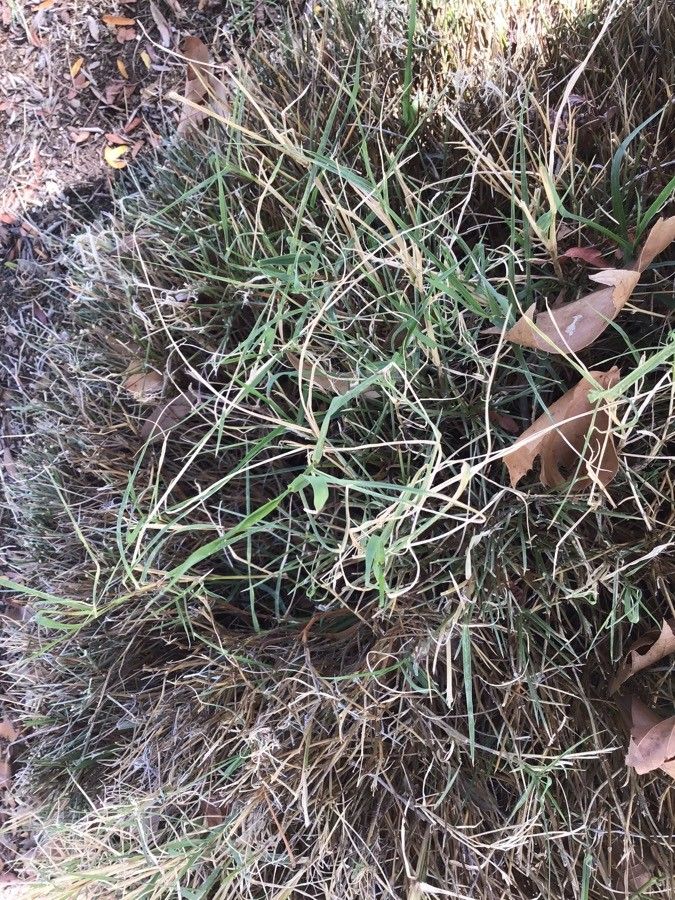
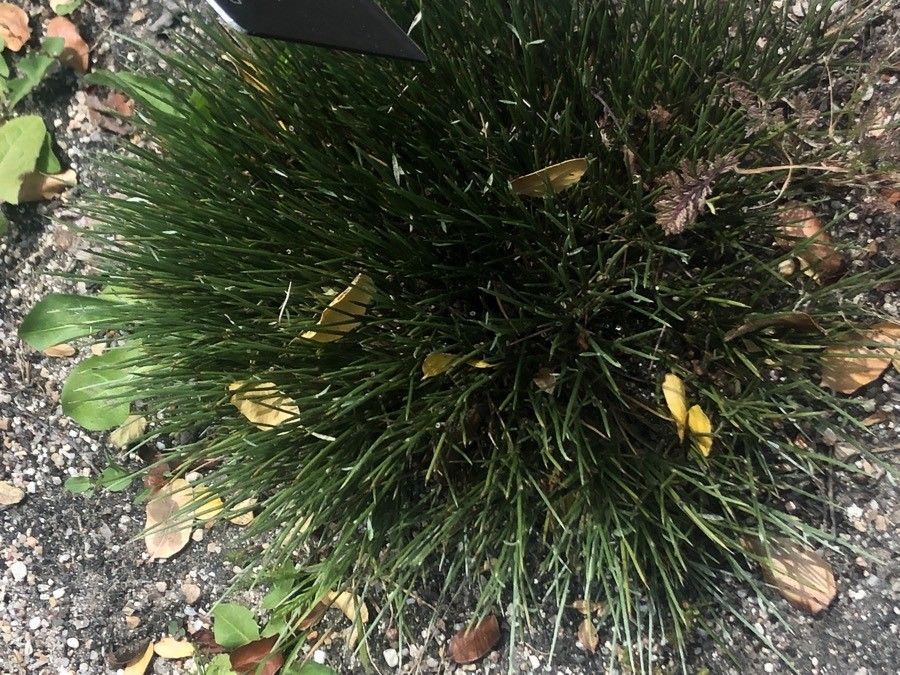
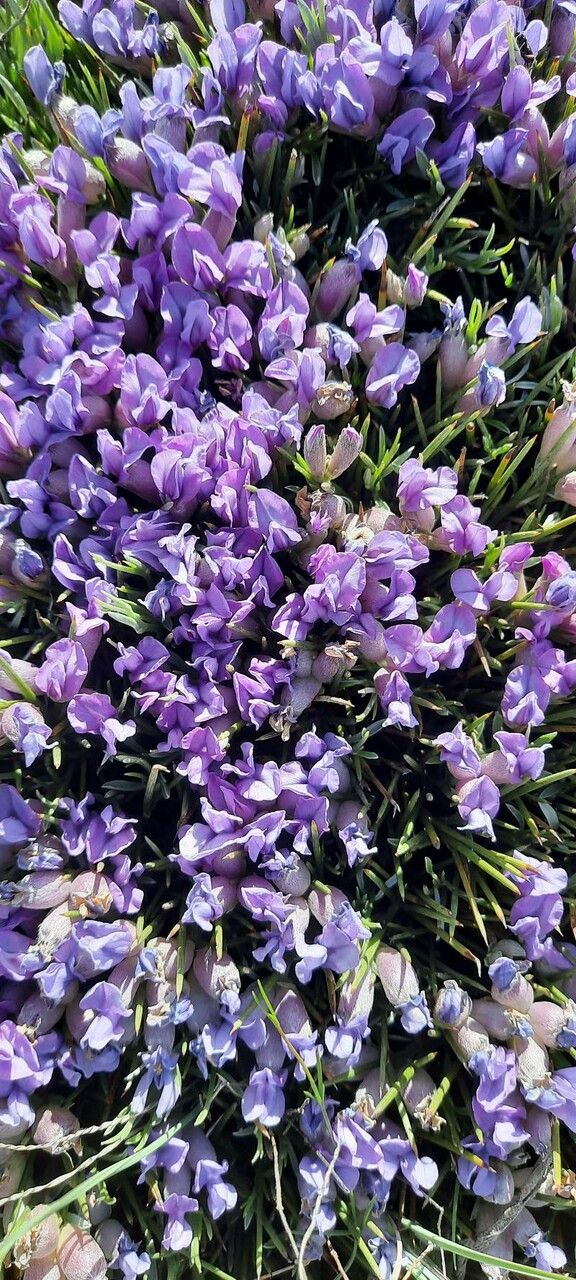
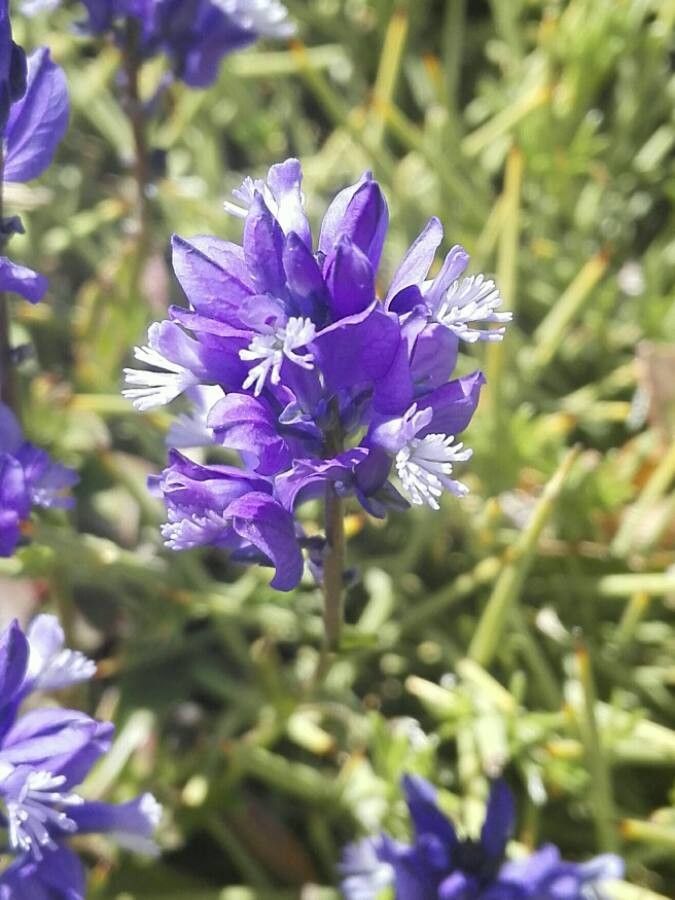
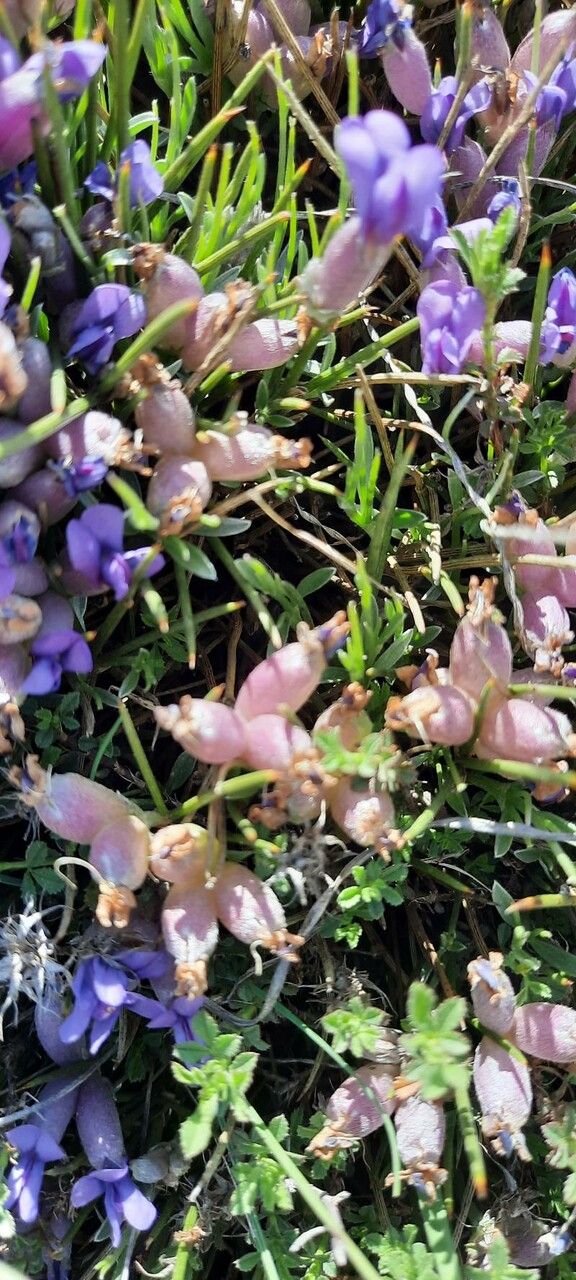
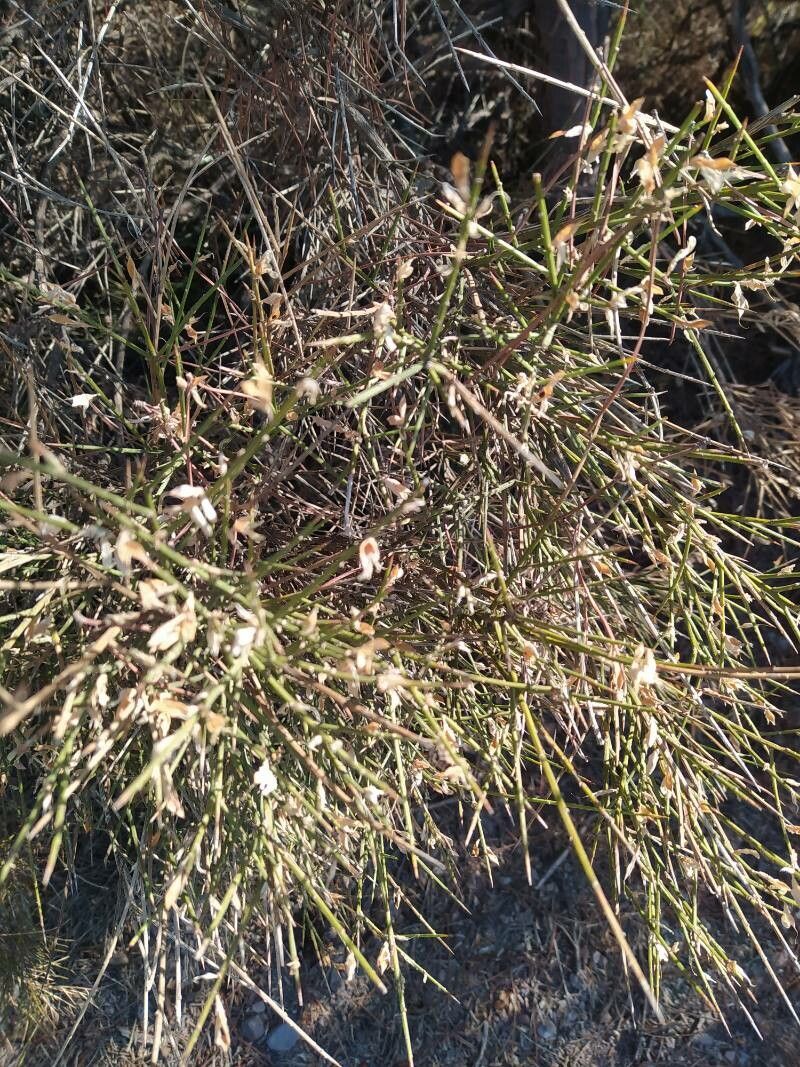
Erinacea anthyllis, the blue broom, hedgehog plant, or rushy kidney vetch, is a species of flowering plant in the family Fabaceae. It is native to stony mountainous places in the Pyrenees, the Mediterranean and Morocco. It is a dwarf, spiny, evergreen shrub growing to a dome shape 30 cm (12 in) tall and wide. It has dense foliage, and lilac coloured pea-like flowers in late spring and early summer. The Latin specific epithet anthyllis highlights the plant's similarity to the related kidney vetch, Anthyllis vulneraria.
Hedgehog broom is resistant to disease and generally not prone to illnesses. In terms of care, this plant is fairly low maintenance. When grown outdoors it needs minimal watering, and larger plants typically do not require pruning. Smaller plants, however, should be pruned after they finish blooming. Hedgehog broom is suitable for anyone with an outdoor area, such as a garden or a deck, and does not require much care experience.
How to keep Erinacea Anthyllis.
Light
Hedgehog broom comes from open habitats, like sunlit meadows and forest margins that offer plenty of light. It does best in Full Sun but can also tolerate Partial Sun, adapting well to a range of sunlight conditions.
Water
The hedgehog broom thrives in dry conditions and is highly tolerant of drought. It needs watering only every 2 to 3 weeks and prefers a balanced level of humidity. Being evergreen, the hedgehog broom retains water in its leaves throughout the year, which decreases its need for frequent watering.
Fertilizer
Timing is important when fertilizing Hedgehog broom. Apply fertilizer in early spring and continue once a month until early summer. Fertilizer encourages attractive blooms and supplies energy during both dormant and active growth periods.
Pruning
The hedgehog broom is a compact, spiny shrub that produces vibrant flowers. To keep it in top condition, prune it in early spring. This will allow you to remove any dead branches and promote new growth, which also helps shape the plant. By pruning, you minimize stress on the shrub, increase its blooming potential, improve air circulation, and reduce the risk of disease.
Botanical profile.
- Plant Type
- Shrub
- Life Cycle
- Perennial
- Genus
- Erinacea
- Family
- Fabaceae
- Hardiness Zone
- 6-9
- Mature Height
- 30 cm to 40 cm
- Mature Spread
- 37 cm to 61 cm
- Leaf Color
- Green, Gray, Silver
- Leaf Type
- Evergreen
- Flower Color
- Purple
- Flower Size
- 2.54 cm
- Bloom Time
- Mid spring, Late spring
- Planting Time
- Spring, Summer, Autumn
- Harvest Time
- Early summer, Mid summer
Other names.
Reader questions.
How can I water my Hedgehog broom in the best way?
Your Hedgehog broom is not particular about how you water it. You can use common watering tools like watering cans, hoses, or even cups. The important thing is to water the soil directly. Make sure to evenly moisten all areas of the soil to provide water to the entire root system. Using filtered water is preferable as tap water may contain harmful particles. Additionally, using water at or slightly above room temperature is ideal, as extremely cold or hot water can cause some shock to the Hedgehog broom. However, the Hedgehog broom usually responds well to any type of water.
Why is it necessary to fertilize my Hedgehog broom?
Fertilizing your Hedgehog broom is crucial for several reasons. Firstly, it will enhance the production of beautiful blooms. To achieve excellent flowers in spring, fertilizing early on is highly recommended. Additionally, fertilizer provides your Hedgehog broom with ample energy that it can store in the soil during periods of dormant growth. By giving it extra nutrients during fall planting or late spring, your Hedgehog broom will have more stored energy to utilize when it resumes active growth.
What should I do if I give my Hedgehog broom too much water or not enough water?
Outdoor plants, especially newly planted ones or seedlings, are prone to lack of watering. It's important to remember to water them enough for the first few months, especially when the tree is small or just planted. The roots will eventually establish themselves and rely on rain most of the time. When your Hedgehog broom is planted in pots, overwatering is more likely to occur. If you accidentally overwater your Hedgehog broom, you should take immediate action to fix the situation. First, stop watering your plant to minimize the impact of overwatering. Then, remove the Hedgehog broom from its pot to inspect its roots. If there is no root rot, you can return the plant to its container. However, if you do find signs of root rot, trim away the affected roots and consider applying a fungicide. Finally, repot the Hedgehog broom in soil that drains well. In the case of underwatering, simply water the Hedgehog broom more frequently. This is usually an easy fix. If you notice that the plant's leaves are drooping, drying out, or falling off, they will quickly regain their fullness after sufficient watering. Make sure to adjust your watering frequency as soon as you realize the plant is being underwatered.
When should I fertilize my Hedgehog broom for the best results?
Timing is essential for fertilizing Hedgehog broom. If you apply fertilizer too early when the Hedgehog broom is still dormant, it won't work effectively and will be washed away by rainwater, resulting in waste and pollution. So, the initial fertilizer should be used in early spring, and then continue fertilizing once a month until early summer.
How often should I give water to my Hedgehog broom?
Most outdoor plants can rely on rainfall for their watering needs. If your area does not receive enough rain, you can provide adequate watering every two weeks in the spring and fall. In the summer, you will need to water more frequently. In the winter, when plants grow slower and require less water, you can water sparingly or not at all. However, for young or newly planted Hedgehog broom plants, you should water more often to help them establish and become more adaptable to drought conditions. If you have potted plants, there are two main ways to determine how often to water your Hedgehog broom. One way is to follow a set watering schedule, such as once a week or every other week. However, this may not take into account the specific growing environment for your Hedgehog broom. Your watering frequency can also vary depending on the season. During summer, when the plant's water needs are highest, a set schedule may not be enough. Alternatively, you can gauge the soil moisture to determine watering. Wait until the top two to four inches of soil, about ⅓ to ½ depth of the pots, have completely dried out before giving more water.
When is not a good time to fertilize my Hedgehog broom?
To ensure the best growth for Hedgehog broom, it's important to be mindful of the type and timing of fertilizer used. It is not recommended to apply fertilizer with a high level of nitrogen, as this can result in abundant leaf growth but fewer blooms. Look for a fertilizer that has a lower nitrogen content in comparison to other nutrients. Additionally, avoid fertilizing Hedgehog broom after early autumn, as this can lead to excessive growth right before winter. It should also be noted that fertilizing during hot and dry periods is not beneficial, as dry soil does not effectively deliver the nutrients and can result in stimulated growth that requires more water, which may not be available. It is advisable to apply fertilizer during cooler temperatures earlier in the season. Lastly, take caution as Hedgehog broom has the ability to absorb any nearby applied fertilizers from other plants or lawns, so be careful not to accidentally over-fertilize the shrub.
How much water does my Hedgehog need for bathing?
When watering your Hedgehog broom, you might be surprised to learn that it doesn't always require a lot of water. If only a few inches of soil have dried since the last watering, giving it about five to ten ounces of water each time can promote healthy growth. You can also base your water volume on the moisture of the soil. Take note of how many inches of soil have dried between waterings. To ensure your Hedgehog broom gets enough moisture, water it enough to moisten all the dry soil layers since the last watering. If over half of the soil has dried, consider giving more water. In such cases, add water until excess water drains from the pot's holes. If your Hedgehog broom is planted in an area that receives ample outdoor rain, it may not need additional watering. When it's young or still establishing, make sure it receives 1-2 inches of rain per week. As it grows, it can rely solely on rainwater, unless there is a hot and dry spell for 2-3 weeks without rainfall - then give it a thorough watering to prevent stress.
What kind of fertilizer does my Hedgehog broom require?
For an optimal Hedgehog broom, it is recommended to use a fertilizer that contains a balanced mix of the three main plant nutrients, with slightly more phosphorus. Alternatively, some gardeners prefer to enrich the soil for their Hedgehog broom by adding organic materials like compost, worm castings, or manure. Experienced gardeners may also use water-soluble fertilizers with phosphorus 1-2 times when flower buds begin to appear, as this promotes healthier flower growth and longer blooming periods. There are various types of fertilizers available, but liquid or powdered forms are particularly effective for Hedgehog broom. Regardless of the type used, it is important to dilute the fertilizer and apply it while watering the Hedgehog broom.
How do I know if I'm giving enough water to my Hedgehog broom?
The Hedgehog broom often suffers from overwatering, which can be identified through yellowing and leaf dropping. Overwatering can also lead to shriveling and root rot. On the contrary, an underwatered Hedgehog broom will wilt and display brown or brittle leaves. If you notice signs of either overwatering or underwatering, it is important to take action and restore the plant's health.
How do I make my Hedgehog broom grow better?
To properly fertilize your Hedgehog broom, you should always follow the specific directions for the type of fertilizer you are using. It's important not to overdo it, so determining the right amount is crucial. Typically, you can use the age of the tree or the trunk's diameter as a guide. A general rule is to apply about one-tenth of a pound (or one pound maximum) of fertilizer per year or per inch of trunk. For granular or organic fertilizers like blood meal, simply sprinkle them around the tree's base, extending all the way to the drip line (the area below the farthest branches). Be mindful not to let the fertilizer touch the trunk. With time, the granules will break down and seep into the soil, absorbed by the roots. After fertilizing, it's recommended to spread a one-inch layer of compost around the tree's base and water thoroughly.
How do I make sure to give my Hedgehog broom enough water as it grows?
When the Hedgehog broom is young, especially in the seedling stage, it requires more water compared to when it is mature. During these early stages, it is crucial to keep the soil consistently moist to promote root development. This applies to any Hedgehog broom that has been transplanted to a new location. Additionally, by providing the correct care, the Hedgehog broom can produce attractive flowers and fruits. If your Hedgehog broom is currently flowering or fruiting, you will likely need to increase the amount of water slightly to support these plant structures.
What happens if I give my Hedgehog broom too much fertilizer?
It is recommended to under-fertilize rather than over-fertilize, as adding more fertilizer is easier than removing excess. If you over-fertilize your Hedgehog broom, it may result in brown leaf tips and edges, yellowing, wilting leaves, and a visible crust of fertilizer salts on the soil surface. This is known as fertilizer burn, caused by an excessive accumulation of salts in the plant's cells. If the issue is excessive nitrogen, the Hedgehog broom will produce plenty of leaves but fewer flowers, as nitrogen promotes foliage growth. If you have over-fertilized, you can try removing the top layer of soil beneath the Hedgehog broom to eliminate the most concentrated area of fertilizer. Then, water the area heavily to flush out the excess fertilizer around the roots.